Quick answer
Measure your dog's neck snugly with a soft tape, then add about 1 to 1.5 inches. That total is the collar size you want, because a prong collar should sit high on the neck, just behind the ears and below the jaw, snug enough that it stays there without choking. If your dog lands between two sizes, size up and remove a link rather than sizing down and forcing it closed.
Prong collar sizing is not the same as buying a flat collar. A flat collar is meant to hang loosely around the middle of the neck; a prong collar has to sit high and close so the links rest flat against the skin and release cleanly when you relax the leash. That difference is why the number on the package rarely matches the number you measured.
The good news is that sizing is a five-minute job you can do at home with a soft tape measure and a treat. This guide walks through the measurement, the allowance, and the fit checks that tell you whether a collar is right, too loose, or too tight.
Measure the neck the right way
Wrap a soft tape measure around the middle of your dog's neck, right behind the ears and under the jaw. Pull it snug against the fur, not tight enough to dig in. If you do not have a soft tape, use a piece of string, mark where it meets, and measure the string flat with a ruler. Write the number down in inches.
Do this while your dog is standing, not lying down, because the neck measurement changes with posture. If your dog has a thick coat, measure over the fur the way the collar will actually sit. Take the measurement twice; if the two numbers differ by more than half an inch, take a third and use the average.
- Measure behind the ears, not at the base of the neck.
- Keep the tape snug but not compressed into the skin.
- Measure standing, over the coat, twice.
Add the allowance, then check the size range
Add roughly 1 to 1.5 inches to your measurement. That allowance covers the thickness of the links and the small amount of slack a prong collar needs to sit correctly. A dog measuring 16 inches around the neck, for example, is usually looking at a collar that fits around 17 to 17.5 inches.
Prong collars are sized by neck range, not by breed. A dog that looks like a large breed may still take a medium if the neck is lean, and a compact dog with a thick neck may need a larger size. Always trust the tape over the breed label, and check the size range printed on the product before ordering.
- Add 1 to 1.5 inches to the snug neck measurement.
- Match that total to the collar's stated neck range.
- Ignore breed labels and use the tape number.
Fit checks once the collar arrives
Put the collar on and slide it up so it sits high on the neck, just behind the ears. It should stay there on its own when your dog walks, turns, and shakes. If it slides down to the middle of the neck, it is too loose; remove a link or two and recheck. If it presses into the skin or you cannot fit one finger flat between the links and the neck, it is too tight.
Watch how the links behave. On a correctly fitted collar, the links lie flat and separate easily when you release tension on the leash. If they stay bunched or twisted, the collar is the wrong size or the links are not sitting properly. Do a short indoor session with treats before you rely on it outdoors.
- High on the neck, behind the ears, staying put on its own.
- One finger should fit flat between links and skin.
- Links should lie flat and release cleanly.
When to size up or size down
If the collar sits low, rotates, or needs constant adjusting, size up and remove links until it fits. Starting larger gives you room to fine-tune; a collar that is too small cannot be made bigger without buying new links. If the collar is so large that even with all links removed it hangs loose, you bought too big and should exchange it.
For growing puppies and dogs whose weight fluctuates, check the fit every couple of weeks. A collar that fit in spring may be too tight by summer. Re-measure rather than guessing, and keep the original links in a bag so you can add them back if your dog's neck changes.
- Too loose: size up, then remove links to dial in the fit.
- Too tight even at the largest setting: exchange for a bigger size.
- Re-check growing dogs every two to three weeks.
Prong collars are not the only training tool
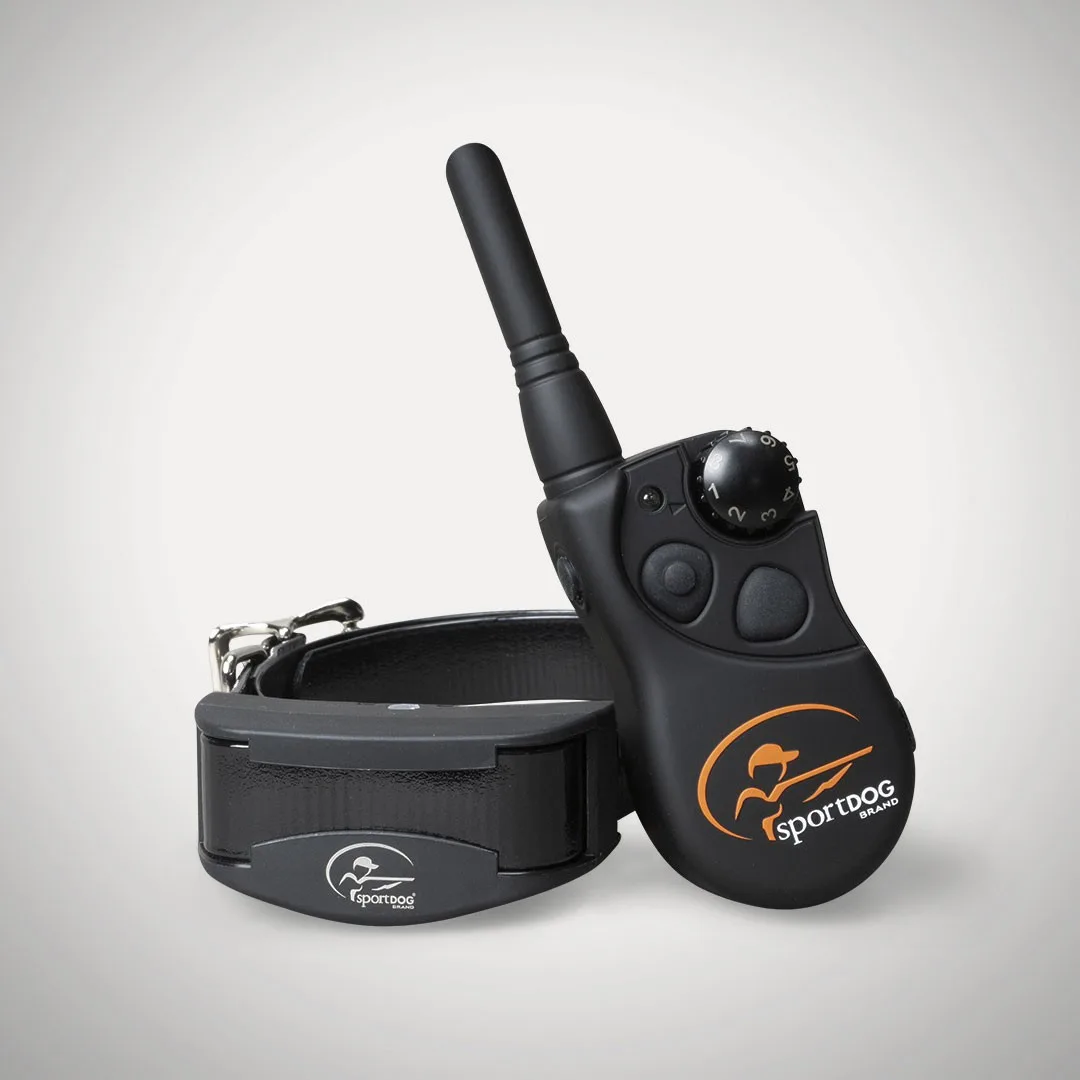
A prong collar is one option for strong pullers, but it is not the right choice for every dog. If your dog is sensitive, reactive, or new to training, a tone-based or low-level electronic collar may be a better fit, and a professional trainer can help you decide. The YT-100S SportDOG Brand YardTrainer 100S is described as built for more stubborn and easily distracted dogs, which is a different use case than a prong collar.
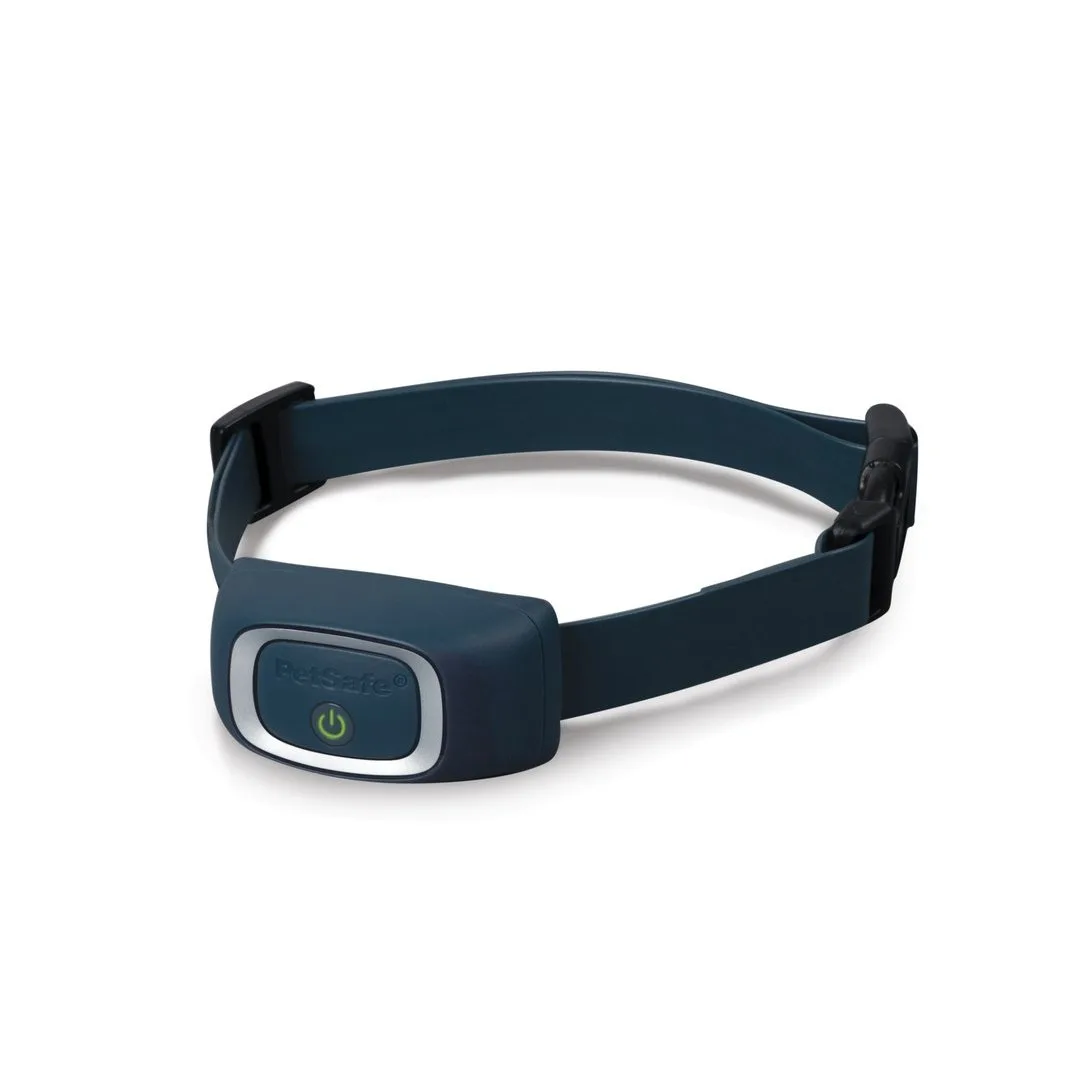
For multi-dog households, receiver collars like the PAC00-16163 PetSafe Add-A-Dog Receiver Collar let you add a second dog to an existing system without buying a whole new setup. And for dogs that just need more exercise, a durable fetch toy can do more for leash manners than any collar. Match the tool to the behavior, not the other way around.
- Prong collars suit strong pullers with a clear training plan.
- Tone and low-level e-collars suit sensitive or easily distracted dogs.
- More exercise and structured play reduce pulling at the source.
Decision rules for sizing a prong collar
- Neck measures 14 inches or less: Add 1 to 1.5 inches and look for a collar that fits roughly 15 to 15.5 inches. Small links give you finer adjustment. Small necks need small links; a standard size will hang too low.
- Neck measures 15 to 18 inches: This is the most common range for medium and large dogs. Size to the measured range, then remove links until the collar sits high behind the ears. Buy the size that covers your measurement, not the next size up.
- Neck measures over 18 inches: Look for a large or extra-large range, and expect to remove several links. If the collar still sits low after removing links, the size is wrong. Large dogs need a wide range, not just a longer strap.
- Dog is still growing: Buy for the current measurement plus one size of headroom, and keep the removed links. Re-measure every two to three weeks. Growth changes fit faster than most owners expect.
- Dog pulls hard but shuts down with pressure: A prong collar may not be the right tool. Consider a tone-based training collar or work with a trainer on loose-leash skills first. Fit is only half the decision; temperament decides the rest.
Training and play products worth knowing
- YT-100S SportDOG Brand® Yardtrainer 100S: Described as built for more stubborn and easily distracted dogs. If your dog ignores a prong collar or shuts down with one, a dedicated training collar aimed at stubborn dogs may be the more appropriate tool.
- PAC00-16163 PetSafe® Add-A-Dog Receiver Collar: Easy to use and adjustable to fit the necks of various dogs, for owners with multiple canine companions. Useful if you already run a fence or training system and want to add a second dog without replacing the whole setup.
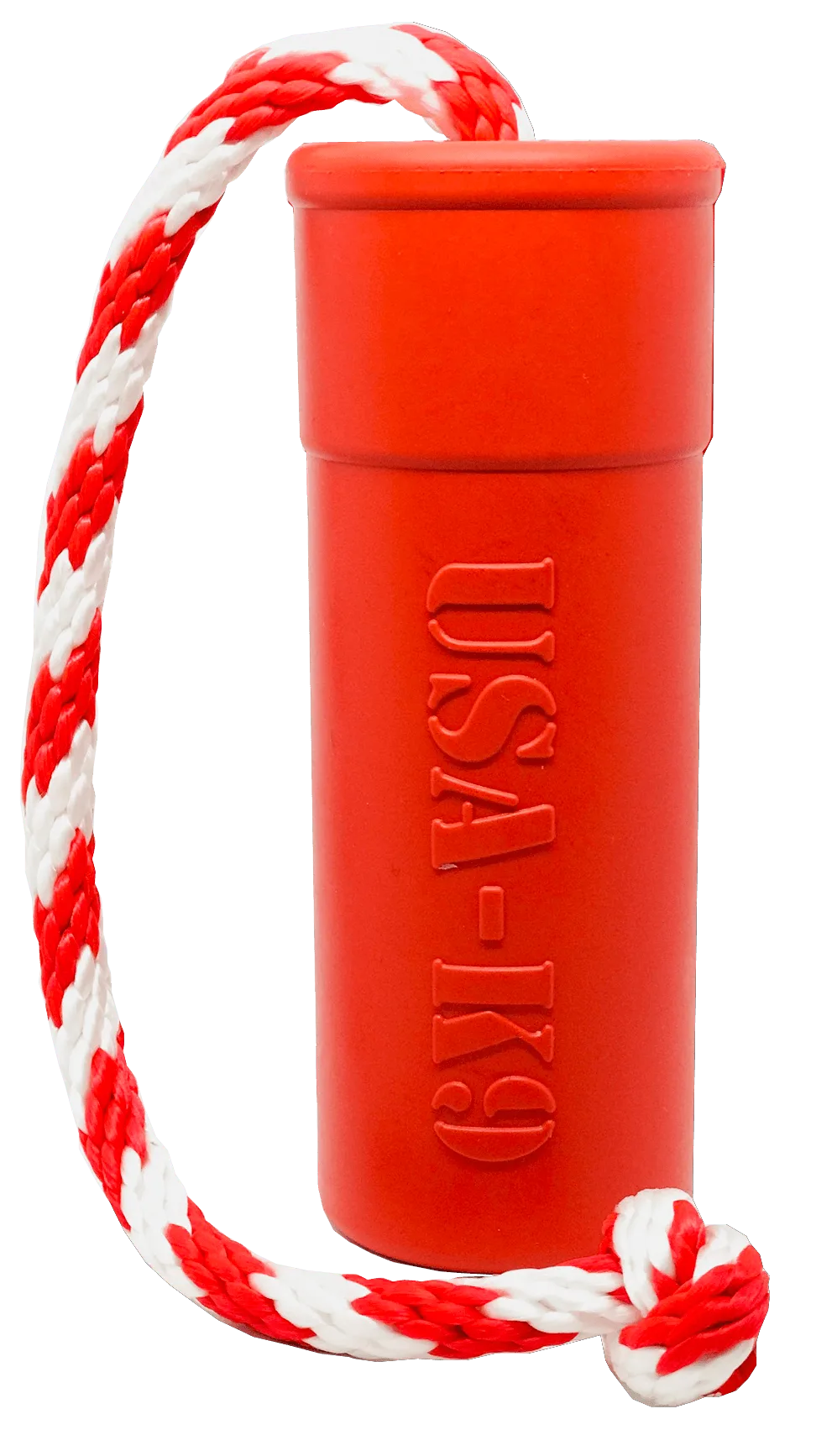
- NEW! K9 Tough Firecracker Rubber Floating Training Toy: A durable rubber floating training toy for fetch and retrieve work. Structured fetch sessions burn energy and reinforce commands, which often reduces pulling before you ever need a corrective collar.
- NEW! Tough Rubber Treat Holder & Chew Toy: Combines a treat dispenser and chew toy to provide entertainment, mental stimulation, and support oral health. A good option for keeping a dog busy during indoor training breaks or while you adjust collar fit.
Who a prong collar is right for
Best for
- Strong, healthy adult dogs that pull hard on a flat collar
- Owners working with a trainer on a structured loose-leash plan
- Dogs with a neck measurement that falls clearly inside a standard size range
Not for
- Puppies and dogs with neck or throat conditions
- Sensitive or reactive dogs that shut down under pressure
- Owners who want a leave-on collar for unsupervised use
Measure snug, add an inch to an inch and a half, and buy the size that matches that total. Then fit it high on the neck, check it with one finger, and adjust links until it stays put. If your dog's temperament or neck size does not fit the tool, choose a different training approach rather than forcing the fit.