Quick Answer
To choose a snowboard helmet, prioritize a snug, level fit with no pressure points, and look for certifications like CE EN 1077 or ASTM F2040. Dakine offers helmets with adjustable sizing and ventilation to keep you comfortable all day. Always try on with goggles and a beanie to ensure compatibility.
A snowboard helmet is the most important piece of safety gear you'll own. It protects your head in a fall and keeps you warm, but only if it fits correctly. This guide walks you through the key safety features and a simple fit test to find the right helmet for your head.
We'll cover what certifications mean, how to measure your head, and what to check when trying on a helmet. We'll also highlight a few Dakine products that complement your helmet setup, like gloves and carry bags, so you're ready for the mountain.
Why Helmet Fit Matters More Than You Think
A helmet that's too loose can shift in a fall, leaving your head exposed. One that's too tight causes headaches and might make you take it off, which defeats the purpose. The right fit keeps the helmet stable and comfortable, so you'll wear it all day.
Modern helmets use in-mold or hardshell construction, but fit is the same: it should hug your head without pressure points. Many helmets, including Dakine's, have adjustable fit systems to fine-tune the feel. Always try on the helmet with the goggles you plan to wear to ensure no gaps.
- Measure your head circumference just above your eyebrows for the best starting point.
Key Safety Features to Look For
Safety certifications are non-negotiable. Look for CE EN 1077 or ASTM F2040 labels, which indicate the helmet meets impact standards. Some helmets also include MIPS (Multi-directional Impact Protection System) to reduce rotational forces, but this adds cost and weight.
Ventilation is another key feature. Adjustable vents let you regulate temperature on warm spring days or during intense runs. A helmet with too few vents can overheat, while too many might let in cold air. Also consider the chin strap: it should be a Y-shape that fits snugly under your ears.
- Check that the helmet has a certification sticker inside the shell.
How to Test Helmet Fit at Home
Once you have a helmet on, do the 'shake test': move your head side to side and up and down. The helmet should stay put without shifting. You should feel even pressure all around, not just on your forehead or temples.
Next, try the 'two-finger test' for the chin strap: you should be able to slip two fingers between the strap and your chin. If you can fit more, tighten it. The front of the helmet should sit about two finger-widths above your eyebrows, so your forehead is protected.
- Wear a thin beanie or balaclava when fitting if you plan to wear one under your helmet.
Decision Rules for Choosing a Snowboard Helmet
- Check the certification sticker: Look for CE EN 1077 or ASTM F2040 on the inside. Without it, the helmet may not offer adequate protection. Only buy certified helmets.
- Measure your head circumference: Use a soft tape measure just above your eyebrows. Compare to the manufacturer's size chart; most helmets come in S/M and L/XL. Your size is the starting point, not the final word.
- Do the shake test: With the helmet on and strapped, shake your head. It should not move more than an inch in any direction. If it shifts, try a smaller size or adjust the fit system.
- Check goggle compatibility: Wear your goggles and ensure there's no gap between the helmet and goggle top. The helmet should sit low on your forehead. No exposed skin means better protection.
Dakine Gear That Complements Your Helmet
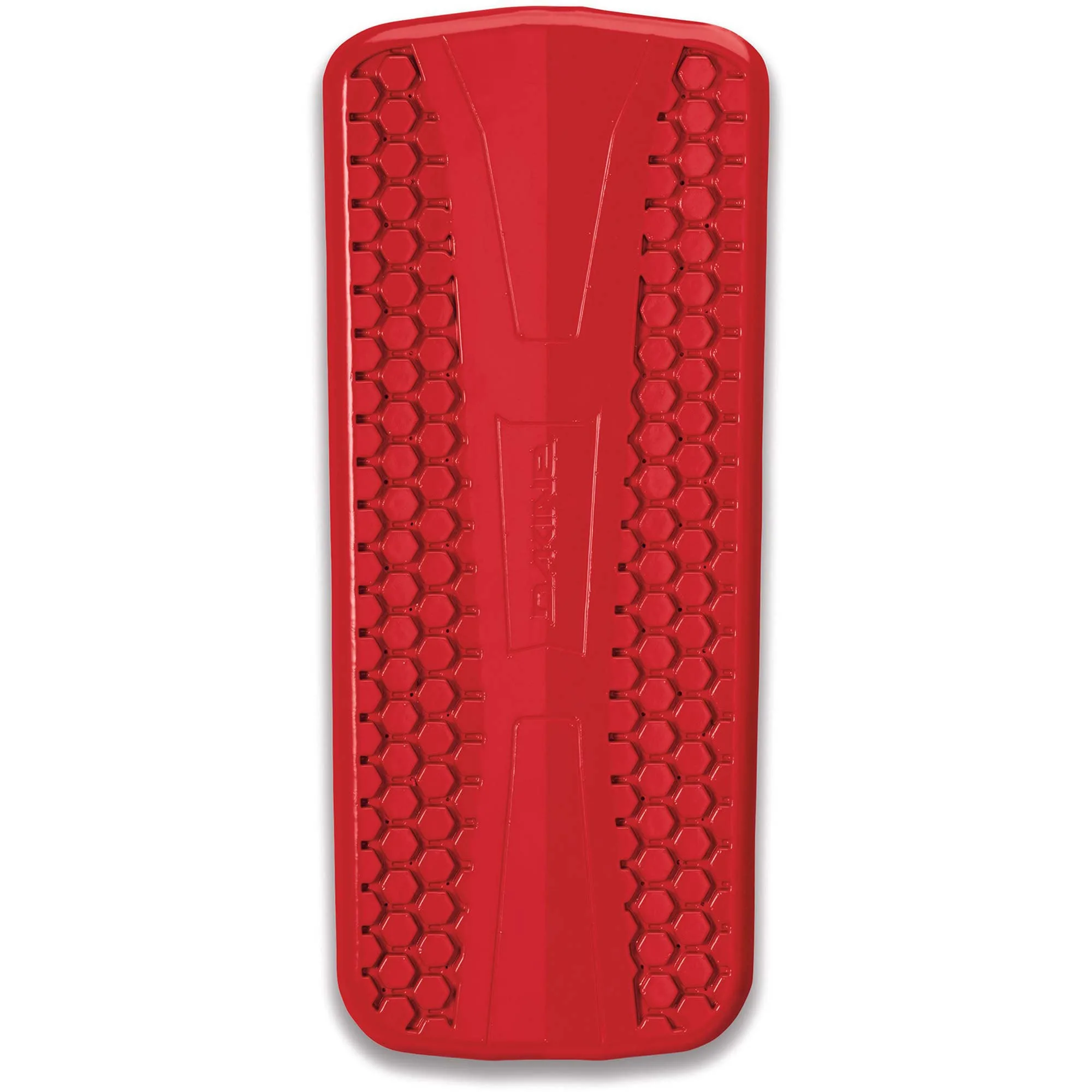
- DK Impact Spine Protector: The Dakine DK Impact Spine Protector is add-on back protection that's compatible with multiple Dakine snow and bike packs. The proprietary foam displaces hard impacts in the event of a fall to minimize injury to the central back. Add an extra layer of protection with this CE EN 1621-2 certified protection. While a helmet protects your head, this protector adds safety for your spine, completing your protective gear for high-speed or park riding.
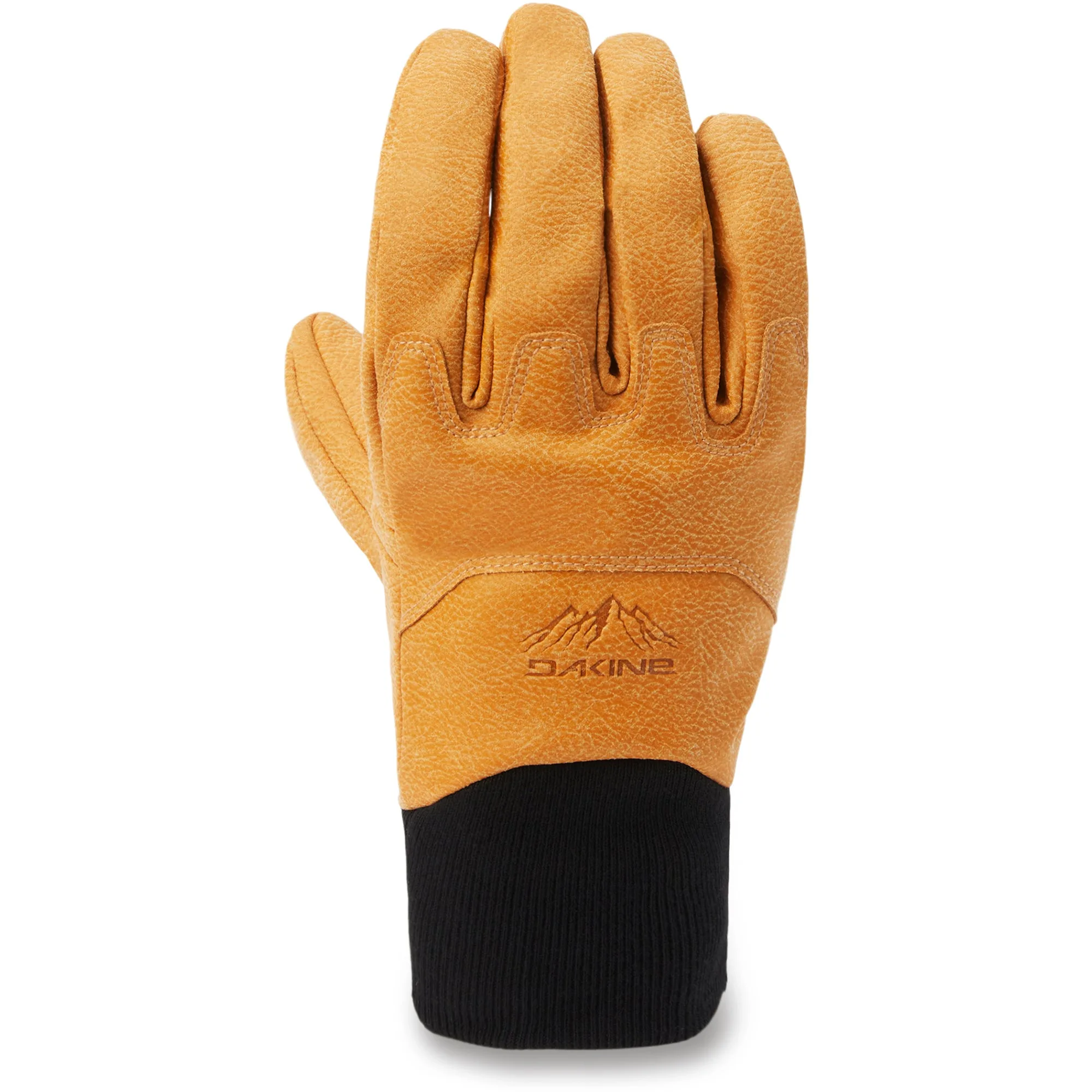
- Mack Glove - Tan: Featuring AX® synthetic suede comprised of a recycled polyester blend and PFC-free DWR, creating a durable, water-resistant glove for every need of every day. On top of that, the lining of this glove boasts 180g fleece, ensuring that your hands stay warm off the mountain. Warm hands help you keep your gloves on, so you're less likely to take them off and expose your hands to cold. This glove is also versatile for apres activities.
Fit Guidance: Best For vs. Not For
Best for
- Riders who want a straightforward, safe helmet for resort riding and occasional park laps.
- Those who prioritize comfort and plan to wear a thin beanie or balaclava underneath.
Not for
- Backcountry riders who need a helmet compatible with audio systems or avalanche airbags.
- Anyone between sizes; consider trying a different brand or model for a better fit.
Choosing a snowboard helmet comes down to fit, certification, and features that match how you ride. Take the time to measure your head and test the helmet with your goggles. A well-fitted helmet from a trusted brand like Dakine gives you confidence to focus on the run ahead.