Quick answer
To choose socks online, measure your foot length in centimetres and match it to the brand's size chart, then pick a cuff height that suits your shoes and a material blend that matches your day. If you are between sizes, size up for crew socks and stay true to size for ankle socks. Check the fabric content before you buy: cotton and bamboo breathe well for everyday wear, while added elastane keeps the sock from sliding down.
Buying socks online can feel like a gamble because you cannot stretch them over your heel in the shop. But socks are one of the easiest things to get right remotely if you ignore the label letter and focus on three numbers: foot length, cuff height, and fabric composition.
This guide walks through the exact checks to make before you add a pair to your cart, including how to measure at home, how crew and ankle fits change the feel, and which materials hold up for daily wear. You will also see how the same logic applies to other stretch garments, like the knickers in the Kayser range, where a size chart and a fabric description tell you more than a photo.
Start with foot length, not shoe size
Shoe size varies between brands and even between styles from the same brand, so it is a shaky foundation for sock sizing. Instead, stand on a piece of paper with your heel against a wall, mark the tip of your longest toe, and measure the distance in centimetres. Do this at the end of the day when your feet are at their largest, and measure both feet, because one is often slightly longer.
Compare that number to the brand's sock size chart. Most charts list a range, such as 35–38 or 39–42, and your measurement should fall inside one range. If you land exactly on the boundary, think about the cuff height: a crew sock that covers the ankle has more room to adjust, while an ankle sock sits close to the bone and has less give.
- Checkpoint: write down your foot length in centimetres before you open any product page.
- Common mistake: using your running shoe size for dress socks. Cushioned running shoes often fit half a size larger than your measured foot.
Match the cuff height to your shoes and your day
Crew socks reach above the ankle and stay put under trousers, boots, and athletic shoes. They offer more coverage and are less likely to slip down during a long walk. Ankle socks stop just below the ankle bone and suit low-cut sneakers, loafers, and warmer weather, but they can disappear into the shoe if the heel grip is weak.
The fit difference matters more than the look. A crew sock has a longer leg section, so if you are between sizes, sizing up gives you a little extra length without causing wrinkles. An ankle sock relies on a snug heel pocket and a firm cuff, so sizing up too much can make it slide under your heel. When you buy online, read the product description for words like 'heel grip' or 'arch support' to judge how securely the sock will stay in place.
- Checkpoint: hold a sock you already own against your leg and note where the cuff sits. Use that as your reference when reading online descriptions.
- Common mistake: buying ankle socks in a size up to get more room. The extra fabric bunches at the heel and causes blisters.
Read the material blend for everyday comfort
Sock material decides how your feet feel after eight hours. Cotton is breathable and soft, but it absorbs moisture and dries slowly, so it is best for low-sweat days. Wool regulates temperature and resists odour, which suits cooler weather and long wear. Synthetic blends like polyester, nylon, and elastane add durability, stretch, and quick drying, which is why they appear in most athletic and everyday socks.
A small amount of elastane, usually 2–5%, is what keeps a sock from sagging at the ankle. If a product page lists only 'cotton' with no stretch fibre, expect a looser fit that may twist. Bamboo and modal blends feel silky and manage moisture well, but they can pill faster than cotton. There is no single best material; pick based on whether you prioritise breathability, warmth, or durability.
- Checkpoint: look for a fibre percentage list, not just a headline material. A 70% cotton / 28% polyester / 2% elastane blend behaves very differently from 100% cotton.
- Common mistake: assuming thicker means warmer. A dense wool blend traps heat better than a thick cotton sock, which mostly adds bulk.
Use the same fit logic for other stretch garments
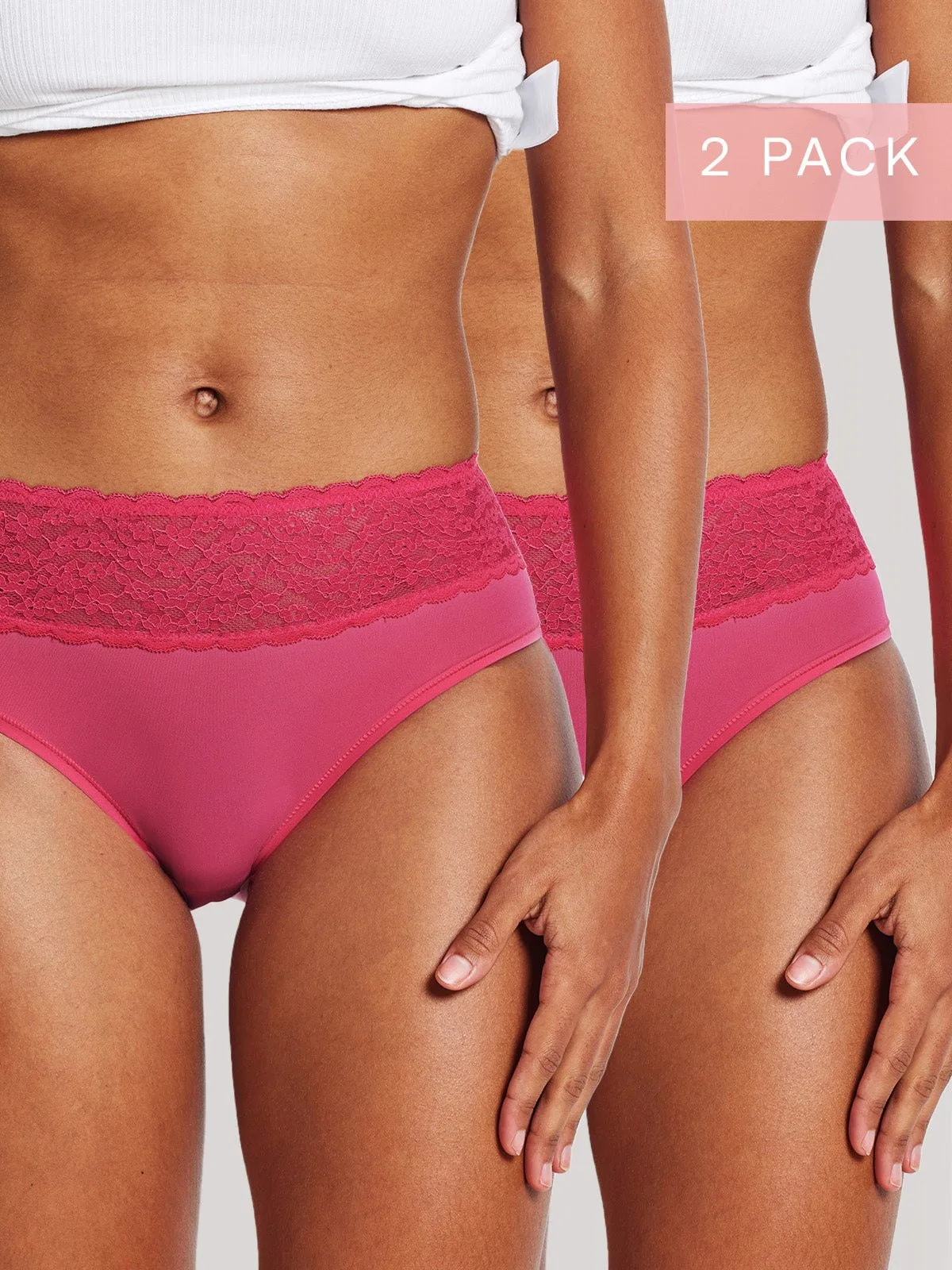
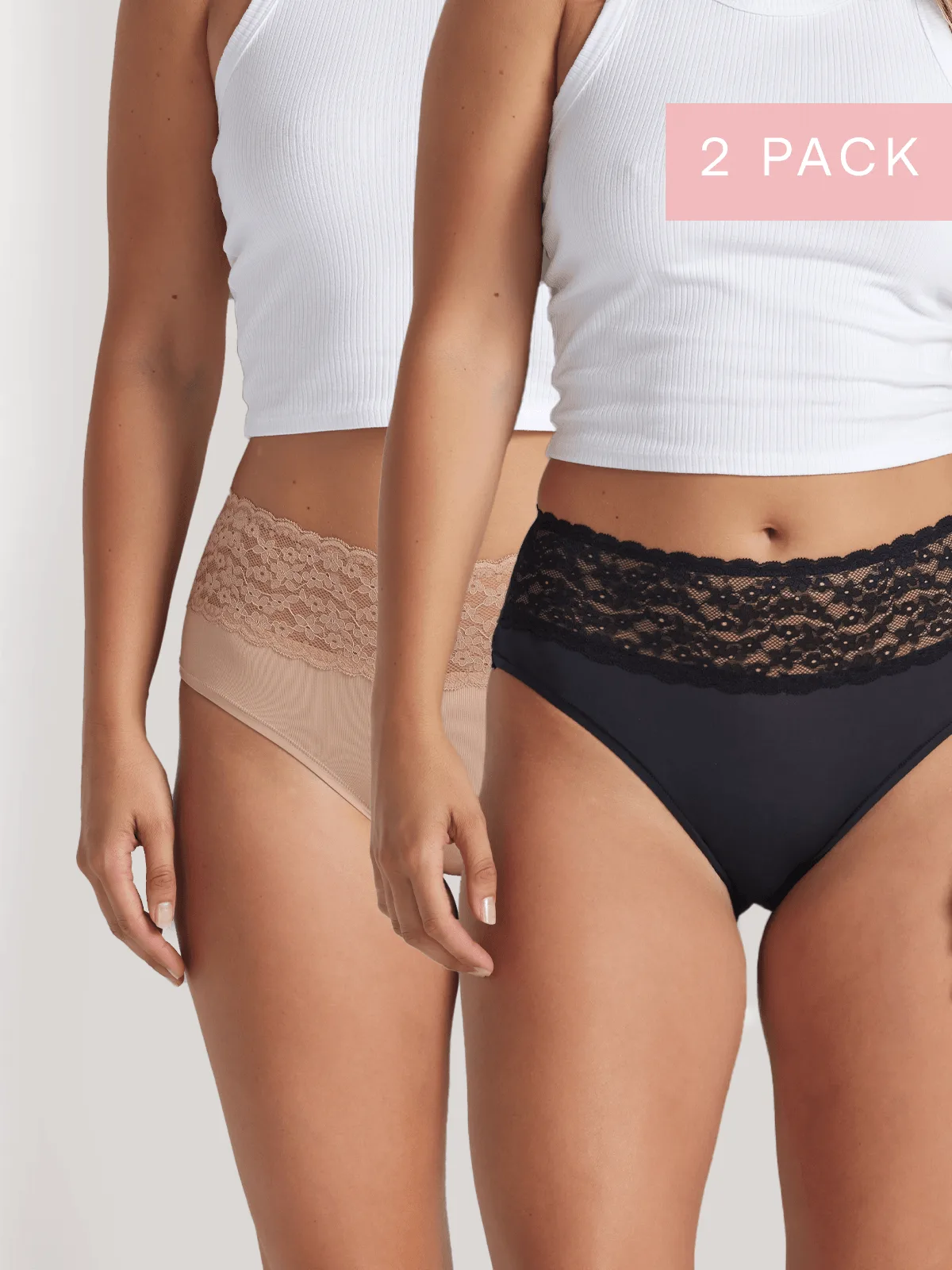
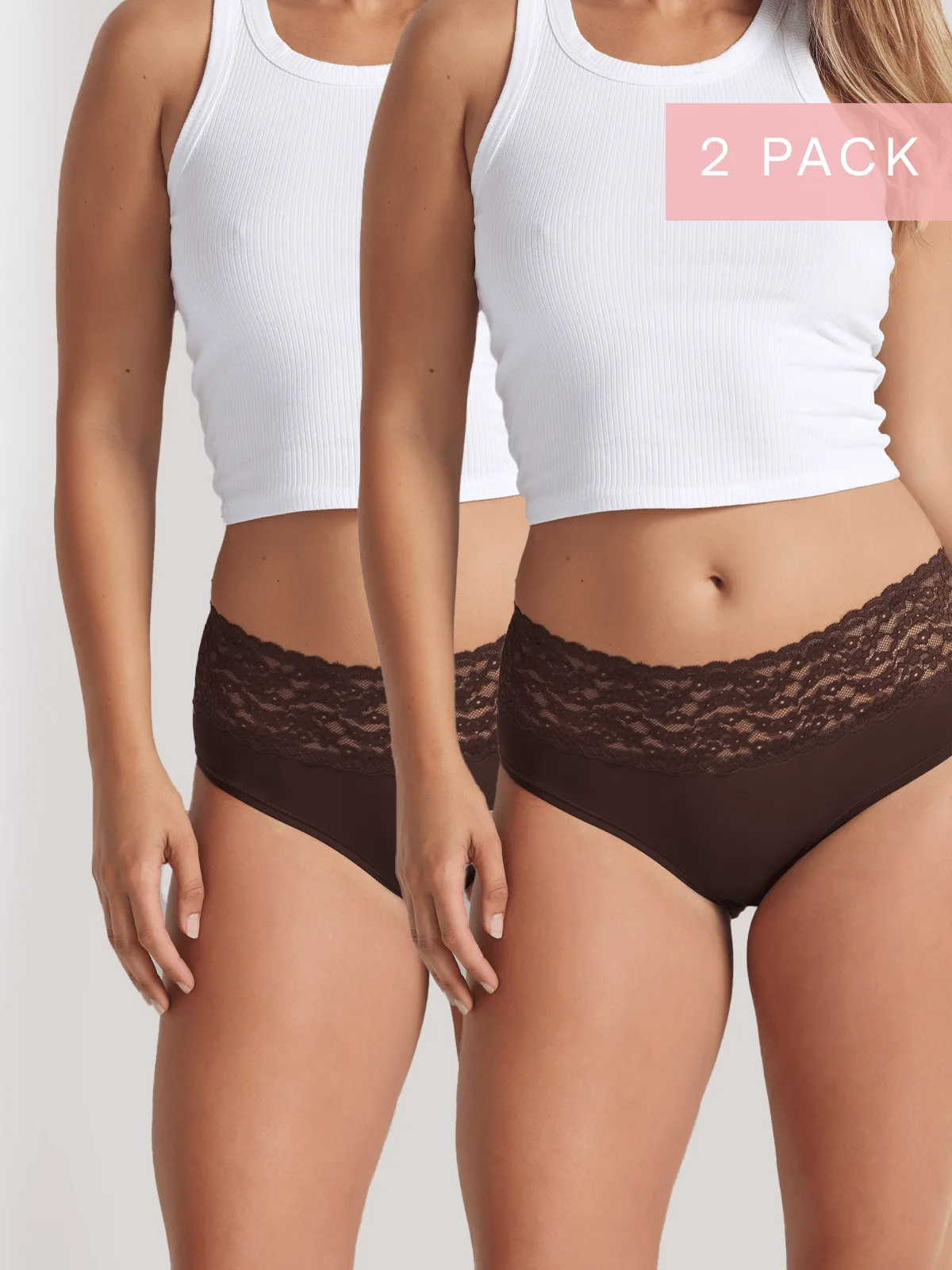
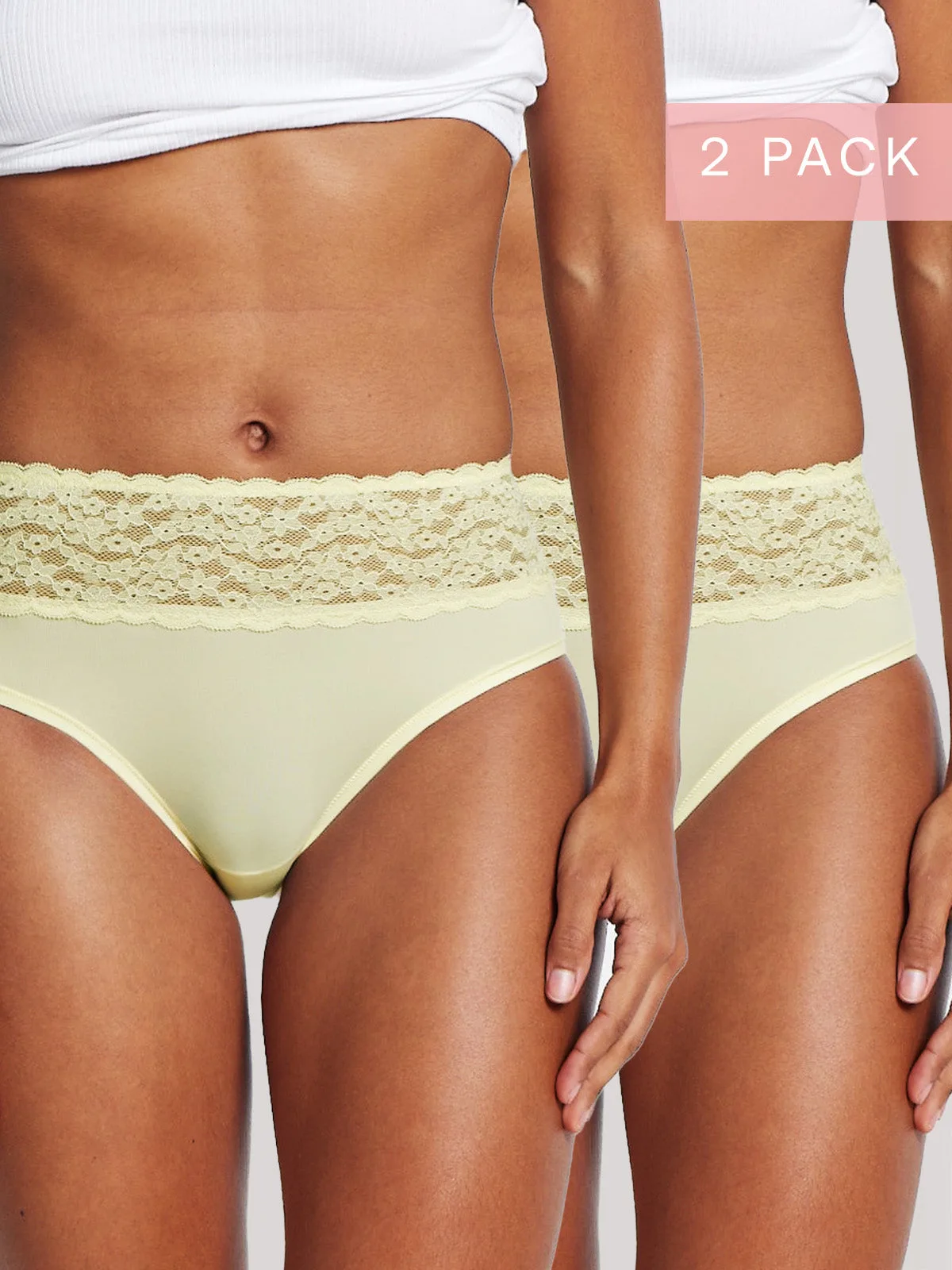
The checks you use for socks, such as measuring your body, reading the size chart, and understanding fabric stretch, apply to knickers and bras too. For example, the https://kayserlingeriepkj.com/products/2-pack-glowlights-hi-rise-lemon-icing-da7b963e9bd15eef8616bd83-1345521https://kayserlingeriepkj.com/products/2-pack-glowlights-hi-rise-hazelnut-black-ed514daa3f49244a8a97a9f1-1345523https://kayserlingeriepkj.com/products/2-pack-glowlights-hi-rise-black-ba721b20bd942e3c02e5072d-1345551https://kayserlingeriepkj.com/products/2-pack-glowlights-hi-rise-fruit-dove-f09d57ffdc345a5d1b6c8b53-13455522 Pack Glowlights Hi Rise uses buttery 4-way stretch microfibre and a wide lace waistband that is designed not to roll or dig. That description tells you the brief will move with you and stay put, which is the same quality you want in a sock cuff.
Similarly, the Comfort Band Lace Trim Mid Rise has a folded wide waistband and a buttery-soft knit, so it sits securely without digging in. When you shop online, treat these fabric and construction details as your fit preview. A product that explains its stretch and waistband behaviour is easier to buy remotely than one that only shows a photo.
- Checkpoint: if a product page does not mention stretch or waistband construction, assume a standard fit and size up if you are between sizes.
- Common mistake: ignoring fabric weight. Lightweight microfibre feels different from cotton jersey, even when the size chart is identical.
Your step-by-step sock buying checklist
- Measure your foot length in centimetres: Stand on paper with your heel to a wall, mark your longest toe, and measure both feet at the end of the day. Checkpoint: if one foot is longer, use that measurement for sizing.
- Compare your measurement to the brand's size chart: Find the size range that includes your foot length. If you are between ranges, size up for crew socks and stay true to size for ankle socks. Common mistake: relying on your shoe size instead of a fresh measurement.
- Choose a cuff height for your shoes: Crew socks suit boots and trousers; ankle socks suit low-cut sneakers. Read the description for heel grip or arch support if you want a secure fit. Checkpoint: hold a sock you own against your leg to confirm the height you prefer.
- Check the fibre blend: Look for a percentage list. Cotton and bamboo breathe; wool insulates; polyester and nylon add durability; 2–5% elastane keeps the sock from sagging. Common mistake: buying 100% cotton for high-sweat activities, where a quick-drying blend works better.
- Read the fit notes like you would for lingerie: Descriptions that mention stretch, waistband behaviour, or heel construction are giving you fit information. Use them to judge how the item will stay in place. If a page does not mention stretch or grip, assume a standard fit and size up when in doubt.
Product facts that show how fit details are described
- 2 Pack Glowlights Hi Rise: The Glowlights Hi-Rise brief in Windsor Wine smooths and supports in all the right places, thanks to buttery 4-way stretch microfibre and a wide lace waistband that won’t roll or dig. This shows how a product description can tell you about stretch and waistband behaviour before you buy, the same way a sock description should mention heel grip and cuff elasticity.
- Comfort Band Lace Trim Mid Rise: The Comfort Band Lace Trim Mid Rise Brief in Blush combines a smooth, supportive fit with a buttery-soft knit feel. The wide comfort waistband sits securely at the waist without digging in. A wide, folded waistband is a fit feature you can look for in socks too, because it distributes pressure instead of creating a tight line.
Choosing socks online comes down to three checks: measure your foot, match the cuff to your shoes, and read the fibre blend. Do those before you buy, and you will avoid the guesswork that leads to returns. The same habit of reading fit details works for any stretch garment, from socks to the knickers in your drawer.