Quick answer
Buy one cover-up, not three. Choose a lightweight, quick-dry fabric with a loose cut that slips over damp swimwear and doubles as a lunch or boardwalk layer, then pack it in the same pouch as your suit. If you are also bringing a one-piece or bikini, match the cover-up length to that suit's coverage so you never need a second layer.
Start with the fabric, because fabric decides pack size
The single biggest driver of whether a cover-up earns its space is how it behaves when wet and folded. Thin woven gauze, crinkle cotton, and fine-knit mesh flatten into a small square and dry fast in sun or wind. Terry cloth and heavy French terry absorb water, stay damp for hours, and take up the room of two shirts. If you want a cover up that packs small, treat absorbency as the dealbreaker, not the print.
Stretch matters too. A little elastane helps a cover-up pull on over damp skin without tugging, while a rigid fabric can feel stiff and slow to dry. If a product page does not list fabric content or dry time, that is a genuine limitation: you cannot verify pack size from a photo, so favor styles whose material is named.
Match the cover-up to the swimsuit you actually packed
Coverage should complement your suit, not duplicate it. A one-piece already covers the torso, so a short tunic or a tie-front shirt is enough. A bikini leaves more skin exposed, which is where a longer shirt, a sarong, or a kimono-style layer does more work. This is also how you avoid packing a second cover-up: one piece that suits your main swimsuit handles the whole trip.
Color is a practical choice here, not just a style one. A cover-up that shares a tone with your suit photographs as one outfit and hides water spots better than a stark white layer over a dark suit. If you plan to wear the cover-up to lunch, pick a style that reads as clothing rather than pool gear.
Use the packing rule: one cover-up per three beach days
For a week-long beach vacation, two cover-ups is the practical ceiling: one quick-dry layer for the sand and one slightly dressier option for meals. Anything more competes with swimwear for space. Roll cover-ups instead of folding them flat, and store them in the same pouch as your suits so the whole beach kit comes out in one motion.
If you are flying carry-on only, weigh the cover-up against a second swimsuit. A swimsuit you can rinse and dry overnight is usually a better use of space than a third cover-up, because the cover-up can be worn twice between washes while a wet suit cannot.
Check these fit points before you buy
Length, arm opening, and bust room decide whether a cover-up works over damp swimwear. A cover-up that fits snugly when dry will fight you when it is wet, so size for the loosest layer you will wear underneath. If you are between sizes and the fabric has little stretch, size up.
Sleeve and hem length also affect how the piece packs. Long, wide sleeves and floor-length hems look dramatic but fold into a bulkier bundle. If pack size is your priority, a shorter hem and a narrower sleeve win.
Decision rules for packing one cover-up
- Rule 1: Fabric beats print: Choose thin gauze, crinkle cotton, or fine mesh over terry cloth. Absorbent fabrics stay damp and take up more room than a second swimsuit. If the fabric is not named, assume it packs larger than you hope.
- Rule 2: One cover-up per three beach days: A week-long trip needs two at most: one quick-dry sand layer and one that works for meals. Roll them and store them with your swimwear. A second swimsuit usually earns space before a third cover-up.
- Rule 3: Match coverage to your suit: A one-piece needs only a short cover-up; a bikini benefits from a longer tunic or kimono. This is how you avoid packing a second layer. Pick the cover-up after you pick the swimsuit, not before.
- Rule 4: Size for the damp fit: A cover-up that fits snugly dry will cling when wet. If the fabric has little stretch and you are between sizes, size up. Check length, sleeve opening, and bust room before you commit.
Grounded product facts to compare
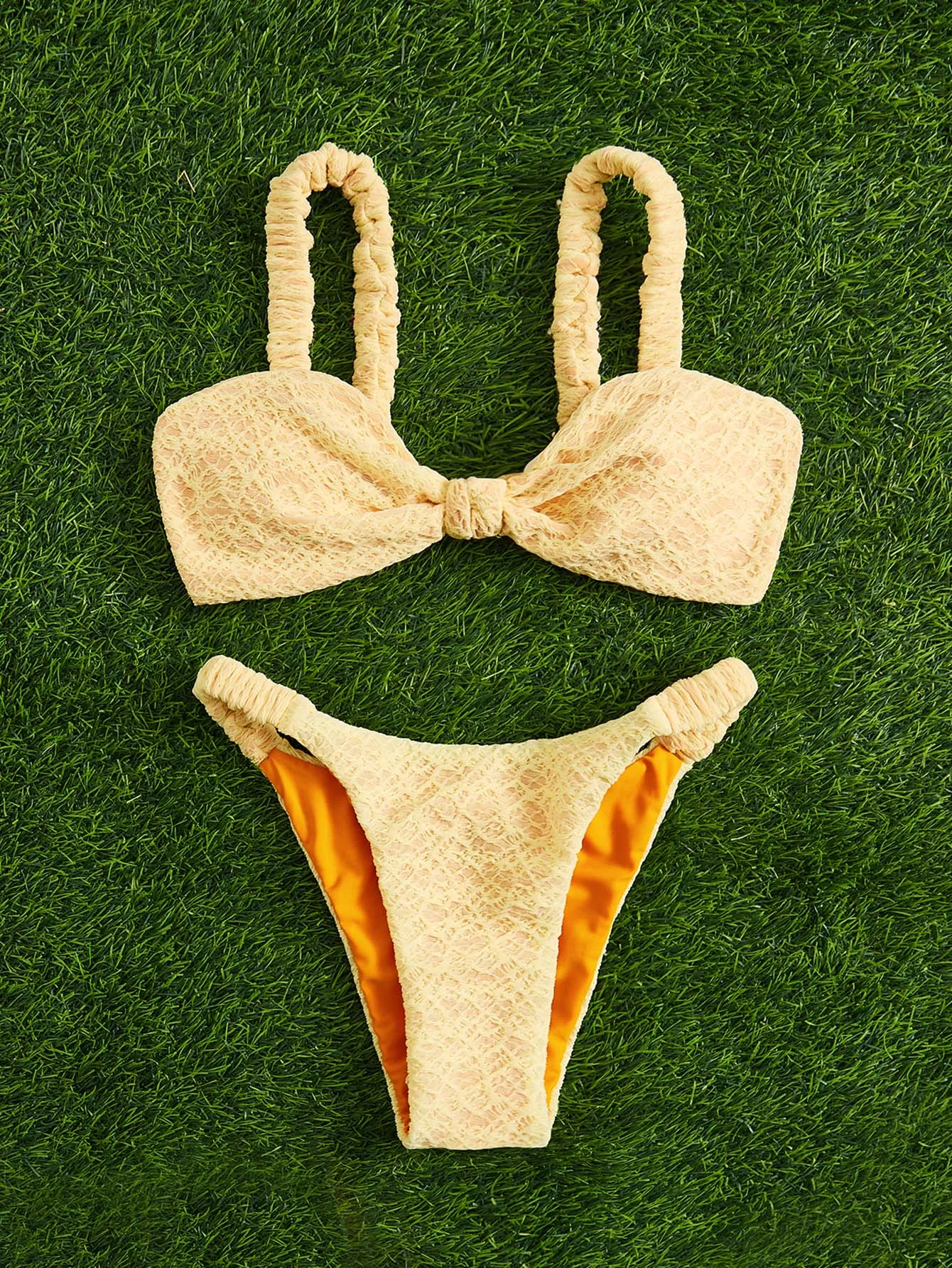
- Jetsetter Bikini: Jetsetter Bikini is sold in US sizes S, M, and L, with a bikini bottom length of 9.1 in (S) to 9.8 in (L) and a top bust of 27.6 in (S) to 31.1 in (L). A two-piece leaves more skin exposed, so pair it with a longer cover-up layer rather than a short tunic if you want full coverage between the sand and lunch.
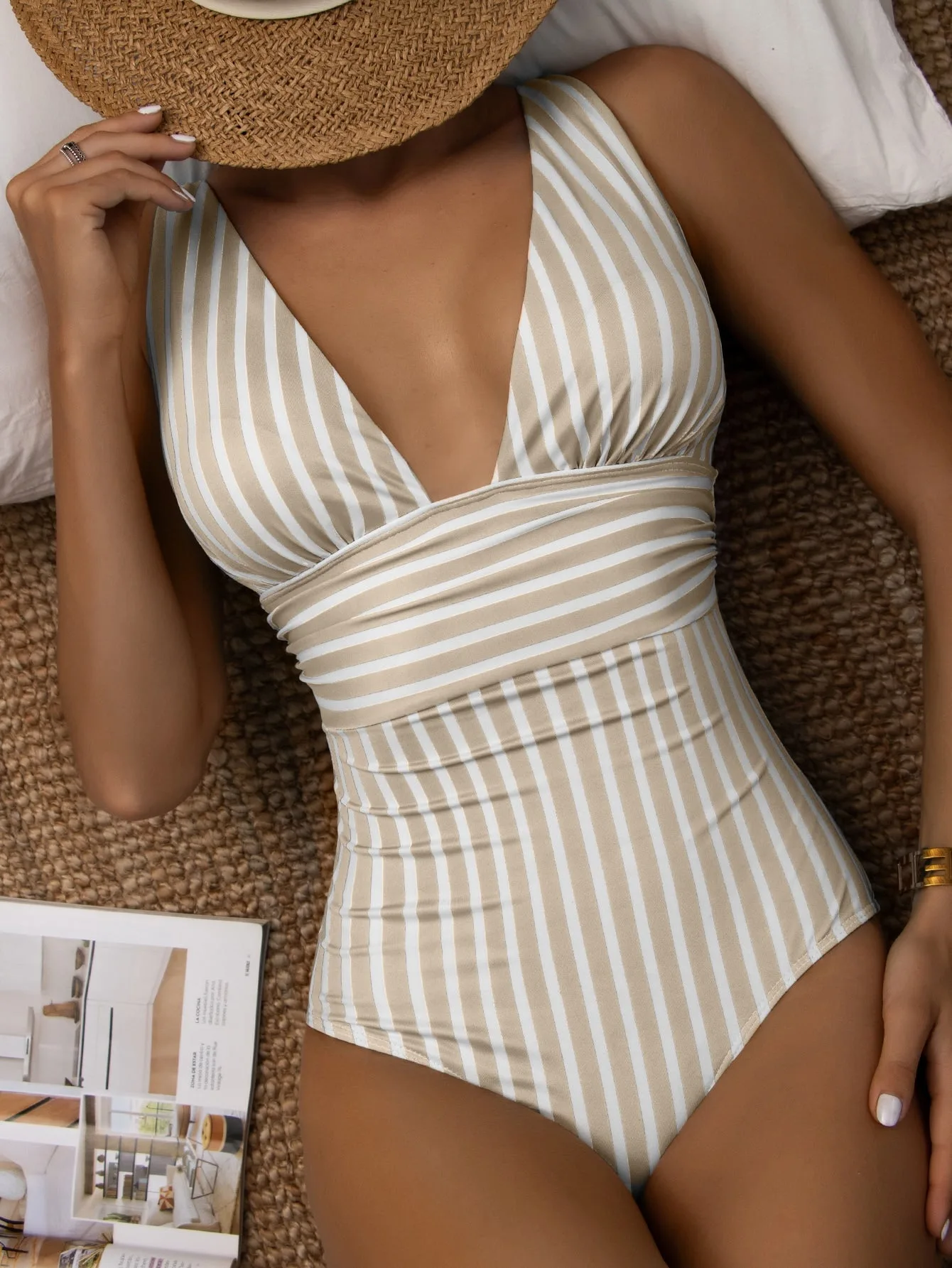
- Ocean Days One Piece: Ocean Days One Piece is available in US sizes S, M, L, and XL, in multiple colors, with a bust range of 34.6 in (S) to 39.4 in (XL) and a length of 27.6 in (S) to 29.9 in (XL). A one-piece already covers the torso, so a short cover-up is enough and takes less space in your bag than a full-length layer.
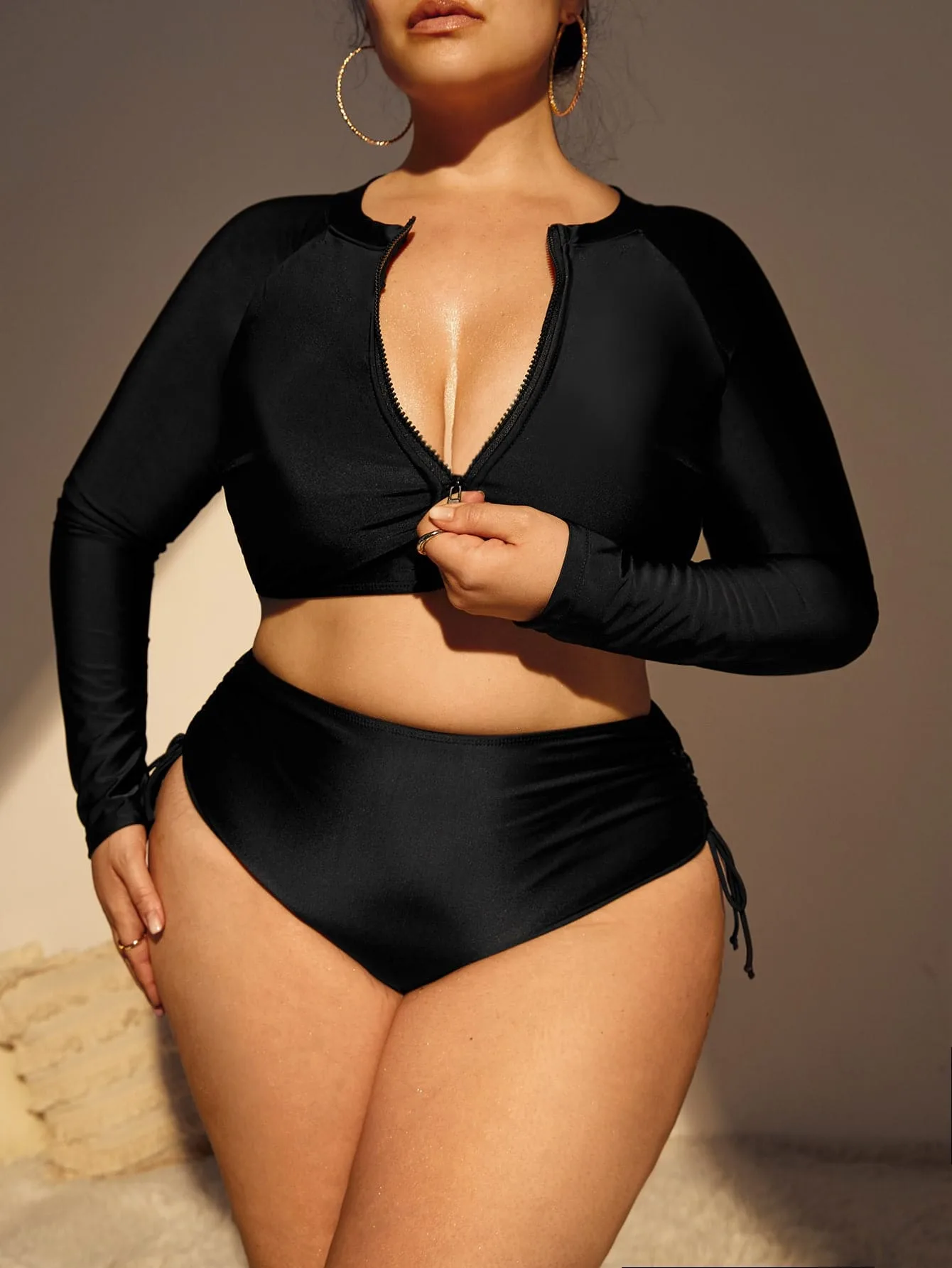
- Seas The Day: Seas The Day is offered in sizes 0XL through 4XL, with a bust of 35.4 in to 44.9 in, an underbust range of 28.3-43.3 in to 37.8-52.8 in, and a top length of 14.4 in to 16.7 in. The extended size run and adjustable underbust range make this a workable cover-up layer for swimmers who need more room through the bust without sizing up the whole piece.
Who should buy which cover-up
Best for
- Carry-on travelers who want one layer that works over damp swimwear and at lunch
- Swimmers pairing a bikini with a longer tunic or kimono for fuller coverage
- Anyone who wants a quick-dry layer instead of a heavy terry wrap
Not for
- Travelers who want a plush, absorbent robe for lounging after a shower, since terry packs larger and dries slowly
- Shoppers who need a structured, opaque outfit rather than a light beach layer
- Anyone unwilling to check fabric content, because pack size cannot be judged from a photo alone