Quick answer
Start with one tea you can brew without thinking, then add a second only after you know what you like. Choose loose leaf when you want control over strength and flavor, and choose bags or instant when convenience matters more. Buy small amounts first, and let your routine, not a label, decide what you keep.
Most tea advice starts with history or ceremony. That is not helpful when you are standing in a store or scrolling a product page trying to pick something you will actually drink tomorrow morning. The real question is simpler: what will you brew, how often, and with what equipment?
This guide gives you decision rules instead of a long list. You will learn how to choose tea by matching it to your taste, your brewing setup, and your daily schedule. We will also cover the trade-offs between loose leaf and convenient formats, and when a coffee roaster's tea selection makes sense for a beginner.
Start With Your Taste, Not the Tea Aisle
Before you read a single label, think about what you already enjoy. If you like dark chocolate and roasted flavors, you will probably prefer black or heavily oxidized teas. If you drink green juice or enjoy fresh herbs, green tea will feel more natural. If you like floral or fruity notes, look at oolong or lighter teas. This is the fastest way to narrow a huge category down to two or three options.
Do not try to like a tea because it is famous. A tea that is popular with enthusiasts may taste bitter or grassy to you, and that is useful information, not failure. Buy the smallest size available, brew it once or twice, and write down one sentence about what you tasted. That note is worth more than any ranking.
- If you add milk or sweetener, start with a black tea; it holds up better than delicate greens.
- If you drink tea plain, try a green or oolong first to taste the leaf itself.
- If you want caffeine-free evenings, look for decaf or herbal options rather than forcing a late cup of black tea.
Loose Leaf vs Bags vs Instant: The Real Trade-Off
Loose leaf tea gives you control. You decide how much leaf to use, how long to steep, and how strong the cup gets. That control is why loose leaf tea guide advice usually starts with a scale and a strainer. The trade-off is time and cleanup. You need a way to strain the leaves, and you need to pay attention for the first few brews so you do not over-steep.
Bags and instant formats remove almost all of that work. You get a consistent cup with no measuring and no cleanup beyond throwing away the bag or packet. The trade-off is less control over strength and often less complexity in the cup. Neither format is better in general. The right choice depends on whether you want a project or a habit.
- Choose loose leaf if you enjoy adjusting variables and want the widest range of flavors.
- Choose bags or instant if you brew at a desk, on a train, or in the two minutes between meetings.
- You can do both: keep loose leaf for weekends and a convenient format for weekdays.
How to Read a Tea Label Without Overthinking It
A useful tea label tells you three things: what the tea is, where it came from, and how to brew it. Origin matters because growing conditions shape flavor, just as they do with coffee. A high-elevation tea from a specific region will usually cost more and taste more distinctive than a generic blend. That is not always what you want, but it should be a conscious choice.
Brewing instructions are the most practical part of the label. If a package gives a temperature and a time, follow it for the first cup. Then adjust one variable at a time. If the tea tastes bitter, shorten the time or lower the temperature. If it tastes weak, add more leaf rather than steeping longer, because longer steeping pulls out bitterness faster than flavor.
- Look for a harvest or production date when available; fresher tea usually tastes more vivid.
- Ignore vague words like premium or artisan unless the label also gives origin and brewing guidance.
- If the label gives no brewing advice, start with water just off a boil and steep for two to three minutes, then adjust.
Build a Small Starter Set Instead of a Collection
A beginner tea guide should protect you from buying ten teas at once. You cannot learn what you like if you open too many packages before you finish them. A better approach is a three-tea starter set: one black or dark tea, one green or light tea, and one caffeine-free option for evenings. That covers most moods and gives you a clear comparison.
Buy the smallest package size for each. If a tea disappears quickly, buy it again in a larger size. If it sits untouched for a month, you learned something without wasting much money. This is the same logic coffee drinkers use when they try a new single origin before committing to a full bag.
- One dark or black tea for mornings and milk-friendly cups.
- One green or oolong tea for afternoons when you want something lighter.
- One caffeine-free tea for evenings so you are not stuck drinking water.
Equipment You Actually Need (and What Can Wait)
You do not need a full tea setup to start. You need a way to heat water, a way to strain leaves if you go loose leaf, and a cup. A simple infuser basket or a small teapot with a built-in strainer covers most loose leaf brewing. A kitchen scale helps you measure leaf consistently, but a teaspoon works fine for your first few cups.
What can wait: dedicated temperature-controlled kettles, multiple teapots, and a shelf of matching cups. Add those only if you find yourself brewing daily and wanting more control. If you already own a coffee scale and a kettle from your coffee routine, you are better equipped than you think. The skills transfer directly.
- A fine-mesh strainer or infuser basket is the one loose leaf purchase worth making early.
- If you already have a coffee scale, use it for tea too; consistency beats guesswork.
- Skip the temperature-controlled kettle until you notice a specific tea tasting bitter at full boil.
Where Coffee Roasters Fit Into Your Tea Buying
A coffee roaster that also sells tea is not a random place to shop. Roasters already source, taste, and ship perishable products with care, and those habits usually carry over to tea. The practical benefit for a beginner is that you can buy tea and coffee from the same order, which makes it easier to keep both fresh and to compare how you brew each one.
The trade-off is selection. A roaster's tea list will be smaller than a dedicated tea shop's, so you may not find a rare oolong or a specific vintage. What you will usually find is a focused set of approachable options. For a beginner, that is often better than a wall of choices. Start there, and branch out once you know your preferences.
- Order tea alongside coffee to consolidate shipping and keep your pantry stocked in one delivery.
- Ask which teas the roaster drinks personally; staff picks are usually the most approachable.
- If you need a very specific tea style, a dedicated tea vendor may still be the better source.
Decision rules for your first tea purchase
- Rule 1: Match the tea to your brewing time: If you have five uninterrupted minutes in the morning, loose leaf is realistic. If you brew while walking out the door, choose bags or instant. The best tea is the one you will actually make. Checkpoint: can you name the exact moment tomorrow when you will brew this tea? If not, pick the easier format.
- Rule 2: Buy the smallest size that still makes sense: A small package lets you test a tea without committing. If you finish it and want more, size up next time. If it lasts two months untouched, you saved money by not buying a large bag. Checkpoint: your first order should include no more than three different teas.
- Rule 3: Change one variable at a time: When a cup tastes wrong, adjust only leaf amount, water temperature, or steep time. Changing all three at once makes it impossible to learn what worked. This is the same discipline coffee brewers use when dialing in a new bean. Checkpoint: keep a two-line note for each tea so you remember what you changed.
- Rule 4: Let your routine pick the winner: After two weeks, look at which tea you reached for most often. That is your starting tea, regardless of what any guide says. Buy more of it and use it as the baseline for your next experiment. Checkpoint: one tea should be running low before you buy a fourth.
Product facts that help you decide
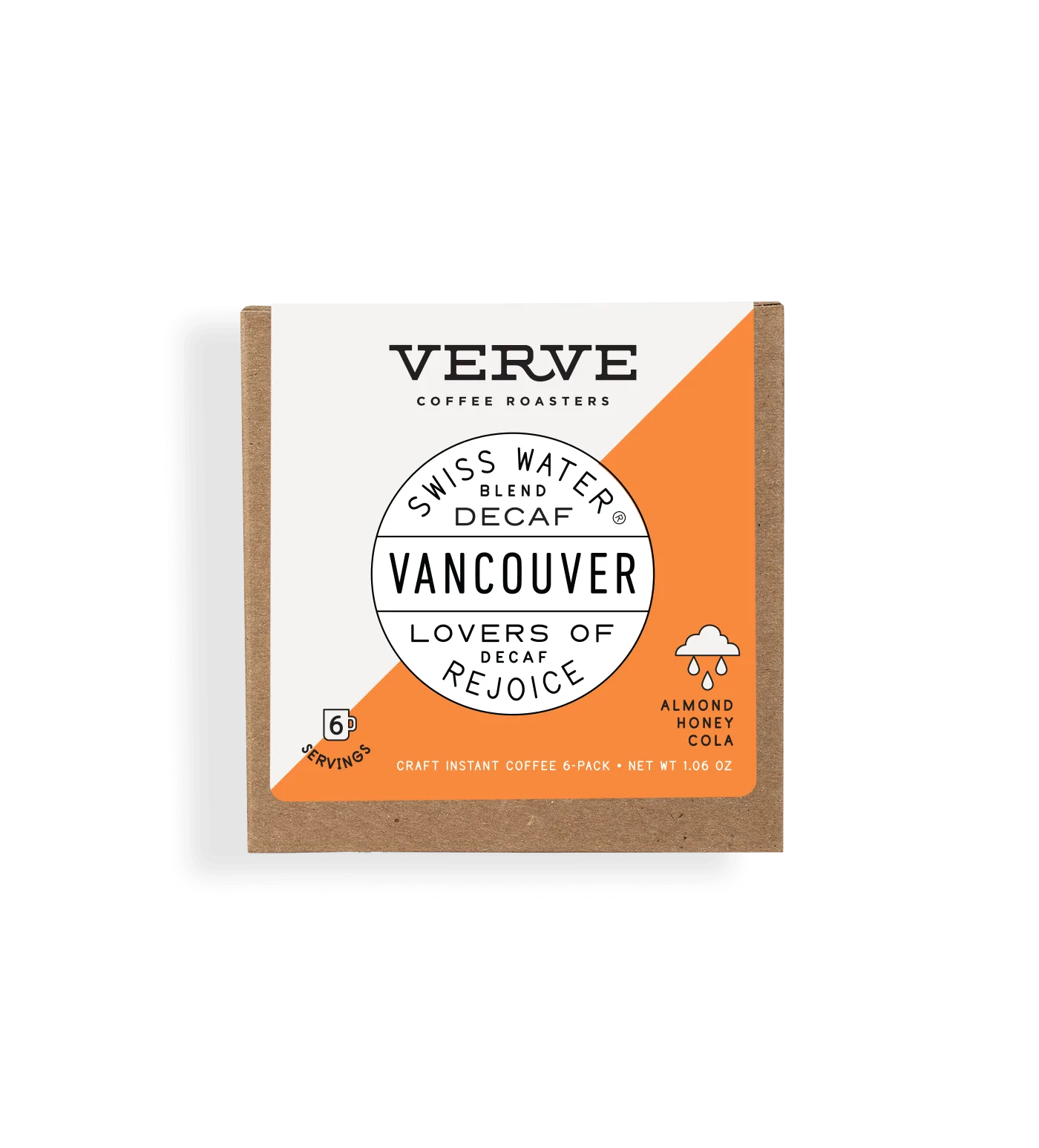
- Vancouver Decaf Craft Instant Coffee 6 Pack: Hand-roasted, small-batch brewed, and preserved for travel; tasting notes include almond, honey, and cola, with caramel sweetness and a honey-like mouthfeel. If you want a caffeine-free evening cup with no brewing equipment, this is the most convenient format in the catalog. It also shows how a roaster approaches decaf, which matters if you are comparing tea and coffee routines.
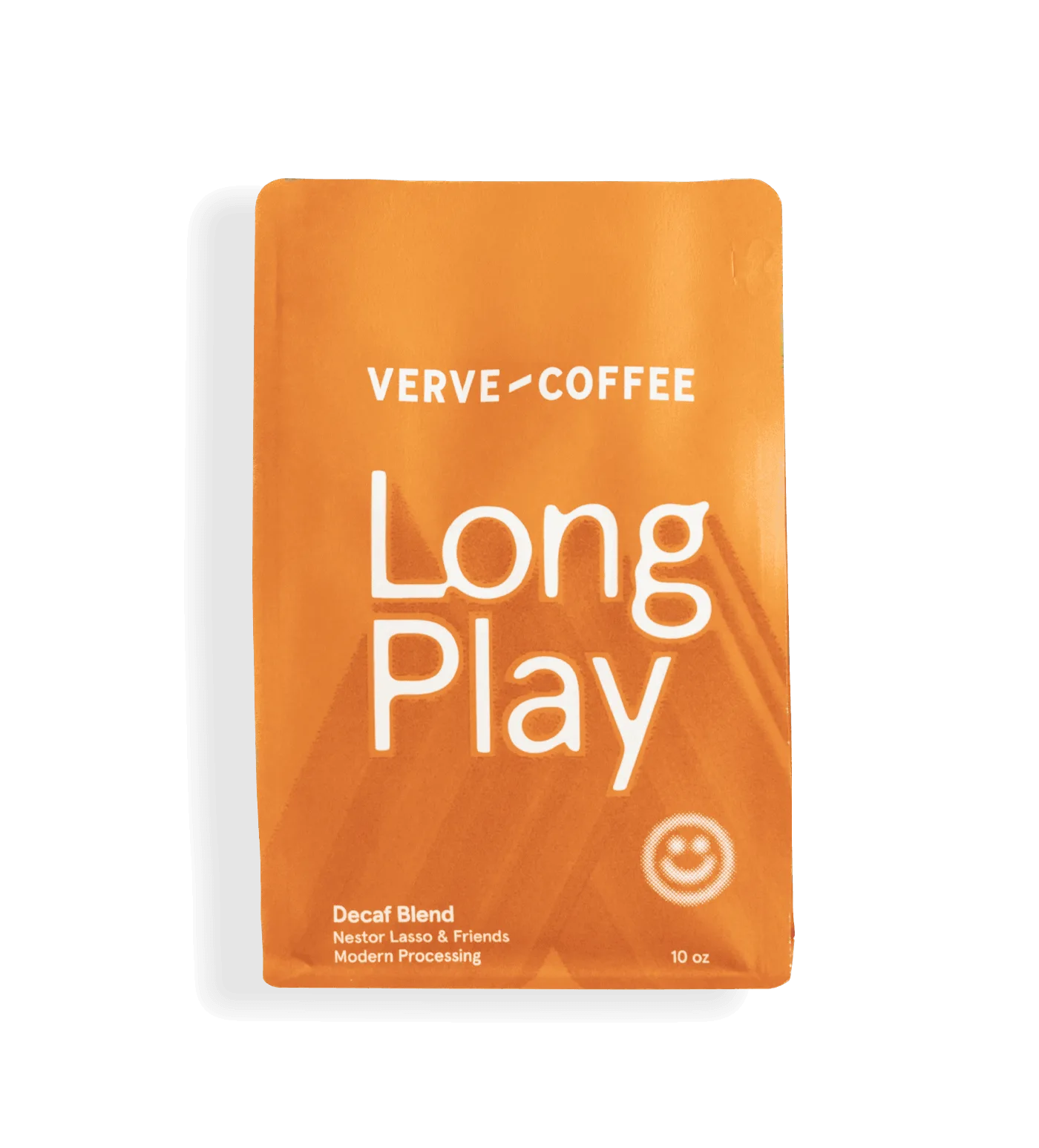
- Long Play Decaf: Sourced from high-elevation regions in Huila and Cauca, decaffeinated using the natural Sugar Cane process, retaining sweetness and aromatic complexity. A useful reference point if you are choosing between a full loose leaf setup and a low-effort decaf option. It shows that decaf can still be a thoughtful product rather than an afterthought.
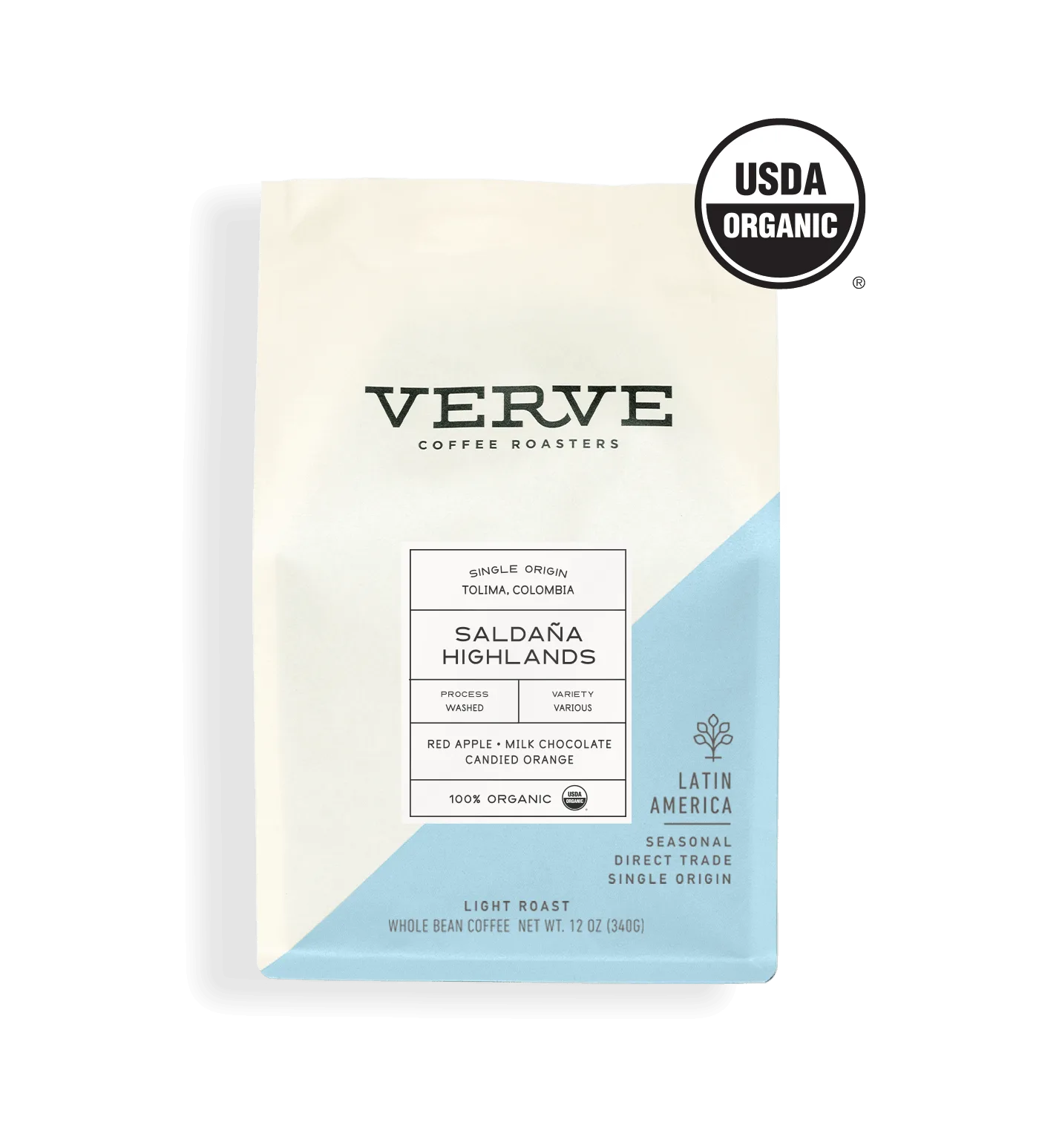
- Colombia Saldaña Highlands: Grown between 1,700 and 2,000 meters in Tolima, washed and hand-picked, with balanced sweetness and bright acidity. Roasted to order, ships within 2 business days. This is the coffee-side example of why origin and processing details belong on a label. Apply the same standard when you read a tea label: look for origin, method, and a fresh production date.
Who this approach fits
Best for
- Beginners who want a simple, repeatable way to choose tea without studying for weeks
- Coffee drinkers who already own a scale and kettle and want to add tea to the same routine
- Shoppers who prefer buying small amounts and adjusting based on what they actually drink
Not for
- Collectors looking for rare vintages or a specific regional tea that requires a dedicated vendor
- Buyers who want a single set of rules that works for every tea style without any personal testing
- Anyone unwilling to brew a test cup and adjust timing or leaf amount
Choosing tea gets easy once you stop treating it as a test. Pick one tea that fits your morning, brew it a few times, and adjust one thing at a time. Add a second tea only when the first one runs low. That slow loop teaches you more than any label, and it keeps your shelf from filling up with teas you never finish.