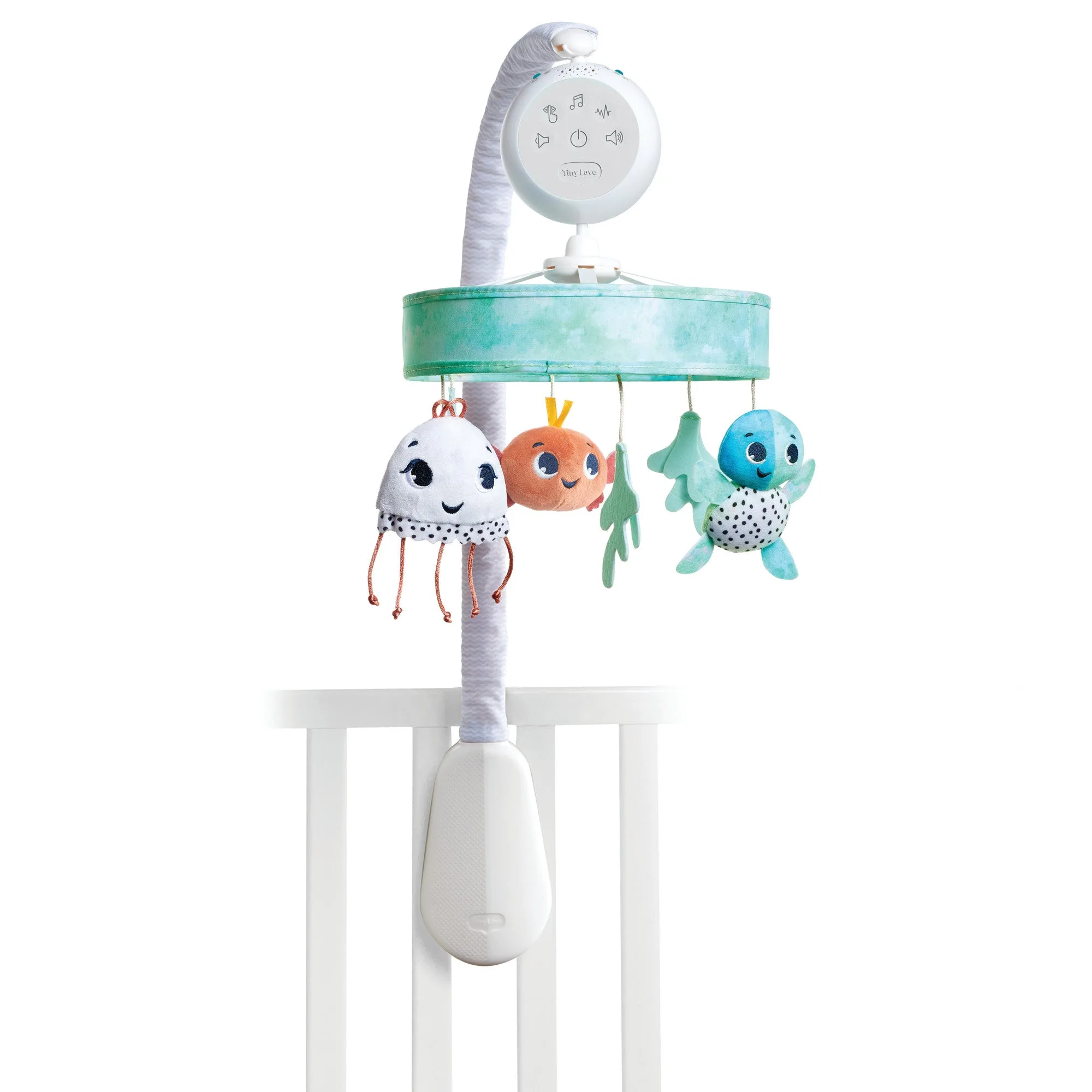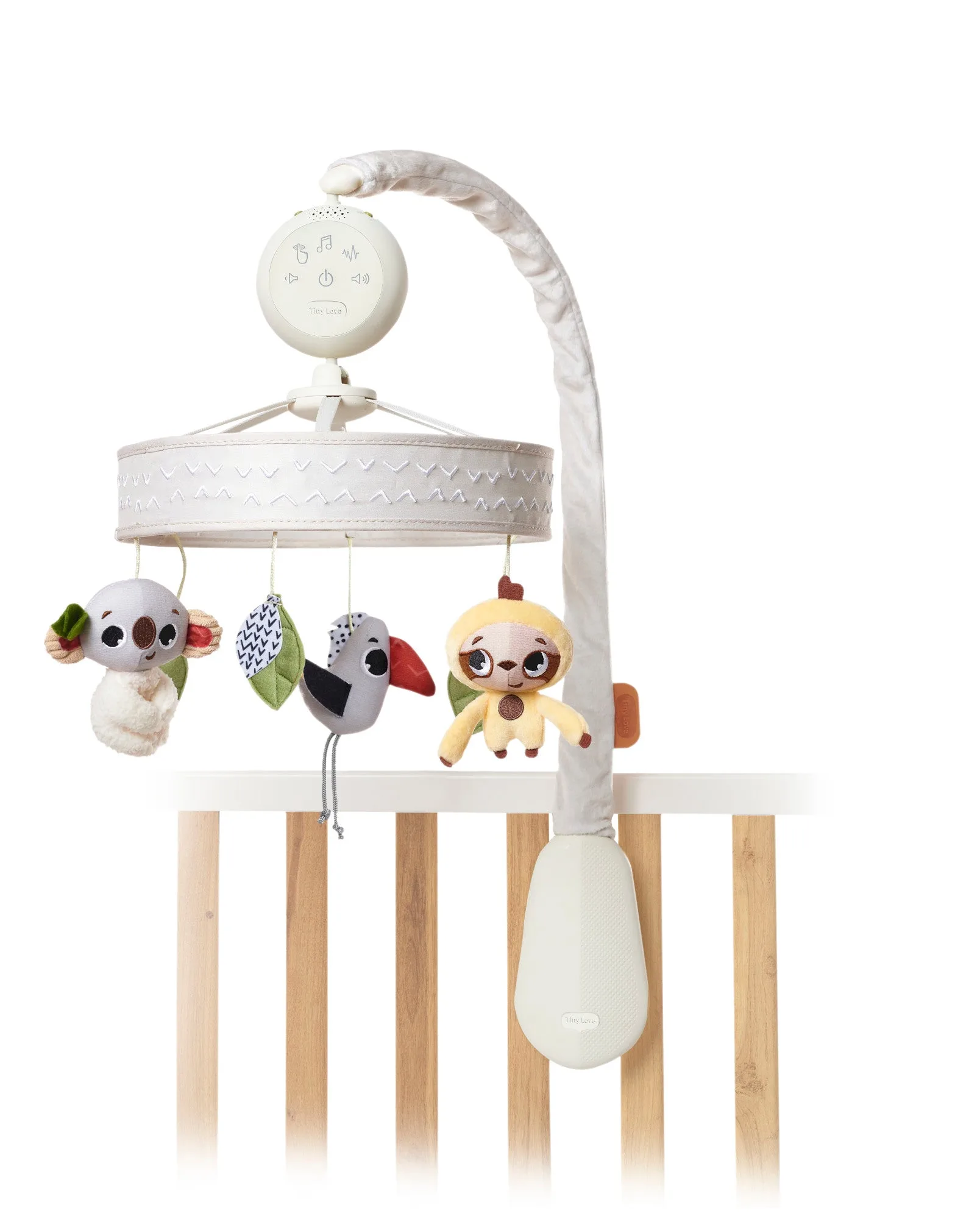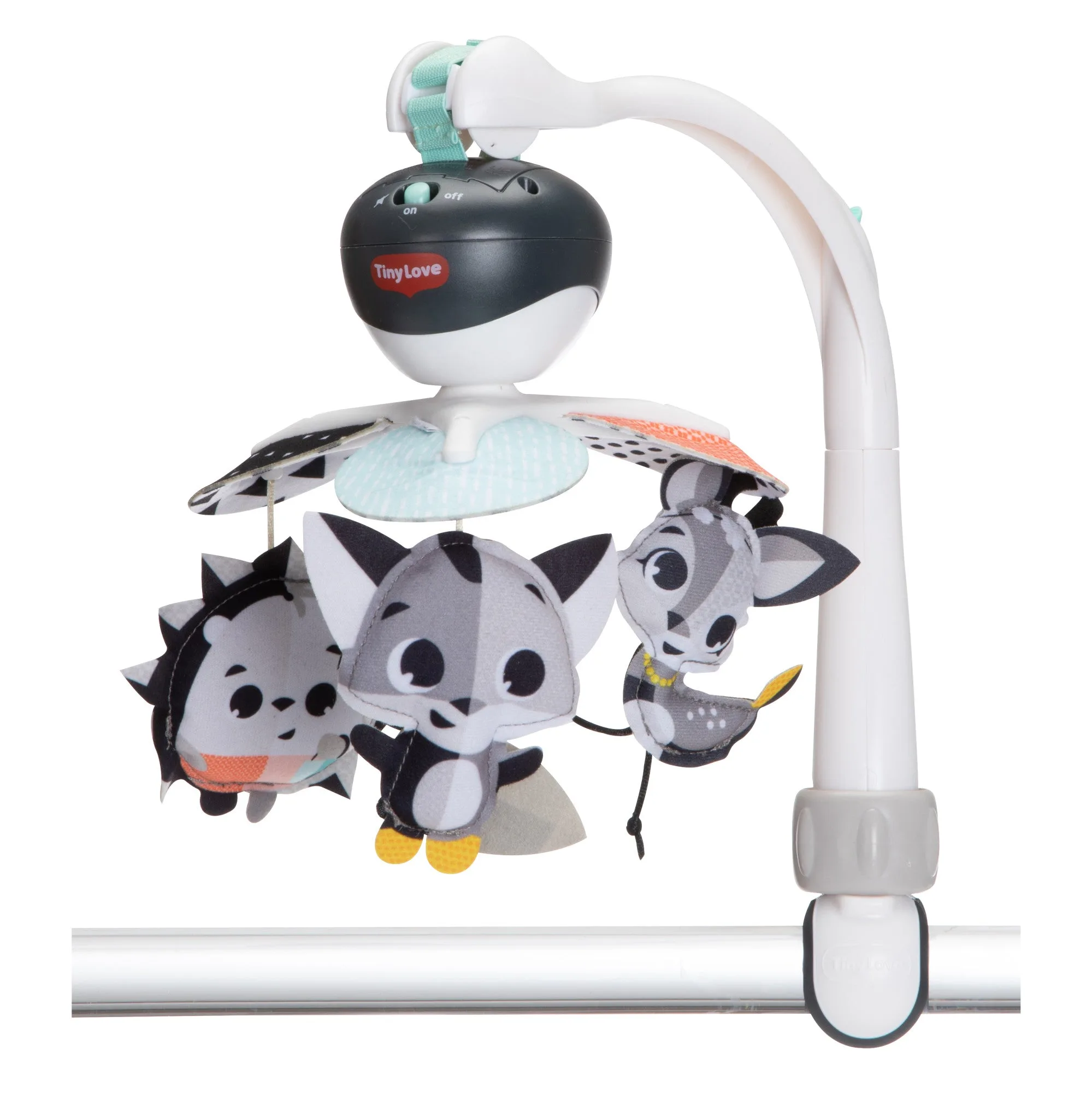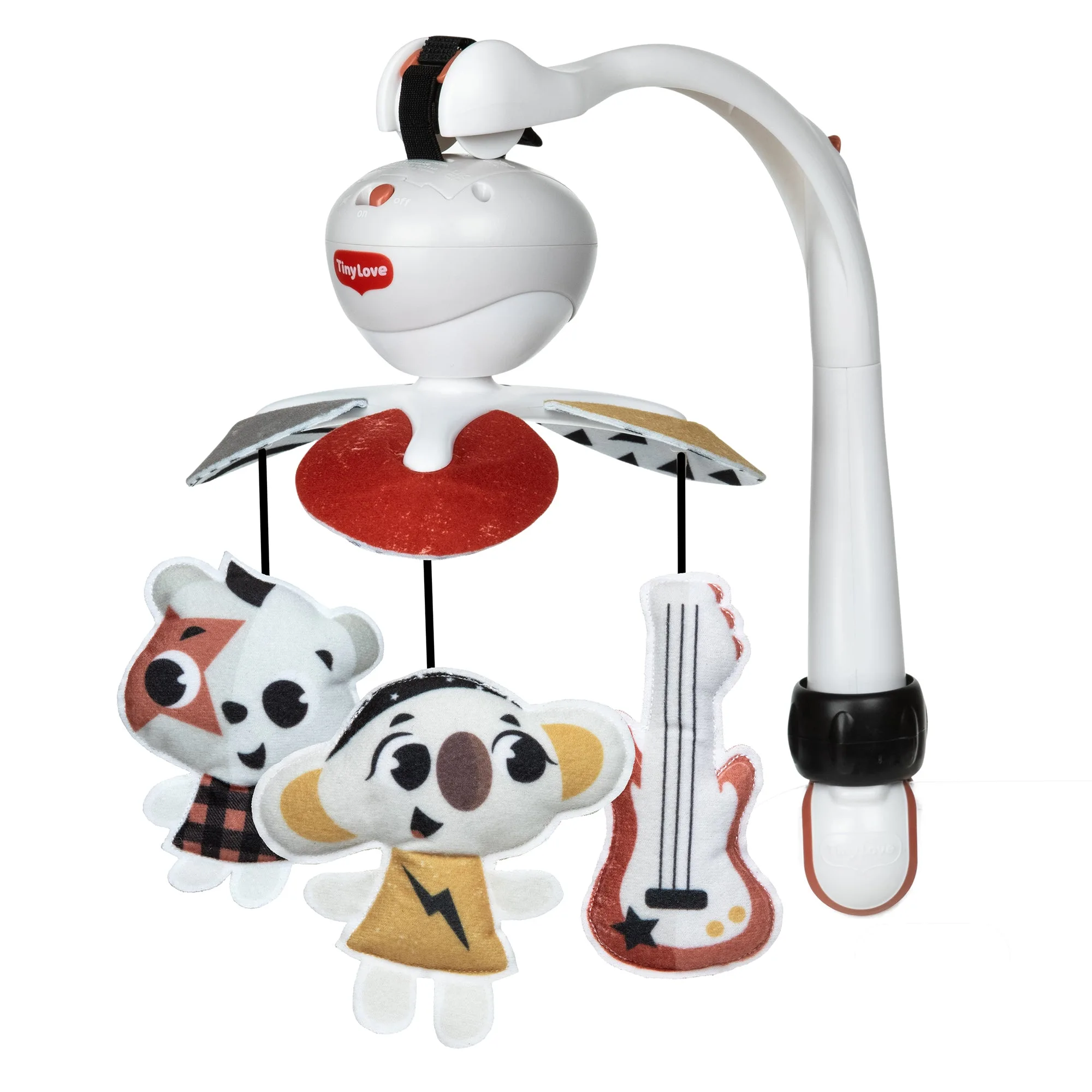
A baby mobile is often one of the first toys a newborn sees. It can encourage visual tracking, soothe a fussy baby, or provide entertainment on the go. But with so many options—soother mobiles, musical mobiles, take-along mobiles—it's easy to feel overwhelmed when choosing baby mobile that truly fits your lifestyle.
This guide breaks down the main baby mobile types by their primary function, age range, and where they work best. By the end, you'll know exactly which style matches your baby's developmental stage and your daily routine.
Soother Mobiles: For Sleep and Calm
A soother mobile is designed primarily to help your baby relax and fall asleep. These mobiles often include features like gentle rotation, soft lullabies, and a projector that casts calming images on the ceiling. The movement is slow and repetitive, which can mimic the rhythmic sensations babies experience in the womb.
Soother mobiles are best for newborns up to about 5 months, before your baby starts reaching and grabbing. They work best when mounted securely to a crib or bassinet. Keep in mind that once your baby can push up on their hands or sit independently, a soother mobile should be removed from the crib for safety. If your goal is better sleep and a wind-down routine, a soother mobile is a strong choice.
- Look for a mobile with adjustable volume and a timer so it can run for 15–30 minutes and then turn off automatically.
Musical Mobiles: Stimulating Hearing and Visual Tracking
Musical mobiles combine sound and motion to engage your baby's developing senses. Unlike a soother mobile that focuses on sleep, a musical mobile often has more varied melodies, brighter colors, and slightly faster rotation. This makes it ideal for awake time play, encouraging your baby to follow the moving objects with their eyes and ears.
The https://tinylovecg.com/products/luxe-musical-mobile-91756Luxe Musical Mobile is a great example of this category. It plays a selection of classical tunes while softly rotating, helping your baby practice visual tracking and auditory discrimination. Musical mobiles can be used from birth until your baby starts sitting up. They work well in a nursery or play area, not just over the crib. If you want a mobile that doubles as a daytime developmental tool, a musical mobile offers the best balance of entertainment and learning.
- Position the mobile about 12–16 inches above your baby's line of sight for optimal visual engagement.
Take-Along Mobiles: Developmental Play Anywhere
A take-along mobile is designed for mobility. It attaches to a stroller, car seat, or baby bouncer, bringing developmental benefits outside the nursery. These mobiles are typically lightweight, compact, and feature high-contrast patterns or soft toys that stimulate visual tracking during walks or car rides.
Products like the Meadow Days Take Along Mobile and the Magical Tales Take Along Mobile are excellent examples. They clip easily onto stroller canopies or car seat handles and can be repositioned as your baby grows. Take-along mobiles are suitable from birth to around 6 months, when your baby starts showing more interest in grabbing objects. The key trade-off is that they usually don't play music or have a power source—they rely on your movement to create gentle motion. If you're often on the go and want to turn travel time into learning time, a take-along mobile is a practical, space-saving choice.
- Check that the mobile attaches securely and doesn't dangle within your baby's reach while in a moving stroller or car seat.
How to Match a Mobile to Your Baby's Age and Needs
Newborns (0–3 months) benefit most from high-contrast, black-and-white patterns and slow, gentle motion. A soother mobile or a take-along mobile with simple shapes works well at this stage. Around 3–6 months, babies become more interested in color, sound, and cause-and-effect. A musical mobile like the Luxe Musical Mobile can hold their attention longer and encourage reaching.
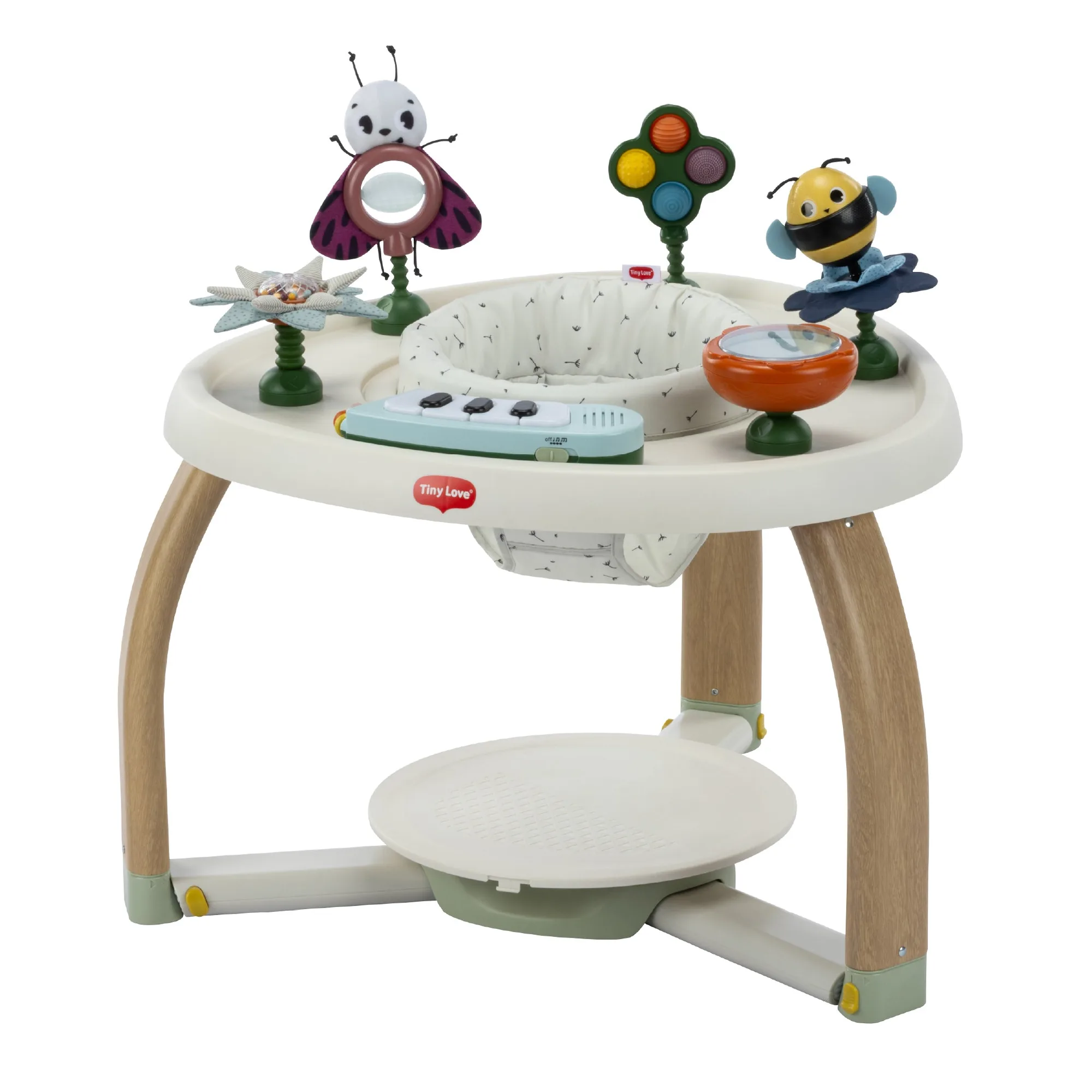
Once your baby can sit up or grab objects, it's time to transition away from mobiles over the crib and toward floor-based toys like activity centers or shape sorters. The Tiny Bugs 5-in-1 Here I Grow Stationary Activity Center offers a safe, engaging next step. Remember that no mobile should be used as a substitute for supervised tummy time or interactive play. The best developmental mobile is one that complements your baby's current milestone without becoming a distraction from human interaction.
- Always follow the manufacturer's weight and age guidelines, and remove mobiles from the crib as soon as your baby can push up on all fours.
Choosing baby mobile comes down to your primary goal: sleep, sensory stimulation, or portability. Soother mobiles are best for bedtime routines, musical mobiles for playtime engagement, and take-along mobiles for developmental benefits on the go. Match the mobile to your baby's age and your daily schedule, and you'll make a purchase that supports their growth without cluttering your home.