Quick answer
Choose a backpack that matches your child’s age range and torso length, not just their height. For toddlers (2-5 years), pick a compact model around 8-12L; for school-age kids (5-10 years), a 12-16L pack with chest strap offers better support.
Why age matters more than height
Children grow at different rates, but backpack sizing is typically based on age ranges because torso length correlates more closely with age than height does. A backpack meant for 2-5 years may fit a tall 3-year-old better than a petite 6-year-old. Always check the recommended age and adjust based on your child’s actual build.
Capacity vs. weight load
A bigger bag isn’t always better. A 12L backpack can hold lunch, a water bottle, and a small toy, but if your child carries heavy books, a 12L pack may encourage overloading. For kindergarten, a 8-10L bag is usually plenty. For school, aim for a pack that stays under 10-15% of your child’s body weight when full.
Adjustable straps and chest clip
Shoulder straps that adjust properly are essential for distributing weight. A chest strap (sternum strap) helps keep the pack stable and reduces strain on the shoulders. Not all kids backpacks include a chest strap, so check the product details if your child is active or carries a heavier load.
Decision rules for choosing the right size
- Check the age range first: Use the manufacturer’s recommended age as a starting point. For example, a backpack labeled 2-5 years is sized for toddlers, while 5-10 years fits school-age kids.
- Measure torso length: Have your child stand straight and measure from the top of the shoulder to the waist. The backpack should sit about 2 inches above the waist. If the pack hangs below the waist, it’s too long. If the pack is too long, it may dig into the lower back or cause poor posture.
- Test the fit with a typical load: Fill the backpack with what your child usually carries (lunch box, water bottle, a small toy). The pack should feel snug but not tight, and the straps should not leave red marks after a few minutes. If the straps dig in, consider a pack with wider, padded straps or a chest clip.
- Consider growth room: A backpack that fits well now but has adjustable straps can last 1-2 years. Avoid buying a size too big for future growth, as it may cause poor posture now. For fast-growing kids, choose a model with longer strap adjustability.
Product facts
-
Blafre Backpack 5 - 10 years, Dark Blue: The Blafre Backpack 5-10 years has a 12L capacity, water-repellent polyester, leather details, and a chest strap for optimal support. The chest strap helps prevent the pack from shifting during active play, making it a good choice for school-aged children who carry books or lunch.
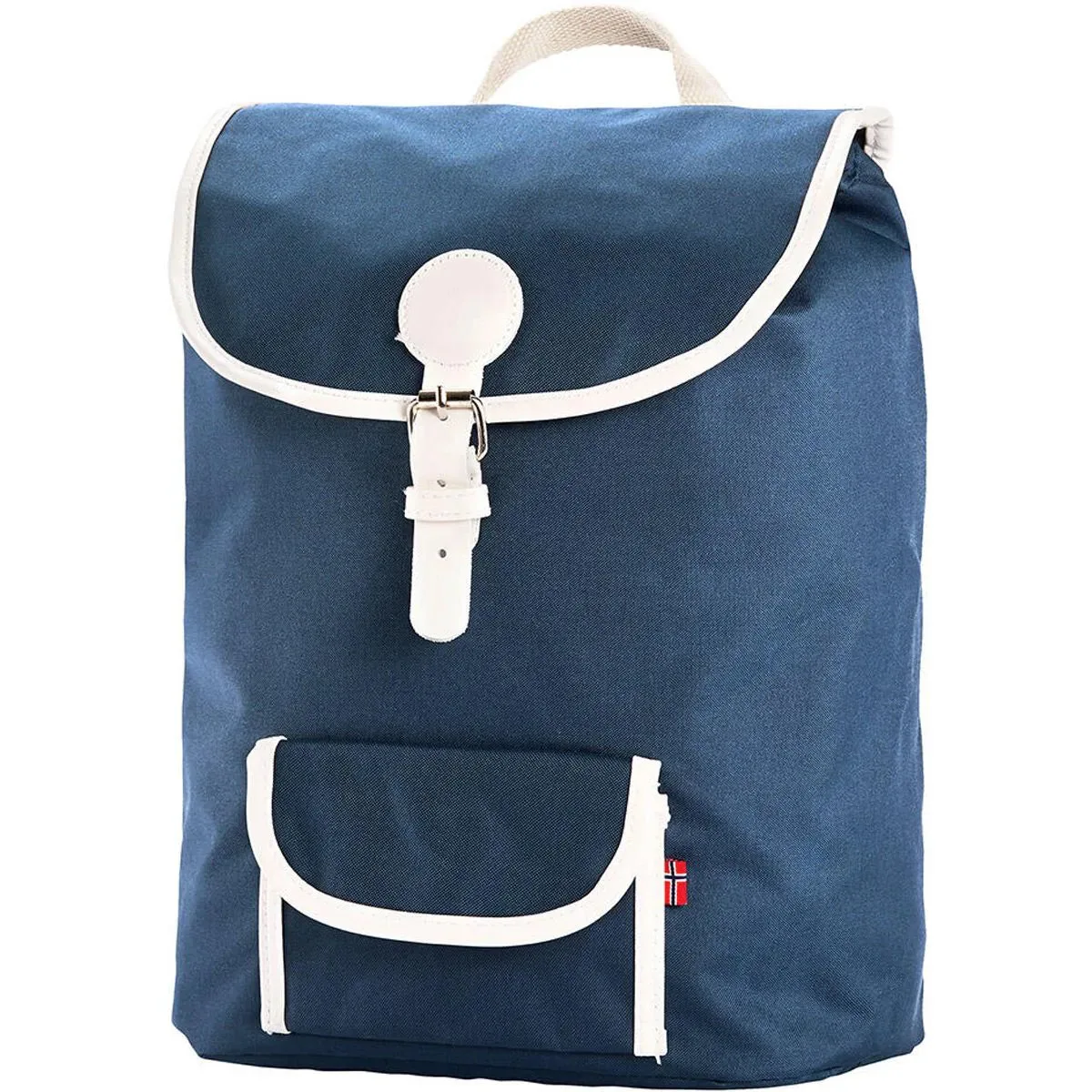
Blafre Backpack 5 - 10 years, Dark Blue
-
Liewood Andreas Backpack, Dinos, 2 - 5 Years: The Liewood Andreas Backpack for 2-5 years is compact yet roomy, with multiple rooms ideal for kindergarten or preschool essentials. Its small size encourages toddlers to carry their own belongings without being overwhelmed, and the compartments help teach organization early.
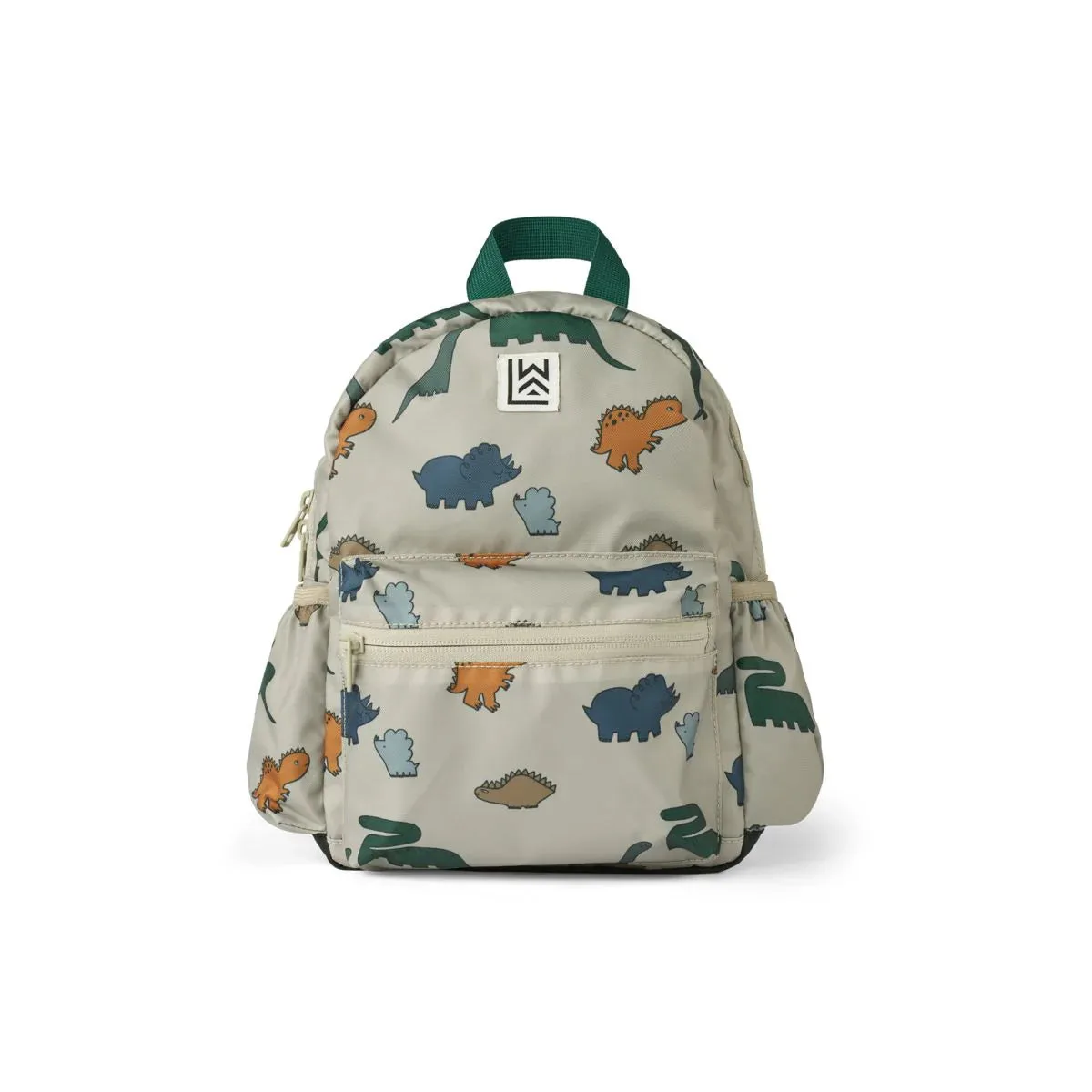
Liewood Andreas Backpack, Dinos, 2 - 5 Years
Who should choose which backpack?
Best for
- Toddlers (2-5 years) who need a lightweight, compact pack for daycare or short outings
- School-age children (5-10 years) who carry books, lunch, and a water bottle daily
Not ideal for
- Teens or tweens over 10 years old, as these backpacks are sized for younger children and may not provide enough capacity or support