Quick Answer
For most people, the right base curve and diameter are determined by an eye exam. Your prescription includes these measurements, but if you're buying colored contacts without a prescription, you can often choose a standard size that fits most eyes—typically a base curve of 8.6 mm and a diameter of 14.0–14.5 mm. Always prioritize comfort and consult an eye care professional if you're unsure.
When you're shopping for contact lenses, you might notice numbers like 'BC 8.6' or 'DIA 14.2' on the box. These are the base curve and diameter—two measurements that determine how the lens fits your eye. Getting them right is crucial for comfort and eye health, especially with colored contacts that sit on the cornea just like regular lenses.
In this guide, we'll explain what base curve and diameter mean, how they affect fit, and give you practical rules for choosing the right size—whether you're buying daily disposables or a pair for special occasions.
What Is Base Curve and Why Does It Matter?
The base curve (BC) is the curvature of the back surface of the lens, measured in millimeters. It should match the curvature of your cornea to ensure the lens sits comfortably and moves slightly with each blink. If the base curve is too flat, the lens may shift or cause discomfort; if too steep, it can suction to the eye and restrict oxygen flow.
Most standard contact lenses have a base curve between 8.4 and 9.0 mm, with 8.6 mm being common. However, everyone's cornea is slightly different, so your eye care professional will measure yours during an exam. For colored contacts, the base curve is often the same as regular lenses, but it's still important to check.
- If you feel the lens is too tight or too loose, it may be a base curve issue.
- Never wear a lens with a base curve that doesn't match your prescription.
Understanding Diameter: How Big Should the Lens Be?
The diameter (DIA) is the overall width of the lens, measured from edge to edge. Typical soft contact lenses range from 13.5 to 15.0 mm, with most falling between 14.0 and 14.5 mm. The diameter affects how much of your eye the lens covers and can influence the visual effect, especially for colored contacts.
A larger diameter can create a more dramatic 'enlargement' effect, making your eyes appear bigger. However, a lens that's too large may not fit well or could cause irritation. Your eye's size and the shape of your eyelid opening play a role, so it's not just about personal preference.
- If you have small eyes or tight eyelids, a smaller diameter (around 14.0 mm) might be more comfortable.
- For a natural look, choose a diameter close to your iris size; for a more noticeable effect, go slightly larger.
How to Find Your Measurements
The most reliable way to know your base curve and diameter is to get an eye exam. An optometrist or ophthalmologist will measure your cornea and provide a prescription that includes these numbers. This is especially important if you have astigmatism or other vision issues, as you may need toric lenses with specific parameters.
If you're buying non-prescription colored contacts for cosmetic purposes, you might not have a recent prescription. In that case, you can often use a standard size, but it's still wise to have an eye exam to rule out any underlying conditions and ensure a proper fit. Some online retailers offer a 'sampler' option so you can try a few sizes before committing.
- Don't guess your measurements—an eye exam is the safest route.
- If you wear glasses, your prescription may not include base curve or diameter; ask your eye doctor for these values.
Choosing the Right Size for Colored Contacts
Colored contacts come in a variety of base curves and diameters, but many popular brands offer only one standard size. For example, the EyeCandys Bunnie series is designed with a specific base curve and diameter that fits most eyes. When buying colored contacts, check the product details for BC and DIA; if they're not listed, contact the seller or choose a brand that provides this information.
Keep in mind that colored contacts often have a slightly larger diameter to enhance the iris appearance. This can be flattering, but it also means the lens covers more of your eye, so comfort might be slightly different compared to clear lenses. Always follow the recommended wear schedule and never sleep in lenses unless they're approved for overnight wear.
- For a subtle enhancement, choose a diameter close to your natural iris size.
- If you're new to contacts, start with a well-known brand that offers a standard fit.
Decision Rules for Choosing Base Curve and Diameter
- Rule 1: Always Start with Your Prescription: If you have a prescription, use the base curve and diameter listed on it. These numbers are tailored to your eyes and are the safest choice. Check your lens box for BC and DIA to ensure they match your prescription.
- Rule 2: When in Doubt, Choose Standard Sizes: For non-prescription colored contacts, a base curve of 8.6 mm and a diameter of 14.2 mm are common standards that fit most people. Many brands use these measurements. Look for products that list their BC and DIA; if they don't, ask the seller.
- Rule 3: Prioritize Comfort Over Aesthetics: If a lens feels uncomfortable, dry, or moves too much, it may not be the right size. Don't force yourself to wear it just because you like the color. Listen to your eyes—if it doesn't feel right, remove the lens and consult a professional.
Real Products to Consider
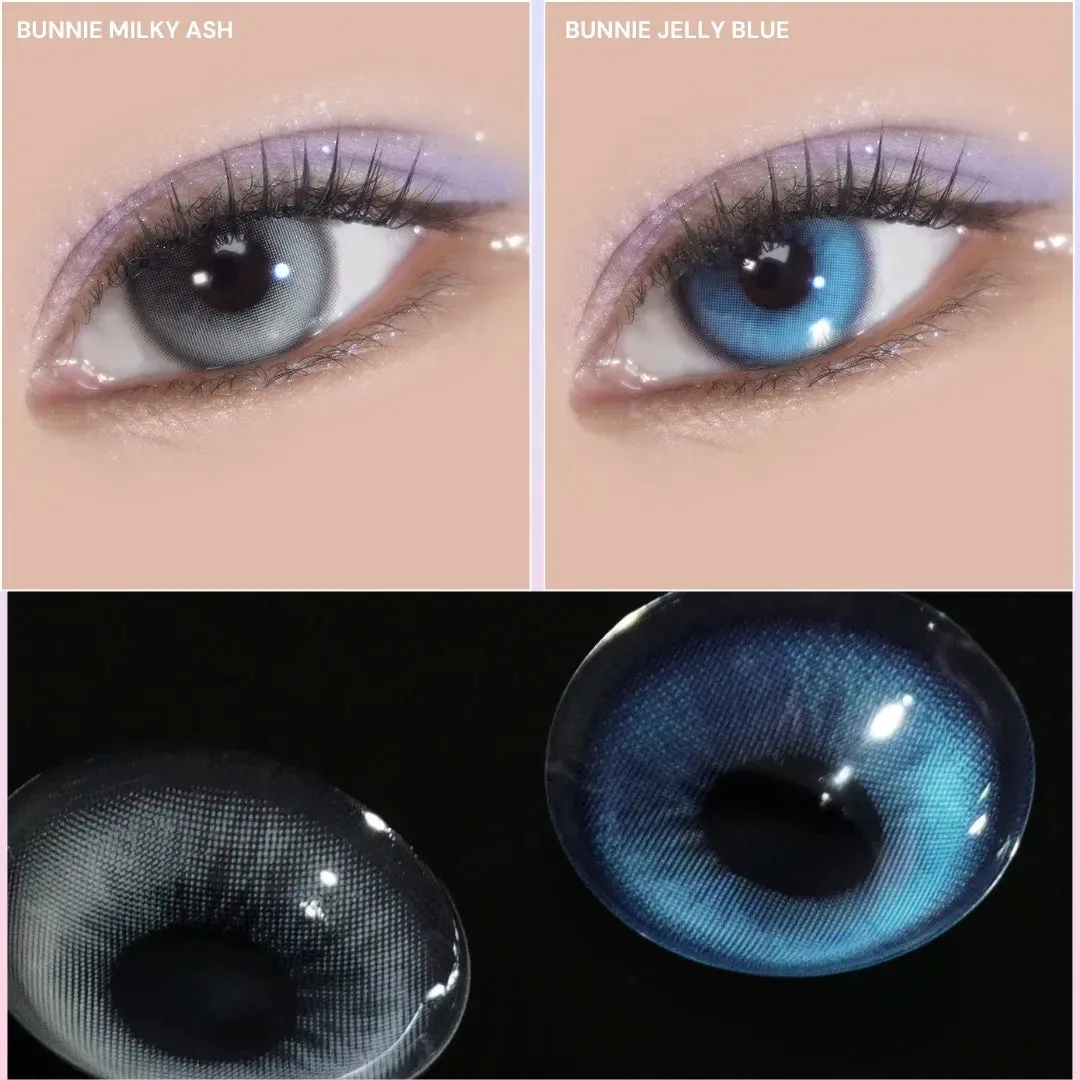
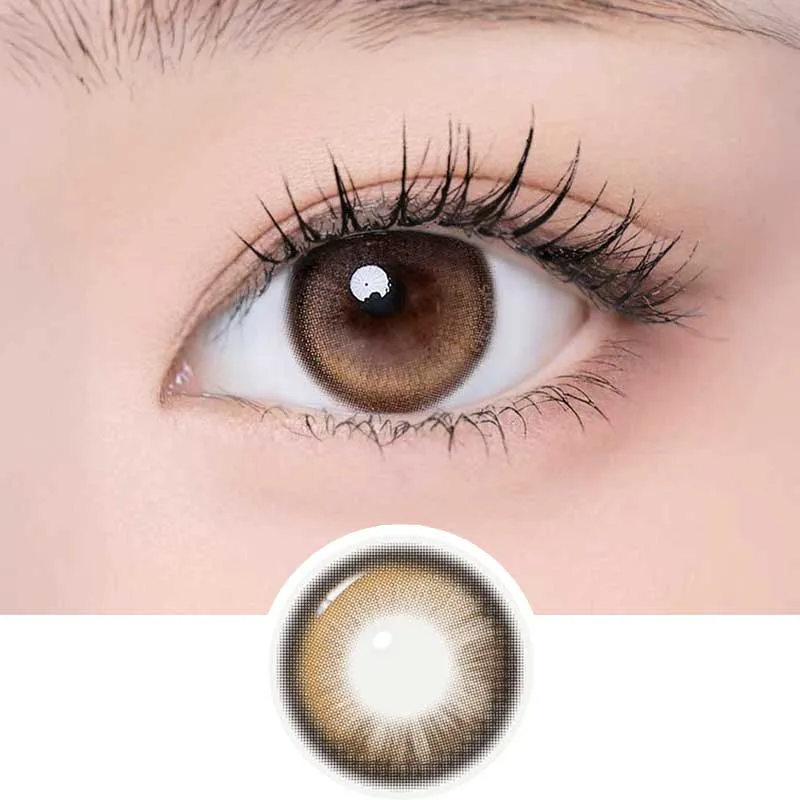
- EyeCandys Bunnie Color Contact Lens (1 PAIR): The Bunnie Series is designed to give dark eyes a soft, luminous glow through light-reflecting colour contact lenses that feel fresh, youthful, and wearable. Each shade features a gentle wash of translucent pigment paired with a subtle limbal ring, creating natural depth and brightness without overpowering your features. This lens is a good example of a colored contact that provides a natural enhancement. Its design focuses on comfort and a believable look, so if you're concerned about fit, choosing a reputable brand like this can give you peace of mind.
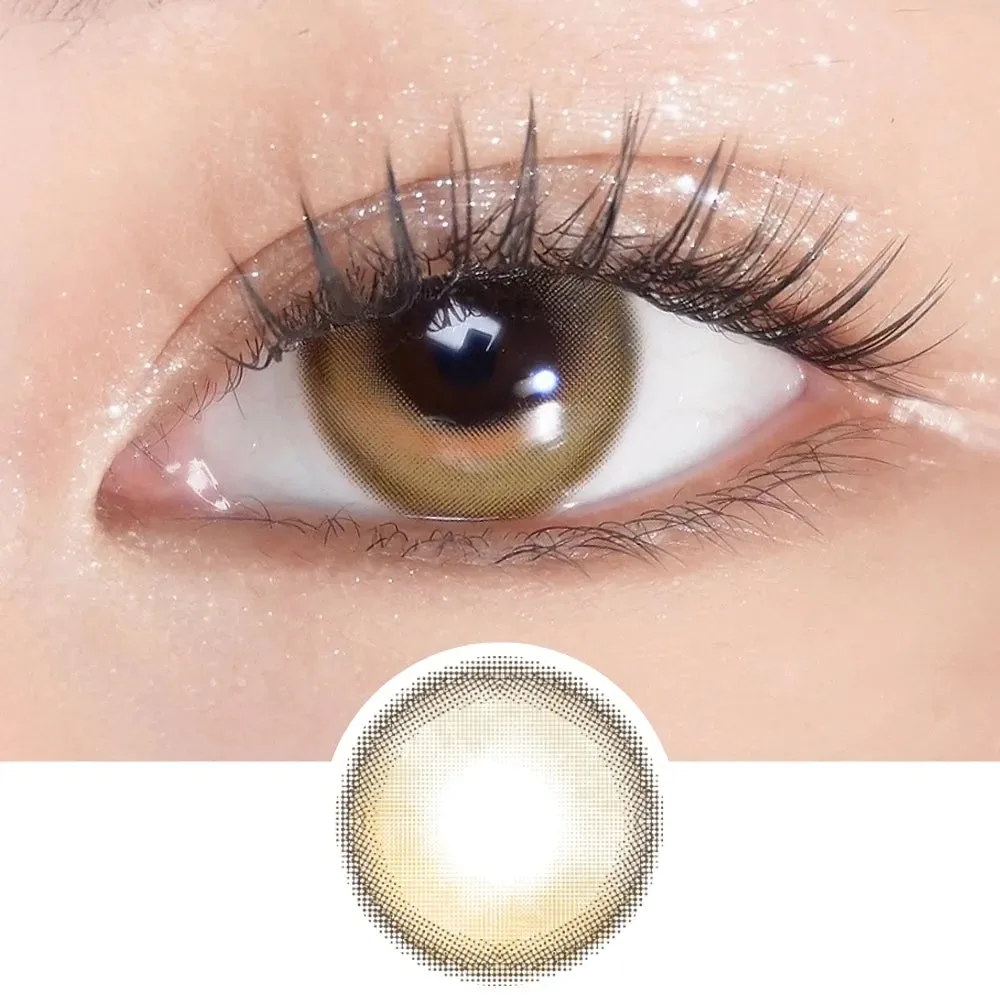
- EyeCandys Sunlit Hazel: Sunlit Hazel delivers a luminous transformation with a warm three-tone gradient that brightens dark eyes and adds natural radiance. The glossy finish mimics the soft sheen of eyes in sunlit moments, creating a gentle, light-catching glow that feels refreshing and genuine. The subtle circle-lens definition provides slight enlargement for a polished, youthful look while keeping the overall effect soft and believable. This lens offers a slight enlargement effect, which is a common reason people choose colored contacts. Knowing the diameter can help you predict how much enlargement you'll get, so you can decide if you want a subtle or more noticeable change.
Is This Size Right for You?
Best for:
- People with an average corneal curvature (around 8.6 mm) who want a comfortable, standard fit.
- Those looking for a natural enhancement without a dramatic enlargement effect.
Not for:
- Individuals with astigmatism who need toric lenses with a specific axis and cylinder power.
- People with unusually flat or steep corneas that require a non-standard base curve.
Choosing the right base curve and diameter is essential for comfortable, safe contact lens wear. Whether you're buying clear or colored lenses, always check the measurements and prioritize a proper fit. When in doubt, an eye exam is the best way to get accurate numbers. With the right size, you can enjoy both clear vision and a look you love.