Quick answer
Choose a bath brush with natural bristles for gentle dry brushing or synthetic bristles for firmer wet exfoliation. A long handle with a secure grip, like the Brooklinen Bath Brush with Knob, makes it easier to reach your back and shoulders.
Bristle types and your skin
Natural bristles (often from sisal or cactus) are stiff and best for dry brushing to stimulate circulation and slough off dead skin. They can be too harsh for sensitive skin, especially if used daily. Synthetic bristles (like nylon) are softer and more flexible, making them a better choice for wet exfoliation with body wash or for those with easily irritated skin.
If you have eczema, psoriasis, or very sensitive skin, avoid stiff natural bristles entirely. Opt for a brush with soft synthetic bristles and use it only once or twice a week on damp skin.
Handle design matters
A long handle with a knob or ergonomic grip gives you better control and reach, especially for your back, shoulders, and the backs of your legs. A detachable handle offers flexibility if you want to use the brush head alone for smaller areas like elbows and knees.
The Brooklinen Bath Brush with Knob features a sturdy knob handle that provides a comfortable, secure grip during use. This design is particularly helpful if you have limited hand strength or prefer not to grip a slippery wet handle.
Dry brushing vs. wet exfoliation
Dry brushing is done on dry skin before a shower, using upward strokes toward the heart. It can boost circulation, reduce the appearance of cellulite temporarily, and help unclog pores. Wet exfoliation uses the brush with body wash or scrub in the shower, which is gentler and better for daily use.
If you are new to dry brushing, start with a soft natural bristle brush and limit sessions to once a week. Over-brushing can cause redness, irritation, or broken capillaries.
How to choose your bath brush
- Identify your skin type: Normal or oily skin can handle natural bristles for deeper exfoliation. Dry, sensitive, or eczema-prone skin should use soft synthetic bristles.
- Decide between dry and wet use: If you plan to dry brush, choose natural bristles and a long handle. If you will use it in the shower with body wash, synthetic bristles are more comfortable and last longer when wet. Dry brushing requires a brush dedicated to that purpose; do not use the same brush for wet and dry routines without thorough drying between uses.
- Check the handle and grip: A long handle with a knob or ergonomic shape helps you reach your back and shoulders. If you have arthritis or grip issues, look for a brush with a textured or padded handle.
- Consider bristle firmness: Firm bristles provide strong exfoliation but can irritate sensitive areas. Medium or soft bristles are safer for beginners and for use on delicate skin. Test the brush on a small patch of skin (like your forearm) before using it on your whole body.
- Plan for brush care: Rinse your brush after each use and hang it to dry bristle-side down to prevent mold. Replace the brush every 6 to 12 months, or sooner if bristles become bent or frayed. Never share your bath brush with others to avoid spreading bacteria.
Product highlights
-
Bath Brush with Knob - Last Call: This Bath Brush with Knob from Brooklinen features a knob handle for secure and comfortable handling during use. The knob handle gives you a stable grip even with wet hands, making it easier to exfoliate hard-to-reach areas like your back without the brush slipping.
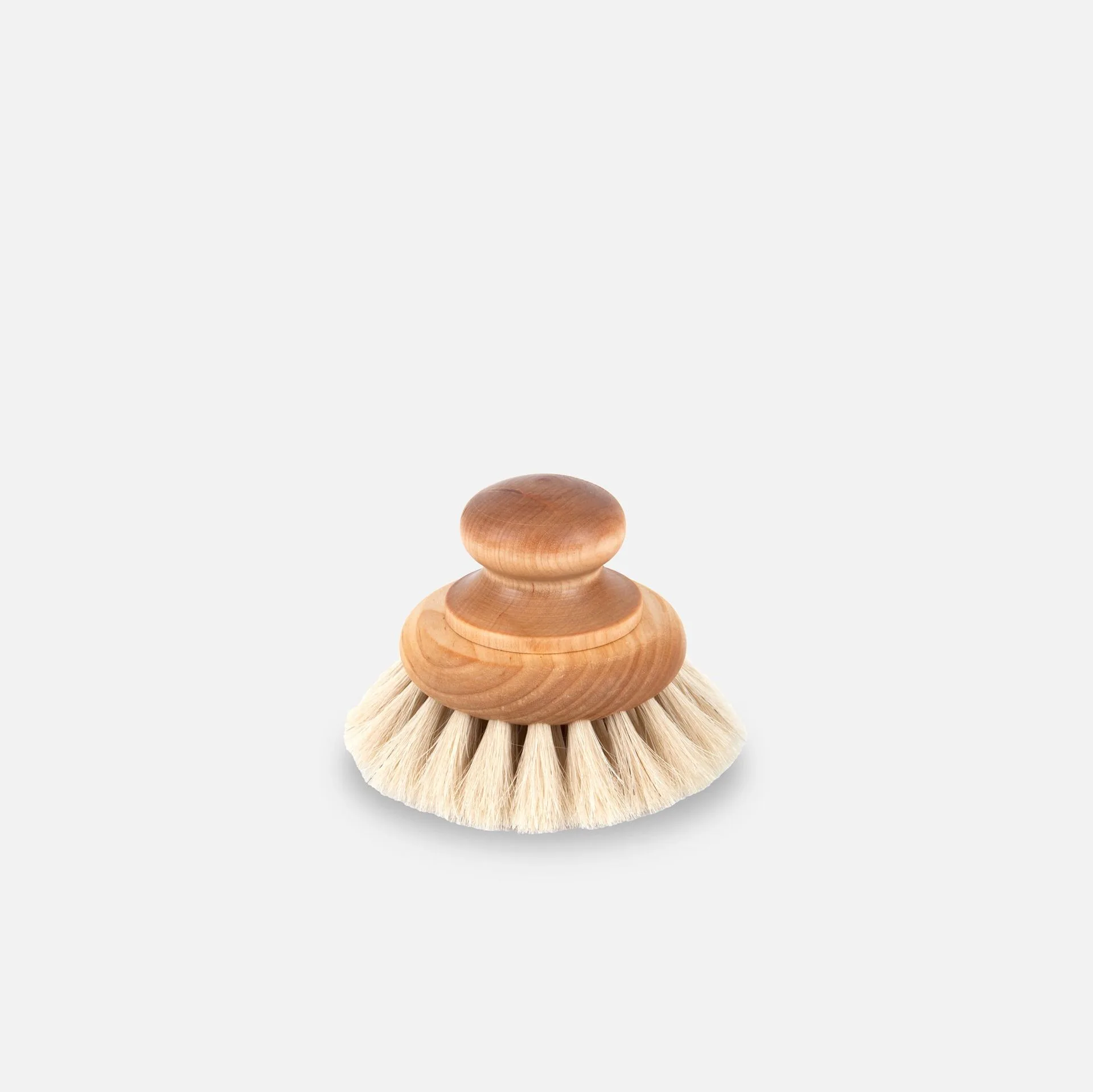
Bath Brush with Knob - Last Call
Who should buy this brush
Best for
- People who want a comfortable, secure grip for reaching their back and shoulders
- Those looking for a simple, affordable addition to their shower or bath routine for light exfoliation
Not for
- Anyone who needs very firm bristles for deep dry brushing (the Brooklinen brush has medium-soft bristles)
- People who prefer a detachable handle or interchangeable brush heads