Quick answer
For everyday quilts, choose a low-loft cotton or cotton-blend batting that lets you quilt up to 4 to 6 inches apart. For wearable art or garments, pick a thin, drapey batting or skip it entirely. For wall hangings and table runners, choose a stiff, low-loft batting that holds shape. Always match batting loft and fiber to how you plan to quilt and use the finished piece.
Batting is the layer that turns two pieces of fabric into a quilt. It adds warmth, loft, and structure, and it directly affects how your finished project feels and wears. The right choice depends less on brand loyalty and more on three practical questions: What is the project? How will you quilt it? How will it be used?
This batting buying guide walks through the main batting types, explains what each fiber and loft does well, and gives you clear decision rules. You will also find fit guidance for common projects, from bed quilts to tote bags, so you can buy the right batting once instead of guessing.
Start with the project, not the batting
Batting is not one-size-fits-all. A bed quilt needs warmth and durability, while a wall hanging needs stiffness and shape retention. A garment needs drape and minimal bulk. A tote bag needs structure and abrasion resistance. Before you compare batting types, write down the project, the finished size, and how often it will be washed. That single sentence will eliminate half the options.
Also consider how you will quilt. If you plan to machine quilt with widely spaced lines, you need a batting that allows that distance without shifting or bearding. If you plan to tie or hand quilt, a lower-loft batting is easier to needle. If you plan to quilt densely, you can choose a slightly higher loft because the quilting will compress it.
- Write down the project, finished size, and washing frequency before you shop.
- Check the batting label for the maximum quilting distance. If it is not listed, treat it as a limitation and choose a different batting.
- Buy enough batting in one piece. Piecing batting creates bulk and weak spots.
Understand batting types by fiber
Cotton batting is breathable, flat, and durable. It shrinks slightly when washed, which gives quilts that crinkled, antique look. It is a good default for bed quilts and everyday throws. Polyester batting is lofty, springy, and holds its shape well. It is warmer for its weight and resists creasing, but it can beard through tight-weave fabrics and does not breathe as well as cotton. Cotton-poly blends aim for the middle: less shrinkage than cotton, more breathability than polyester.
Wool batting is warm, light, and drapes beautifully. It is often used in heirloom quilts and garments, but it costs more and requires careful washing. Bamboo and other plant-based battings are soft and drapey, but they may have lower loft and different quilting distance limits. Always read the label for fiber content, loft, and care instructions. If a specification is missing, do not guess. Choose a batting with complete information.
- Cotton: breathable, flat, shrinks slightly. Good for bed quilts.
- Polyester: lofty, warm, springy. Good for baby quilts and puffy projects.
- Cotton-poly blend: middle ground for shrinkage and breathability.
- Wool: warm, light, drapey. Good for heirloom and garment projects.
- Bamboo: soft, drapey, lower loft. Check quilting distance carefully.
Match loft to the look and feel you want
Loft is the thickness of the batting. Low-loft batting is thin and flat, which makes it ideal for garments, wall hangings, and quilts that will be densely quilted. Mid-loft batting is the standard for bed quilts and throws. High-loft batting is thick and puffy, used for tied comforters and projects where you want visible dimension. The higher the loft, the more space you need between quilting lines, and the harder it is to machine quilt on a home machine.
If you are unsure, choose a low-loft batting for your first project. It is easier to handle, easier to quilt, and more forgiving if your layers shift. You can always add warmth with a flannel backing or a second layer of batting, but you cannot easily reduce loft after you have quilted.
- Low loft: garments, wall hangings, dense quilting.
- Mid loft: bed quilts, throws, everyday projects.
- High loft: tied comforters, puffy projects, visible dimension.
- When in doubt, start with low loft.
Check quilting distance and care before you buy
Every batting has a maximum quilting distance, which is how far apart your quilting lines can be without the batting shifting or tearing. If you quilt farther apart than the label allows, the batting will migrate and your quilt will wear out faster. This is the single most important specification to check. If the label does not state a quilting distance, treat that as a decision limitation and choose a batting that does.
Care matters too. Some battings shrink, some do not. Some can be machine washed and dried, others need air drying. If the finished project will be washed often, choose a batting that is machine washable and dryable. If it is a wall hanging or decorative piece, you have more freedom. Always test a small sample if you are unsure how the batting will behave.
- Never exceed the maximum quilting distance on the label.
- If quilting distance is not listed, choose a different batting.
- Match care instructions to how the finished project will be used.
- Pre-wash or preshrink batting only if the manufacturer recommends it.
Tools that make batting easier to work with
Batting is bulky and slippery, so the right tools make a real difference. Wonder Clips Assorted Colors 10pc are a practical alternative to pins when you are holding layered sections together. They open wide to hold layers of fabric, and the flat base feeds easily under the presser foot. They are especially useful when you are working with vinyl, piles, or heavy-weight fabrics, and they hold handle connectors to handbags and piping without distortion.
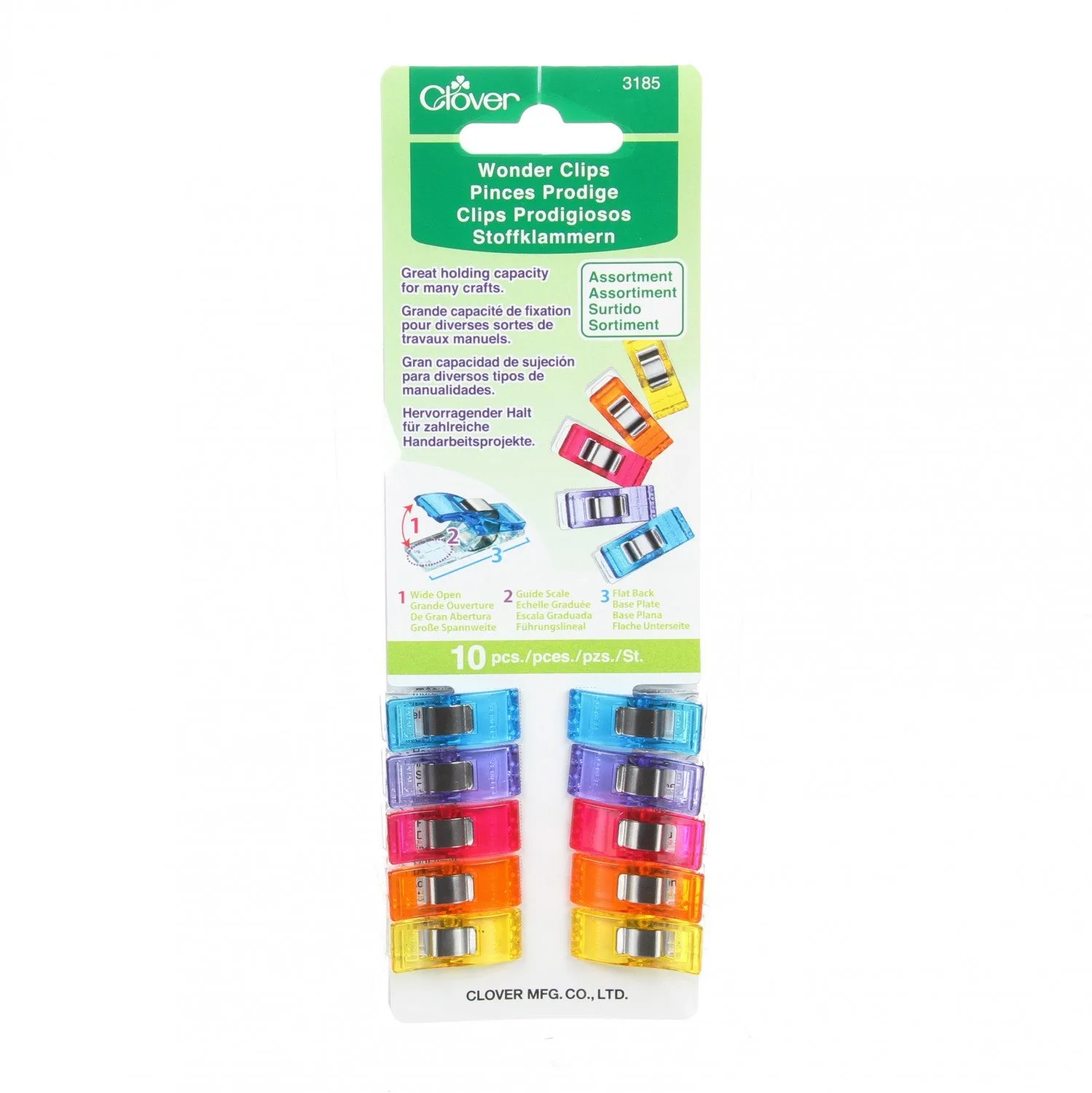
Wonder Clips Assorted Colors 10pc
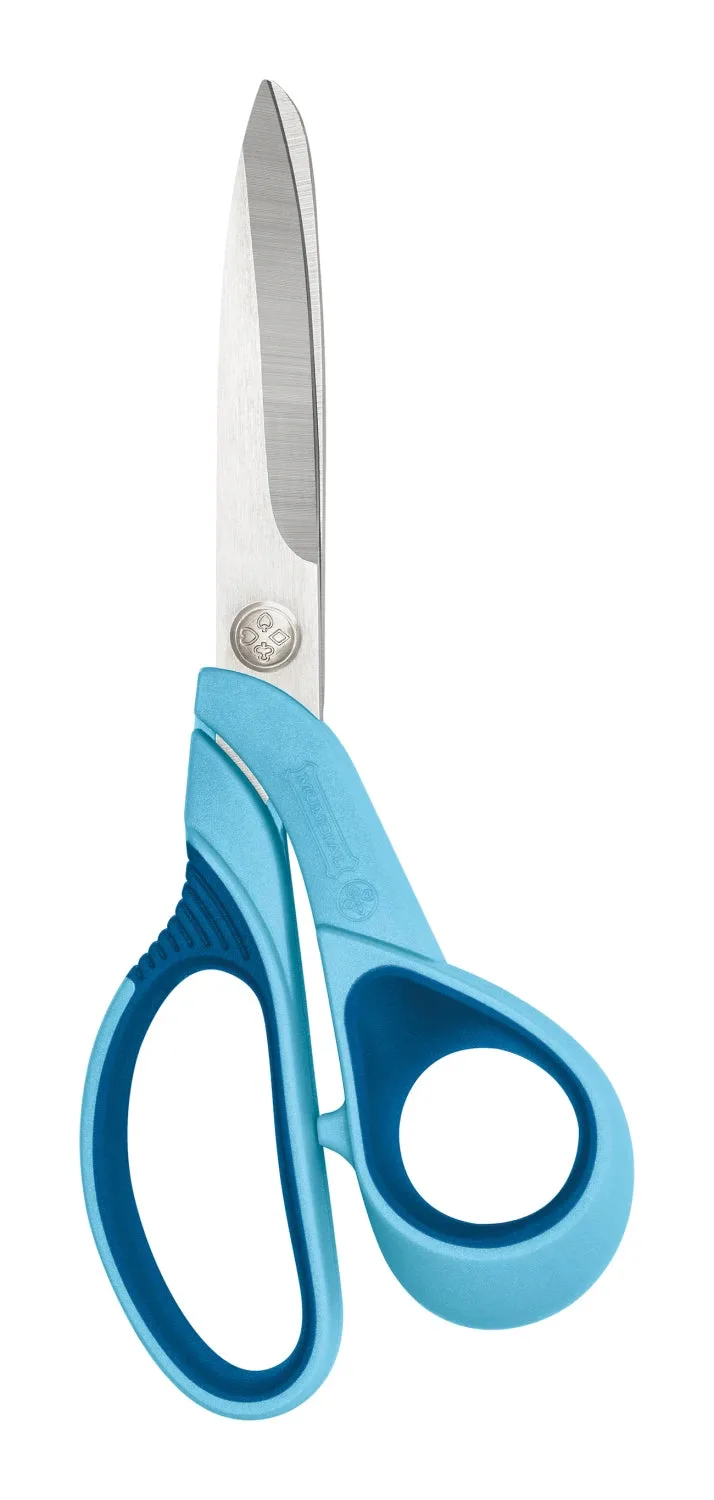
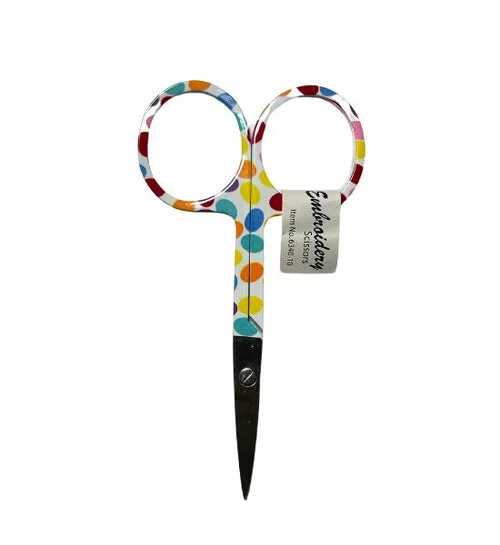
For cutting batting to size, a sharp pair of shears matters. Superedge 7-1/2in Dressmaker Shears have stainless steel blades with an adjustable pivot and a precision-ground super sharp edge. The soft comfort grip makes long cutting sessions easier. For trimming threads and tight corners, Embroidery Scissors Sweets have 3.75-inch needlepoint tips that let you get close without cutting the fabric underneath.
- Use clips instead of pins when batting bulk makes pinning difficult.
- Keep a dedicated pair of shears for batting and fabric only.
- Small embroidery scissors are useful for trimming batting fuzz and threads.
Decision rules for choosing batting
- If you are making a bed quilt: Choose a low- to mid-loft cotton or cotton-poly blend batting with a quilting distance of at least 4 inches. Cotton gives breathability and a traditional look. If you want less shrinkage, choose a blend. Check the quilting distance first. If it is under 4 inches, keep looking.
- If you are making a garment or wearable: Choose a thin, low-loft batting or skip batting entirely and use a flannel interlining. You want drape, not bulk. Wool or bamboo battings can work if they are thin and soft. Test the batting against your fabric to see how it drapes before you commit.
- If you are making a wall hanging or table runner: Choose a stiff, low-loft batting that holds shape. Cotton works well. Avoid high-loft polyester, which can make the piece puffy and hard to hang flat. Low loft plus dense quilting equals a flat, professional finish.
- If you are making a tote bag or structured accessory: Choose a firm, low-loft batting or a foam stabilizer. You want structure and abrasion resistance, not warmth. Cotton batting or a cotton-poly blend can work if it is dense enough. Match the batting to the hardware and handle weight so the bag holds its shape.
- If you are making a baby quilt or puffy comforter: Choose a mid- to high-loft polyester batting for warmth and springiness. Check that it is machine washable and dryable, because baby quilts get washed often. Higher loft means wider quilting distance. Do not exceed the label.
- If the label does not list quilting distance or fiber content: Treat that as a decision limitation. Without that information, you cannot safely match the batting to your quilting plan or care routine. Choose a batting with complete specifications instead. Incomplete labels are a reason to walk away, not to guess.
Products that help with batting projects
- Wonder Clips Assorted Colors 10pc: Great holding capacity for many crafts with a wide opening, guide scale and flat back. 10pcs per package. Clip opens wide to hold layers of fabrics and the base is flat for easy feeding to the presser foot. Great alternative to pins, especially when working with vinyls, piles and heavy weight fabrics. Holds layered sections of sewing projects such as handle connectors to handbags, piping, etc. without distortion. Batting adds bulk that makes pins awkward. These clips hold layered sections securely and feed smoothly under the presser foot, so you can baste or quilt without shifting.
- Superedge 7-1/2in Dressmaker Shears: Super edge 7.5in Dressmaker Shears - Light blue handles with dark blue soft comfort grip- stainless steel blades with adjustable pivot - precision ground super sharp edge. Color: Blue Handles. Made of: Metal and Plastic. Use: Scissors. Size: 7.5in Long. Included: One Pair of Scissors. A sharp, comfortable pair of shears makes cutting batting to size faster and cleaner. The adjustable pivot helps maintain blade tension over time.
- Embroidery Scissors Sweets: Embroidery Scissors 3.75 inch Needlepoint tips. The needlepoint tips let you trim threads and batting fuzz in tight spots without cutting the fabric underneath, which is useful when you are working near seams and corners.
Who this batting guide is for
Best for
- Quilters choosing batting for a bed quilt, throw, or wall hanging
- Sewists making garments, bags, or home decor who need to match batting to structure and drape
- Beginners who want a clear batting selection guide without jargon
Not for
- Sewists looking for a specific brand comparison or price ranking
- Projects that do not use batting, such as unlined garments or simple pillowcases
- Anyone who needs industrial or fire-retardant batting specifications
Choosing batting comes down to three decisions: fiber, loft, and quilting distance. Match those to your project and how it will be used, and you will get a finished piece that looks and wears the way you intended. Start with the project, check the label, and choose complete specifications over guesswork.