Quick Answer
Choose a binder with a D-ring or strap style to prevent spine damage, use acid-free pockets with a snug fit, and match the pocket size to your cards (e.g., 9-pocket for standard size). For high-value cards, opt for a binder with a zipper and padded cover for extra protection.
If you're serious about collecting trading cards, a good binder is essential. It keeps your cards organized, protected, and easy to show off. But with so many options—ring binders, strap binders, different pocket sizes—it can be overwhelming. This guide breaks down the key features to consider so you can pick the right binder for your collection.
Whether you're storing Pokémon, Magic: The Gathering, Lorcana, or any other TCG, the right binder can prevent bent corners, scratches, and other damage. We'll cover the pros and cons of each binder type, what to look for in materials, and how to match a binder to your specific needs.
Binder Styles: Ring vs. Strap vs. Zip
Ring binders are the most common and affordable. They come in O-ring and D-ring styles. O-rings can cause pages to sit unevenly and can dent cards near the spine over time. D-rings allow pages to lie flatter and reduce spine stress, making them a better choice for serious collectors. Look for D-ring binders if you plan to store many cards.
Strap binders (also called post binders) use elastic straps or posts to hold pages in place. They allow pages to lie completely flat and prevent spine damage entirely. They are ideal for thick collections and for displaying pages side-by-side. However, they can be more expensive and may require special pages.
Zip binders add a zipper closure and often have padded covers, offering the highest level of protection. They're great for travel and for storing high-value cards. The zipper keeps dust and moisture out, and the padding protects against impacts. If you plan to carry your binder to events or trade nights, a zip binder is worth the investment.
- For a secure fit, choose a binder with a zipper if you'll be transporting it.
- D-ring binders are a good middle ground between price and protection.
Pocket Sizes and Page Types
Standard trading cards (like Pokémon and MTG) measure 2.5 x 3.5 inches. The most common pocket size is the 9-pocket page, which fits three rows of three cards. These pages are widely available and fit most binders. For cards with thicker sleeves or toploaders, you may need 4-pocket or 1-pocket pages.
Consider the material of the pockets. Look for acid-free, PVC-free, and archival-safe pages. These materials won't degrade over time or cause chemical reactions with your cards. Some pages have a matte finish to reduce glare, while others are clear for better visibility. Choose based on your display preferences.
Another factor is the number of pages a binder can hold. Ring binders typically hold 20-30 pages, while strap binders can hold more. If you have a large collection, you might need multiple binders or one with a higher capacity. Check the binder's specifications before buying.
- Always use sleeves before placing cards in binder pockets for extra protection.
- For double-sided pages, make sure the pockets are not too tight, which can scratch cards.
Matching Binder to Card Type
Different card games have different card sizes. For example, Japanese cards are slightly smaller, and some games like Weiss Schwarz use standard-size cards. Make sure the binder pockets are designed for the size of your cards. A 9-pocket page is standard for most TCGs, but check the dimensions.
For high-value cards, consider a binder with a side-loading pocket. These pockets allow you to insert cards from the side, reducing the risk of scratching the card face when sliding it in. Some binders also have a clear overlay on the cover to display a favorite card.
If you collect multiple games, you might prefer a binder with removable pages so you can organize by game or set. This flexibility is useful for collectors who like to reorganize frequently.
- For valuable cards, use a binder with side-loading pockets and a zipper.
- If you collect multiple TCGs, choose a binder with interchangeable pages.
Material and Build Quality
The binder's cover material matters for durability. Look for binders made of thick cardboard or hard plastic with a reinforced spine. Some binders have a leather-like finish that feels premium and resists wear. A padded cover offers extra cushioning for drops.
Check the stitching and binding. A well-constructed binder will have strong seams and a secure closure. For ring binders, the rings should be sturdy and not easily bent. For strap binders, the straps should be elastic and durable.
Consider the overall weight. A heavy binder with many pages can be cumbersome to carry. If you plan to take it to events, a lighter binder with a zipper might be more practical.
- Inspect the rings or straps before buying to ensure they are sturdy.
- A padded cover is worth the extra cost if you travel with your binder.
Budget and Brand Considerations
Binder prices range from under $10 for basic ring binders to over $50 for premium zip binders. Set a budget based on the value of your collection. If you're storing expensive cards, don't skimp on protection. A $30 binder is a small price compared to the cost of replacing damaged cards.
Some popular brands include Ultra Pro, BCW, and Dragon Shield. These brands are known for quality and durability. However, you can find good options from lesser-known brands if you read reviews. Look for binders with positive feedback on page quality and spine durability.
Remember that the binder is just one part of your storage system. You'll also need sleeves and possibly toploaders for your most valuable cards. Factor these costs into your budget.
- Read customer reviews to gauge binder quality before purchasing.
- Invest in a higher-quality binder if you own cards worth over $100.
Decision Rules for Choosing a Binder
- Rule 1: Match the binder to your card size: Measure your cards and ensure the pockets are the right size. Standard TCG cards (2.5x3.5 inches) fit 9-pocket pages. For oversized cards, look for 4-pocket or 1-pocket pages. Check the pocket dimensions before buying.
- Rule 2: Prioritize spine protection: Choose a D-ring or strap binder to prevent spine damage. O-ring binders can dent cards near the spine over time. Avoid O-ring binders for valuable collections.
- Rule 3: Consider how you'll use the binder: If you travel with your binder, choose a zip binder with a padded cover. If it stays on a shelf, a standard ring binder may suffice. Think about portability and storage location.
- Rule 4: Invest in archival-safe materials: Look for acid-free, PVC-free pages and a durable cover. These protect your cards from chemical damage and wear. Quality materials prevent long-term damage.
- Rule 5: Set a budget based on collection value: If your cards are worth a lot, spend more on a premium binder. For casual collections, a budget-friendly option works. Don't overpay for a binder for low-value cards, but don't underprotect high-value ones.
Related Products to Consider
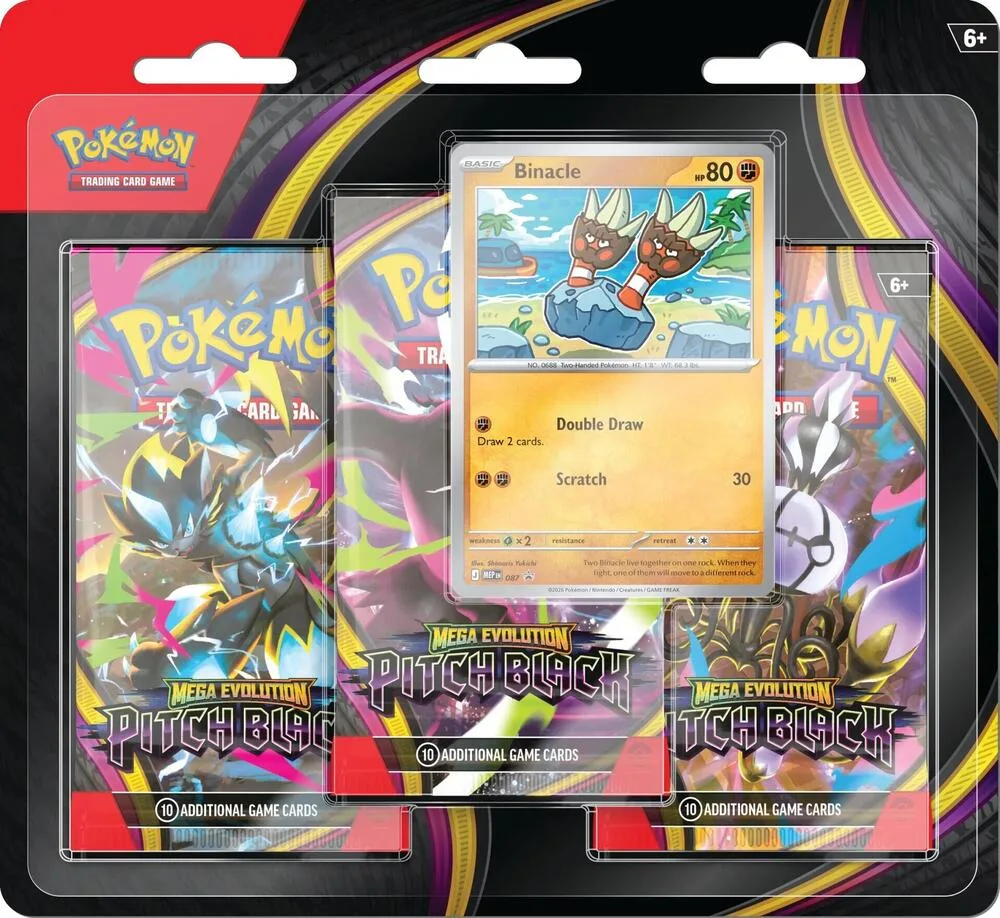
- Pokémon TCG: Pitch Black 3-Pack Blister [Binacle] - ME05: Pitch Black (ME05): This factory-sealed blister pack includes three booster packs from the ME05: Mega Evolution Pitch Black set, plus an exclusive Binacle promo card. If you're starting a new Pokémon collection, this pack gives you fresh cards to organize in your new binder, and the promo card is a nice addition to your collection.
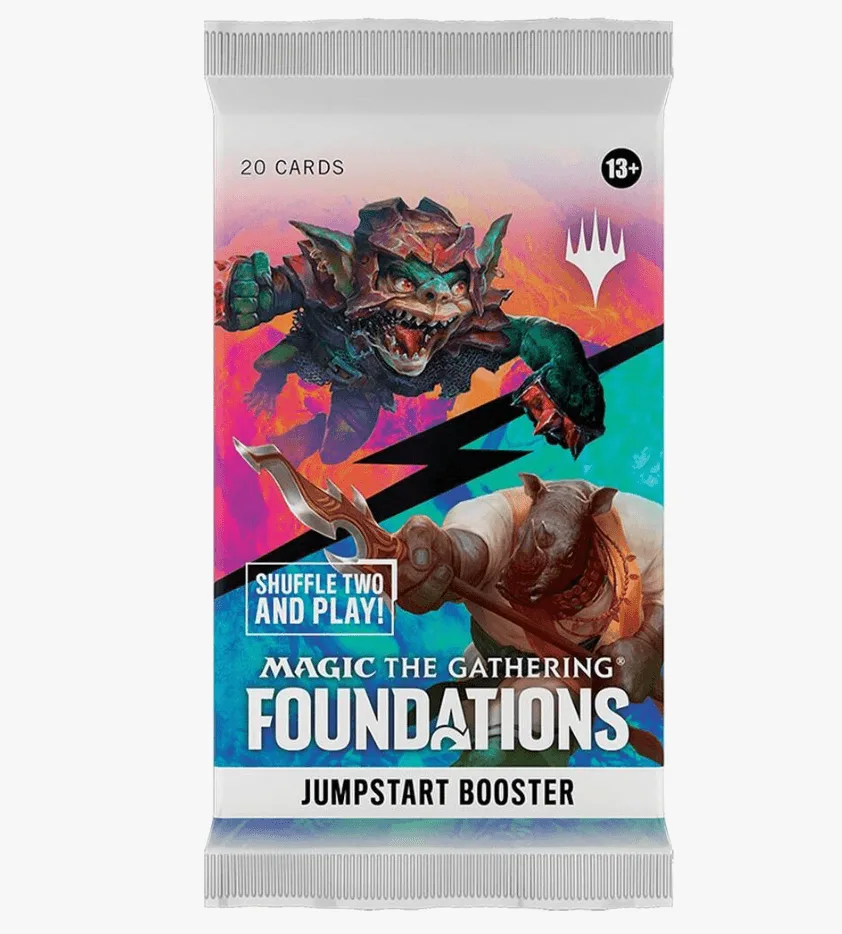
- Magic: The Gathering Foundations - Jumpstart Booster Pack - Foundations Jumpstart (J25): Foundations Jumpstart booster packs are designed to give every player a great first Magic experience, with cards selected to provide an advantage. These packs are perfect for building a new MTG collection, and once you open them, you'll need a reliable binder to store your new cards.
Who Should Buy What
Best for
- Collectors with high-value cards who need maximum protection: choose a zip binder with side-loading pockets.
- Players who attend events and need a portable binder: choose a zip binder with a padded cover.
- Casual collectors who want an affordable, simple solution: choose a D-ring binder with 9-pocket pages.
Not for
- Collectors with oversized cards: standard 9-pocket binders won't fit them.
- Those with extremely large collections: a single binder may not hold everything; consider multiple binders or a different storage system.
Choosing the right binder for your trading card collection comes down to understanding your card sizes, how you plan to use the binder, and the level of protection your cards need. By following the decision rules above, you can find a binder that keeps your cards safe, organized, and ready to show off. Remember to also use sleeves for extra protection, and consider adding a new product like the Pokémon TCG Pitch Black Blister or Magic: The Gathering Foundations Jumpstart Booster to your collection to fill those pages.