Quick Answer
To choose the right body cream, start by identifying your skin's primary needs: dry skin demands rich, occlusive ingredients; sensitive skin needs fragrance-free formulas; oily skin benefits from lightweight, non-comedogenic options; and aging skin responds to peptides and antioxidants. Match the texture and ingredients to your concerns, not the price tag.
Your body's skin is often neglected compared to your face, but it deserves the same attention. Choosing the right body cream isn't about picking the most expensive jar—it's about understanding your skin type and its unique needs. Whether you're dealing with dry patches, sensitivity, or early signs of aging, the right formula can make a significant difference.
This guide breaks down what to look for in a body cream based on your skin type, offers practical decision rules, and highlights a few products that cater to specific concerns. Remember, the best body cream is the one that feels comfortable, absorbs well, and delivers the results you're after.
Know Your Skin Type
Before you shop, take a moment to assess your skin. Dry skin often feels tight, flakes, and may look dull, especially after showering. Oily skin can feel greasy, especially in the summer, and may be prone to breakouts on the body. Sensitive skin reacts easily with redness, itching, or stinging. Aging skin may show fine lines, loss of elasticity, and uneven texture.
If you're unsure, a simple test is to wait 30 minutes after a shower without applying anything. If your skin feels tight, it's likely dry. If it feels slick, it's oily. If it feels comfortable, you have normal skin. Adjust your choice accordingly.
- Keep a 'skin diary' for a week to note how your body feels after different activities and products.
Match Ingredients to Your Concerns
Ingredients determine how well a body cream works for your skin type. For dry skin, look for rich emollients and humectants like shea butter, glycerin, and hyaluronic acid. These draw in moisture and lock it in. For sensitive skin, choose fragrance-free formulas with soothing ingredients like colloidal oatmeal or aloe vera. Avoid essential oils and alcohol, which can trigger reactions.
For oily skin, opt for lightweight, water-based gels or lotions with non-comedogenic labels. Ingredients like niacinamide can help regulate oil. For aging skin, seek out peptides, retinol, and antioxidants like vitamin C to boost collagen and fight free radicals.
- Patch test a new body cream on a small area for 24 hours before full application, especially if you have sensitive skin.
Consider Texture and Season
The texture of a body cream matters as much as its ingredients. Heavy creams and butters are ideal for winter or very dry skin, as they provide a barrier against moisture loss. In summer or for oily skin, lightweight lotions and gels absorb quickly without leaving a greasy residue.
If you live in a humid climate, a thick cream might feel suffocating. Conversely, a light lotion might not be enough in dry, cold weather. Adjust your product based on the season and your environment.
- In summer, switch to a lightweight body cream or lotion to avoid clogged pores and sticky feelings.
Don't Forget Specialized Areas
Your face and neck have different needs than your body, but they still deserve attention. The neck and décolleté area is often prone to aging but is frequently ignored. Using a specialized serum or cream can help maintain firmness and smoothness.
Similarly, intimate areas require products formulated specifically for their delicate pH. Regular body creams can disrupt the natural balance, so choose a dedicated moisturizer if needed.
- Apply neck creams with upward strokes to help lift and firm the skin.
Decision Rules for Buying Body Cream
- Rule 1: Identify Your Primary Concern: Dryness, sensitivity, oiliness, or aging—each requires a different formulation. Choose a body cream that addresses your main issue first. Make a list of your top two concerns and look for products that mention them.
- Rule 2: Check the Ingredient List: Look for key ingredients that match your skin type. Avoid irritants like fragrance and alcohol if you have sensitive skin. For dry skin, prioritize occlusives like shea butter. If you don't recognize an ingredient, research it or choose a product with fewer, simpler ingredients.
- Rule 3: Consider the Texture and Season: Heavy creams for winter, lightweight lotions for summer. Oily skin should always opt for non-comedogenic, fast-absorbing formulas. Test the texture on your wrist to see how it feels before committing.
- Rule 4: Don't Overlook Specialized Products: Your neck and eye areas have unique needs. A dedicated serum or cream can provide targeted benefits that a general body cream cannot. Incorporate specialized products into your routine for best results.
Products to Consider
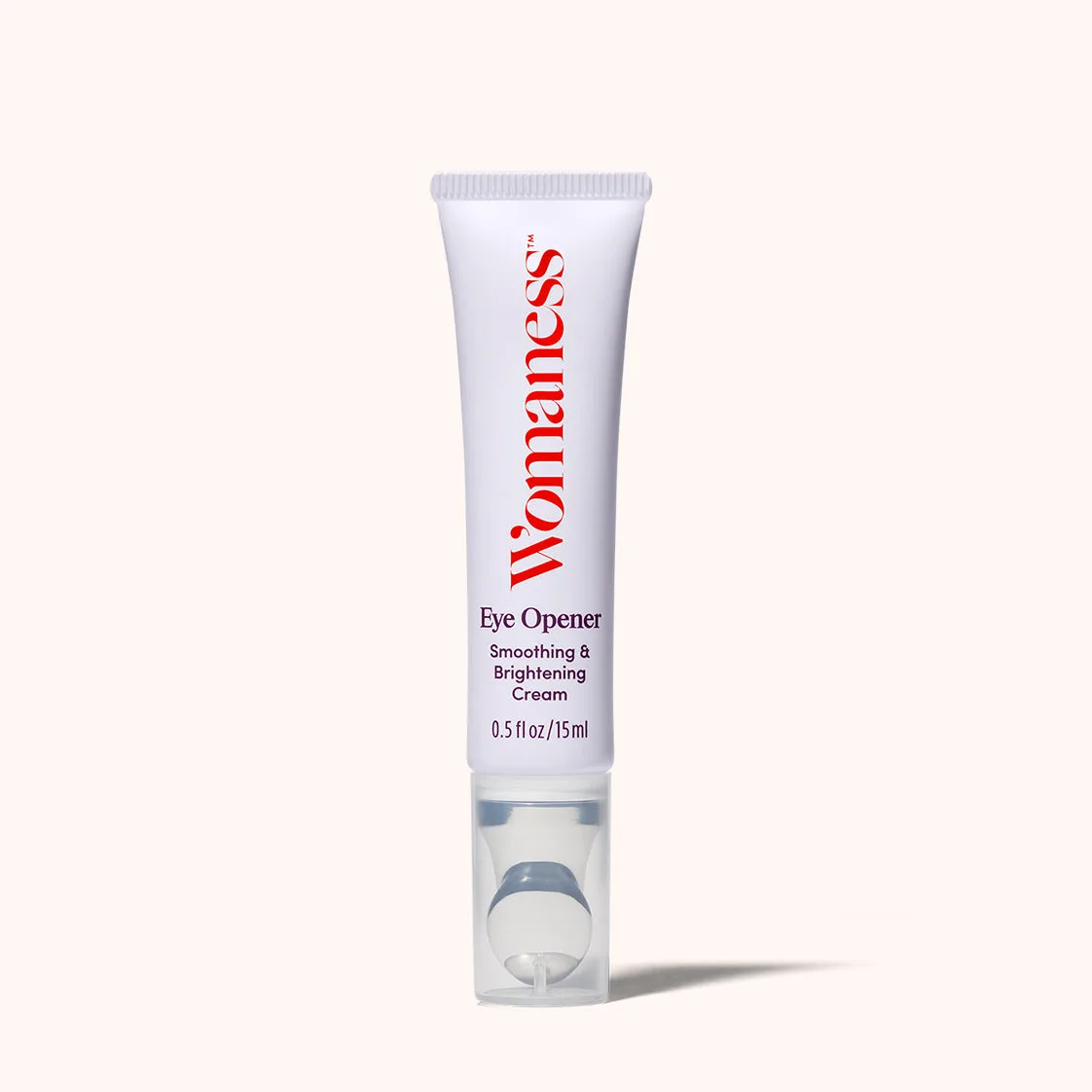
- Eye Opener: Smoothing + Brightening Cream While designed for the eye area, its smoothing and brightening properties can be beneficial for the delicate skin around the eyes, which often shows early signs of aging.
- Let's Neck: Neck + Décolleté Serum Specifically formulated for the neck and décolleté, this serum targets a common area of concern for aging skin, offering a targeted approach to firming and smoothing.
Which Body Cream Is Right for You?
Best for
- Dry skin: rich creams with shea butter or hyaluronic acid
- Sensitive skin: fragrance-free, soothing formulas with oatmeal or aloe
Not for
- Oily skin: heavy creams that can clog pores
- Summer use: thick butters that feel greasy
Choosing the right body cream is about understanding your skin's unique needs and matching them with the right ingredients and textures. Take the time to assess your skin, read labels, and consider seasonal changes. With the right product, your skin will feel comfortable, hydrated, and healthy.