Quick Answer
When choosing travel games for kids, focus on three things: the child's age and attention span, the physical size and number of pieces, and the game's ability to hold interest without a table or flat surface. Look for games that are compact, durable, and offer quick rounds or solo play to fit the interruptions of travel.
Traveling with kids can be a delight and a challenge. Keeping little ones entertained on a long car ride or a flight is essential for a smooth journey. While screens are an easy fallback, many parents prefer screen-free options that also support learning and family bonding. That's where bring along games come in.
But not all compact games are created equal. A game that's perfect for a picnic table might frustrate a toddler on an airplane tray. This guide breaks down what to look for in travel games for kids, helping you choose the right HABA bring along games for your next adventure.
Consider the Age and Attention Span
The best travel game for a 3-year-old is very different from one for an 8-year-old. Younger children have shorter attention spans and may need games with simple rules and immediate gratification. Look for games that can be played in 5-10 minutes or that allow for open-ended play. For older kids, strategy games with more depth can keep them engaged for longer stretches, making them ideal for road trips.
Also think about the child's reading and counting skills. Games that rely heavily on text or complex math may frustrate a child who isn't ready. On the other hand, a game that's too simple will bore an older child. Matching the game to the child's developmental stage ensures it's fun and not a source of stress.
- For toddlers and preschoolers, choose games with large pieces and simple matching or color recognition.
- For early elementary kids, look for games that involve counting, memory, or simple strategy.
- For tweens and teens, consider games with deeper strategy or cooperative play.
Think About Size and Portability
Travel games for kids need to fit into a backpack, a seat-back pocket, or a small carry-on. Look for games that come in a compact box or a drawstring bag. Avoid games with many small pieces that are easy to lose in the car or under an airplane seat. A game with a self-contained storage solution is a huge plus.
Also consider the playing surface. On a plane, you'll have a small tray table. On a road trip, you might play in the backseat or at a rest stop. Games that require a flat surface or lots of space may not work well. Look for games that can be played on the lap or that have a magnetic or self-contained board.
- Check the product dimensions before buying.
- Opt for games with a lid or a bag that keeps pieces together.
- For airplane travel, choose games that can be played on a small tray.
Look for Durability and Easy Cleanup
Travel toys take a beating. They get tossed into bags, knocked off tables, and occasionally dropped. Choose games made from sturdy materials like wood or thick cardboard. Avoid flimsy plastic that might crack. Wooden pieces are not only durable but also feel nice to handle.
Easy cleanup is also key. When you're on the go, you don't want to spend time sorting pieces. Games with a clear storage system or a simple way to pack up are worth their weight in gold. A game that can be played in the car without losing pieces is a bonus.
- Choose games with pieces that are large enough not to be easily lost.
- Look for a game that comes with a storage bag or a box with a secure closure.
- Wooden pieces are more durable than plastic and often more pleasant to touch.
Evaluate the Play Value and Replayability
A travel game should be able to hold a child's interest for more than one trip. Games with multiple modes of play or that can be played in different ways offer more value. For example, a game that can be played solo or with others is versatile. Also, consider games that encourage creativity or have a unique twist that keeps kids coming back.
Think about the game's theme and whether it appeals to your child's interests. A game about dinosaurs or space might be a hit with one child, while another might prefer animals or vehicles. Choosing a theme your child loves increases the chances they'll want to play.
- Look for games with multiple modes of play to extend replayability.
- Consider your child's interests when choosing a theme.
- Games that can be played solo are great for independent play.
Decision Rules for Choosing a Bring Along Game
- Age appropriateness: Match the game's complexity to the child's age. For under 5, choose simple matching or stacking games. For 6-8, look for games with basic strategy or luck. For 9+, consider games with more rules and decisions. Always check the recommended age range on the box.
- Portability: Consider the game's size and whether it fits in a carry-on or a car seat pocket. Look for games with a compact box or a bag. Avoid games with many small pieces that can get lost. If it doesn't fit in a standard backpack, it's too big.
- Playability in tight spaces: Think about where the game will be played. On a plane, you need a game that works on a tray table. In a car, it should be playable without a flat surface. Look for games that don't require a lot of room. Test the game at home on a small table to simulate travel conditions.
- Durability and cleanup: Choose games made from sturdy materials like wood or thick cardboard. Ensure pieces are easy to store and the game can be packed up quickly. Avoid games with flimsy parts. A game that survives a drop is a game that lasts.
- Replayability and engagement: Look for games that offer different outcomes each time or have multiple ways to play. Consider the child's interests and choose a theme that excites them. A game that can be played solo is a plus. If the child asks to play it again, it's a winner.
Relevant HABA Bring Along Games
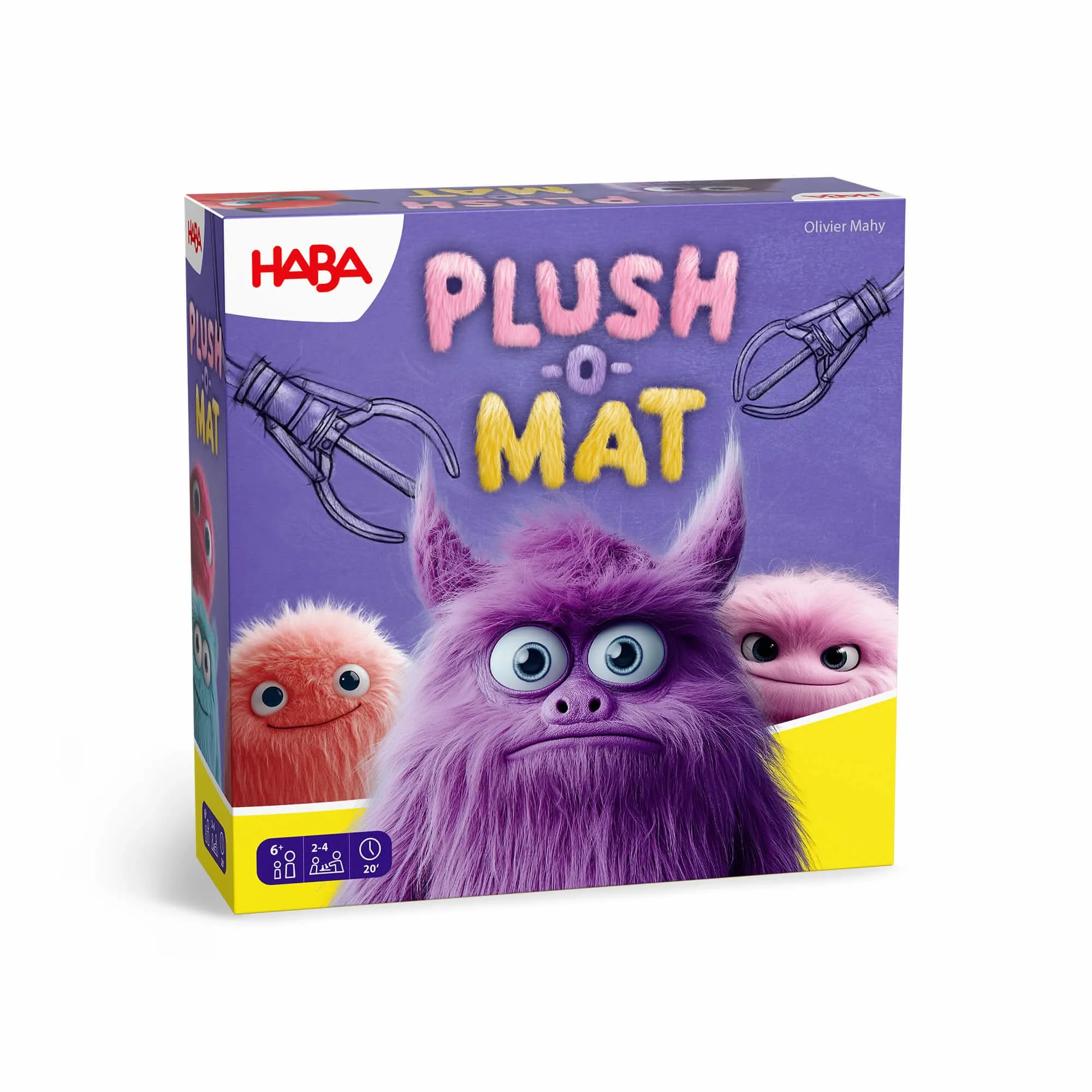
- Plush-o-Mat Game: Players take turns drawing plush monster cards, deciding when to stop and when to keep going. Some monsters are worth big points, while others subtract from the total. This push-your-luck game is compact and offers quick rounds, making it perfect for filling short waits during travel. The simple decision-making is engaging for kids 6 and up.
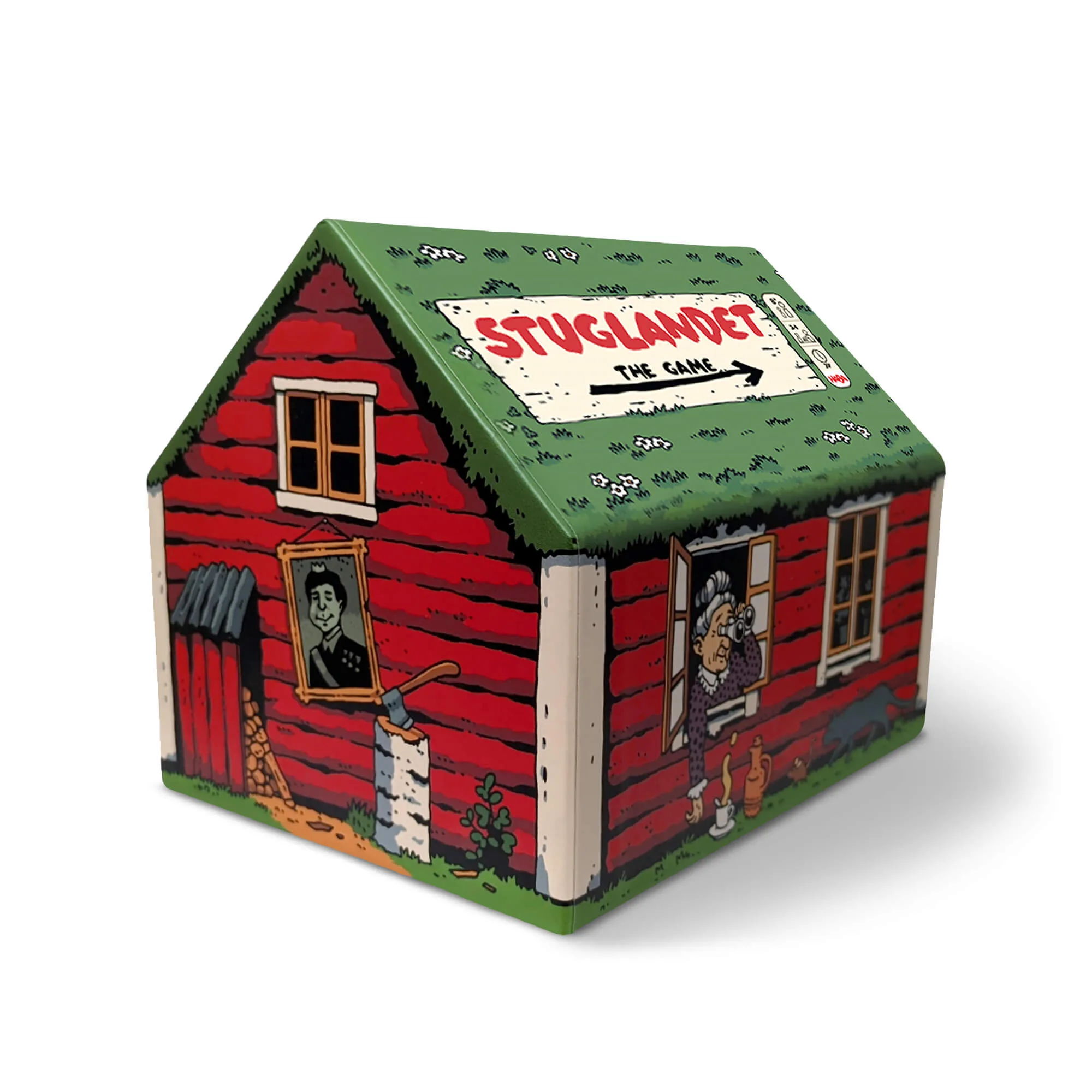
- Stuglandet Cabin Game: Players roll their cabin pieces like dice and compete to claim the most idyllic lakefronts, islands, and city plots. Simple enough for kids, strategic enough for grown-ups. With its unique dice-rolling mechanic and strategic placement, this game offers depth that can keep older kids and adults entertained on long journeys. It's also a great family game for road trips.
Find the Right Fit
Best for
- Families who want a mix of fun and learning during travel.
- Parents looking for compact, durable games that can be played on the go.
- Kids aged 6 and up who enjoy light strategy and luck-based games.
Not for
- Toddlers under 3 who need very simple, large-piece activities.
- Travelers who prefer digital entertainment over physical games.
- Situations where space is extremely limited, such as carry-on only for a long trip.
Choosing the right bring along game for travel doesn't have to be complicated. By focusing on age, portability, durability, and play value, you can find a game that will keep your kids entertained and make your journey more enjoyable. Whether you're on a road trip or a flight, a well-chosen travel game can turn downtime into quality family time.