Quick Answer
For beginners, start with a 6-foot bullwhip made from cowhide or kangaroo hide—it balances control and crackability. Intermediate users can move to 8-10 feet, while experts often prefer 10-12 feet for longer range and louder cracks. Focus on a well-constructed whip with a comfortable handle and quality leather that matches your budget.
Choosing your first bullwhip is about matching the tool to your current ability, not just picking the most impressive one. A whip that's too long or too heavy can frustrate you and slow your progress. This guide breaks down the key decisions—length, material, and craftsmanship—so you can pick a bullwhip that fits your skill level today and grows with you.
We'll look at genuine leather options, explain how length affects handling, and give you clear rules for making your choice. Whether you're into whip cracking as a hobby, performance, or just want a piece of movie history, the right bullwhip makes all the difference.
Why Length Matters Most
The length of a bullwhip is the single biggest factor in how it feels and performs. A shorter whip (4-6 feet) is lighter, easier to control, and ideal for learning the basic overhead crack and target work. It requires less strength and has a smaller margin for error, making it the best starting point for most beginners.
As you gain confidence and arm strength, you can move up to 8-10 feet. These whips give you a longer reach and produce louder, deeper cracks, but they demand more precise timing and a stronger swing. Expert whip crackers often choose 10-12 feet for performance work, but they've put in hours of practice to handle the extra weight and momentum.
- Beginner: 6 feet or shorter for better control.
- Intermediate: 8-10 feet to develop power and range.
- Advanced: 10-12 feet for maximum performance, but only with solid technique.
Leather: Kangaroo vs. Cowhide
The leather type affects durability, weight, and how the whip moves. Kangaroo hide is the gold standard in whip making because it's strong, light, and has a smooth taper that allows for faster, cleaner cracks. It's the preferred choice for serious whip crackers and performers.
Cowhide is heavier and more affordable, making it a practical option for beginners who are still developing their technique and might nick or damage the whip. While it doesn't have the same finesse as kangaroo, a quality cowhide whip can last a long time with proper care. For your first whip, cowhide offers a lower-cost entry point, while kangaroo is an investment that will serve you well as you advance.
- Kangaroo hide: lighter, stronger, and more responsive—best for those who want performance.
- Cowhide: heavier, more affordable, and forgiving—good for practice and budget-conscious buyers.
Craftsmanship and Construction
A well-made whip has a consistent taper, a secure fall and cracker, and a comfortable handle. Look for whips with a braided leather overlay and a solid core that provides weight and balance. The number of plaits (braids) can indicate quality, but it's not the only factor. A 16-plait whip is a mark of fine craftsmanship, but a well-made 8-plait whip can still perform well for a beginner.
Check the handle: it should feel comfortable in your hand and have a wrist loop for security. The fall (the end piece) and cracker (the very tip) are replaceable, so ensure they're properly attached. A whip that's well-balanced will feel like an extension of your arm, not a floppy rope.
- Look for a braided overlay and a solid core for durability.
- A comfortable handle with a wrist loop improves control.
- Replaceable fall and cracker extend the life of your whip.
Decision Rules for Choosing Your Bullwhip
- Rule 1: Start Short: If you're a beginner, choose a bullwhip that is 6 feet or shorter. This length is easier to control and less tiring to swing, allowing you to focus on technique without fighting the whip's weight. A 6-foot cowhide whip is a safe bet for your first purchase.
- Rule 2: Match Leather to Budget and Goals: Decide between cowhide and kangaroo hide based on your budget and how seriously you plan to pursue whip cracking. Cowhide is more affordable and durable for practice; kangaroo offers superior performance for those who want to advance quickly. If you're unsure, start with cowhide and upgrade later.
- Rule 3: Check the Handle and Fall: Inspect the handle for comfort and a secure wrist loop. Ensure the fall and cracker are properly attached and replaceable, as they wear out with use. A comfortable, secure handle is non-negotiable for safe practice.
Bullwhip Options to Consider
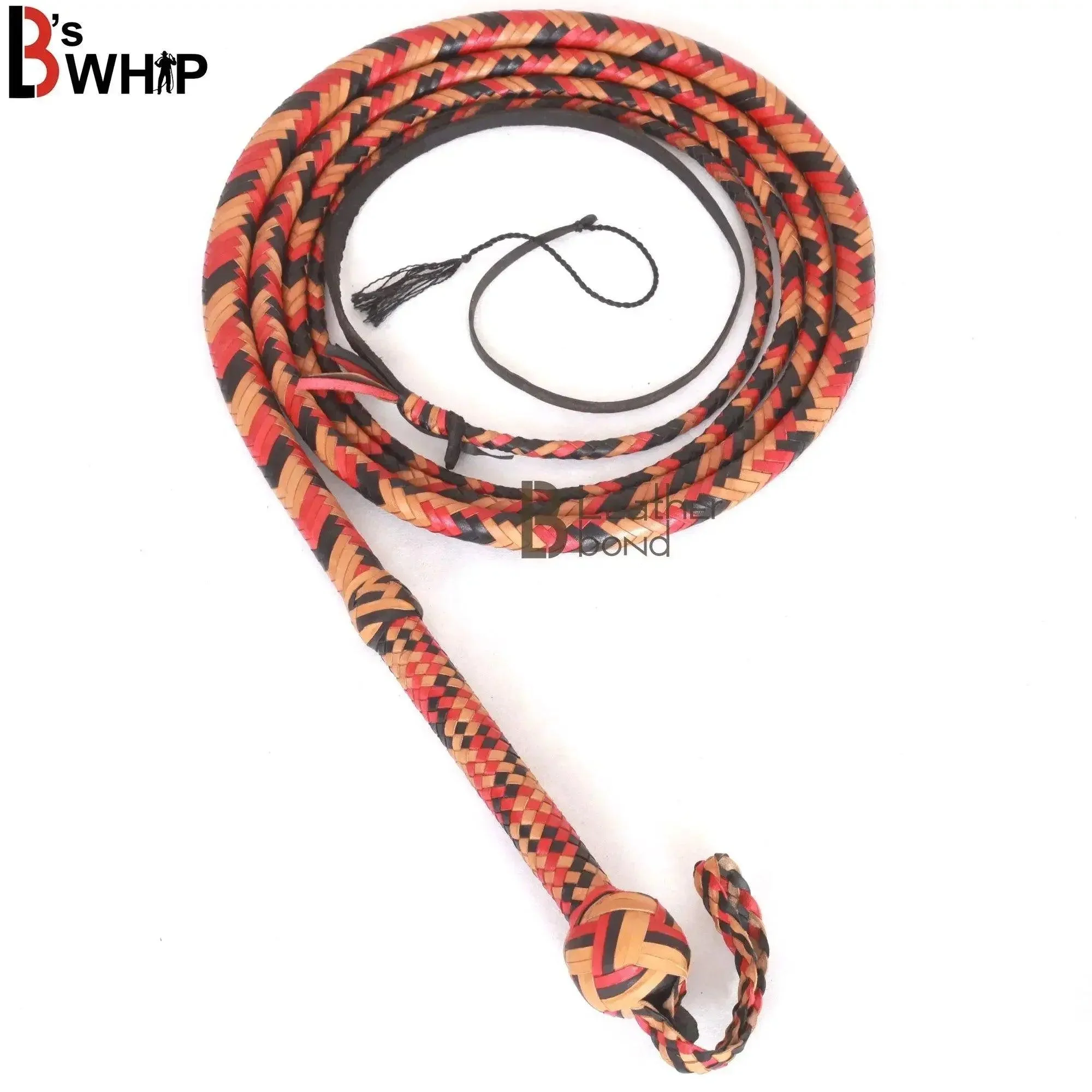
- Indiana Jones Bull Whip | 6 to 16 Feet | 16 Strands Kangaroo Hide | Leather Belly and Bolster Inside – Leather Bond: This iconic whip is crafted from kangaroo hide with 16 strands, and includes a leather belly and bolster inside for added weight and structure. If you're ready to invest in a performance-grade whip, this kangaroo hide model offers the responsiveness and durability that serious crackers appreciate. Available in various lengths, you can choose one that matches your growing skill.
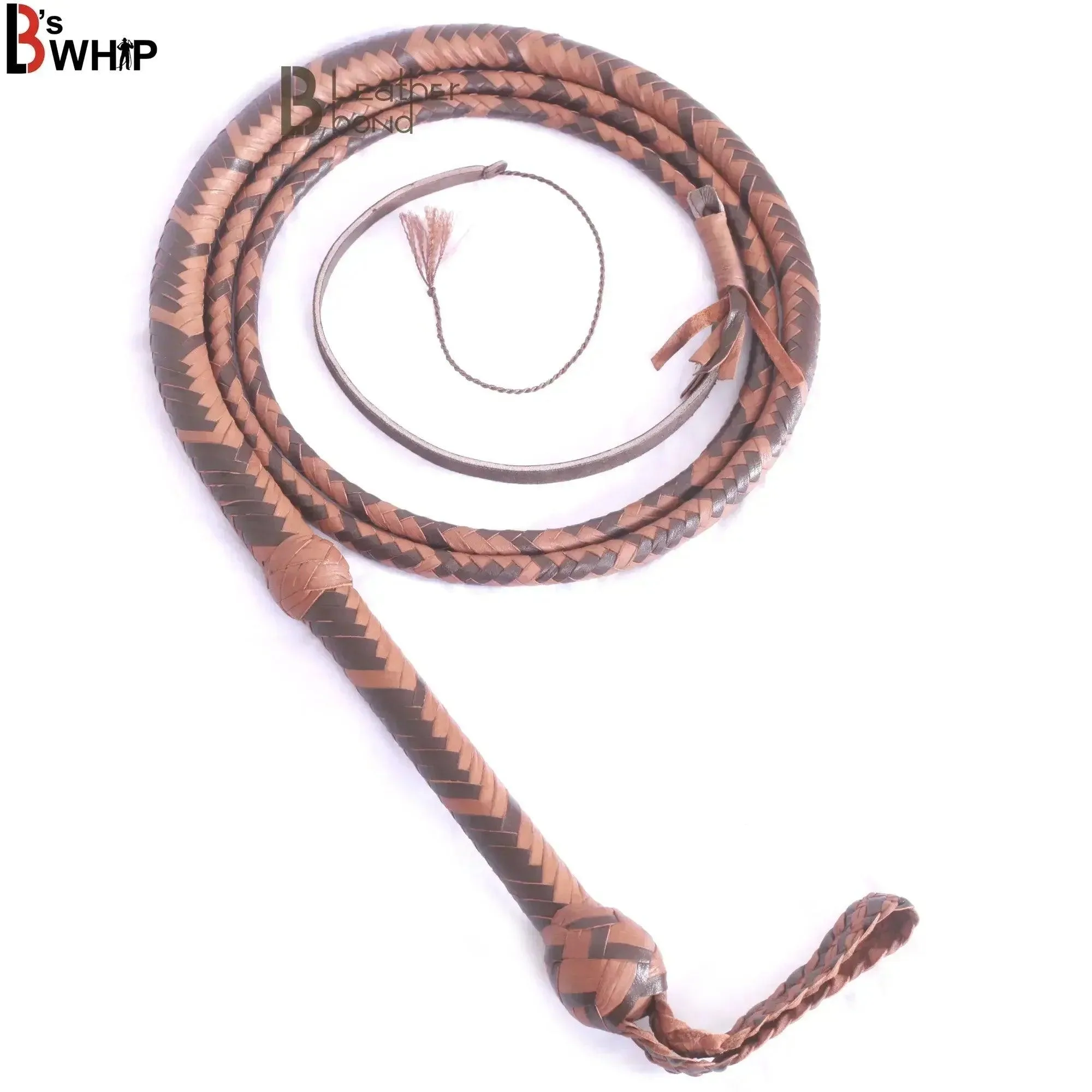
- Indiana Jones Style 6 Foot 16 Plait Dark Brown Leather Bullwhip Real Cowhide Leather Bull Whip: This 6-foot bullwhip features a genuine cowhide leather overlay, is fully handcrafted with 8 plaits, and includes a Turks Head knot, wrist loop, 12-inch fall, and 8-inch cracker. For beginners, this cowhide whip is a practical and affordable choice. Its 6-foot length is ideal for learning, and the included wrist loop adds safety. The classic style also gives you that movie-inspired look without a huge investment.
Who Should Buy What
Best for
- Beginners who want an affordable, forgiving whip for learning basics.
- Intermediate and advanced crackers who want a high-performance kangaroo hide whip for longer range and louder cracks.
Not for
- Beginners who want a 10+ foot whip—this will likely cause frustration and bad habits.
- Budget-conscious buyers who expect kangaroo hide performance at a cowhide price.
Choosing the right bullwhip is a personal journey. Start with a length you can handle, pick a leather that fits your budget and goals, and don't skimp on craftsmanship. As your skills grow, you'll know when it's time to upgrade. For most beginners, a 6-foot cowhide whip is the perfect starting point—it's forgiving, affordable, and fun. When you're ready to level up, a kangaroo hide whip will reward your improved technique with performance you can feel in every crack.