Quick Answer
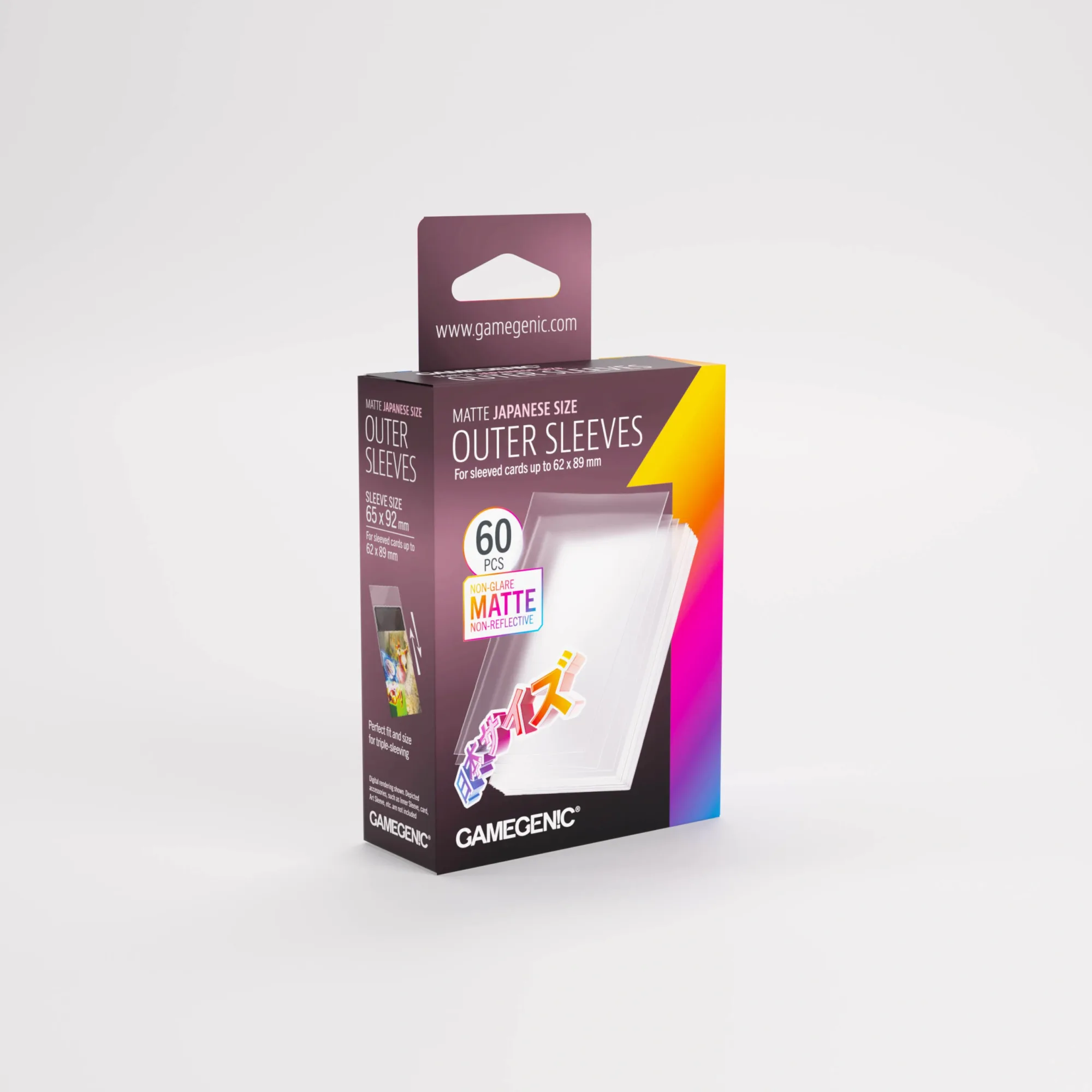
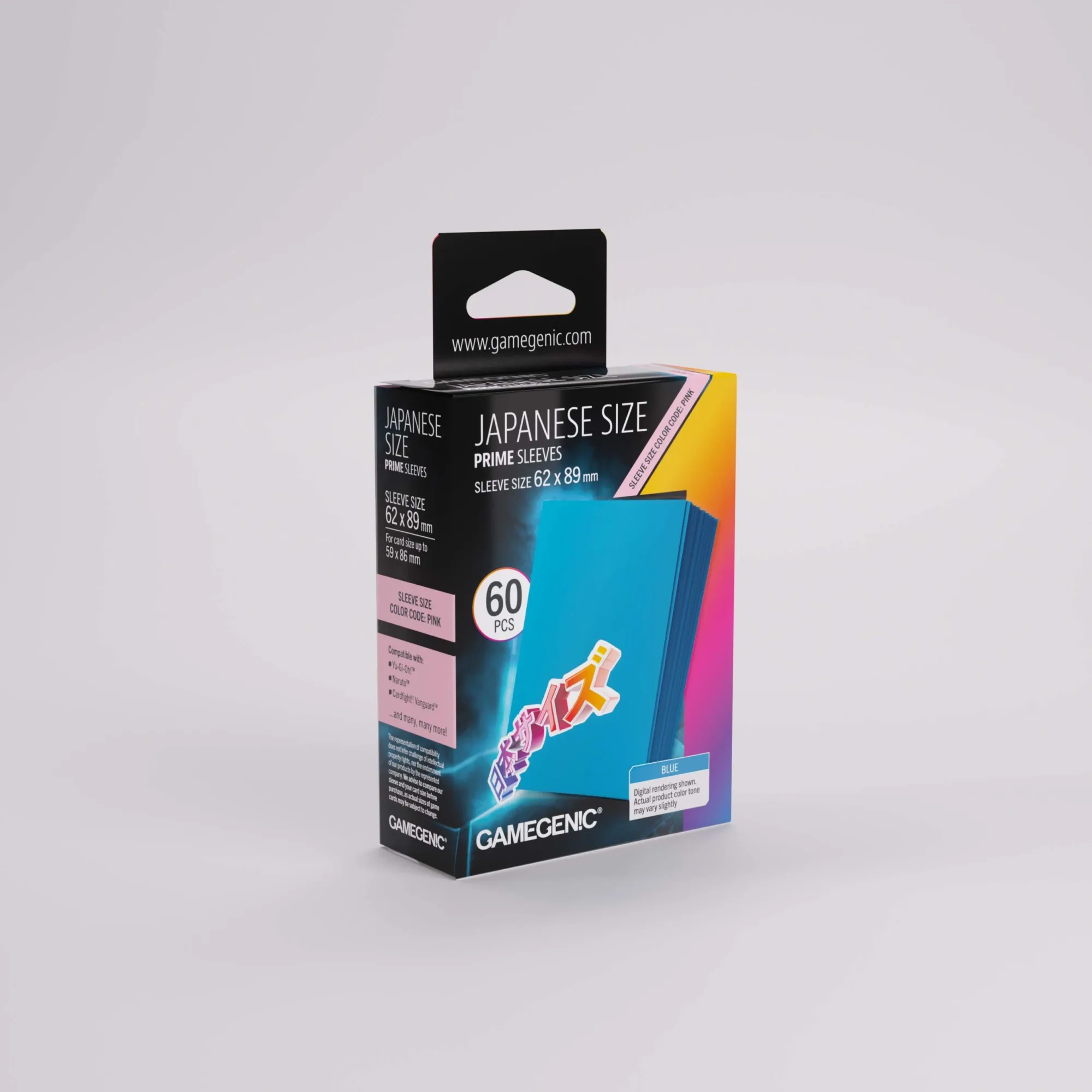
To choose the right card sleeve size, first measure your card's dimensions. For standard games like Magic: The Gathering, use standard card sleeves (66x91mm). For smaller cards like Japanese games, opt for Japanese size sleeves (62x89mm). Always consider inner sleeves for double sleeving to add extra protection.
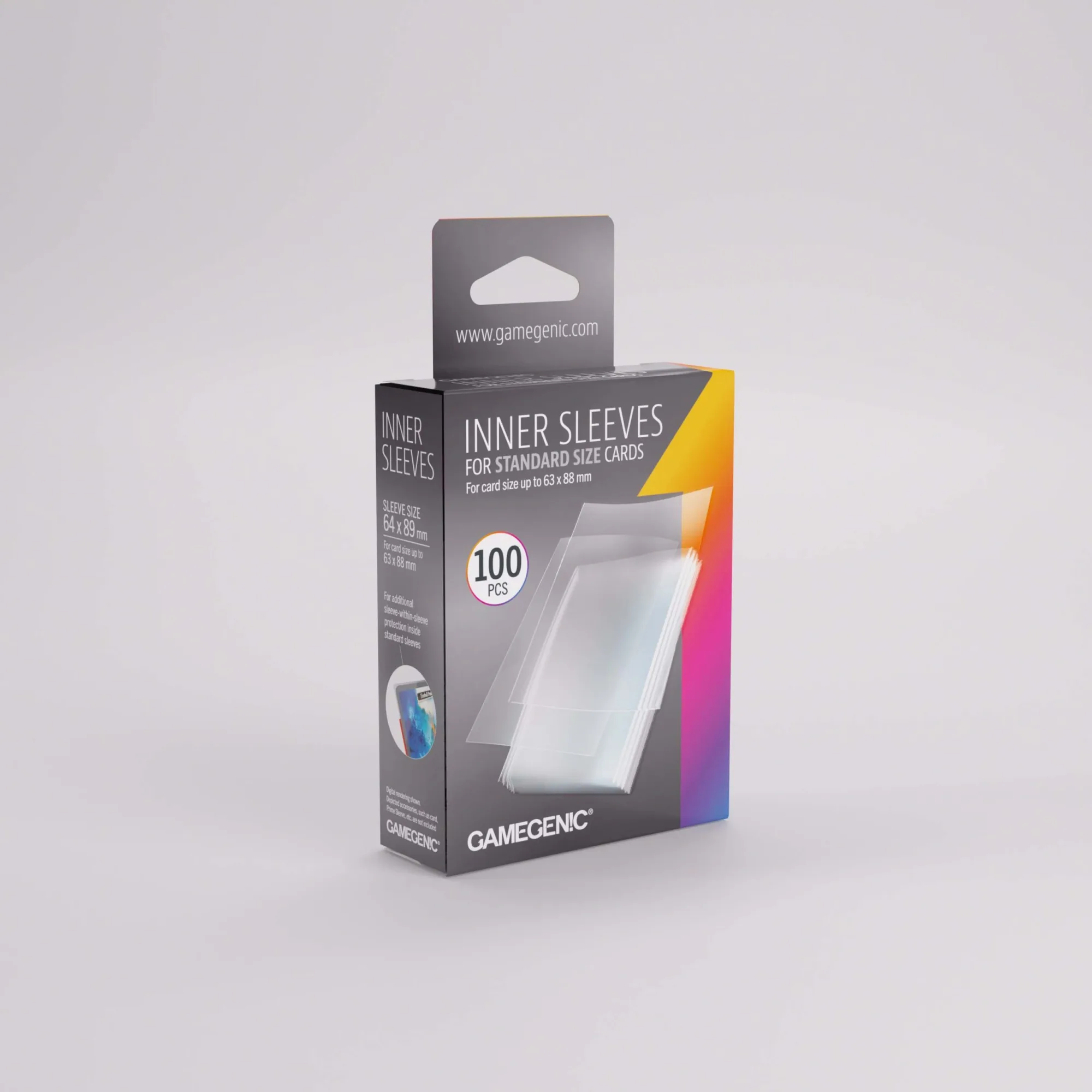
inner sleeves
When it comes to protecting your card collection, sleeve size matters more than you might think. The wrong size can lead to bent corners, loose fits, or sleeves that are too tight, making shuffling a nightmare. This guide will walk you through the process of selecting the perfect sleeve size, whether you're a casual player or a serious collector.
We'll cover the differences between standard and Japanese sizes, the role of inner sleeves, and how to double sleeve effectively. By the end, you'll know exactly what to look for when buying sleeves for your favorite games.
Measure Your Cards First
Before you buy any sleeves, measure your cards. Standard trading cards, like those in Magic: The Gathering or Pokémon, are 63x88mm (2.5x3.5 inches). However, games like Yu-Gi-Oh! or some Japanese TCGs use a smaller size. Use a ruler to measure the height and width of your card to ensure you get the right fit.
If you're unsure, check the game's official specifications online. Many manufacturers list the exact card size. Remember, sleeves are designed to fit snugly, so you want sleeves that are slightly larger than the card itself to allow for the card's thickness.
- Always measure the card itself, not the sleeve, to avoid confusion.
Understanding Standard vs. Japanese Sizes
Standard card sleeves typically measure 66x91mm, accommodating cards up to 63x88mm. These are the most common and work for games like Magic, Pokémon, and Flesh and Blood. Japanese size sleeves are smaller, usually 62x89mm, designed for games like Yu-Gi-Oh! and Cardfight!! Vanguard, which use smaller cards.
Using the wrong size can lead to cards sliding out or sleeves being too tight, causing damage. Always match the sleeve size to your card's dimensions. If you play multiple games, consider having separate sleeves for each size.
The Role of Inner Sleeves
Inner sleeves are perfect-fit sleeves that go directly over your card before you place it in a regular sleeve. They provide an extra layer of protection against scratches, dust, and moisture. This is especially important for valuable cards or those you handle frequently.
When choosing inner sleeves, look for ones that are slightly smaller than your outer sleeve to ensure a snug fit. For example, if you use standard outer sleeves, you'll need inner sleeves that fit a standard card. Double sleeving adds thickness, so make sure your deck box can accommodate the extra bulk.
- Inner sleeves are a must for tournament play where cards are shuffled often.
Double Sleeving: Pros and Cons
Double sleeving offers superior protection, making it ideal for expensive or sentimental cards. It also prevents cards from becoming marked during play, which is crucial in competitive settings. However, double sleeving makes your deck thicker and more difficult to shuffle, and it can be time-consuming to sleeve every card twice.
If you decide to double sleeve, ensure your outer sleeves are of high quality and designed to accommodate inner sleeves. Some sleeves are specifically marketed as 'double sleeving compatible.' Also, consider the size of your deck box—you may need a larger one to fit the extra thickness.
- Practice double sleeving on a few cards first to get the technique down.
Steps to Choose the Right Sleeve Size
- Identify your card size: Measure your card's dimensions or check the game's official specs. Standard cards are 63x88mm, Japanese size is 62x89mm. Common mistake: assuming all trading cards are the same size. Always verify.
- Choose outer sleeves: Select standard or Japanese size sleeves based on your card. Ensure the sleeve's interior dimensions are slightly larger than the card. Checkpoint: Slide a card in; it should fit snugly without bending.
- Decide on inner sleeves: If you want extra protection, buy inner sleeves that match your card size. They should be slightly smaller than your outer sleeves for a perfect fit. Common mistake: using oversized inner sleeves causes bunching. Test with one card first.
- Consider double sleeving: If double sleeving, ensure your outer sleeves are compatible and your deck box has enough room for the added thickness. Checkpoint: After sleeving a few cards, test shuffle and storage to ensure comfort.
- Test and adjust: Sleeve a few cards and test shuffle, draw, and storage. If sleeves are too tight or too loose, try a different brand or size. Verdict: The right sleeve should feel smooth and protect without being bulky.
Products to Consider
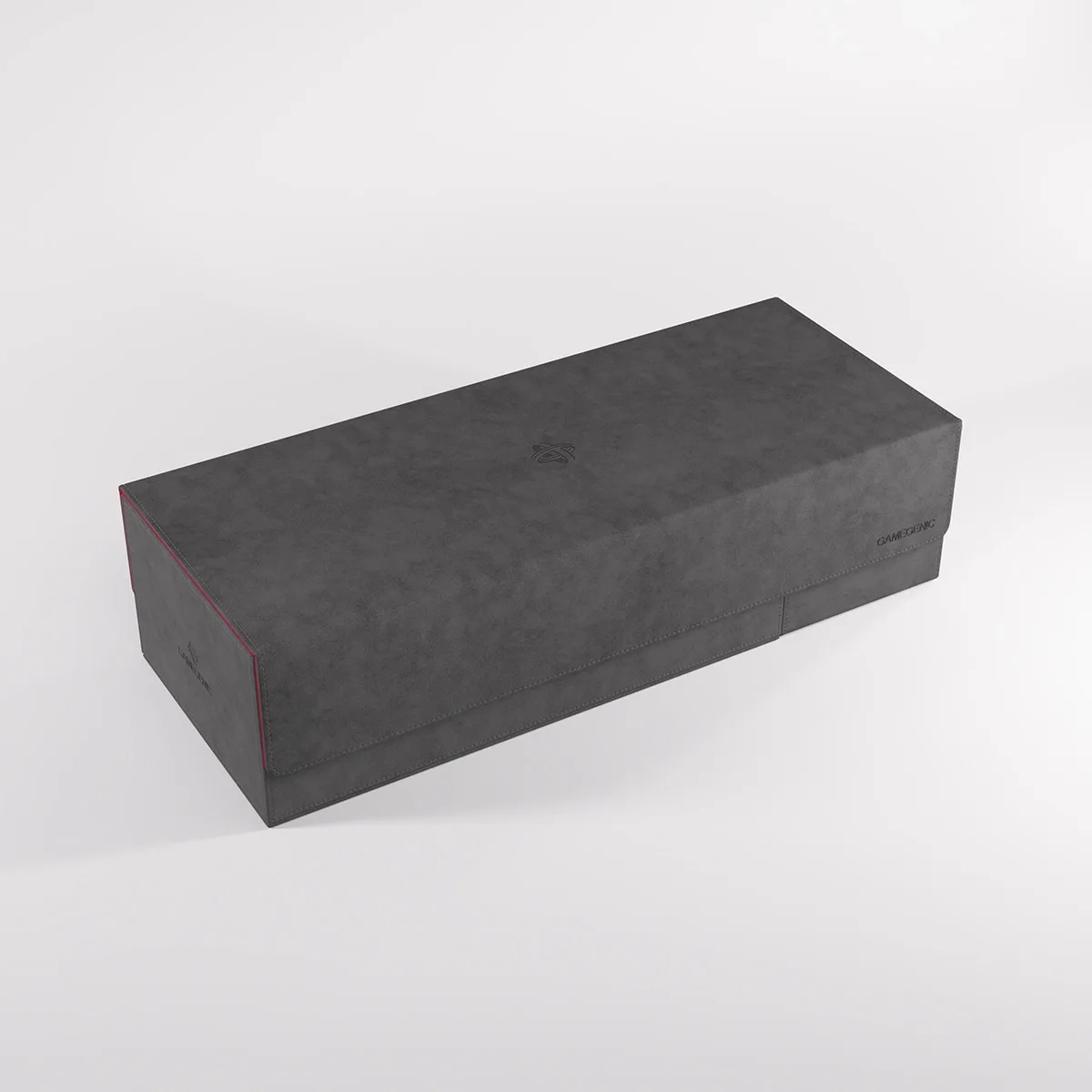
- STRONGHOLD200+ XL CONVERTIBLE: Made to fit 200 double-sleeved cards in particularly thick Inner Sleeves*. It holds 200 regular double-sleeved cards and has extra space for additional tokens, or it perfectly fits 2 Commander** Decks in thicker inner sleeves. Moreover, the accessories drawer is perfect for dice, other... If you double sleeve your cards, this deck box provides the extra space needed to store them without bending or crushing.
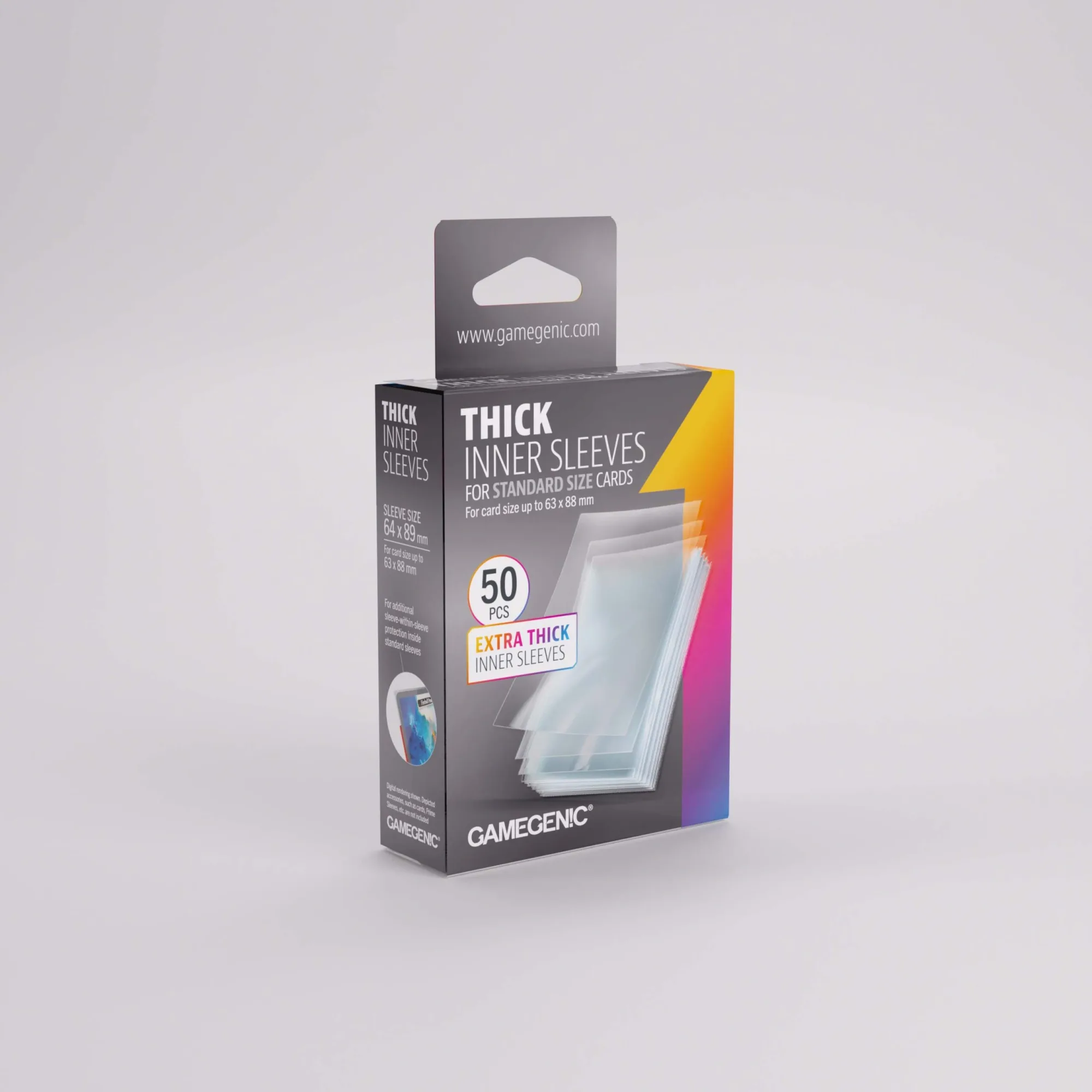
thick Inner Sleeves
- PREMIUM TOPLOADING EXOSHIELDS: High-quality, super clear premium toploading cases for standard-sized cards. Thick plastic encloses the card, keeps it clean and prevents damage. The TOPLOADING EXOSHIELDS are rigid, durable and UV-protected, making them ideal for a huge variety of uses. They are designed to hold sleeved cards*, e.g. Gamegenic‘s Prime/Matte... For cards that need extra display or protection, these toploaders are perfect for sleeved standard cards, adding a rigid layer against bending.
Choosing the right card sleeve size is essential for protecting your collection and enhancing your gameplay experience. By measuring your cards, understanding size differences, and considering inner sleeves, you can ensure your cards stay in pristine condition for years to come. Happy sleeving!