Quick answer
The right cat litter balances your cat's texture preference, your budget, and your priorities for odor control or eco-friendliness. Start with a clumping, unscented clay litter if your cat has no health issues; switch to a non-clumping or plant-based option if dust, tracking, or sustainability matters more.
Clumping vs non-clumping litter: what matters for your cat
Clumping litter forms solid clumps when wet, making daily scooping easy and keeping the box fresher longer. Most cats prefer the texture of fine-grained clumping clay. Non-clumping litter absorbs moisture but stays loose; you must replace it entirely more often, which can be less convenient but often cheaper upfront. If your cat has respiratory sensitivities or you dislike dust, look for low-dust clumping formulas or switch to a non-clumping paper or wood pellet option.
Odor control and your home environment
Odor control depends on the litter's absorbency and whether it uses baking soda, activated charcoal, or natural enzymes. Clay litters with added deodorizers work well for most homes, but some cats avoid strong scents. Unscented, high-absorbency litters often control smells just as well without putting off picky felines. If you live in a small apartment or have multiple cats, prioritize a litter labeled for multi-cat use and plan to scoop daily.
Eco-friendly and specialty litters
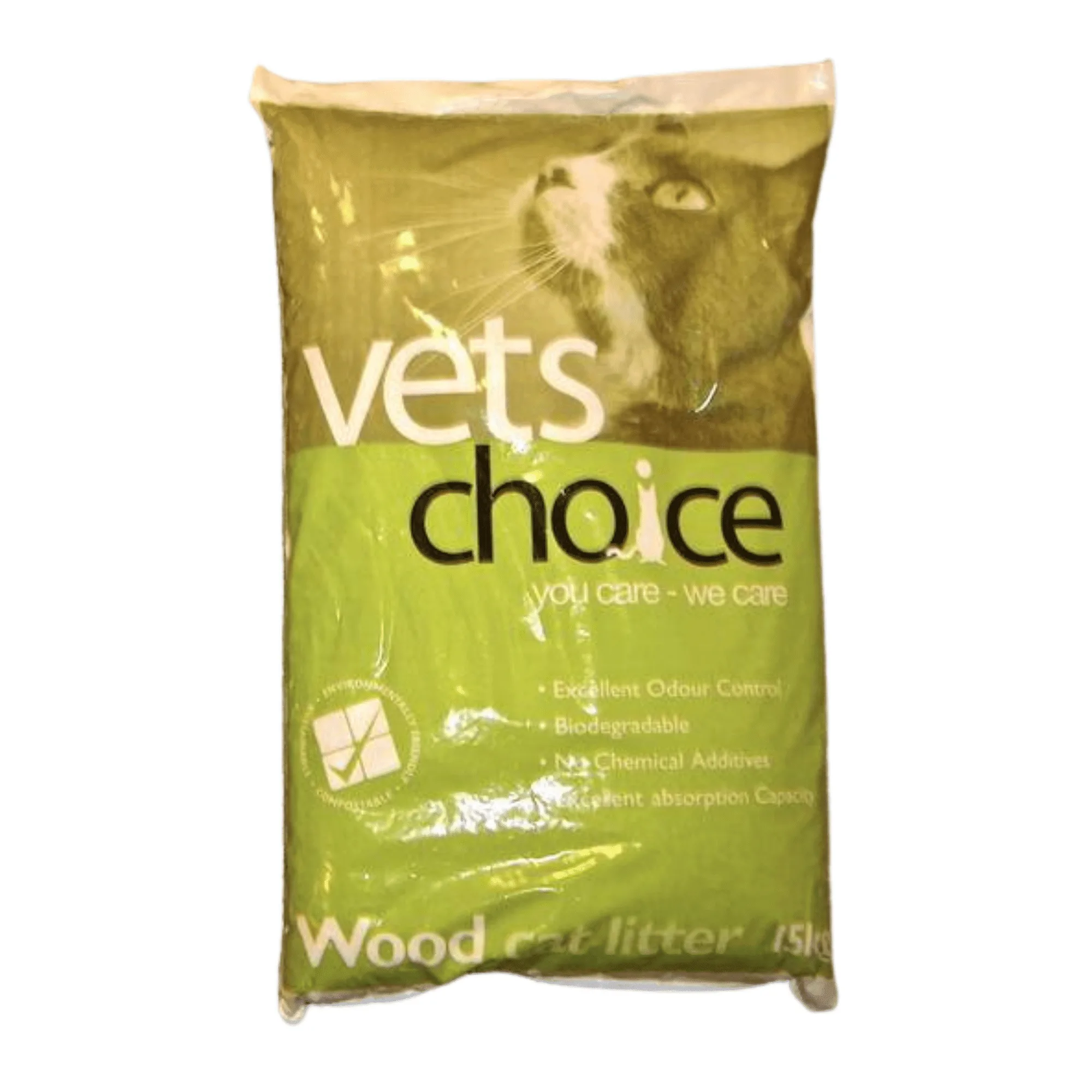
Plant-based litters made from recycled paper, pine, wheat, or corn are biodegradable and often flushable (check local regulations). They produce less dust than clay and are lighter to carry. The trade-off is that some do not clump as firmly, and odor control may require more frequent changes. If sustainability is your top priority, look for a certified compostable or renewable-source litter, but be prepared to experiment with your cat's acceptance.
Decision rules for choosing cat litter
- Start with your cat's texture preference: Most cats prefer fine-grained, clumping litter that feels soft under their paws. If your cat avoids the box, try an unscented, non-clumping paper or pellet litter. Observe your cat's behavior for 3-5 days before committing to a bulk purchase.
- Match litter to your cleaning routine: Clumping litter requires daily scooping but lasts weeks; non-clumping needs full changes every 5-7 days. Choose based on how often you can clean. If you travel often, clumping litter with a sifting box saves time.
- Prioritize health and safety: Avoid heavily scented litters if your cat has asthma or allergies. Low-dust, unscented formulas reduce respiratory irritation and are safer for kittens and seniors. Check for 'low dust' or 'respiratory friendly' labels if your cat sneezes.
Products that support digestive health alongside litter choice
- Katalax 20g: Katalax is a highly palatable laxative paste designed to aid in the elimination and prevention of hairballs and ease mild constipation in cats. It works by softening the faeces and lubricating the digestive tract. If your cat has occasional constipation or hairballs, switching to a low-dust, non-clumping litter can reduce ingestion of particles, and Katalax can help manage the underlying issue safely.
- Purina Pro Plan Veterinary Diets EN Gastrointestinal Wet Cat Food (Chicken) 40x85g: Purina Pro Plan Veterinary Diets EN Gastrointestinal Wet Cat Food (Chicken) offers high digestibility to help reduce workload on the compromised gut and is clinically proven effective in cases of chronic, non-specific diarrhoea. Cats with chronic digestive upset may produce messier stools. Pairing a highly digestible diet with an easy-to-scoop clumping litter makes cleanup quicker and helps you monitor stool consistency for health changes.
Which litter fits your home?
Best for
- Busy owners who want quick daily scooping with minimal odor
- Cats with no known health issues and a preference for fine texture
Not ideal for
- Cats with respiratory sensitivities or dust allergies
- Owners who prioritize biodegradable, flushable options above all else