Quick answer
Measure your seat first, then buy a cushion that matches both the seat width and depth within about an inch. Choose a cushion with a non-slip back or ties if your chair has a smooth or sloped seat, and pick a fabric and fill that match how often the chair sits outside. If you want a no-measuring shortcut, a universal chair cushion works best on standard square or slightly tapered patio seats.
Outdoor chair cushions fail for predictable reasons: they slide, they are too deep for the seat, or the fill flattens after one season. The fix is not a better brand hunt; it is a better measurement and a short list of fit rules you apply before you add anything to your cart.
This guide walks through the decisions that actually change how a cushion feels and stays put, from seat depth and back height to fill, ties, and how the cushion handles weather. Use the decision rules below as a checklist, then match your chair to the right cushion type.
Start with seat measurements, not cushion labels
Measure the seat width at its widest point and the seat depth from the front edge to the backrest. Write both numbers down before you shop. A cushion that is more than about an inch narrower than the seat will shift sideways; one that is too deep will buckle against the backrest and push you forward.
If your chair has a tapered seat, measure the front and back widths separately. Many patio chairs are wider at the front, and a rectangular cushion will overhang at the corners. In that case, look for a cushion described as tapered or contoured, or size down to the narrower back width and accept a little front overhang.
- Measure width and depth at the seat, not the frame.
- Check whether the seat tapers from front to back.
- Leave room for the backrest angle; a cushion that is too thick at the back can make the chair feel cramped.
Match cushion thickness to how you use the chair
Thickness is a comfort and fit decision. A thinner cushion, roughly 2 to 3 inches, keeps the chair's original profile and works well for dining chairs where you sit upright. A thicker cushion, closer to 4 inches, is better for lounging, but it changes the seat height and can make a low chair harder to get out of.
If you stack a thick cushion on a deep lounge chair, check that your feet still reach the ground comfortably. For dining sets, a thinner cushion usually lets you sit closer to the table without your knees hitting the apron.
- Dining chair: thinner cushion keeps table clearance.
- Lounge chair: thicker cushion adds comfort but raises seat height.
- Test the total seat height with the cushion in place before committing.
Choose a fill that holds its shape
Outdoor cushions commonly use foam, polyester fiber, or a foam core wrapped in fiber. Foam holds shape better and is the safer choice for daily use. Fiber-only cushions feel soft at first but tend to compress and need fluffing. If the product listing does not state the fill, treat that as a decision limitation: you cannot judge how it will hold up, so favor a listing that names the fill.
For chairs that stay outside in humidity, a cushion with a quick-drying foam or a drain-friendly design reduces the soggy-seat problem. If the listing does not mention quick-dry properties, plan to bring the cushions in during rain or store them in a deck box.
- Foam core: best shape retention for everyday seating.
- Fiber fill: softer but needs regular fluffing.
- No fill listed: assume it is a basic fill and store it when not in use.
Use ties, grippers, or a non-slip back for sloped seats
A cushion only works if it stays where you put it. Ties at the back corners are the most reliable solution on chairs with a visible back frame. On smooth metal or resin chairs with no tie points, look for a non-slip backing or a cushion with a grippy underside. A cushion with neither will slide forward every time you stand up.
If you already own a cushion that slides, a separate non-slip pad or a few strips of hook-and-loop tape can solve it without replacing the cushion. This is often cheaper than buying a new set.
- Ties: best for chairs with a back frame or slats.
- Non-slip back: best for smooth, frameless seats.
- No attachment and a smooth seat: expect constant readjusting.
Pick fabric for your climate and storage habits
Solution-dyed acrylic and polyester blends resist fading and moisture better than untreated cotton. If your chairs sit in direct sun all day, prioritize fade resistance. If they sit under a covered porch, you have more flexibility and can choose a softer hand-feel.
No cushion is truly maintenance-free. Even weather-resistant fabric benefits from being brought in during heavy rain or extended off-season storage. If you plan to leave cushions out year-round, choose a darker color and a fabric explicitly described as outdoor or weather-resistant.
- Full sun: choose fade-resistant outdoor fabric.
- Covered porch: more fabric options are workable.
- Year-round exposure: darker colors hide wear and mildew better.
Decision rules for choosing an outdoor chair cushion
- Rule 1: Measure before you browse: Write down seat width and depth. Buy a cushion within about an inch of both measurements. If the seat tapers, measure front and back widths separately. If you cannot measure, choose a universal cushion only for standard square seats.
- Rule 2: Match thickness to the chair's job: Use a thinner cushion for dining chairs so you can sit close to the table. Use a thicker cushion for lounge chairs where comfort matters more than table clearance. Test the seat height with the cushion in place before you commit.
- Rule 3: Never buy a cushion that cannot attach: Choose ties for chairs with a back frame, or a non-slip back for smooth seats. A cushion with neither will slide on a sloped or slick seat. If you already own a sliding cushion, add a non-slip pad before replacing it.
- Rule 4: Let the fill and fabric listing decide: Favor a named foam or foam-core fill for shape retention and an outdoor or weather-resistant fabric for sun and moisture. If the listing does not name the fill or fabric, treat that as a limitation. No fill or fabric detail means plan to store the cushion when not in use.
Product facts that show how fit and material decisions play out
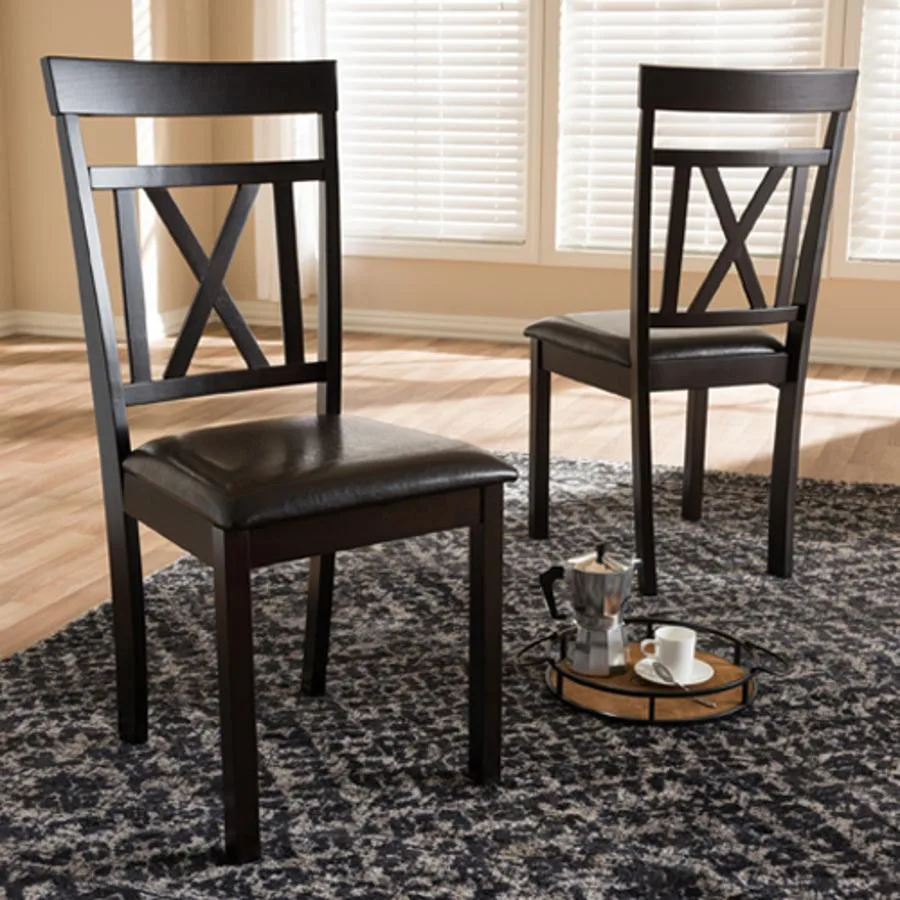
- Baxton Studio Rosie Dining Chairs - Set of 2: These Baxton Studio Rosie dining chairs come as a set of 2 and feature a high, X-back design with dark brown faux leather padded seats and a wenge-finished wood frame. A padded seat that is already upholstered changes your cushion decision. You may only need a thin cushion for extra softness, and you should check whether a cushion with ties will work with the X-back frame rather than assuming it will.
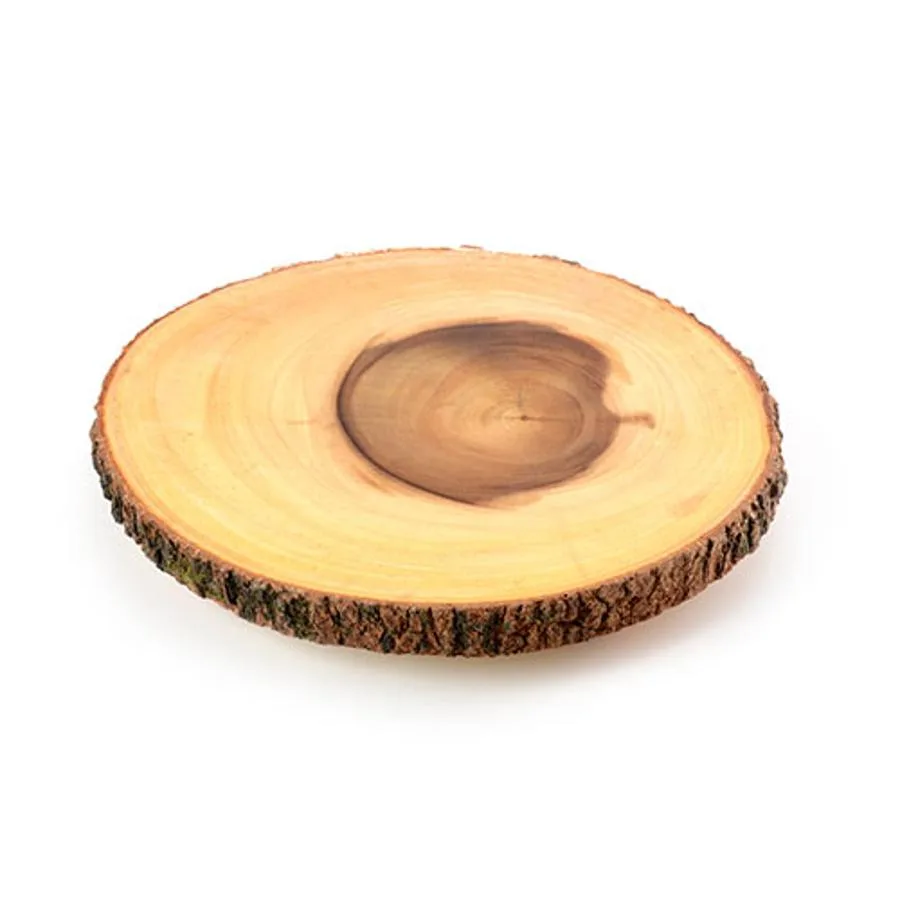
- Acacia 10-12in. Tree Bark Server: The Acacia 10-12-inch Acacia wood tree bark server is handcrafted and suited to serving cheese, crackers, and hors d'oeuvres. This is not a cushion, but it is a useful reminder that outdoor seating is part of a larger patio setup. If you are refreshing a patio, match the wood tones of your serving pieces and furniture so the space looks intentional rather than pieced together.
Who this cushion approach fits
Best for
- Standard square or slightly tapered patio and dining chairs where a measured cushion will fit within about an inch
- Chairs with a back frame or slats that can accept tied cushions
- Shoppers who will bring cushions in during rain or store them off-season
Not for
- Chairs with unusual curved or contoured seats that need a custom-shaped cushion
- Shoppers who want to leave cushions outside year-round with no storage
- Anyone unwilling to measure and hoping a universal cushion will fit any chair
Measure the seat, match the cushion to how you actually sit, and choose an attachment method before you worry about color. That order solves most outdoor cushion problems before they start.