Quick Answer
To choose the right climbing helmet, prioritize a secure, comfortable fit that keeps the helmet stable during falls and impacts. Look for UIAA or CE certification, and consider weight, ventilation, and features like headlamp clips based on your primary climbing style.
A climbing helmet is your most important piece of protective gear, shielding your head from falling rock, ice, and impact during falls. But with many models on the market, how do you pick the right one? This guide breaks down the essential factors and provides clear decision rules to match a helmet to your climbing style and head shape.
We'll cover fit, certification, weight, ventilation, and special features. You'll also learn common trade-offs, such as durability versus weight, so you can make an informed choice that balances safety and comfort.
Fit: The Foundation of Helmet Safety
A helmet only protects you if it stays in place during an impact. A proper fit means the helmet sits level on your head, covers your forehead, and does not rock side-to-side or front-to-back. Most helmets have an adjustment dial at the back to fine-tune the fit, and some offer interchangeable padding for a custom feel.
Try on helmets with the hairstyle you'll typically wear climbing. If you wear a ponytail or a bun, look for a helmet with a compatible adjustment system. Remember that a helmet that feels snug in the store may loosen slightly over time as the padding compresses, so aim for a firm but comfortable fit.
- Ensure the helmet sits low on your forehead, about two finger-widths above your eyebrows.
- Shake your head gently; the helmet should not shift significantly.
- Check that the chin strap forms a V around your ears and is snug but not choking.
Certification and Safety Standards
In North America, look for helmets certified to UIAA 106 or CE EN 12492 standards. These certifications test impact resistance, penetration, and strap strength. Some helmets also meet the ASTM F2040 standard for climbing helmets. A certified helmet provides assurance that it has undergone rigorous testing.
While certification is non-negotiable, different helmets may exceed minimum standards. For example, some are designed to handle multiple impacts, while others absorb a single severe impact and should be replaced. Always check the manufacturer's guidelines on replacement after any significant impact.
- Verify the certification label inside the helmet before purchase.
- Replace any helmet that has been involved in a serious fall or shows visible cracks.
Weight and Ventilation: Trade-offs for Comfort
Helmet weight ranges from about 6 to 14 ounces. Lighter helmets reduce neck fatigue, especially on long approaches or multi-pitch climbs, but often have less durable shells and may be more expensive. Heavier helmets typically offer more robust protection and durability, making them suitable for alpine and ice climbing where rockfall risk is higher.
Ventilation is crucial for comfort in warm conditions or during strenuous climbing. More vents improve airflow but can compromise impact protection and allow small debris in. Some helmets feature adjustable vents to balance airflow and protection. Consider your typical climbing environment: if you climb in hot, sunny areas, prioritize ventilation; if you climb in cold, icy conditions, look for a helmet that can accommodate a beanie underneath.
- For sport climbing and gym use, a lightweight, well-ventilated helmet is often ideal.
- For alpine and ice climbing, choose a more durable helmet with fewer vents and compatibility with a headlamp.
Features: Headlamp Clips, Chin Straps, and More
Many climbing helmets include headlamp clips or straps, which are essential for early starts or night climbs. Check that the clips are easy to use with your headlamp model. Some helmets also have a low-profile design that works well with hoods and climbing helmets over a beanie.
Chin straps vary in design; some use a standard buckle, while others have a quick-release system. Quick-release buckles are convenient but may be less secure in some situations. Ensure the strap is adjustable and comfortable, and that it doesn't interfere with a climbing harness or gear loops.
- Test headlamp compatibility before buying if you plan to climb in the dark.
- Consider a helmet with a removable, washable liner for hygiene.
Decision Rules for Choosing a Climbing Helmet
- Fit first: Try on multiple helmets and adjust the retention system. The helmet should not move when you shake your head and should sit level on your head. If it doesn't fit perfectly, it's not the right helmet.
- Check certification: Look for UIAA or CE certification labels. This ensures the helmet meets minimum safety standards. Never buy a helmet without certification.
- Match weight to use: For gym and sport climbing, choose a lightweight helmet (under 10 oz). For alpine and ice climbing, accept a heavier helmet for better durability. Weight is a trade-off between comfort and protection.
- Consider ventilation and features: If you climb in warm climates, prioritize ventilation. If you need a headlamp, ensure compatibility. For cold climates, check that the helmet fits over a beanie. Features should match your typical climbing environment.
Related La Sportiva Gear for Climbing
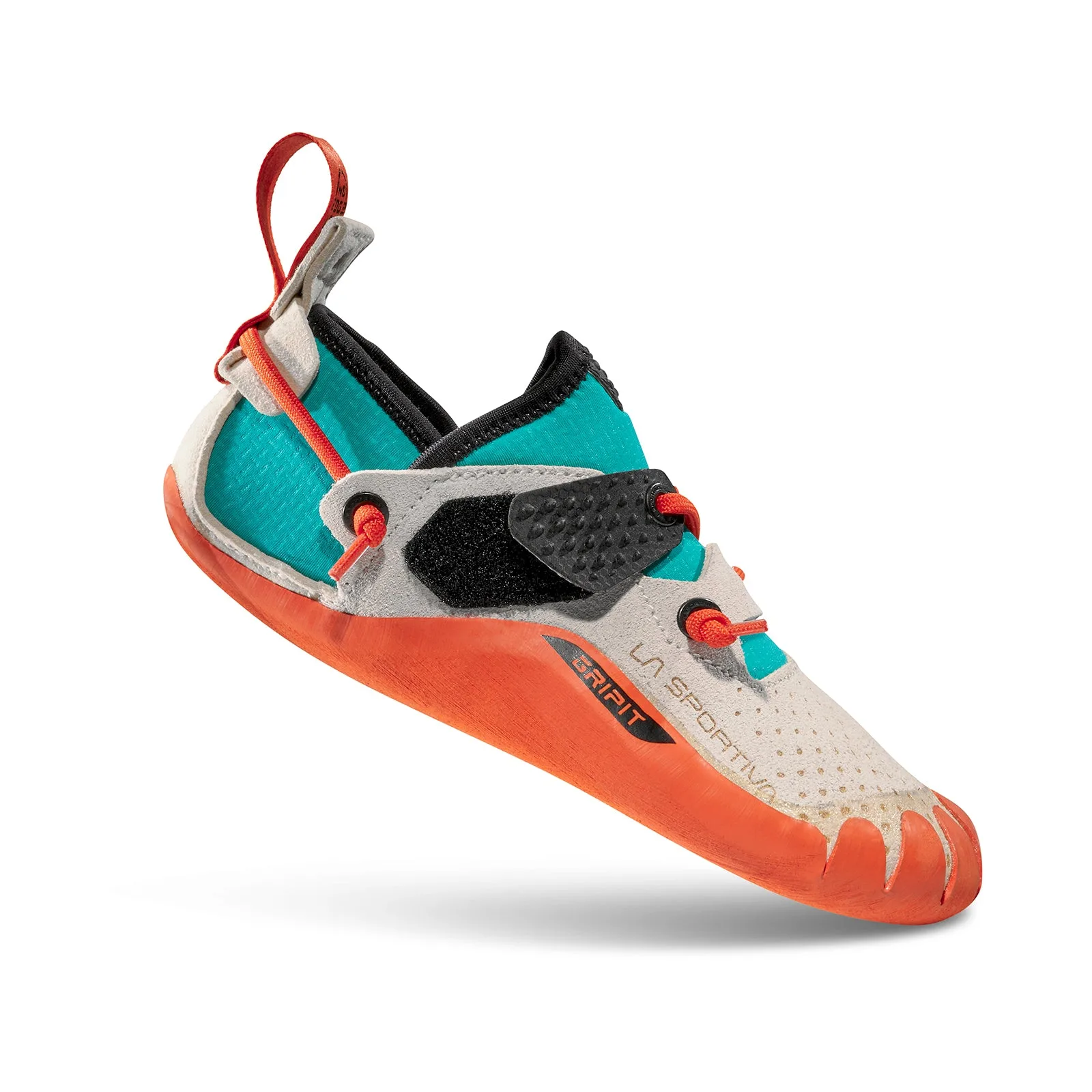
- Gripit: Gripit is the Italian made climbing shoe designed for those getting to grips with the vertical world at a very young age. The La Sportiva Zero-PressTM construction guarantees supreme comfort and no strain on the foot. Made from Eco leather to protect the most delicate and sensitive skin. When fitting a helmet for a child, ensure it matches the size of their head and is adjusted correctly. The Gripit's emphasis on comfort and sensitive skin mirrors the need for a helmet that is gentle on a young climber's head.
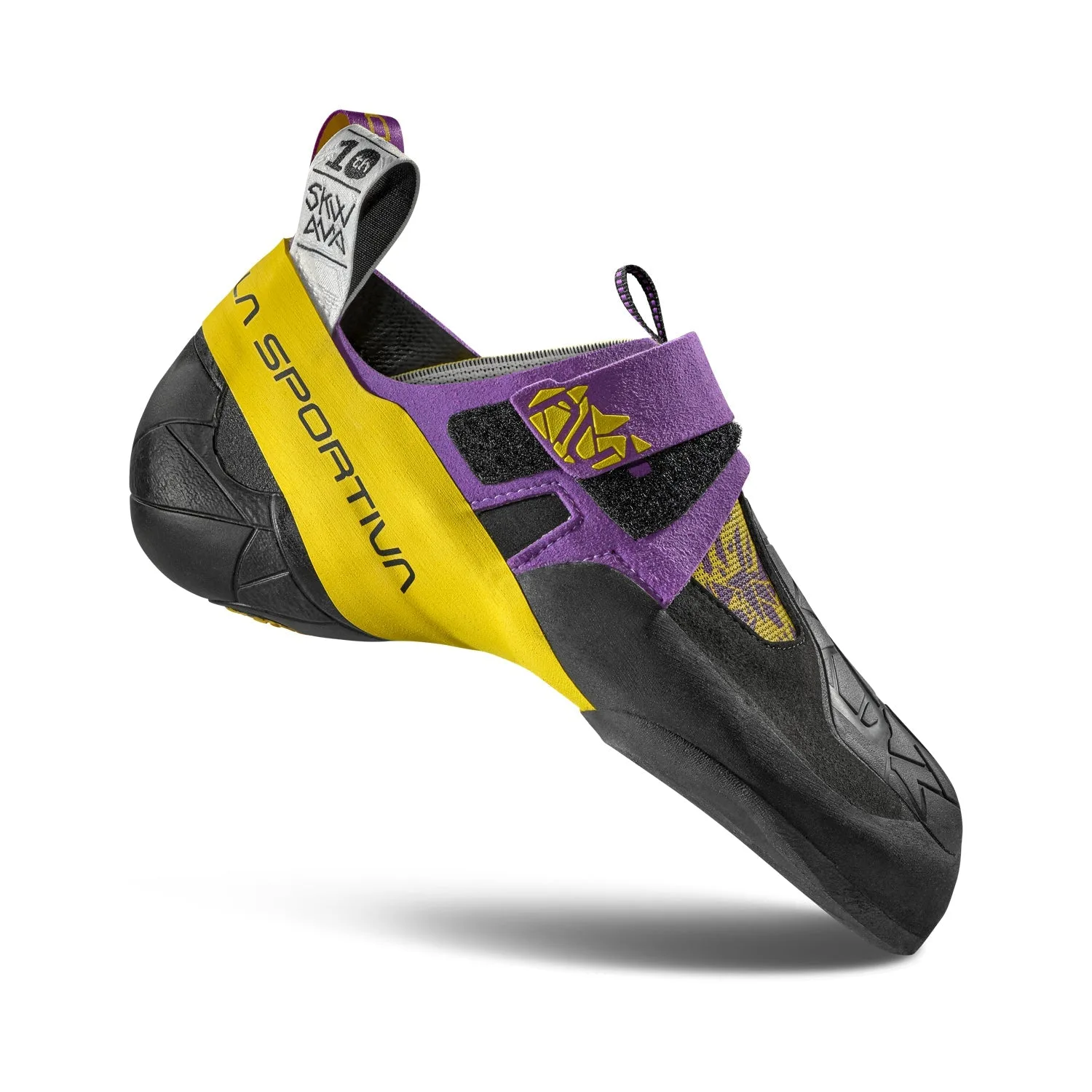
- skwama-lite-df762b0d5b37a8e6a904b48b-891003">Skwama Lite Women's: The Skwama Lite Women's is your gateway to precision, power, and progression. Designed for climbers leveling up their technical game, this shoe delivers the perfect fusion of comfort and performance. As you progress in climbing, a helmet that fits well and stays comfortable during long sessions is as important as high-performance shoes. The Skwama Lite's focus on progression aligns with the need to invest in safety gear that supports your development.
Fit Guidance: Who It's For and Who Should Look Elsewhere
Best for
- Climbers who prioritize safety and want a certified, comfortable helmet for sport, trad, or gym climbing.
- Those who climb in variable conditions and need a versatile helmet with adjustable features.
Not for
- Alpine climbers who require a helmet compatible with a climbing helmet over a hood or with a mountaineering helmet standard (e.g., EN 12492) and may need a more durable shell.
Choosing the right climbing helmet is a balance of fit, certification, weight, and features. Always prioritize a secure fit and certified protection, and consider the trade-offs based on your climbing style. Remember to replace your helmet after any significant impact or if it shows signs of wear. Stay safe and climb on.