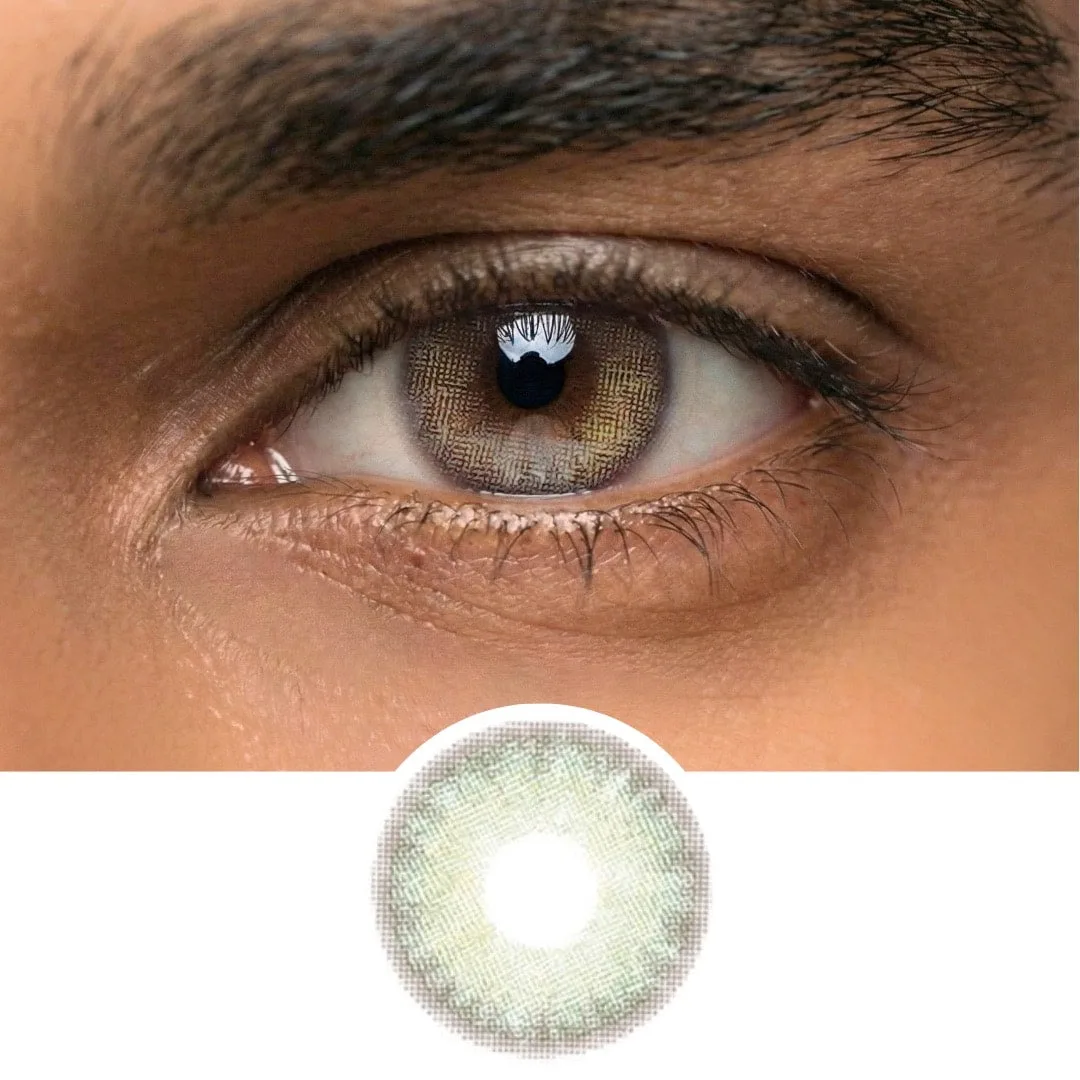
Quick Answer
To choose the right color contact lenses for your skin tone, first determine whether you have warm, cool, or neutral undertones. Then pick lens colors that complement those undertones: warm tones suit honey, brown, and golden shades; cool tones suit grey, blue, and violet; neutral tones can wear almost anything. Focus on how the lens blends with your natural iris rather than just the color itself.
Choosing colored contacts isn't just about picking a shade you like—it's about picking a shade that flatters your skin tone and looks natural. When the color complements your complexion, it enhances your eyes and features; when it clashes, it can look harsh or artificial. This guide gives you straightforward rules to narrow down your options.
We'll walk through how to identify your skin's undertone, which lens colors typically suit each category, and the practical trade-offs to keep in mind. You'll also see how specific lens designs—like limbal rings and translucent pigments—affect the final look on your eyes.
Identify Your Skin Undertone
Before choosing a lens color, figure out whether your skin has warm, cool, or neutral undertones. A quick test: look at the veins on your wrist in natural light. If they appear greenish, you likely have warm undertones. If they look bluish or purple, you're probably cool-toned. If it's hard to tell, you may be neutral.
Another clue is how your skin reacts to jewelry. Warm undertones often look better with gold, while cool undertones shine with silver. Neutral undertones can wear both. Once you know your undertone, you can match lens colors that harmonize with it.
- Warm undertones: look for honey, amber, golden brown, or warm green shades.
- Cool undertones: opt for grey, blue, violet, or cool green shades.
- Neutral undertones: you have the most flexibility—experiment with both warm and cool colors.
Warm Skin Tones: Enhance with Earthy and Golden Hues
If you have warm undertones, your skin has a yellow, peachy, or golden glow. Lenses with warm, earthy colors—like soft browns, honey, and amber—tend to blend seamlessly, making your eyes look naturally brighter. Avoid icy blues or stark greys, which can look disconnected from your complexion.
For a subtle everyday look, consider a lens that adds depth without drastic change. A warm brown with a defined limbal ring can enlarge the iris while keeping the effect believable. If you want a bolder pop, a golden or hazel shade can add warmth and sparkle.
- Stick to shades with yellow or orange undertones.
- Try a brown or honey lens for a natural enhancement.
- Avoid colors that are too cool or pastel, as they may look ashy.
Cool Skin Tones: Embrace Blues, Greys, and Violets
Cool undertones feature pink, red, or blue hues in the skin. Colors like sapphire blue, steel grey, and violet tend to complement these undertones, creating a striking yet harmonious contrast. These shades can make the whites of your eyes appear brighter and add a crisp, refreshing look.
For a subtle shift, a soft grey lens can lighten dark eyes without looking overpowering. If you want more drama, a vivid blue or violet can make a statement. Be cautious with overly warm browns, which might clash with your cool complexion.
- Choose shades with blue or green undertones.
- Grey lenses are a versatile option for a natural cool-toned look.
- Avoid very warm, orange-based colors that can look jarring.
Neutral Skin Tones: Flexibility and Balance
Neutral undertones are a mix of warm and cool, so you have the widest range of lens colors to choose from. You can pull off both warm browns and cool greys with equal ease. The key is to focus on the effect you want—whether it's a subtle enhancement or a bold change—rather than worrying about undertone matching.
Still, consider your natural eye color. If you have dark brown eyes, very light shades may require more opaque pigments to show up. If you have lighter eyes, translucent designs can produce a natural color shift. Neutral skin tones can experiment with both warm and cool palettes, so let your personal style guide you.
- Test both warm and cool shades to see what feels right.
- Consider your natural eye color when choosing opacity.
- Neutral tones can handle bolder colors without looking off.
Your Decision Rules
- Rule 1: Match undertone: Determine your skin undertone (warm, cool, or neutral) and choose lens colors in the same family. Warm? Go for browns and honey. Cool? Try greys and blues. Neutral? You have flexibility. Check your wrist veins to quickly identify your undertone.
- Rule 2: Consider your natural eye color: Dark eyes need lenses with enough opacity to show the color. Light eyes can use translucent designs for a natural blend. Always check product descriptions for opacity hints. If you have dark brown eyes, choose lenses with more opaque pigment.
- Rule 3: Think about the occasion: For daily wear, subtle shades look more natural. For photos or events, bolder or limbal-ring designs can make your eyes stand out. Balance your comfort with the desired effect. Keep a subtle pair for everyday and a bolder pair for special occasions.
Real Lens Options to Consider
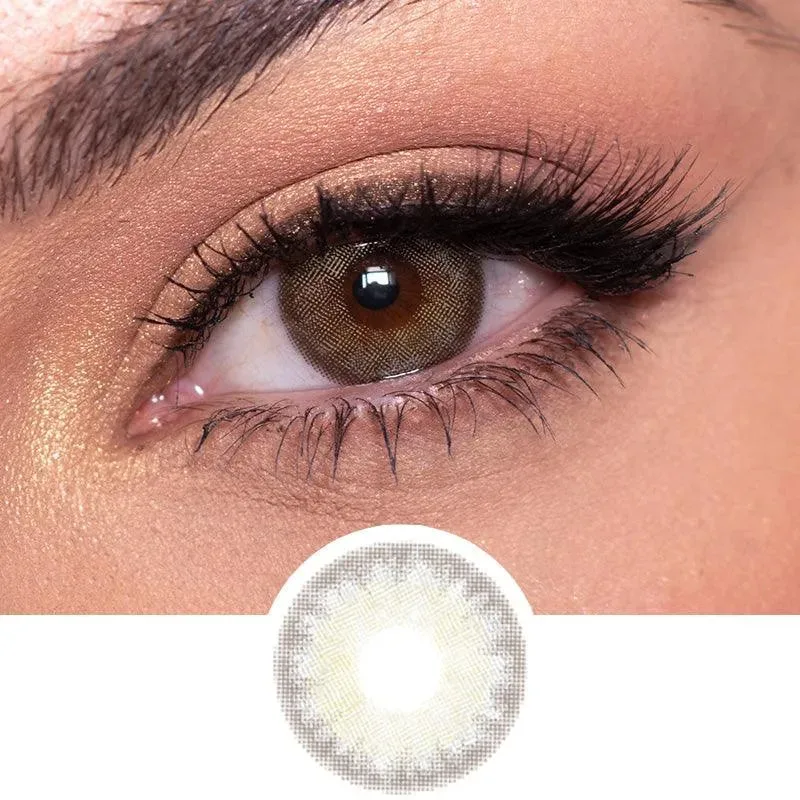
- https://eyecandysus.com/products/eyecandys-isla-mirage-grey-colour-contacts-01db93d72547cdf6033bca2c-667826EyeCandys Isla Mirage Grey: Isla Mirage Grey softens and brightens dark eyes with a cool, natural-looking grey inspired by the easy, understated vibe of the Isla collection. Designed for customers who want a subtle shift rather than a dramatic change, this shade uses a smooth, even pigment pattern that lightens brown irises while keeping the finish clean and believable. If you have cool undertones and want a natural everyday look, this grey lens offers a subtle shift that doesn't overpower your complexion.
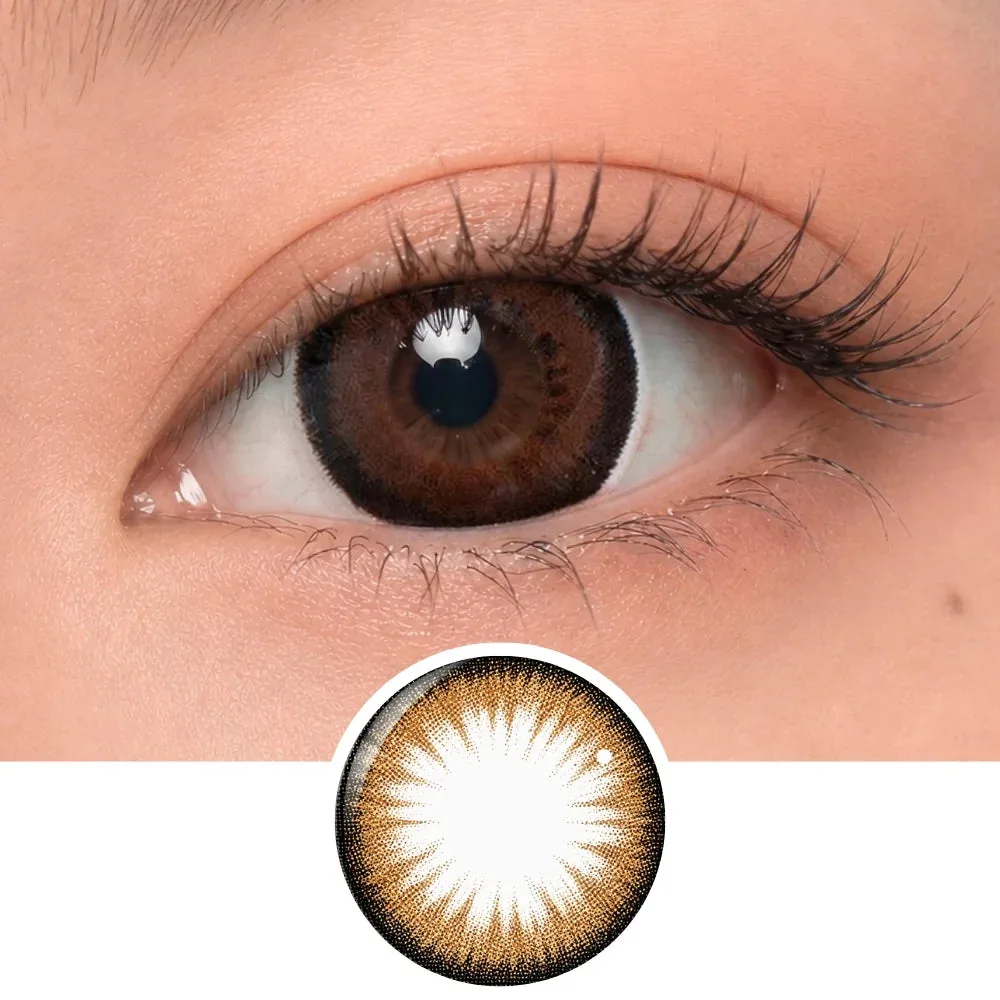
- Pink Label Bambi Almond Brown: Pink Label Bambi Almond Brown delivers the signature wide-eyed circle lens look with a soft almond-brown tone designed to stand out while remaining polished. Inspired by Japanese beauty trends, this shade blends a light, creamy brown center with a defined dark limbal ring to create noticeable iris enlargement and high-impact definition that reads clearly in person and on camera. For warm undertones, this almond brown with a limbal ring enhances the iris and adds definition, making it a great choice for a polished, noticeable look.
Who Should Choose What?
Best for
- Warm skin tones: earthy browns, honey, and amber shades
- Cool skin tones: grey, blue, and violet shades
- Neutral skin tones: any shade that matches your desired effect
Not for
- If you want a very natural, subtle change, avoid high-contrast limbal rings.
- If you have sensitive eyes, avoid lenses with heavy opaque pigments; opt for breathable designs.
Choosing the right color contact lenses for your skin tone comes down to understanding your undertone and the effect you want. Start with these rules, experiment with a couple of shades, and you'll find a pair that makes your eyes look naturally stunning.