Quick Answer
For most people, a simple, well-ventilated case with separate left and right compartments is enough. If you travel often, choose a leak-proof, compact design. If you wear daily disposables, you may not need a case at all—but having one for backup is wise.
A contact lens case is a small accessory that plays a big role in keeping your lenses clean and your eyes healthy. Whether you wear monthly lenses or daily disposables, the right case protects your lenses from damage and contamination. But with so many options—from basic screw-top cases to mirrored, patterned, or multi-purpose designs—it can be hard to know which one fits your routine.
This guide breaks down the key factors to consider, including material, size, portability, and hygiene features. We'll also give you clear decision rules so you can pick a case that suits your lifestyle without overpaying for features you don't need.
Material and Build Quality
The most common contact lens cases are made from polypropylene or polyethylene. These plastics are lightweight, durable, and resistant to most disinfecting solutions. Look for a case with a smooth interior surface—rough edges can scratch your lenses or harbor bacteria.
Some cases come with silicone gaskets in the lids to create a tighter seal. This is especially useful if you're prone to spilling solution or if you travel with your case in a bag. A well-sealed case also helps prevent the solution from evaporating, keeping your lenses moist between uses.
- Check that the case closes securely with a click or firm twist.
- Avoid cases with sharp seams or ridges inside the lens baskets.
Size and Portability
Consider where you'll store your case. If you only handle your lenses at home, a standard-sized case is fine. But if you're a frequent traveler or like to keep a spare in your purse, a compact or flat case might be more convenient.
Some cases are designed to be extra slim, fitting easily into a pocket or small cosmetic bag. Others come with additional compartments for solution bottles or tweezers, which can be handy but add bulk. Think about your daily routine and what you're willing to carry.
- For travel, choose a leak-proof case with a secure closure.
- If you have a dedicated space at home, prioritize comfort over compactness.
Hygiene and Maintenance
Your contact lens case needs regular cleaning to prevent bacterial growth. Cases with fewer crevices are easier to rinse and air dry. Some cases have ventilation holes in the lid to promote air circulation, which helps the case dry out between uses—this is a feature worth looking for.
Remember to replace your case every three months, or as recommended by your eye care professional. Even the best case will accumulate microbes over time, so regular replacement is non-negotiable for eye health.
- Rinse your case with fresh solution (not tap water) after each use.
- Leave the case open to air dry when not in use.
Decision Rules: Choose Your Case
- If you wear monthly or bi-weekly lenses: You need a case that seals well and is easy to clean. Look for a sturdy case with separate compartments for left and right lenses to avoid mix-ups. Prioritize hygiene features and durability.
- If you travel frequently: Choose a compact, leak-proof case that fits in your carry-on or purse. A flat or slim design is ideal. Avoid bulky cases with extra compartments unless you need them. Portability is key—test the seal before you pack.
- If you wear daily disposables: You don't need a case for daily storage, but having a spare for emergencies (like removing lenses mid-day) is practical. A basic, inexpensive case is sufficient. Keep a backup case in your bag, but don't overspend.
- If you have limited dexterity or vision: Look for a case with a wide opening and easy-grip lids. Color-coded lids (blue for right, white for left) can help prevent mix-ups. Ease of use is more important than style.
Contact Lens Cases and Bundles
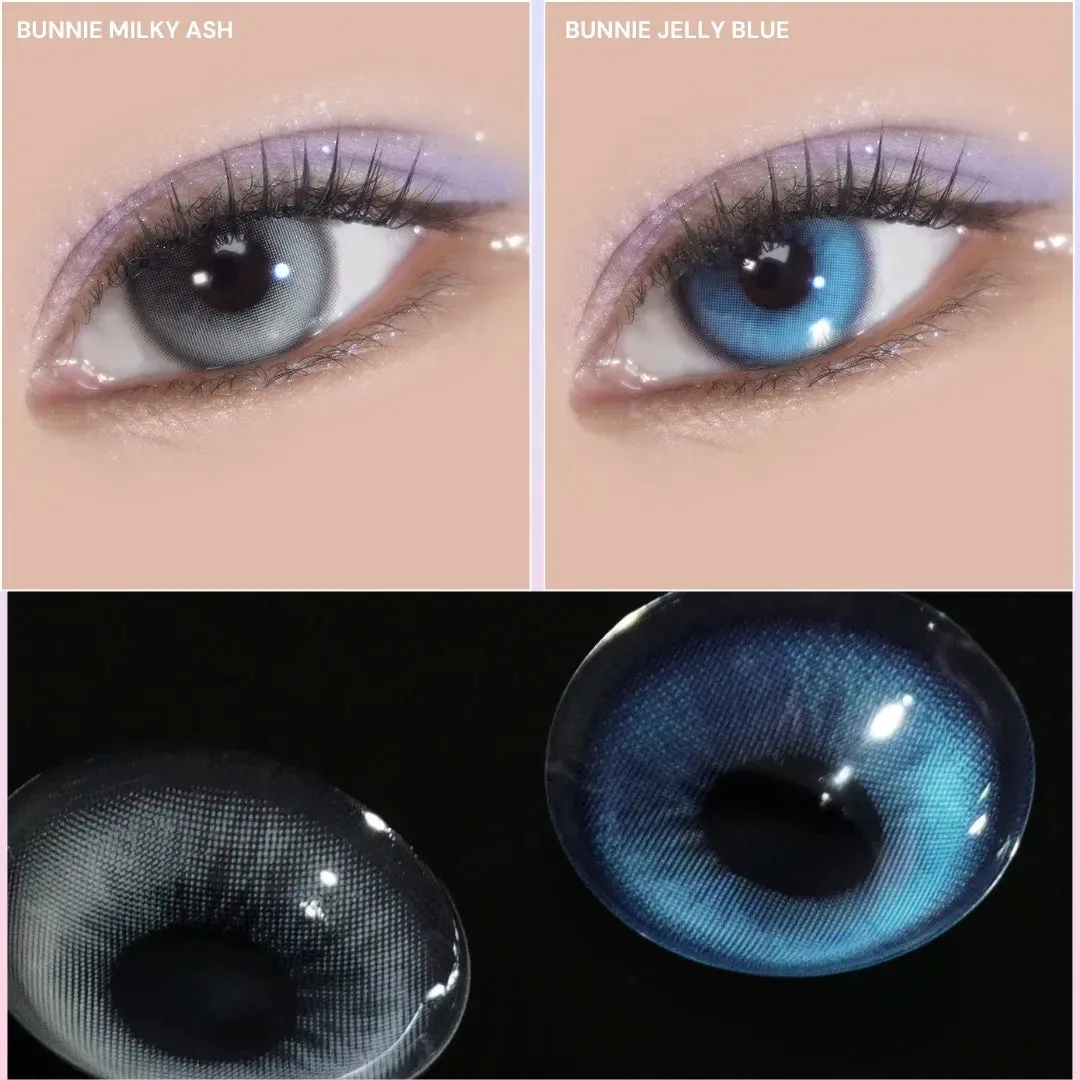
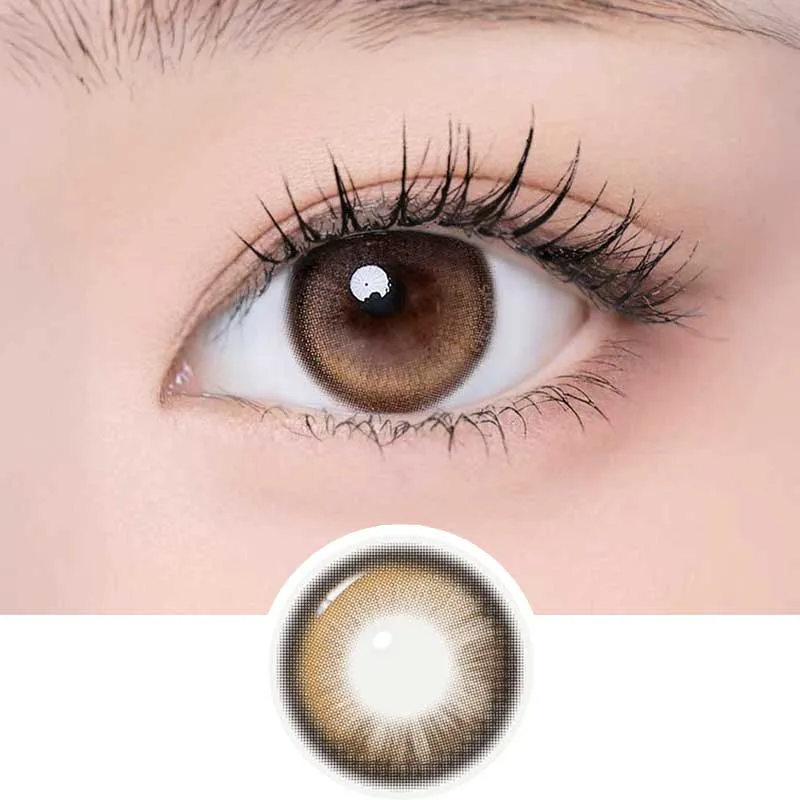
- EyeCandys Bunnie Color Contact Lens (1 PAIR): The Bunnie Series is designed to give dark eyes a soft, luminous glow through light-reflecting colour contact lenses that feel fresh, youthful, and wearable. If you wear these monthly lenses, you'll need a reliable case to store them overnight. Choose a case that complements your lens care routine.
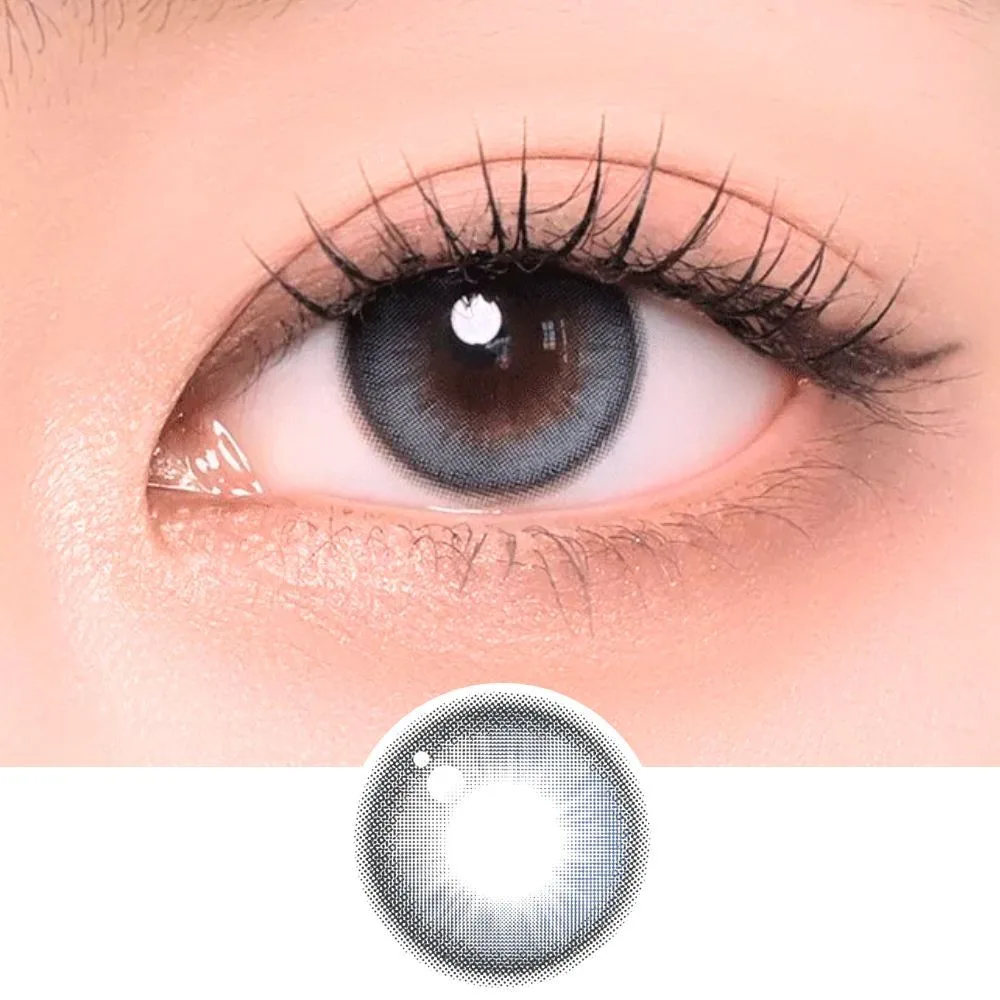
- Chuu Daisy Shower Pure Blue: This monthly lens lays a soft, dewy blue over your iris for a bright, clear wash that stays wearable while turning a few heads. Monthly lenses require proper storage between wears. A good case ensures your lenses stay hydrated and ready for your next wear.
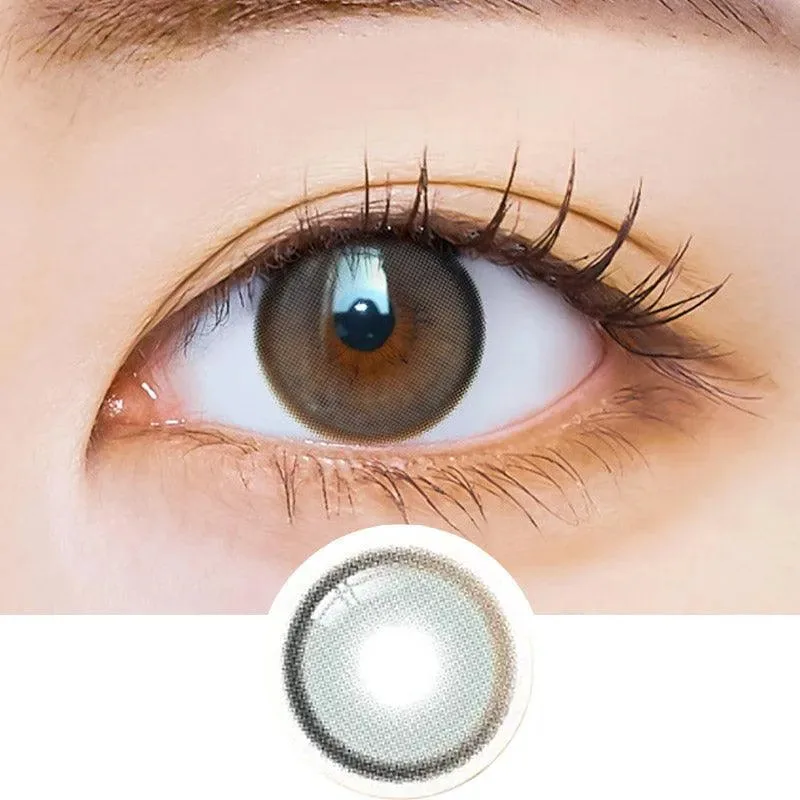
- i-Sha Oriana Fit Royal Grey: Oriana Fit colored contacts bring sparkle into your life. You'll see your eyes immediately glimmer straight after application. For occasional wearers, a compact case you can keep in your bag makes it easy to switch lenses on the go.
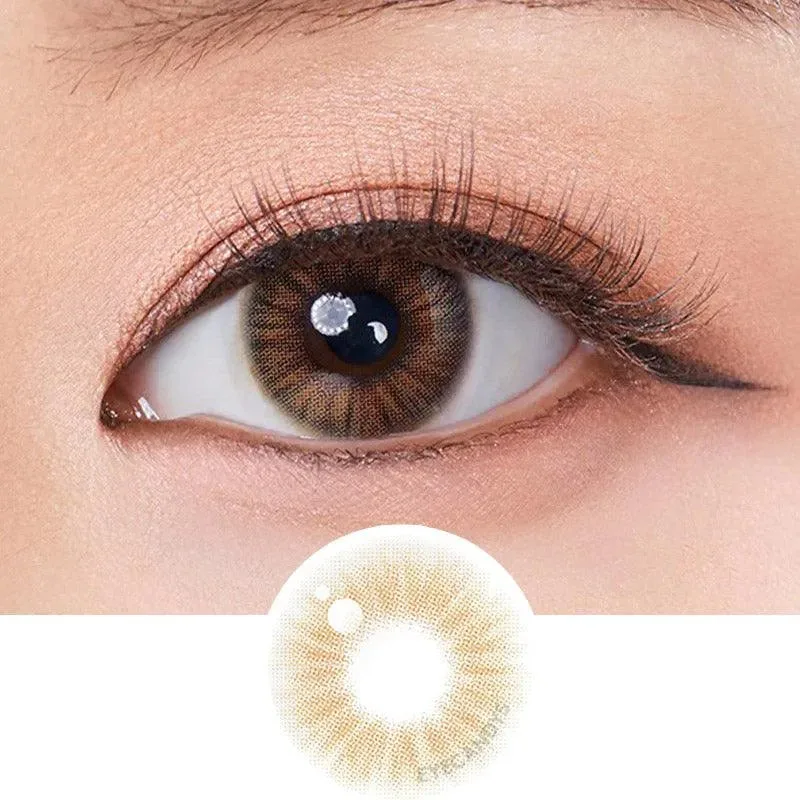
- Olola Heiress Brown: These lenses last for 6 months with proper care and cleaning. Long-lasting lenses demand consistent care. Invest in a high-quality case that you'll be happy to use daily for months.
Which Case Fits You?
Best for
- Monthly lens wearers who need a durable, easy-to-clean case for nightly storage.
- Travelers who want a compact, leak-proof case that won't spill in a bag.
Not for
- Daily disposable wearers who don't need regular storage—they might prefer a simple backup case.
- Those who prioritize aesthetics over function—choose a case that meets hygiene and practical needs first.
Choosing the right contact lens case comes down to your lens type, lifestyle, and hygiene habits. A quality case is an investment in your eye health, so take the time to find one that fits your routine. Remember to replace it every three months and keep it clean. With the right case, you'll keep your lenses comfortable and your eyes happy.