Choosing the right cutting board is a foundational decision in any kitchen. It affects your prep efficiency, knife longevity, and even food safety. With so many materials, sizes, and styles available, it can be overwhelming to pick the perfect one. This guide will walk you through the essential factors to consider, helping you find a cutting board that fits your cooking style and needs.
Whether you're a home cook or a professional chef, the cutting board is your daily workhorse. From chopping vegetables to carving meats, the right board can make your prep work safer and more enjoyable. Let's dive into the key considerations, including material, size, and maintenance, so you can make an informed choice.
Material Matters: Wood, Plastic, and More
The material of your cutting board is the most critical factor. Wooden boards, such as those made from maple or walnut, are gentle on knife edges and naturally antimicrobial. They are ideal for most tasks, but require regular oiling and should not be submerged in water. On the other hand, plastic boards are dishwasher-safe and easy to sanitize, making them a popular choice for raw meats and poultry.
There are also composite and bamboo options, each with their own pros and cons. Bamboo is eco-friendly and harder than many woods, but can dull knives faster. Composite boards are often made from wood fibers and resin, offering a durable, dishwasher-safe alternative. Your choice should balance durability, maintenance, and the types of food you typically prepare.
- Wood boards: gentle on knives, needs hand washing and oiling
- Plastic boards: dishwasher-safe, good for raw meat
- Bamboo: sustainable but can be hard on knife edges
Size and Thickness: Finding the Right Fit
The size of your cutting board should correspond to your kitchen space and prep needs. A small board might suffice for quick tasks, but if you frequently chop large quantities, a larger surface is more efficient. Consider the space on your countertop and storage. A board that is too large can be cumbersome, while one too small may lead to overcrowding.
Thickness also matters. Thicker boards are more stable and less likely to warp, but they are heavier and require more storage space. Thinner boards are easier to store and handle, but may not be as durable. For heavy-duty use, a thick butcher block offers a sturdy surface that can double as a serving platter.
- Choose a size that fits your prep area and storage
- Thicker boards are more durable but heavier
- Consider a butcher block for versatility
Wood vs Plastic: Which Is Better?
The age-old debate of wood vs plastic cutting boards comes down to personal preference and usage. Wood boards are classic, durable, and can be refinished over time. They are less likely to harbor bacteria when properly maintained, as wood has natural antimicrobial properties. However, they require more care and are not dishwasher-safe.
Plastic boards are lightweight, inexpensive, and easy to clean. They can be sanitized in the dishwasher and are available in various colors, which can help prevent cross-contamination. On the downside, plastic boards can develop deep knife grooves that harbor bacteria, and they are not as eco-friendly. Ultimately, many kitchens keep both types for different tasks.
- Wood: classic, durable, needs maintenance
- Plastic: easy to clean, color-coded for safety
- Many cooks use both for different purposes
Maintenance and Care Tips
Proper care extends the life of your cutting board and ensures food safety. For wooden boards, wash with hot soapy water, rinse, and dry immediately. Avoid soaking, and periodically apply food-grade mineral oil to prevent drying and cracking. Plastic boards can be washed in the dishwasher, but be sure to dry thoroughly to prevent warping.
Regardless of material, inspect your board regularly for deep grooves or cracks. These can harbor bacteria and are difficult to clean. When a board shows significant wear, it's time to replace it. With the right care, a good cutting board can last for years, making it a worthy investment in your kitchen.
- Hand wash wood, dishwasher for plastic
- Oil wood boards regularly
- Replace boards with deep grooves
Choosing the Right Cutting Board for Your Kitchen
Now that you know the key factors, consider your cooking habits. If you often prepare large meals, a large butcher block like the 17” Prep & Serve Butcher Block could be ideal. It offers ample space and can be used for serving. For smaller tasks, a compact board like the Small Cutting Board is perfect for quick prep and easy storage.
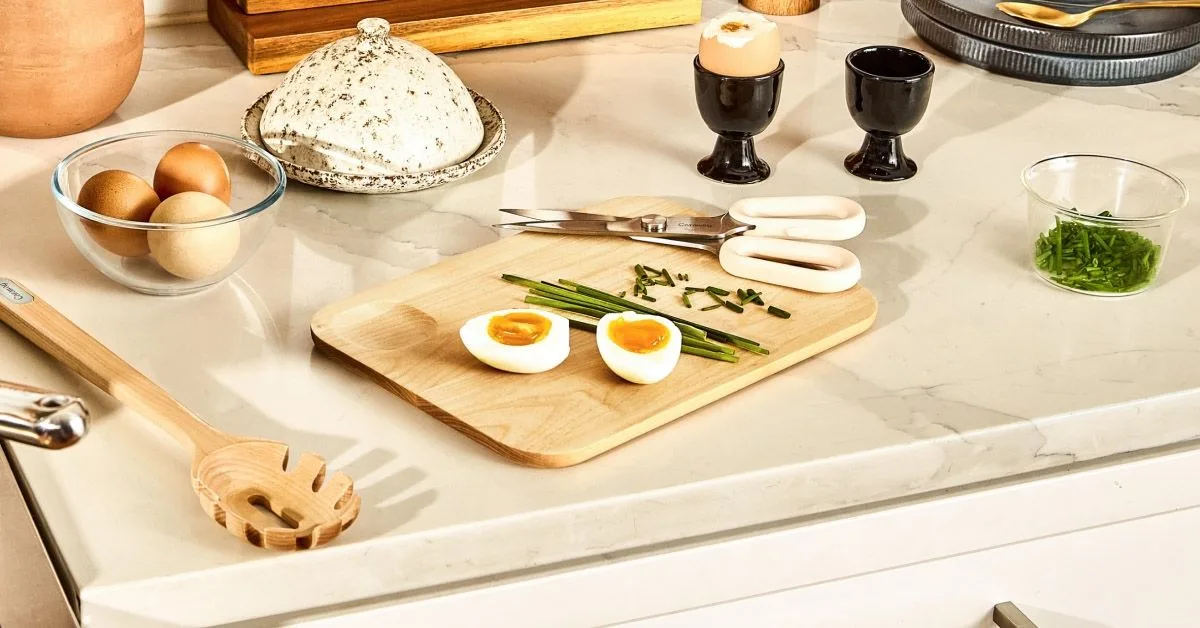
Small Cutting Board
Think about what you'll be cutting. For raw meat, a plastic board that can be sanitized is safer. For vegetables and bread, a wooden board is gentle and aesthetically pleasing. If you want versatility, a butcher block can serve as both prep surface and serving platter, making it a great addition to your kitchen.
- Assess your cooking habits and prep tasks
- Consider a butcher block for versatility
- Match the board to your cutting needs
Choosing the right cutting board is a personal decision that depends on your cooking style, maintenance preferences, and budget. By considering material, size, and care requirements, you can find a board that will serve you well for years. Explore our range of cutting boards, including the versatile 17” Prep & Serve Butcher Block, to find the perfect match for your kitchen.