Quick Answer
Choose a d-ring that is slightly wider than the strap it will hold. For most bag projects, a 3/4" d-ring works well with straps up to about 1/2" wide. If you're using thicker materials or wider webbing, move up to a 1" d-ring. Always consider the overall hardware look and how the d-ring will be attached.
D-rings might be small, but they play a big role in how your bag looks and functions. They attach straps, handles, key fobs, and more. Choosing the right size ensures your hardware works smoothly and looks polished.
In this guide, we'll break down the key factors: strap width, hardware pairing, and project type. You'll learn simple rules to make the right call every time.
Why D-Ring Size Matters
The size of a d-ring affects both function and style. If it's too small, your strap won't feed through easily, causing frustration and wear. Too large, and the strap may flop around or look out of proportion.
A well-chosen d-ring also contributes to the overall aesthetic. A d-ring that's too big can overwhelm a small bag, while one that's too small might look lost on a large tote. Matching the scale to your project is key.
- Measure the width of your strap or webbing before choosing a d-ring.
Strap Width and D-Ring Fit
The most common rule is to select a d-ring with an inner opening slightly larger than your strap's width. This allows the strap to slide through without catching. For example, a 3/4" d-ring typically works well with straps that are about 1/2" wide.
If you're using thick materials like cork or faux leather, consider the bulk. A strap that's 1/2" wide but made of thick layers might need a larger d-ring to accommodate the extra thickness. When in doubt, go a size up.
- For straps up to 1/2" wide, a 3/4" d-ring is a safe choice.
- For wider straps (up to 1"), choose a 1" d-ring.
Pairing with Other Hardware
D-rings often work with sliders, swivel hooks, and other findings. To achieve a professional look, keep the finish and style consistent. For example, if you're using antique brass rivets, choose d-rings in a matching finish.
Size coordination matters too. A d-ring that's too small might not fit the swivel hook you plan to use. Check the dimensions of all hardware pieces to ensure they work together.
- Pair d-rings with coordinating sliders and swivel hooks for a cohesive look.
Considering Your Bag Pattern
Your bag pattern often specifies the recommended hardware size. If you're using a pattern from Sallie Tomato, look for the hardware list. For example, the Phlox Tote & Clutch Kit includes all the materials you need, so you don't have to guess.
If you're designing your own bag, think about where the d-ring will be placed. D-rings at the top of a bag for strap attachment may need to be smaller than those used as decorative accents. Consider the weight the hardware will bear.
- Check your pattern's hardware requirements before buying d-rings.
Decision Rules for D-Ring Size
- Rule 1: Match the Strap Width: Measure the width of your strap or webbing. Choose a d-ring with an inner opening that is slightly larger than the strap width. For example, a 3/4" d-ring fits straps up to about 1/2" wide. If your strap is 1/2" or less, a 3/4" d-ring is a safe bet.
- Rule 2: Account for Material Thickness: If your strap is made from thick or multiple layers of fabric, choose a larger d-ring to accommodate the bulk. A 1" d-ring might be necessary for straps that are 1/2" wide but very thick. When in doubt, size up to avoid a tight fit.
- Rule 3: Coordinate with Other Hardware: Ensure the d-ring size is compatible with any sliders, swivel hooks, or clips you plan to use. Also, match the finish (e.g., antique, nickel) for a professional look. If you're using rivets, pick a finish that matches your d-rings.
Hardware Options from Sallie Tomato
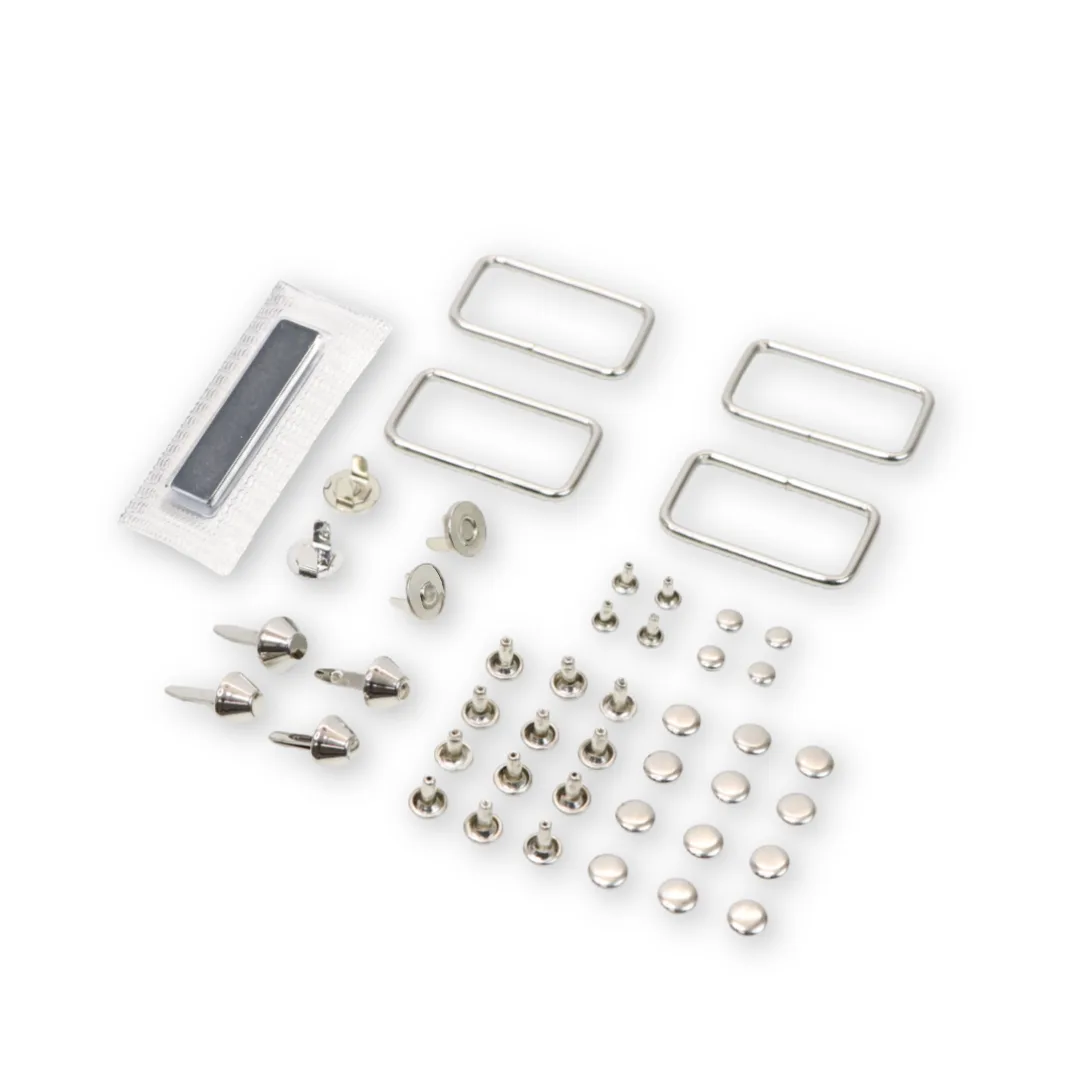
- Four Tula Pink 3/4" D-Rings: These 3/4" d-rings are perfect for purses, crossbody bags, handbags and more. They are functional and add a bit of bling to your handmade bags. You can use d-rings to attach straps, handles, key fobs, and more. You can pair d-rings with coordinating slider buckles and swivel hooks for a professional look. This is a versatile size for many bag projects, especially when your straps are around 1/2" wide. The set of four gives you enough for multiple attachments.
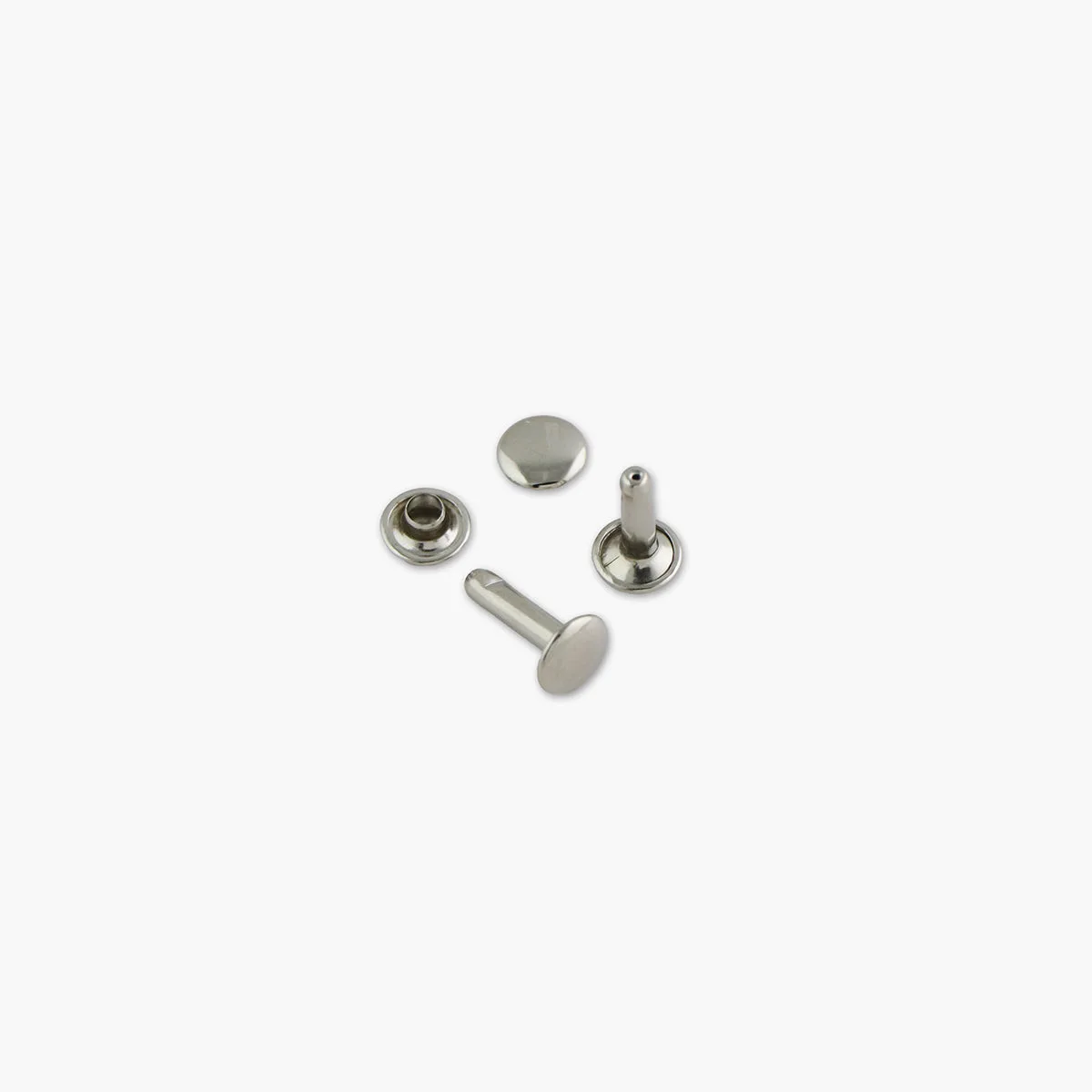
- 24 Large 13mm Rivets: These large antique 13mm rivets are perfect for purses, backpacks, and handbags. They are durable and look great from both sides. They are even strong enough to stay attached to leather. Rivets are available in nickel, light gold, antique, gunmetal and rose gold. When attaching d-rings to thick materials like leather or cork, rivets provide a secure hold. Choose a finish that matches your d-rings for a cohesive look.
Best For vs. Not For
Best for
- Bag makers using straps up to 1/2" wide who want a versatile hardware option.
- Projects like purses, crossbody bags, and handbags where a 3/4" d-ring is a common choice.
Not for
- Very wide straps (over 1") that require larger d-rings.
- Projects needing heavy-duty hardware for load-bearing applications, where you might consider sturdier alternatives.
Choosing the right d-ring size doesn't have to be complicated. Measure your strap, consider the material thickness, and think about how the hardware will look together. With these rules, you'll pick the perfect d-ring for a polished, professional bag every time.