Quick Answer
The right dice set balances readability, durability, and style for your game. Start by choosing a material that fits your budget and play style, then prioritize clear numbers and a size you can read comfortably. For most players, a standard 7-dice polyhedral set in a high-contrast color is the safest bet.
Every tabletop RPG session starts with a roll, and the dice you use can affect both your gameplay and your enjoyment. With so many materials, styles, and sizes available, choosing the right dice set can feel overwhelming. This guide breaks down the key factors—material, readability, size, and style—so you can make a confident choice.
Whether you're a new player picking your first set or a veteran looking to expand your collection, understanding the tradeoffs helps you avoid common pitfalls like dice that are hard to read or too large to roll comfortably.
Dice Materials: Pros and Cons
The material of your dice affects their weight, feel, and durability. The most common materials are acrylic, resin, metal, and stone. Acrylic dice are lightweight and affordable, making them a great starting point. Resin dice are similar but often feature more intricate designs and colors. Metal dice are heavier and feel substantial, but they can damage tables and other dice. Stone dice are beautiful and unique but can be brittle.
Consider your play environment: if you play on a hard surface, metal dice might scratch the table. If you have a tight budget, acrylic is the most cost-effective. If you love the feel of weight, metal or stone could be worth the extra cost. Remember, heavier dice tend to roll less, which can be a pro or con depending on your preference.
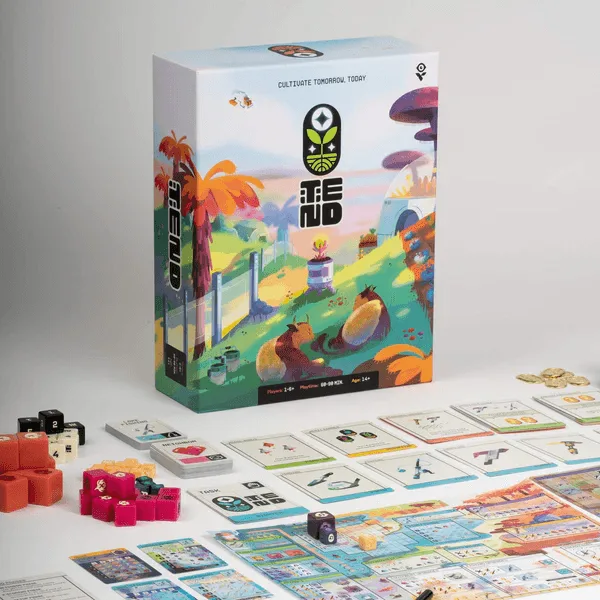
tend
- Acrylic: affordable, lightweight, many color options.
- Resin: similar to acrylic but often with more detail.
- Metal: heavy, durable, but can damage surfaces.
- Stone: unique, but fragile and expensive.
Readability: Numbers Matter
No matter how cool your dice look, if you can't read the numbers, they're not functional. High-contrast colors—like white numbers on dark dice or black numbers on light dice—are easiest to read. Avoid dice with low-contrast or same-color numbers, especially in dim lighting.
Also consider the font style and depth of the numbers. Engraved and painted numbers are common; some dice have recessed numbers that are easier to read. If you play in low light, choose dice with large, clear numerals. Some players prefer dice with a single color for the numbers to avoid confusion.
- Check contrast in natural light before buying.
- Avoid dice with numbers in the same color as the dice body.
- Consider glow-in-the-dark or light-colored dice for dim settings.
Size and Shape: Standard vs. Oversized
Most RPG dice sets are standard size (16mm) and fit easily in dice trays. Oversized dice (25mm or larger) are easier to read but take up more space and can be unwieldy. Mini dice are portable but can be hard to read for some players.
Think about your table space and how you roll. If you use a dice tray, standard or oversized dice work well. If you travel, a compact set might be better. Also, consider the shape: standard polyhedral sets include d4, d6, d8, d10, d%, d12, and d20. Some games use only d6s or d10s, so you might need specific sets.
- Standard 16mm sets are the most common and versatile.
- Oversized dice are great for readability but need more space.
- Mini dice are portable but may strain your eyes.
Style and Theme: Make It Yours
Dice are a personal accessory. Many players enjoy matching their dice to their character or campaign theme. Whether it's a set that looks like gemstones, features unique swirls, or has a metallic finish, there's a style for everyone.
However, style shouldn't override function. A beautifully designed die with hard-to-read numbers is a common mistake. Also, unique shapes (like crystal dice) can be harder to roll and read. Balance aesthetics with practicality, and you'll have a set you love for years.
- Choose a theme that resonates with you, but verify readability first.
- Unique shapes may be less practical—test before committing.
Step-by-Step: Picking Your Perfect Dice Set
- Determine Your Budget: Decide how much you want to spend. Acrylic sets are usually under $10, while metal or stone can be $30 or more. Remember that you can always start with a cheap set and upgrade later. Checkpoint: If you're new, start with an affordable acrylic set to learn your preferences.
- Choose the Material: Based on your budget and play style, pick a material. Acrylic is lightweight and cheap; metal is heavy and durable; resin offers more design options. Consider how the dice feel in your hand and how they roll on your table. Checkpoint: If you play on a wooden table, avoid metal dice or use a dice tray.
- Check Readability: Look at the contrast between the dice color and the number color. Hold the dice at arm's length and see if you can read the numbers. Test in the lighting you usually play in. Checkpoint: If you squint, choose a different set.
- Select the Size: Standard 16mm dice are the most common and fit most dice trays. If you have trouble reading small numbers, consider oversized dice. If you travel, mini dice might be more convenient. Checkpoint: Think about your typical table setup and portability needs.
- Pick a Style You Love: Now that you've narrowed down material, readability, and size, choose a design that speaks to you. Whether it's a classic color or a unique pattern, make sure it still meets your practical criteria. Checkpoint: If the style compromises readability, it's not the right set.
Dice Accessories and Alternatives
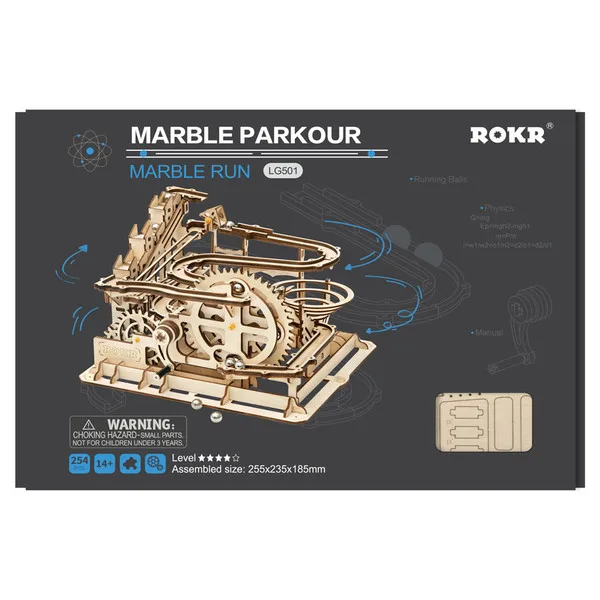
- Marble Parkour - 3D Miniature Scene: This is a fun-to-build Big Funnel marble run 3D wooden puzzle toy. Get ready to race against time & speed with this amazing wooden marble run set! 254 pieces, 6 hour assembly time. If you enjoy hands-on projects and want a break from rolling dice, this puzzle offers a creative and engaging activity that can also serve as a unique tabletop decoration.
Choosing the right dice set is a personal journey that balances function and style. By considering material, readability, size, and theme, you'll find a set that enhances your gaming experience. Start with a simple set, and don't be afraid to experiment as you learn what you like. Happy rolling!