Hitting the trail with your dog is one of life's great joys, and a well-chosen dog backpack can make the experience even better. Not only does a pack let your pup carry their own water, snacks, and gear, but it also provides mental stimulation and a job to do. However, with so many options on the market, choosing the right dog backpack for hiking can feel overwhelming. This guide will walk you through the key factors: size, fit, and features, so you can make an informed decision that keeps your furry friend comfortable and safe.
Whether you're planning a day hike or a multi-day adventure, the right pack can make all the difference. We'll cover how to measure your dog, what to look for in a harness and pack design, and which features matter most for different types of hikes. By the end, you'll know exactly what to consider when shopping for a dog backpack.
Why Use a Dog Backpack?
A dog backpack isn't just a cute accessory—it's a functional tool that can enhance your hiking trips. By allowing your dog to carry their own essentials (like water, collapsible bowls, and small treats), you lighten your own load and give your pup a sense of purpose. Many dogs thrive when they have a job to do, and carrying a pack can provide mental stimulation and burn extra energy.
However, not every dog needs a backpack. Puppies, senior dogs, and dogs with back or joint issues should avoid heavy packs. Always consult your veterinarian before starting your dog on a packing routine. For healthy adult dogs, a properly fitted backpack can be a great addition to your outdoor adventures.
- Start with a lightweight pack and gradually increase weight as your dog builds strength.
- Never exceed 10-15% of your dog's body weight in the pack, including the weight of the pack itself.
Measuring Your Dog for a Backpack
Getting the right size is crucial for your dog's comfort and safety. A poorly fitting backpack can cause chafing, restrict movement, or even lead to injury. To measure your dog, you'll need a soft measuring tape. Measure around the widest part of the chest (just behind the front legs) and the girth (around the belly, just in front of the hind legs). Also measure the length from the base of the neck to the base of the tail.
Most backpack manufacturers provide sizing charts based on these measurements. For example, the https://roverpawsai.shop/products/g-train-dog-carrier-backpack-292393https://roverpawsai.shop/products/g-train-dog-carrier-backpack-292482https://roverpawsai.shop/products/g-train-dog-carrier-backpack-292483G-Train Dog Carrier Backpack is designed for dogs up to 20 pounds, while other packs are sized for larger breeds. Always double-check the specific product's sizing guide before purchasing. When in doubt, size up and use the adjustable straps to fine-tune the fit.
- Measure your dog while they are standing, not sitting or lying down.
- Ensure you can fit two fingers between the harness and your dog's body—this ensures a snug but comfortable fit.
- Check the fit regularly, especially if your dog is still growing or has changed weight.
Key Features to Look For
When choosing a dog backpack, consider the features that will make your hikes safer and more enjoyable. Look for padded straps and a breathable mesh lining to prevent chafing and overheating. Reflective stitching or trim is a great safety feature for low-light conditions. Water-resistant materials will keep your gear dry in light rain, and multiple pockets allow you to organize supplies.
Some backpacks come with a built-in harness, while others are designed to attach to a separate harness. For example, the Tru-Fit Smart Dog Walking Harness is an excellent base layer for a backpack because it distributes pressure evenly and has a no-pull front clip. Similarly, the Journey Air Dog Harness offers breathability and comfort for active dogs. Pairing a quality harness with a backpack ensures a secure and comfortable fit.
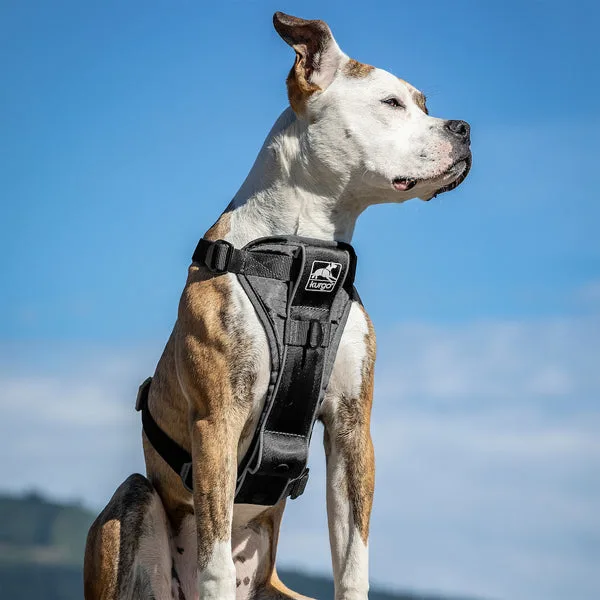
Tru-Fit Smart Dog Walking Harness
- Look for a backpack with adjustable straps at the chest and belly for a custom fit.
- Choose a pack with a handle on top for easy control when lifting your dog over obstacles.
- Consider a pack with a built-in hydration system or space for a water bottle.
Matching the Backpack to Your Hiking Plans
The type of hiking you do will influence the kind of backpack you need. For short, casual walks, a simple day pack with a couple of pockets may suffice. For longer treks, you'll want a pack with more capacity, padded shoulder straps, and a sternum strap for stability. If you hike in rainy or humid climates, look for a waterproof or water-resistant pack to keep your dog's gear dry.
If your dog is small or you need to carry them occasionally, a carrier backpack like the G-Train Dog Carrier Backpack is a versatile option. It allows you to carry your dog on your back when they get tired, making it perfect for multi-modal adventures. For larger dogs, a traditional saddlebag-style pack is usually the best choice.
- For day hikes, a pack with 2-4 liters of capacity is usually sufficient.
- For overnight trips, look for a pack with at least 10 liters of capacity and multiple compartments.
- Always pack the heaviest items closest to your dog's body and distribute weight evenly on both sides.
Training Your Dog to Wear a Backpack
Introducing a backpack to your dog should be a gradual process. Start by letting them sniff and inspect the pack. Then, put the empty pack on for short periods indoors, rewarding calm behavior. Gradually increase the time and add a small amount of weight, such as a lightweight water bottle. Always monitor your dog for signs of discomfort, like excessive panting, whining, or trying to remove the pack.
Training should be positive and fun. Use treats and praise to create a positive association. Never force your dog to wear a pack if they are fearful or anxious. With patience and consistency, most dogs learn to love their backpack and eagerly anticipate hikes.
- Start with 5-10 minute sessions and gradually increase duration.
- Use a treat-dispensing toy or puzzle to keep your dog engaged while wearing the pack.
- Check for any signs of rubbing or chafing after each session.
Choosing the right dog backpack for hiking involves careful consideration of size, fit, and features. By measuring your dog accurately, selecting a pack with the right features, and training gradually, you'll set your pup up for success on the trail. Remember to prioritize comfort and safety above all else. For a reliable and comfortable option, check out the Tru-Fit Smart Dog Walking Harness as a base layer for your backpacking adventures.