Quick Answer
Pick a comb with wide-set teeth for long or curly coats, fine teeth for short or fine coats, and a de-shedding comb for heavy shedders. Match the comb to your dog's coat length and texture, not just the brand. For most dogs, a versatile everyday comb that handles both detangling and finishing works best.
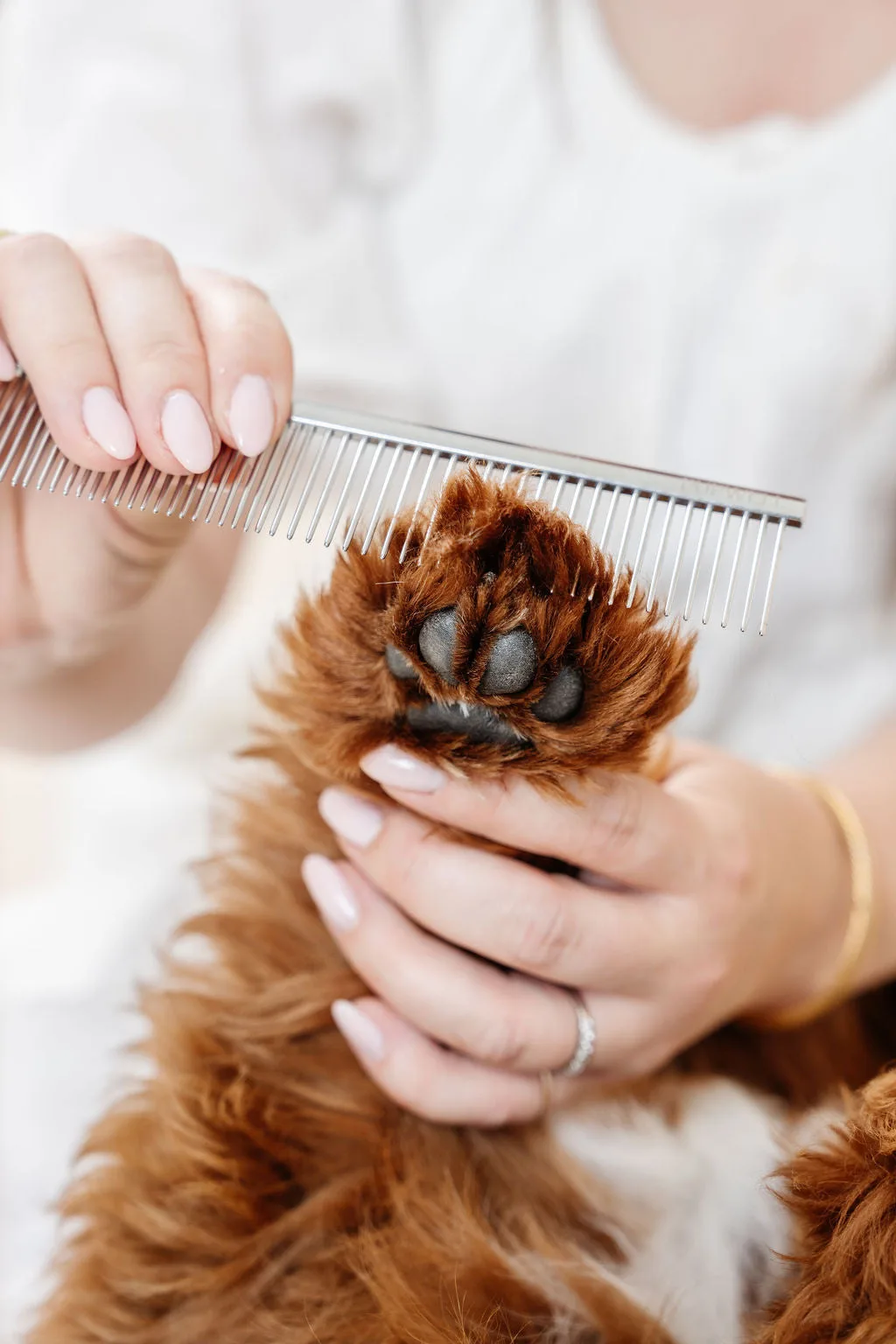
everyday comb
Choosing the right dog comb doesn't have to be confusing. The perfect comb for your pup depends on coat length, texture, and how much they shed. A good comb helps remove tangles, distribute natural oils, and keep your dog comfortable during grooming.
In this guide, you'll learn simple rules to match a comb to your dog's coat, avoid common mistakes, and see how professional-grade tools can make home grooming easier. We'll also share practical tips for puppies and seniors.
Match the Comb to the Coat
Long-haired dogs, like Shih Tzus or Maltese, need combs with widely spaced teeth that glide through silky or curly hair without pulling. A comb with both wide and fine teeth is ideal—use the wide side to remove tangles first, then the fine side to smooth and finish. This prevents breakage and keeps the coat shiny.
Short-haired dogs, such as Beagles or Boxers, often benefit from a fine-tooth comb that can reach the undercoat and remove loose hair. A de-shedding comb with rounded tips is gentle on the skin and reduces shedding around the house. For double-coated breeds, a comb with longer teeth helps penetrate the dense undercoat without scratching.
If your dog has a combination coat—like a terrier with wiry topcoat and soft undercoat—look for a comb that offers both tooth widths. This versatility lets you tackle different areas without switching tools. Always choose a comb with rounded tips to avoid scratching your dog's skin.
- Use wide-tooth combs for detangling and fine-tooth combs for finishing.
- De-shedding combs work best on double-coated breeds during shedding season.
- Always brush in the direction of hair growth to avoid discomfort.
Consider Your Dog's Sensitivity and Experience
Puppies and senior dogs often have sensitive skin, so a comb with rounded, blunted tips is safer. The Mini Safety Scissor is a great companion for trimming around the eyes, but for combing, look for tools that won't scratch. A gentle comb can also help socialize a puppy to grooming, reducing fear later.
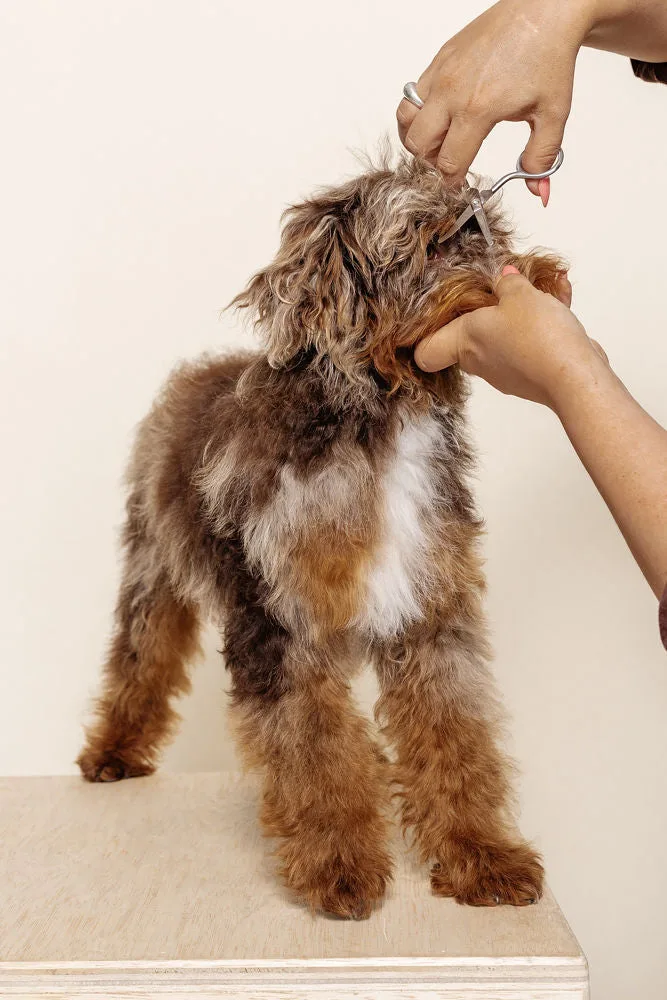
Mini Safety Scissor
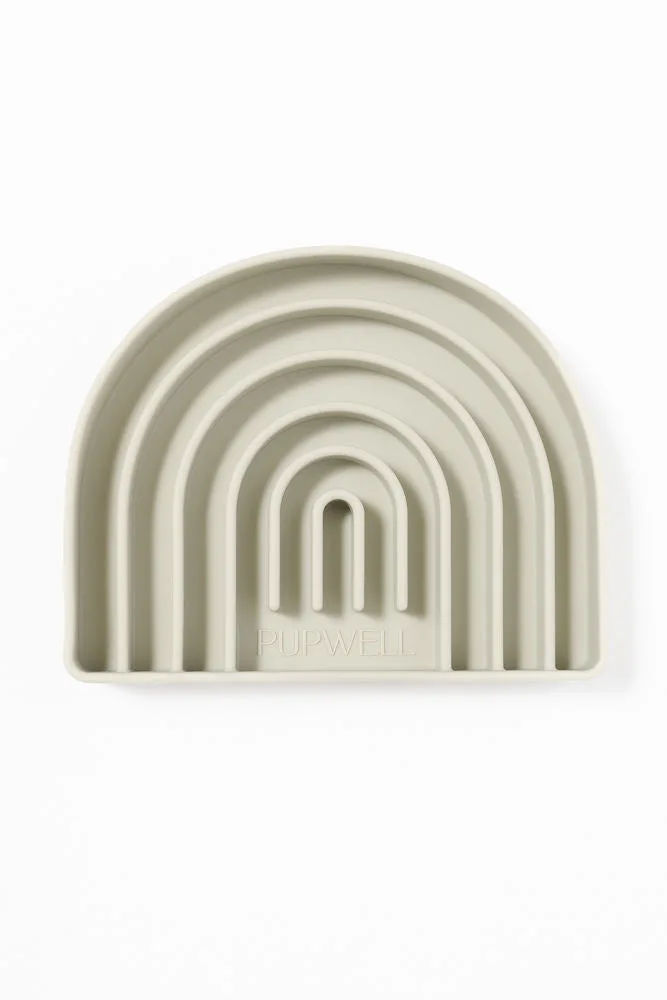
If your dog is new to grooming, start with short sessions and reward them with treats. A lick mat, like the Happy Feelings Lick Mat, can keep them occupied and calm during combing. This positive association makes grooming a bonding time, not a battle.
- Introduce combing gradually—start with 5 minutes and build up.
- Use a lick mat to distract and relax your dog during grooming.
- Check for any skin irritation after combing, especially in sensitive areas.
Quality and Maintenance Matter
A quality comb is an investment. Stainless steel combs resist rust and last for years, while plastic combs may bend or break. Look for a comfortable handle that gives you good control, especially for longer grooming sessions. Professional-grade tools often come with educational resources to help you use them correctly.
Clean your comb regularly by removing hair and washing with mild soap. Dry it thoroughly to prevent rust. Store it in a dry place, preferably in a protective case or organizer, to keep it in top condition. A well-maintained comb not only works better but also reduces the risk of skin irritation.
- Choose stainless steel for durability and easy cleaning.
- Remove hair from the comb after each use.
- Store combs in a dry place to prevent rust.
Simple Rules for Choosing a Dog Comb
- Coat length: Long coats need wide-tooth combs to detangle without pulling. Short coats work best with fine-tooth combs to remove loose hair and reach the undercoat. Measure your dog's coat length and choose the tooth spacing accordingly.
- Shedding level: Heavy shedders benefit from a de-shedding comb that removes loose undercoat fur. Light shedders can use a standard everyday comb. If your dog sheds a lot, prioritize a de-shedding comb.
- Sensitivity: Puppies, seniors, or dogs with sensitive skin need combs with rounded tips and gentle action. Avoid sharp or metal-toothed combs for these dogs. Always check the tip shape—rounded is safer.
Grooming Tools That Help
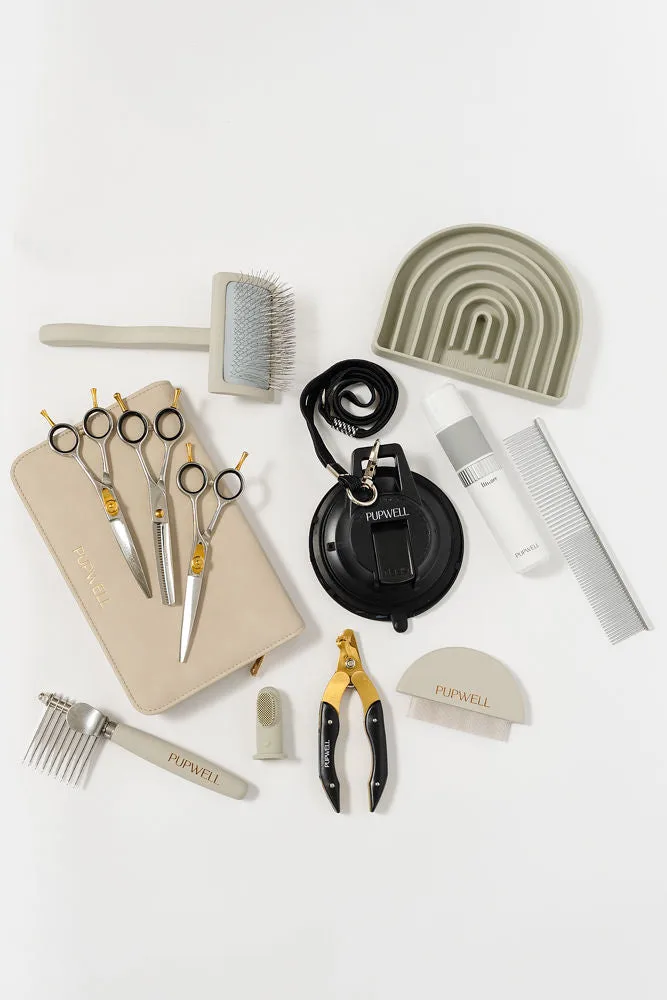
- Ultimate Dog Grooming Kit: This kit includes professional grooming tools and education on how to use them, making it the only grooming kit with professional tools and built-in learning. If you're serious about grooming at home, this kit gives you the right tools and the know-how to use them correctly, so you avoid common mistakes and get professional results.
- Happy Feelings Lick Mat: Made from high-quality silicone, free of BPA, BPS, and phthalates, this lick mat doubles as a slow feeder and has suction cups to keep it in place. Use it during grooming to keep your dog calm and occupied, turning a stressful session into a positive experience. It's also great for meal times as a slow feeder.
Which Comb Is Best for Your Dog?
Best for
- Long-haired breeds that need regular detangling and finishing.
- Short-haired breeds that shed moderately and need a fine-tooth comb for loose hair.
- Pet parents who want a versatile everyday comb for most coat types.
Not for
- Dogs with extremely matted coats—these require professional grooming first.
- Dogs with skin conditions that make combing painful—consult your vet first.
Choosing the right dog comb doesn't have to be complicated. Match the comb to your dog's coat length and shedding level, prioritize safety with rounded tips, and invest in quality tools that last. With the right comb and a little patience, you can keep your pup looking and feeling great between professional grooms.