Grooming your dog isn't just about keeping them looking sharp—it's a vital part of their overall health and happiness. Regular brushing removes dirt, distributes natural oils, prevents mats and tangles, and gives you a chance to check for skin issues or parasites. But with so many brushes on the market, how do you know which one is right for your furry friend? The key is to consider your dog's coat type, sensitivity, and grooming needs.
In this guide, we'll walk you through the different types of dog brushes, explain which coat types they suit best, and offer practical tips to make grooming a breeze. Whether you have a short-haired Chihuahua or a fluffy Golden Retriever, you'll find the perfect brush to keep your pup's coat healthy and shiny.
Understanding Your Dog's Coat Type
Before you choose a brush, you need to identify your dog's coat type. Coat types generally fall into five categories: short, long, double, curly, and wiry. Each type has specific grooming needs, and using the wrong brush can cause discomfort or damage to the skin and fur.
Short coats (like those of Beagles or Boxers) are low-maintenance but still shed. Long coats (like those of Shih Tzus or Collies) require daily brushing to prevent tangles. Double coats (like those of Huskies or Golden Retrievers) have a soft undercoat and a coarser topcoat, needing a brush that reaches the undercoat. Curly coats (like Poodles or Bichon Frises) are prone to matting and need a brush that can detangle without pulling. Wiry coats (like those of Terriers) benefit from brushing that removes dead hair without damaging the texture.
- Check your dog's coat by running your fingers through it—if you feel a dense underlayer, they likely have a double coat.
- Consult your vet or a professional groomer if you're unsure about your dog's coat type.
Types of Dog Grooming Brushes
There are several types of brushes, each designed for a specific purpose. Here's a breakdown of the most common ones:
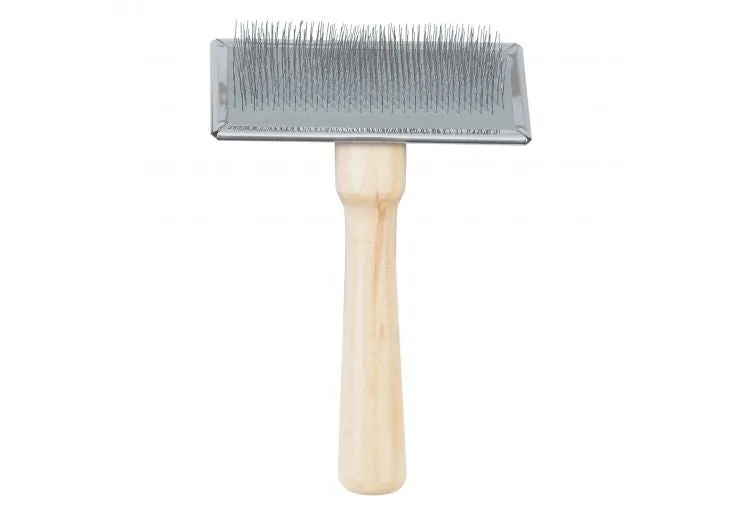
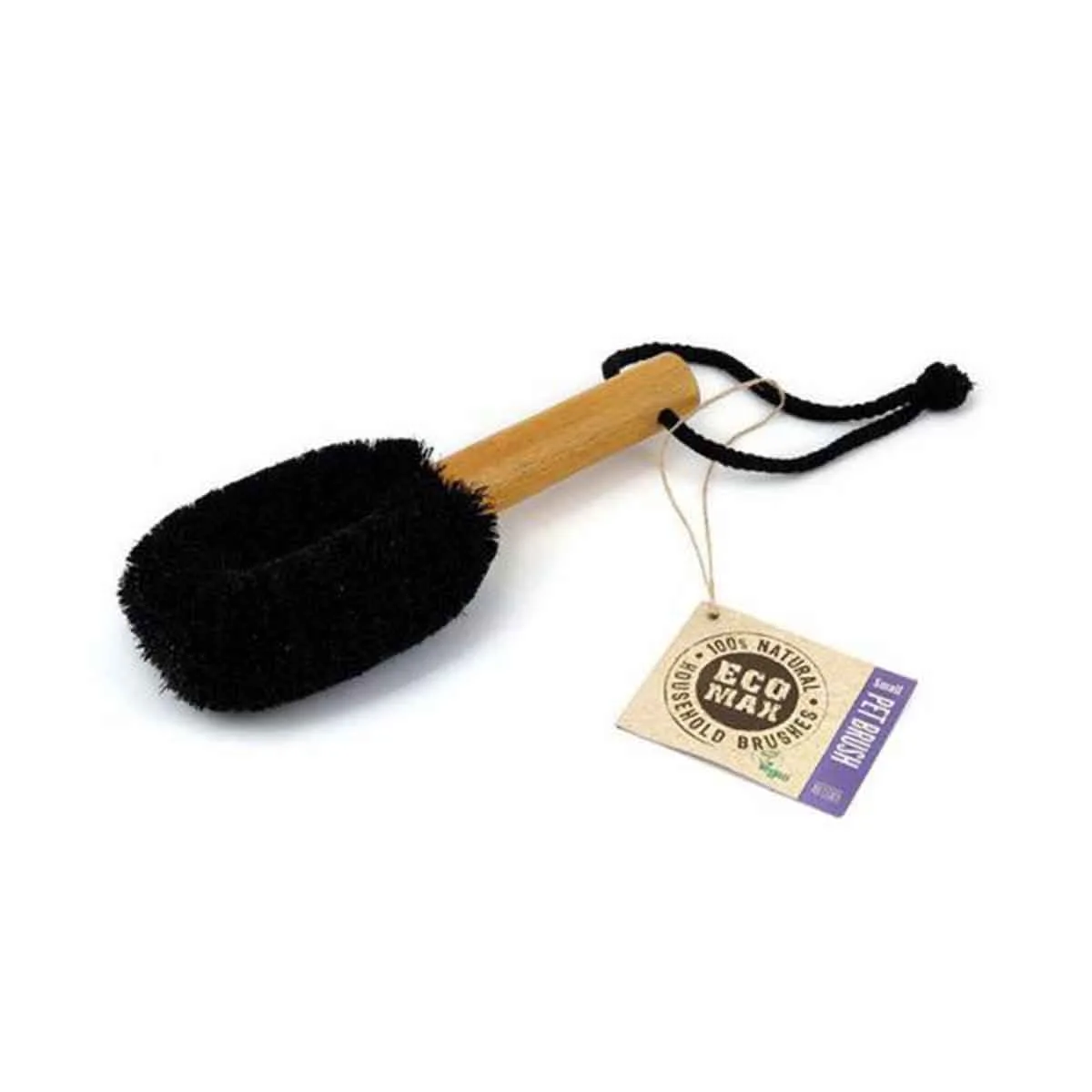
Slicker brushes have fine, short wires close together, perfect for removing mats, tangles, and loose fur from medium to long coats. Bristle brushes are gentle and ideal for short coats, adding shine by distributing oils. Undercoat rakes have long, widely spaced teeth that reach the undercoat of double-coated breeds. Pin brushes are similar to human hairbrushes, great for long, silky coats. Finally, de-shedding tools are specialized for heavy shedders, removing loose undercoat hair before it falls on your furniture.
- For puppies or sensitive dogs, choose a brush with soft, rounded bristles.
- Always brush in the direction of hair growth to avoid pulling.
Matching the Brush to Your Dog's Coat
Now that you know the types, let's match them to your dog's coat. For short-haired breeds, a bristle brush or a rubber curry brush works wonders—it lifts dirt and loose hair while massaging the skin. For long-haired breeds, a pin brush is excellent for daily maintenance, but you'll also need a slicker brush to tackle tangles and mats.
Double-coated breeds like Huskies require an undercoat rake to remove the dense undercoat, especially during shedding season. Curly-coated breeds need a slicker brush and a metal comb to prevent mats from forming. For wiry coats, a slicker brush and a stripping knife (if you're experienced) help maintain the coat's texture.
- If your dog has sensitive skin, opt for a brush with rounded tips and brush gently.
- For double-coated dogs, brush in sections to ensure you reach the undercoat.
Grooming Tips for a Happy Dog
Grooming should be a positive experience for your dog. Start by letting them sniff the brush, then use treats to create a positive association. Brush in short, gentle strokes, and praise your dog throughout. If you encounter a mat, don't yank—use a detangling spray and work through it slowly with a slicker brush.
Regular grooming sessions also help you bond with your pet and spot any skin issues early. Aim for a brushing routine that suits your dog's coat: daily for long or double coats, a few times a week for medium coats, and weekly for short coats. Remember to clean your brush regularly to prevent bacteria buildup.
- Use a grooming spray to reduce static and make brushing easier.
- If your dog is anxious, try grooming after a walk when they're relaxed.
Choosing the right grooming brush is a simple yet crucial step in your dog's care routine. By understanding your pet's coat type and selecting the appropriate brush, you'll keep their fur healthy, reduce shedding, and make grooming a pleasant bonding time. For more grooming essentials and stylish accessories, explore our collection of dog products, including the Grey Tweed Soft Dog Harness with Olive Pom Poms, perfect for a post-grooming walk.
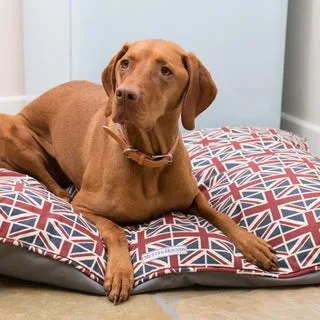
Grey Tweed Soft Dog Harness with Olive Pom Poms