Quick Answer
To choose the right doTERRA essential oil for your skin, first identify your primary skin concern—dryness, oiliness, or sensitivity. For dry skin, look for soothing oils like Cedarwood; for oily skin, clarifying options like Cypress can help; for sensitive skin, always patch test and dilute heavily. Start with one oil, use it consistently, and adjust based on how your skin responds.
Your skin type shapes which doTERRA essential oils will work best for you. While many oils offer general benefits, matching the oil to your specific concerns—dryness, excess oil, or reactivity—makes a real difference in results. This guide breaks down the decision into simple rules so you can choose with confidence.
We'll focus on three common skin types—dry, oily, and sensitive—and explain which oils to consider, how to use them, and what trade-offs to keep in mind. Remember, essential oils are potent, so proper dilution and patch testing are non-negotiable steps in any skincare routine.
Understanding Your Skin Type
Before picking an oil, take a honest look at your skin. Dry skin often feels tight, flakes, or shows fine lines. Oily skin tends to look shiny, with enlarged pores and a tendency toward blemishes. Sensitive skin reacts easily with redness, stinging, or itching. Many people have combination skin, so focus on your dominant concern.
Your skin type also influences how you should apply essential oils. Dry skin benefits from richer carrier oils like jojoba or sweet almond, while oily skin prefers lighter carriers like grapeseed. Sensitive skin requires extra dilution—typically 1 drop per teaspoon of carrier—and a patch test on your inner arm before facial use.
- Keep a skincare journal to track how your skin responds to each oil.
- Always dilute essential oils with a carrier oil before applying to your face.
Choosing Oils for Dry Skin
For dry skin, look for oils that are known for their soothing and moisturizing support. Cedarwood Oil, with its warm, woody aroma, is a versatile option that can be used topically when diluted. While it's often used for relaxation, its grounding properties can complement a calming skincare routine that helps dry, stressed skin feel comforted.

Cedarwood Oil
Pair Cedarwood with a nourishing carrier oil and apply after cleansing. You can also add a drop to your moisturizer for an extra layer of comfort. Keep in mind that essential oils don't add moisture directly—they work best as part of a hydrating routine that includes a quality moisturizer and adequate water intake.
Choosing Oils for Oily Skin
If you have oily skin, you might be drawn to oils that help clarify and balance. Cypress Essential Oil is known for its ability to improve the appearance of oily skin when applied topically. Its clarifying properties make it a valuable addition to your skincare routine, especially if you struggle with shine or blemishes.
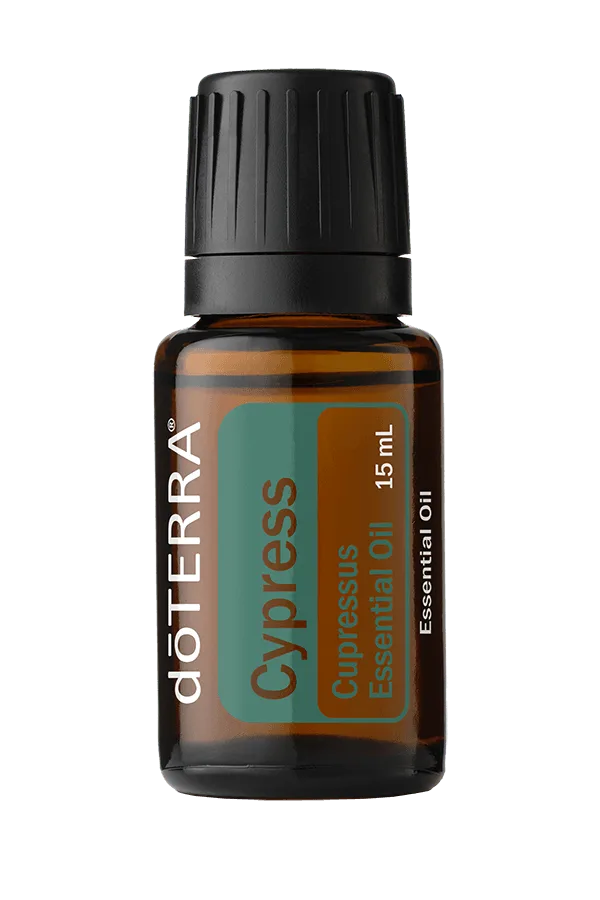
Cypress Essential Oil
Use Cypress in a facial toner by adding a drop to witch hazel, or mix it with a lightweight carrier oil. Because oily skin can still be dehydrated, don't skip moisturizer—just choose a gel-based or non-comedogenic formula. Cypress has a fresh, herbaceous scent that many find invigorating during a morning routine.
Choosing Oils for Sensitive Skin
Sensitive skin requires extra caution. Choose oils that are generally considered gentle, and always patch test. While no essential oil is completely risk-free, oils like Cedarwood are often better tolerated when properly diluted. Avoid oils that are known irritants, such as cinnamon or oregano, especially on the face.
For sensitive skin, start with a 0.5% dilution—that's 1 drop per 2 teaspoons of carrier. Apply a small amount behind your ear and wait 24 hours. If no reaction occurs, you can try it on your face. Remember that even 'gentle' oils can cause reactions in some individuals, so your personal experience is the ultimate guide.
Decision Rules for Choosing by Skin Type
- Rule 1: Identify Your Primary Concern: Choose one main issue—dryness, oiliness, or sensitivity. This narrows your oil selection and prevents overwhelming your skin with multiple products. Pick a single focus before buying.
- Rule 2: Match the Oil to the Concern: For oily skin, consider Cypress for its clarifying properties. For dry or sensitive skin, Cedarwood offers a calming option. Avoid oils with strong irritant potential for sensitive skin. Use the oil's known properties as your guide.
- Rule 3: Dilute and Patch Test: Always dilute with a carrier oil—1 drop per teaspoon for normal skin, half that for sensitive. Patch test on your inner arm for 24 hours before facial use. Never apply undiluted essential oils to your face.
Product Facts and Why They Matter
- Cypress Essential Oil: Known for its ability to improve the appearance of oily skin when applied topically. If you have oily skin, this oil targets your primary concern directly, helping to clarify and balance without over-drying.
- Cedarwood Oil: Warm, woody scent ideal for creating a calming atmosphere; can be used topically or aromatically for a relaxing effect. For dry or sensitive skin, its calming nature supports a soothing routine, and its versatility lets you enjoy it in a diffuser or diluted on your skin.
Fit Guidance: Who Should Choose Which Oil
Best For
- Cypress Essential Oil: People with oily or combination skin who want to clarify and improve the appearance of shine.
- Cedarwood Oil: Those with dry or sensitive skin seeking a calming, grounding addition to their routine.
Not For
- Cypress Essential Oil: Not ideal for very dry or flaky skin, as it may be too astringent.
- Cedarwood Oil: Not recommended for those who dislike woody scents or are looking for a quick-fix moisturizer.
Choosing the right doTERRA essential oil for your skin type comes down to understanding your primary concern and matching it with an oil that addresses that need. Start with one oil, use it correctly with dilution and patch testing, and observe how your skin responds. With the right approach, you can enjoy the benefits of essential oils while keeping your skin happy and healthy.