Quick Answer
To choose the right facial oil, match the oil's texture and ingredients to your skin's primary concern. For oily skin, choose lightweight, non-comedogenic oils; for dry skin, opt for richer, barrier-repairing formulas. Sensitive skin benefits from soothing, fragrance-free oils, while combination skin can use balancing oils or adjust by season.
Facial oils are not one-size-fits-all. The right oil can transform your skin, but the wrong one can lead to breakouts, irritation, or a greasy feel. This guide breaks down how to choose a facial oil based on your skin type, with practical decision rules and product examples.
We'll cover what to look for in a facial oil for oily, dry, sensitive, and combination skin, and highlight two products from Dermaesthetics Beverly Hills that can fit specific needs.
Understanding Facial Oils by Skin Type
Facial oils work by mimicking your skin's natural sebum, helping to balance moisture and strengthen the barrier. For oily skin, the key is to choose oils that are lightweight and high in linoleic acid, which can help regulate sebum production without clogging pores. Avoid heavy, occlusive oils like coconut oil that can trap dead skin and exacerbate breakouts.
Dry skin benefits from richer oils rich in oleic acid and ceramides, which replenish lipids and prevent moisture loss. Sensitive skin needs fragrance-free, soothing oils with anti-inflammatory properties, such as those containing squalane or chamomile. Combination skin often requires a balancing approach—use lighter oils on the T-zone and richer ones on dry cheeks, or adjust seasonally.
- Always patch test a new facial oil on a small area before applying to your face.
- Consider your climate: humid weather calls for lighter oils, while dry climates allow for richer formulas.
Key Ingredients to Look For
When reading labels, look for oils that suit your skin's needs. For oily skin, seek out jojoba oil, grapeseed oil, or squalane—these are lightweight and non-comedogenic. For dry skin, argan oil, marula oil, and rosehip oil provide deep nourishment. Sensitive skin should favor oils like calendula, chamomile, or borage, which have calming properties.
Avoid oils with added fragrances or essential oils if you have sensitive skin, as they can trigger irritation. Also, consider the formulation: some oils come in blends that combine multiple benefits, such as brightening or anti-aging. For example, the Triple Vitamin Serum from Dermaesthetics Beverly Hills combines vitamins A, E, and C, which can address dullness and fine lines while providing hydration.
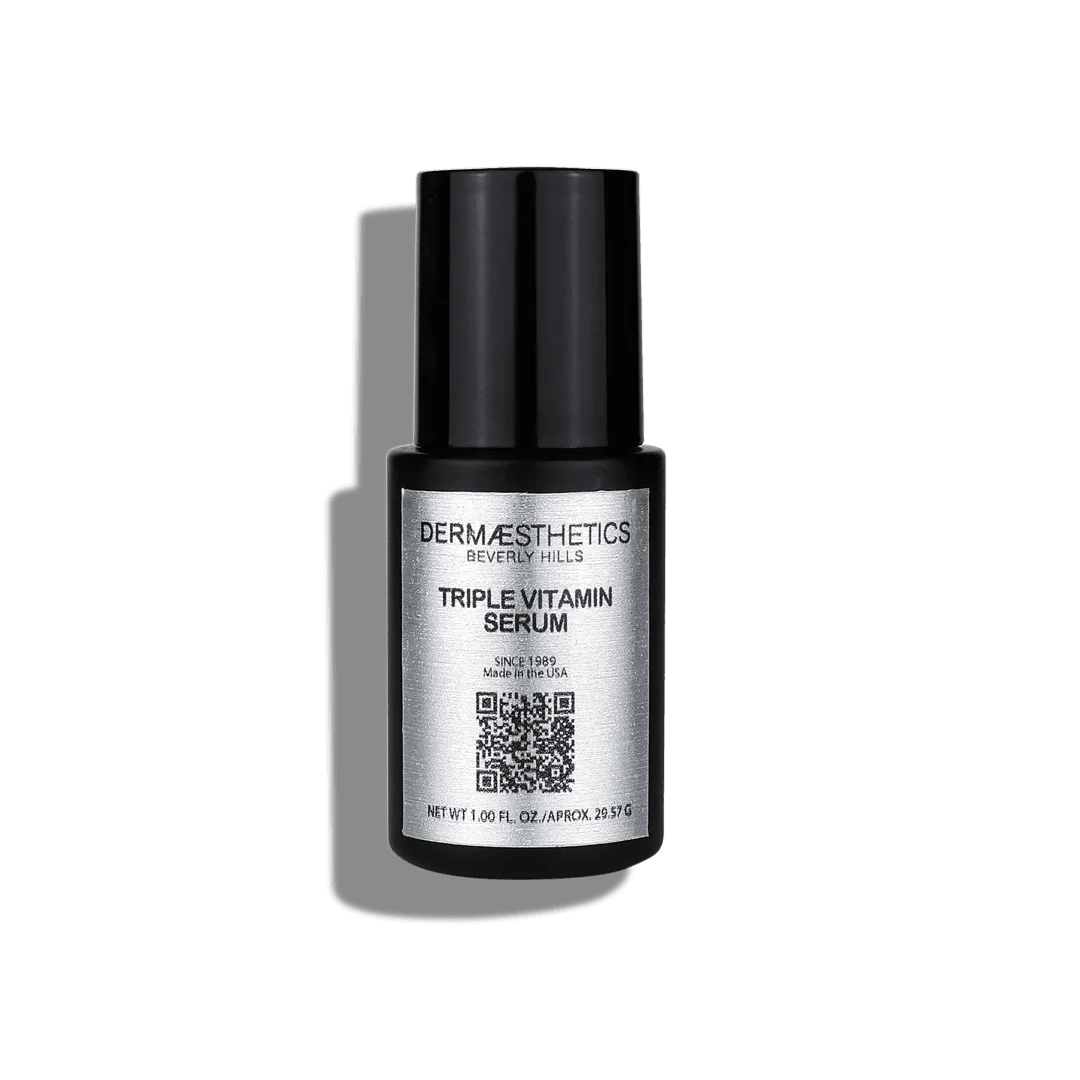
Triple Vitamin Serum
Decision Rules for Choosing a Facial Oil
- Oily Skin: Choose lightweight, non-comedogenic oils like jojoba or squalane. Avoid heavy oils that can clog pores. Apply sparingly, focusing on dry areas. Look for 'oil-free' or 'non-comedogenic' labels to be safe.
- Dry Skin: Opt for richer oils high in oleic acid and ceramides, such as argan or marula. Apply to damp skin to lock in moisture. Consider layering a facial oil under a moisturizer for extra hydration.
- Sensitive Skin: Select fragrance-free oils with soothing ingredients like squalane or chamomile. Patch test first and introduce slowly. Avoid essential oils and alcohol-based products that can irritate.
- Combination Skin: Use balancing oils like grapeseed or rosehip, and adjust the amount based on your skin's needs. Apply more to dry cheeks and less to the T-zone. Seasonal changes may require switching to a lighter or richer oil.
Product Highlights
- Triple Vitamin Serum: With a trio of vitamins A, E, and C, it's designed to regenerate, hydrate, brighten, and protect. It accelerates cellular renewal, deeply moisturizes, and enhances collagen production for a radiant complexion. If you have dry or combination skin and want to add a facial oil that also targets signs of aging, this serum offers a multi-tasking option. It provides hydration and brightening without being too heavy, making it suitable for layering under moisturizer.
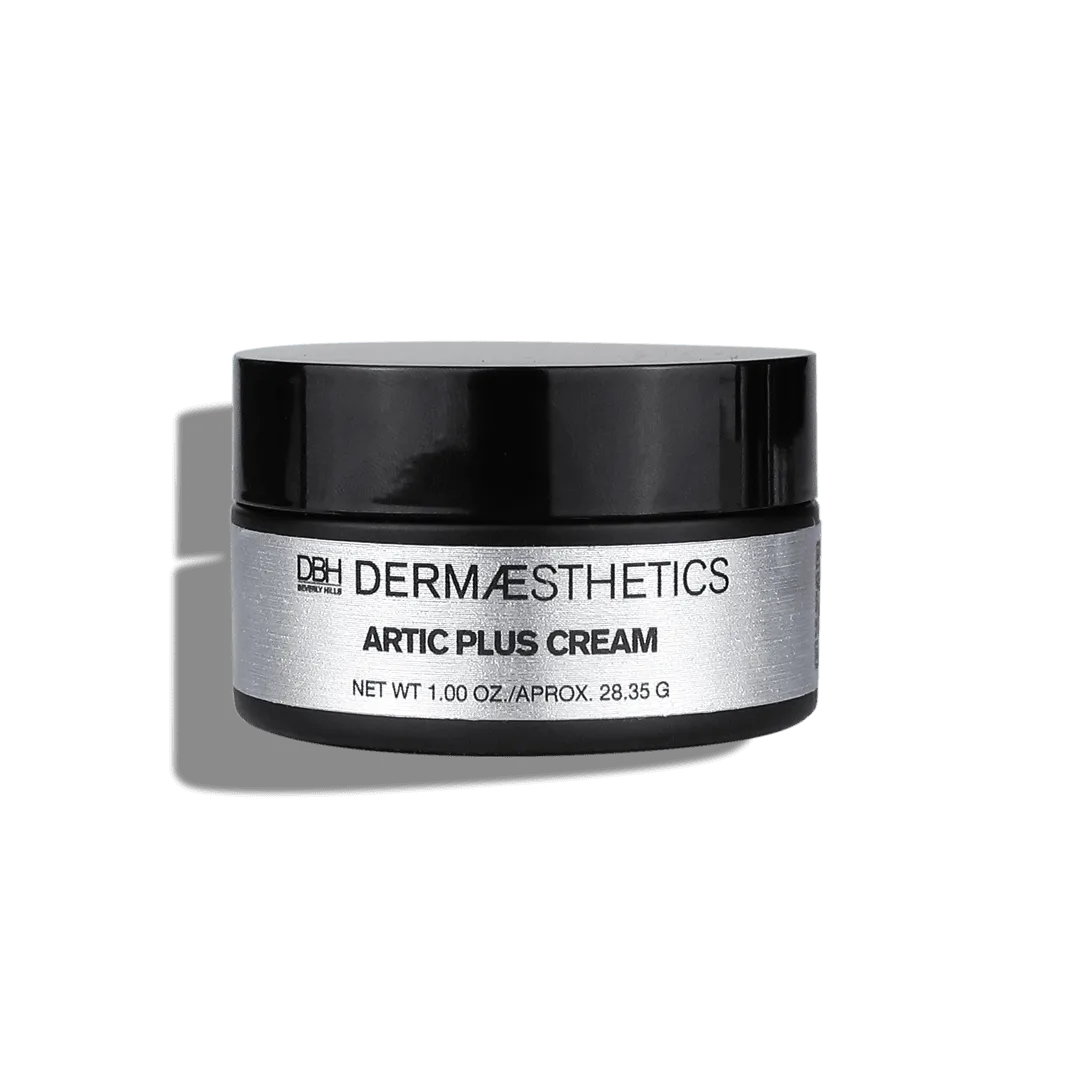
- Artic Plus Cream: Offers a soothing embrace for skin in distress. It fortifies the skin's barrier, encouraging repair and regeneration. This formula calms inflammation and replenishes moisture, addressing concerns of damage, dryness, and sensitivity. For sensitive or dry skin, this cream acts like a facial oil in texture, providing intense barrier support and calming irritation. It's a great choice if you prefer a cream-oil hybrid that delivers moisture without a greasy feel.
Finding Your Fit
Best For
- Those with dry or sensitive skin seeking barrier repair and soothing moisture
- Anyone looking for a multi-tasking facial oil that also addresses dullness and fine lines
Not For
- Oily skin types that prefer extremely lightweight, water-based serums
- Those with active acne who need oil-free formulations
Choosing the right facial oil is about matching the formula to your skin's unique needs. Start with lightweight, non-comedogenic options for oily skin, rich barrier-repairing oils for dry skin, and soothing fragrance-free blends for sensitive skin. Remember to patch test and adjust based on your skin's response. With the right choice, a facial oil can become a valuable step in your routine.