Quick Answer
For a baby quilt, choose 100% cotton quilting fabric with a tight weave and a soft hand. Look for pre-washed fabric to prevent shrinkage, and avoid anything with loose embellishments that could become choking hazards. Prioritize durability for frequent washing.
Choosing fabric for a baby quilt is about balancing softness, durability, and safety. Babies have sensitive skin, and their quilts get washed often. The right fabric keeps a quilt cozy without falling apart after a few cycles.
In this guide, we'll break down what to look for in baby quilt fabric, compare common cotton types, and give you practical rules for picking prints and colors. By the end, you'll know exactly what to buy for your next baby quilt project.
What Makes Fabric Baby-Safe and Soft
The most important factor is fiber content. 100% cotton is the standard for baby quilts because it's breathable, gentle on skin, and softens with each wash. Cotton also holds up well to repeated washing, which baby quilts will definitely need. Avoid synthetic blends that can trap heat or irritate sensitive skin.
Weave and finish also matter. Look for a tight, smooth weave that won't snag easily. Pre-wash your fabric before cutting to remove any chemicals and allow for shrinkage. If you're using a mix of fabrics, pre-wash them all the same way to prevent future distortion.
- Check the fabric content label: 100% cotton is ideal.
- Avoid fabrics with glitter, sequins, or raised textures that can scratch or come off.
- Pre-wash in warm water with a mild detergent before cutting.
Comparing Cotton Types: Quilting Cotton vs. Flannel vs. Organic
Quilting cotton is the most common choice for baby quilts. It's lightweight, holds its shape, and comes in endless prints. It's not as soft as flannel, but it's more durable and easier to piece. For a baby quilt, quilting cotton is a safe, reliable choice.
Flannel is brushed on one or both sides, making it extra soft and warm. Flannel quilts are cozy, but they can be bulkier and may pill over time. Organic cotton is grown without pesticides and is often softer than conventional cotton, but it can be pricier and harder to find. All three are good options, so let your project's needs guide you.
- Quilting cotton: durable, easy to piece, great for beginners.
- Flannel: soft and warm, but may shrink more; pre-wash carefully.
- Organic cotton: gentle on sensitive skin, but often more expensive.
Choosing Prints and Colors for a Baby Quilt
When picking prints, think about the baby's development. High-contrast patterns like black and white or bright colors are visually stimulating for newborns. As they grow, they'll enjoy recognizable motifs like animals, stars, or flowers.
Also consider the quilt's purpose. Will it be a play mat, a stroller cover, or a crib quilt? A darker or busier print can hide stains better, while pastels can feel more serene. If you're making a quilt for a specific nursery theme, pull colors from the room's decor to tie it together.
- High-contrast prints are great for newborns.
- Busy prints hide stains; solids show them more.
- Match the quilt to the nursery's color scheme for a cohesive look.
Batting and Backing Considerations
The batting you choose affects the quilt's weight and warmth. For a baby quilt, use a low-loft cotton or bamboo batting that's breathable and not too thick. Avoid high-loft polyester, which can make the quilt too warm and hard to wash.
For the backing, use the same type of fabric as the top to ensure even wear. If you want a soft back, consider flannel or a brushed cotton. Remember that the backing will be against the baby's skin, so choose something gentle and washable.
- Choose low-loft batting for breathability.
- Back the quilt with a soft, washable fabric.
- Test the whole quilt's washability before gifting.
Decision Rules for Baby Quilt Fabric
- Rule 1: Always Choose 100% Cotton: Check the fabric content. 100% cotton is breathable, soft, and durable. Avoid synthetics that can irritate skin. Look for '100% cotton' on the bolt or product description.
- Rule 2: Pre-Wash Everything: Pre-wash fabric in warm water to remove chemicals and shrink before cutting. This prevents surprises later. Pre-wash all fabrics and batting together.
- Rule 3: Prioritize Durability: Baby quilts get washed frequently. Choose a tight weave that won't fray easily. Run your hand over the fabric; it should feel smooth and sturdy.
- Rule 4: Consider the Baby's Age: For newborns, high-contrast prints are stimulating. For toddlers, choose fun motifs that they'll enjoy. Pick prints that match the baby's developmental stage.
Fabric Picks to Consider
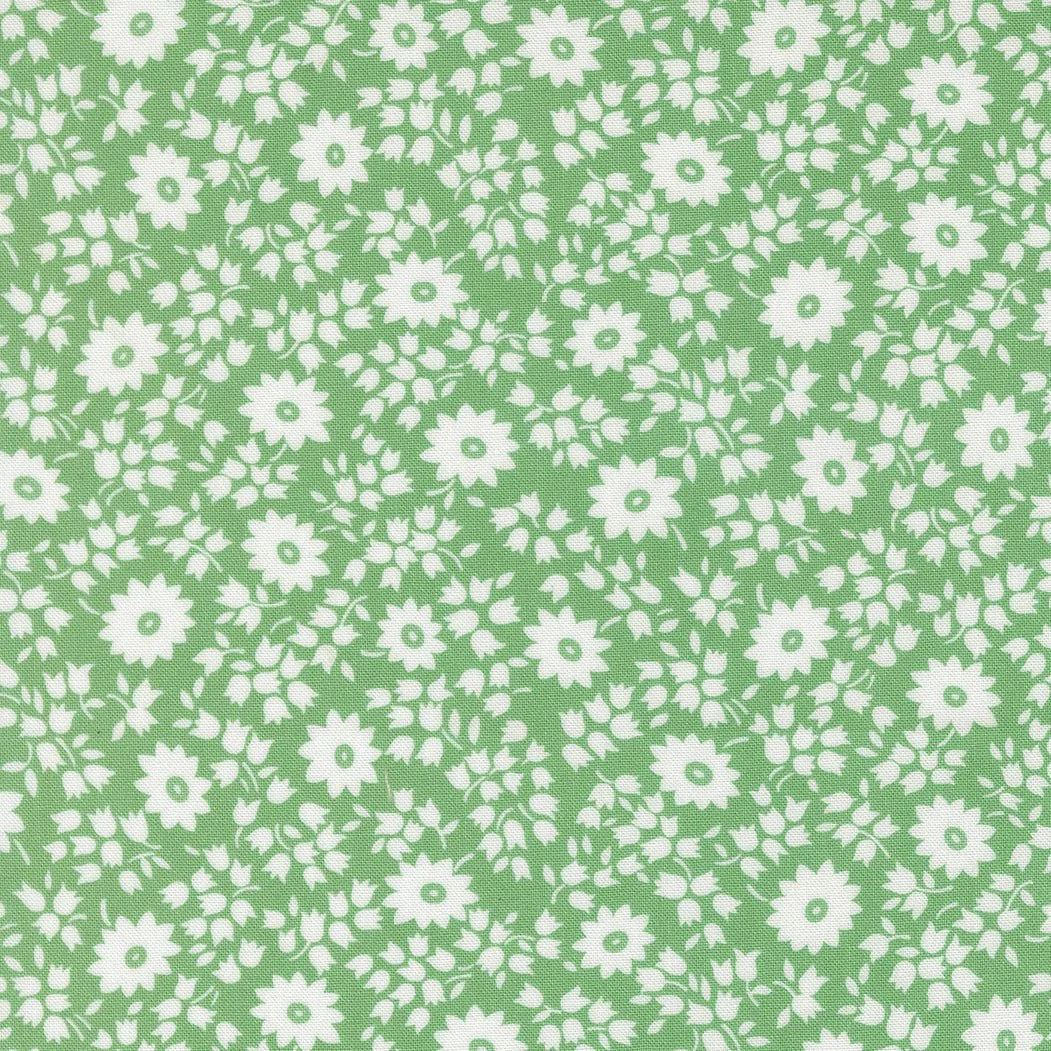
- MODA - 30s Playtime by Linzee McCray - Perky Posies Florals - Aloe: 100% cotton quilting fabric, 44/45 inch wide. This Moda fabric is made from pure cotton, ensuring softness and durability for baby quilts. The 44/45-inch width gives you plenty of yardage for piecing, and the floral pattern adds a gentle, vintage touch.
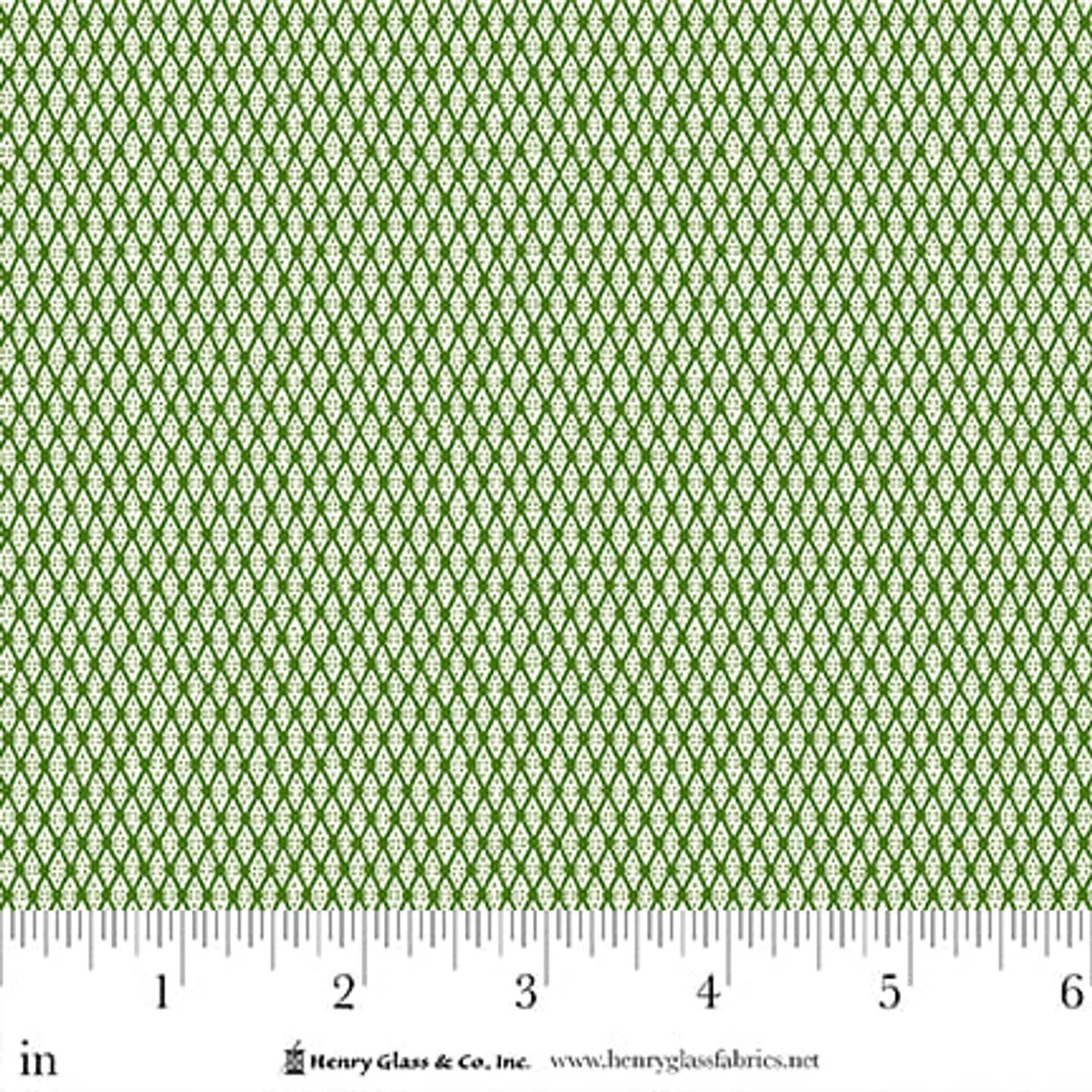
- HENRY GLASS - Frosty and Forest Friends by Stacy West - Small Trellis - Green: 100% cotton quilting fabric. 43/44 inch wide. Another 100% cotton option, this Henry Glass fabric features a friendly forest motif that's perfect for a baby quilt. The trellis design is visually engaging, and the cotton material is safe for sensitive skin.
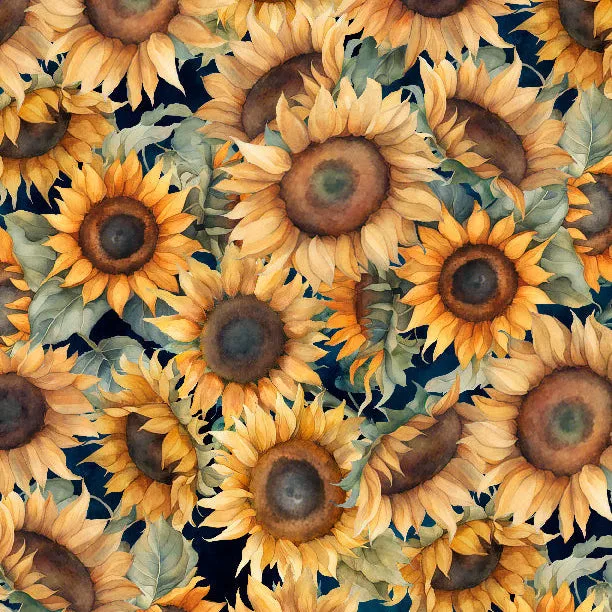
- WILMINGTON - Sunkissed by Nancy Mink - Packed Sunflowers - Multi: WILMINGTON - Sunkissed by Nancy Mink - Packed Sunflowers - Multi1665-33916-425 This bright sunflower print adds cheerful color to a baby quilt. While the catalog doesn't specify fiber content, it's likely cotton given the brand's typical offerings. Always check the label to confirm it's 100% cotton for baby use.
Is This Fabric Right for Your Baby Quilt?
Best for
- Quilters who want a soft, breathable quilt that's easy to wash.
- Baby quilts that will be used daily and need to withstand frequent washing.
Not for
- Quilters who prefer synthetic blends for cost or ease of care.
- Baby quilts that require a specific texture like minky or fleece.
Choosing the right fabric for a baby quilt doesn't have to be complicated. Stick with 100% cotton, pre-wash everything, and pick prints that will delight the baby and parents. With these rules, you'll create a quilt that's both beautiful and practical.