Quick answer
For most everyday bags, start with a structured woven exterior (canvas for bags, water-resistant canvas, or jacquard) and a lighter lining like a 300D water-resistant canvas. Choose faux leather for bags when you want wipe-clean durability and clean lines, and corduroy for bags when softness and texture matter more than water resistance. If you want one fabric that works for both exterior and lining, a bonded poly-nylon like DayFlex is the simplest place to start.
The fabric you choose does more work than almost any other decision in a bag. It decides whether the bag stands up on its own or slumps, whether a coffee spill beads off or soaks in, and whether the finished piece looks boutique-made or homemade.
This guide walks through the real trade-offs between canvas, faux leather, corduroy, and bonded poly-nylon, then gives you decision rules you can apply before you cut. Every fabric below has a job it does well — and a job where it will fight you.
Structure: does the fabric hold the bag's shape?
Structure is the first filter. A tote or crossbody needs an exterior that holds a line, or the bag will collapse into a puddle the moment you set it down. Midweight and heavyweight wovens — cotton canvas around 400gsm, jacquard webbing, and water-resistant cotton canvas — give you that body without extra interfacing. Lightweight wovens like 300D water-resistant canvas are better as linings, where their job is to be smooth and strong, not to carry the bag's silhouette.
Faux leather sits in the middle: it has enough body for a minimalist crossbody like the Cambridge Bag, but it does not drape, so it is a poor choice for a slouchy hobo. Corduroy is softer and more flexible, which makes it comfortable for pouches and casual totes but harder to keep crisp on structured shapes. If you want one fabric that behaves for both exterior and lining, a bonded poly-nylon like DayFlex is the shortcut — the bonded backing adds stability and smoothness without a separate lining step.
- Structured bag: choose 400gsm cotton canvas, water-resistant cotton canvas, or jacquard.
- Slouchy bag: choose corduroy or a softer midweight woven.
- Lining: choose 300D lightweight water-resistant canvas or DayFlex.
Water resistance: when does it actually matter?
Water resistance matters most on the outside of a bag that travels — crossbodies, lunch bags, travel organizers — and on the inside of any bag that holds snacks, cosmetics, or a leaking pen. Water-resistant cotton canvas keeps the natural softness and weave of cotton while a coating makes water bead and roll off, so it does not feel stiff or plastic-y. Lightweight water-resistant canvas uses a 300 denier polyester with a clear PU back coating, which is light but strong enough to hold a lining's shape.
DayFlex takes a different route: it is a bonded poly-nylon that is water-repellent and super smooth, with a thin lining permanently fused to the back. That fused layer means you can use one fabric for both the exterior and the lining of lunch bags, makeup pouches, and travel organizers. Faux leather is naturally wipe-clean, which handles spills on the surface but not seams or linings. Corduroy has no water-resistant claim in the catalog, so treat it as a dry-weather fabric.
- Exterior that travels: water-resistant cotton canvas or DayFlex.
- Lining that protects: 300D lightweight water-resistant canvas.
- Dry-weather or decorative projects: corduroy is fine.
Print, texture, and the look you're after
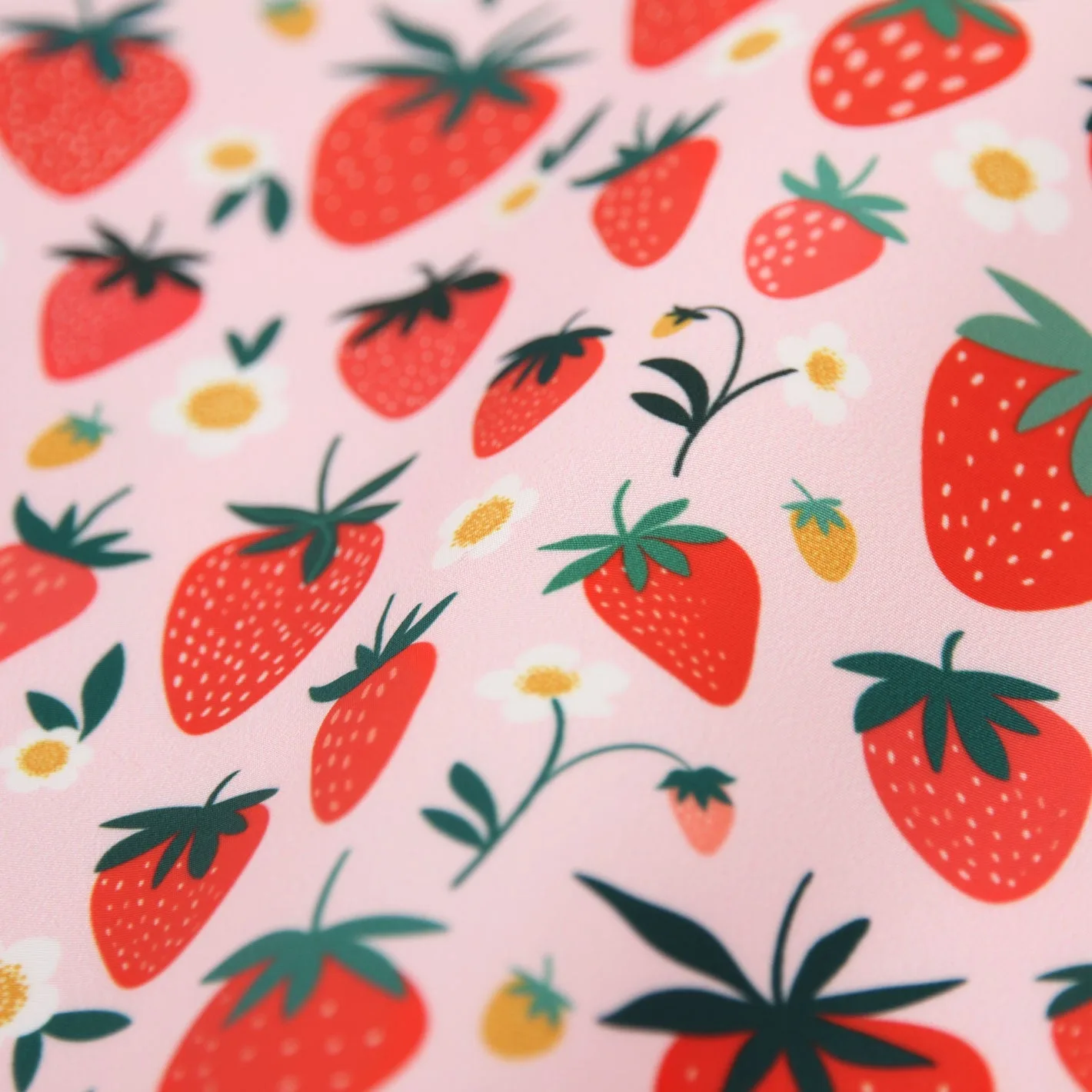
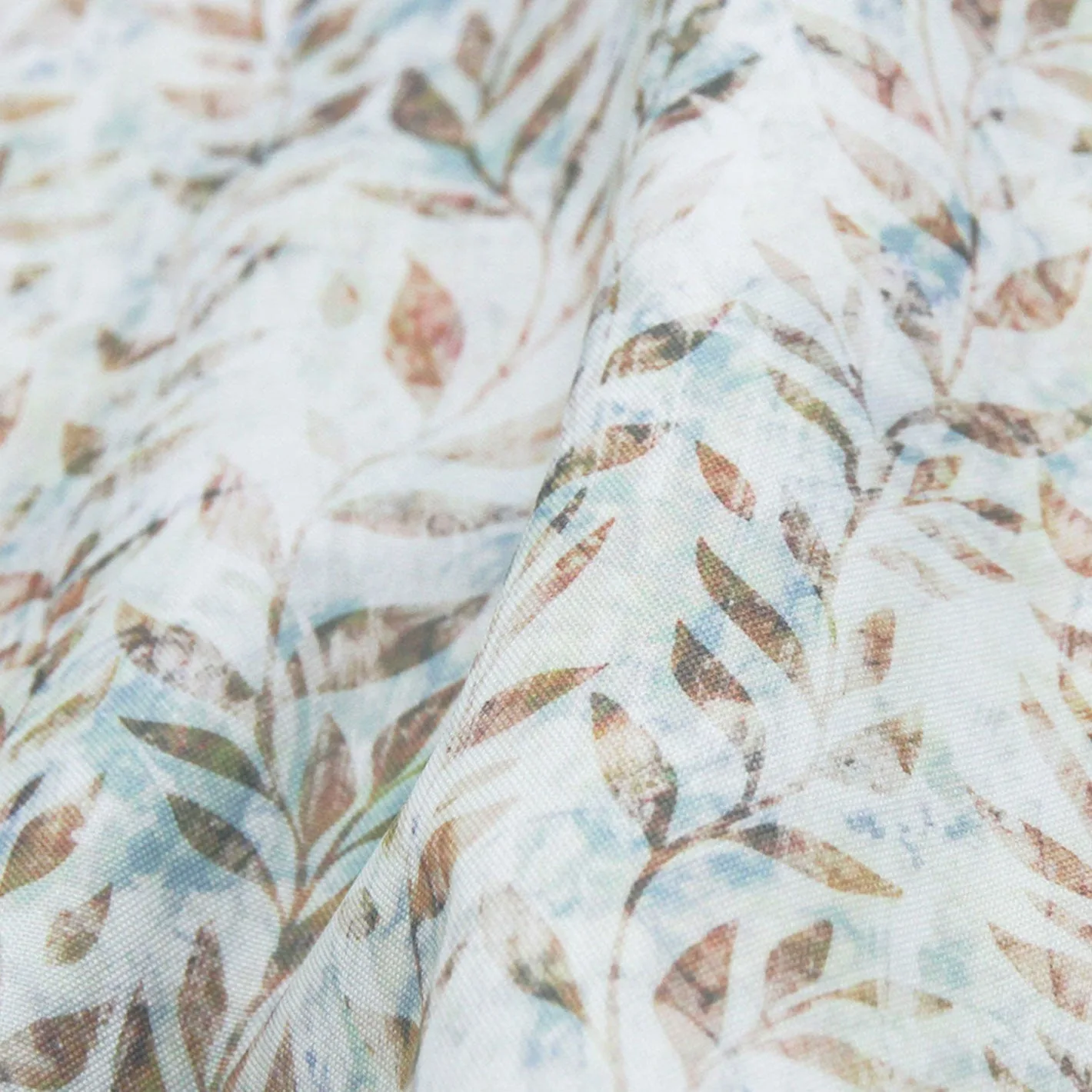
Once structure and water resistance are settled, print and texture decide the personality of the bag. Printed water-resistant canvases like Whispering Foliage give you a lining or exterior with pattern and performance in one fabric. DayFlex prints like Strawberry Picking offer the same bonded, water-repellent construction in a print, which is useful when you want a matching exterior and lining without hunting for two fabrics.
Faux leather and corduroy carry texture rather than print. Faux leather reads clean and modern, which is why it suits minimalist crossbodies and wallets. Corduroy reads soft and nostalgic, and it is a natural fit for pouches, book sleeves, and casual bags where a little give is welcome. If your project depends on a specific print, check the cut size options before you plan your layout — print scale and repeat can change how much fabric you need.
- Want print plus performance: printed water-resistant canvas or DayFlex prints.
- Want clean and modern: faux leather.
- Want soft and textured: corduroy.
How to match fabric to the bag's job
Start with the bag's job, not the fabric. A Kindle pouch needs a soft, protective exterior and a smooth lining; a crossbody needs structure and a wipe-clean surface; a lunch bag needs water resistance inside and out. Write the job down in one sentence, then pick the exterior that satisfies the hardest requirement and the lining that satisfies the rest.
Then check the fabric's construction against your sewing plan. Bonded fabrics like DayFlex eliminate a lining step. Coated fabrics like water-resistant canvas and lightweight water-resistant canvas do not need pre-washing for shrinkage in the same way, but they do need a fresh needle and a slightly longer stitch. Faux leather does not tolerate pin holes or seam ripping, so test on a scrap first. Corduroy has a nap, so cut all pattern pieces in the same direction.
- Write the bag's job in one sentence before choosing fabric.
- Match the exterior to the hardest requirement; let the lining handle the rest.
- Test stitch length and needle on a scrap of every new fabric.
Decision rules for choosing bag fabric
- If the bag must stand up on its own: Choose a structured woven exterior: 400gsm cotton canvas, water-resistant cotton canvas, or jacquard. Pair it with a lightweight lining so the exterior carries the shape. Skip faux leather for slouchy shapes and skip corduroy for crisp, architectural bags.
- If the bag will meet rain, spills, or snacks: Choose a water-resistant exterior and a water-resistant lining. Water-resistant cotton canvas for the outside, 300D lightweight water-resistant canvas for the inside. Corduroy has no water-resistant claim in the catalog — save it for dry-weather projects.
- If you want to skip the lining step: Choose a bonded poly-nylon like DayFlex, which has a thin lining permanently fused to the back and works for both exterior and lining. Best for lunch bags, makeup pouches, travel organizers, and fanny packs.
- If you want wipe-clean durability and clean lines: Choose faux leather for bags such as minimalist crossbodies and wallets. It does not drape, so keep shapes structured. Test on a scrap first — faux leather does not forgive pin holes or seam ripping.
- If softness and texture are the point: Choose corduroy for bags like pouches, book sleeves, and casual totes. Cut all pattern pieces with the nap running the same direction. Accept that corduroy is not the water-resistant option.
Catalog facts that change the decision
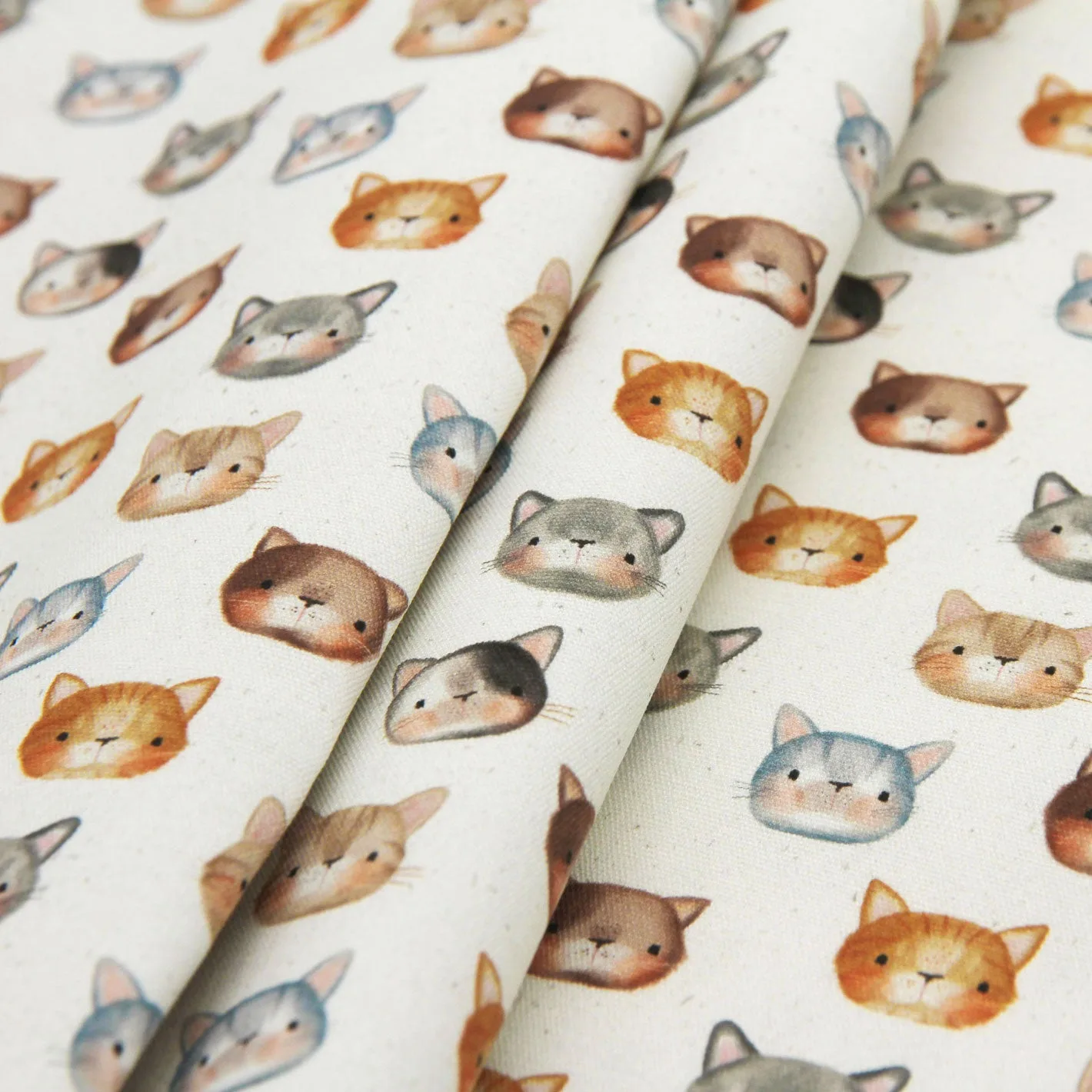
- Purrfectly Adorable - Water Resistant Cotton Canvas: Water-resistant cotton canvas keeps the natural softness and weave of cotton with a coating that makes water bead up and roll off; it does not feel stiff or plastic-y. This is the exterior choice when you want a structured everyday bag that still feels like fabric, not plastic.
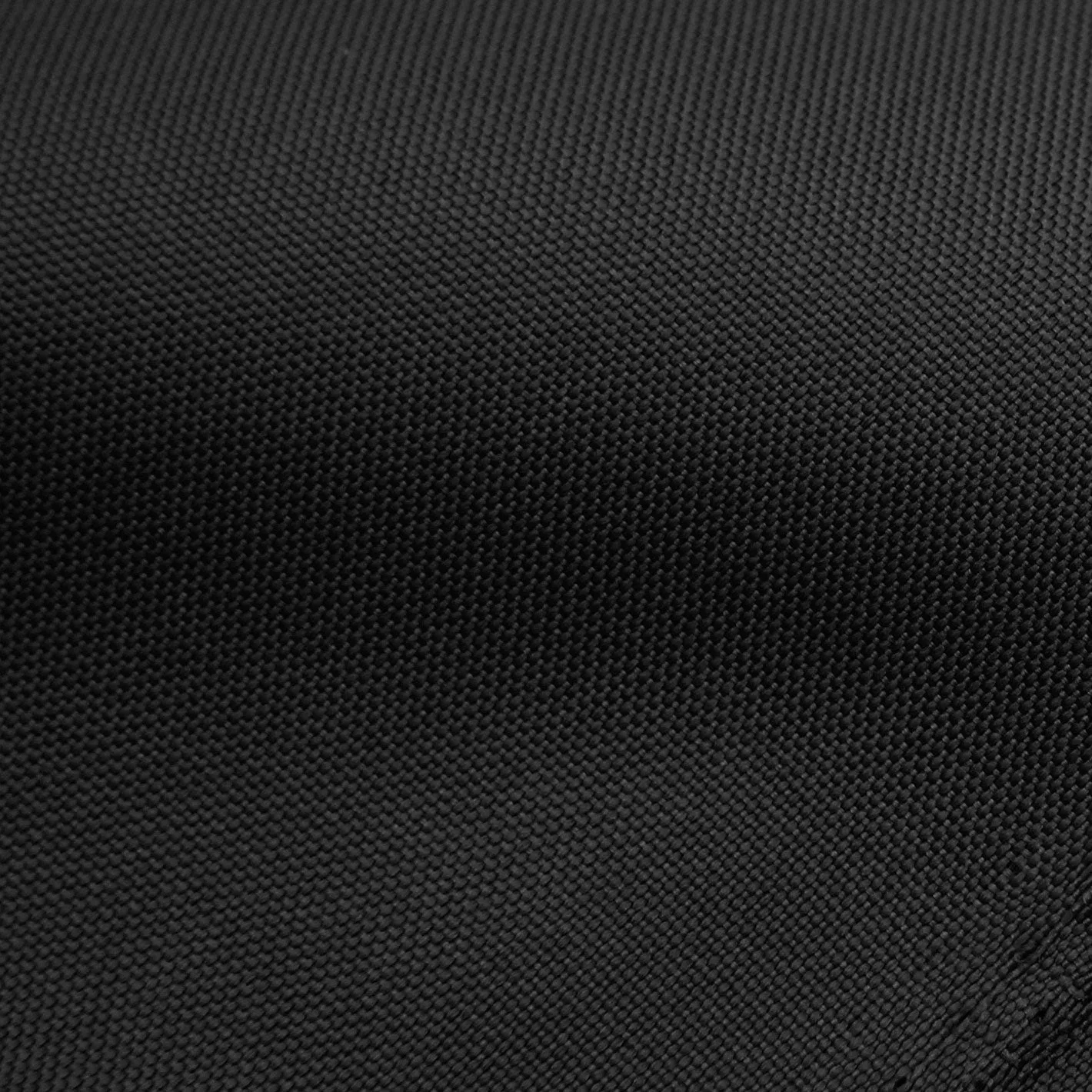
- Black - Lightweight Water Resistant Canvas: A 300 denier polyester canvas with a clear PU back coating, described as the go-to lining for pouches, wristlets, wallets, and everyday bags. Substantial enough to hold a lining's shape without adding bulk — the default lining for most small bags.
- Strawberry Picking - DayFlex Fabric: A bonded poly-nylon that is super smooth and water-repellent, with a thin lining permanently fused to the back; suitable for both bag exteriors and linings. One fabric covers exterior and lining, which simplifies lunch bags, makeup pouches, and travel organizers.
- Whispering Foliage - Lightweight Water Resistant Canvas: A 300 denier polyester canvas with a clear PU back coating, in a print, positioned as a lining fabric for pouches, wristlets, wallets, and everyday bags. Gives you print and water resistance in the same lining fabric, so you do not have to choose between looks and performance.
Who this guide is for
Best for
- Bag makers choosing fabric for a specific project and unsure whether to use canvas, faux leather, corduroy, or a bonded poly-nylon
- Sewists who want one fabric that works for both exterior and lining, such as DayFlex
- Makers who need a water-resistant exterior or lining for bags that travel
Not for
- Sewists looking for a step-by-step construction tutorial rather than a fabric selection guide
- Makers who have already chosen their fabric and only need cutting or assembly instructions
- Projects where fabric choice is fixed by a kit or pattern requirement
Choose the fabric that satisfies the bag's hardest requirement first, then let the lining handle the rest. A structured, water-resistant exterior plus a lightweight water-resistant lining will cover most everyday bags, while faux leather, corduroy, and DayFlex each win on specific jobs. Test a scrap before you cut, and the fabric will stop being the risky part of the project.