Quick answer
Choose fabric by working backward from the project: decide the fiber content first, then the weight, then the weave or print. Quilting cotton suits quilts, bags, and most home decor; lighter cotton lawn or shirting suits garments that drape; basic prints suit backgrounds and stash-building. Buy a little extra, pre-wash when shrinkage matters, and let the project—not the sale rack—drive the decision.
Most fabric mistakes aren't about color—they're about picking a cloth that can't do the job. A quilting cotton won't drape like a lawn shirt, and a lightweight shirting won't hold up as a tote bag bottom. The fix is a short, repeatable sequence: fiber, then weight, then weave or print.
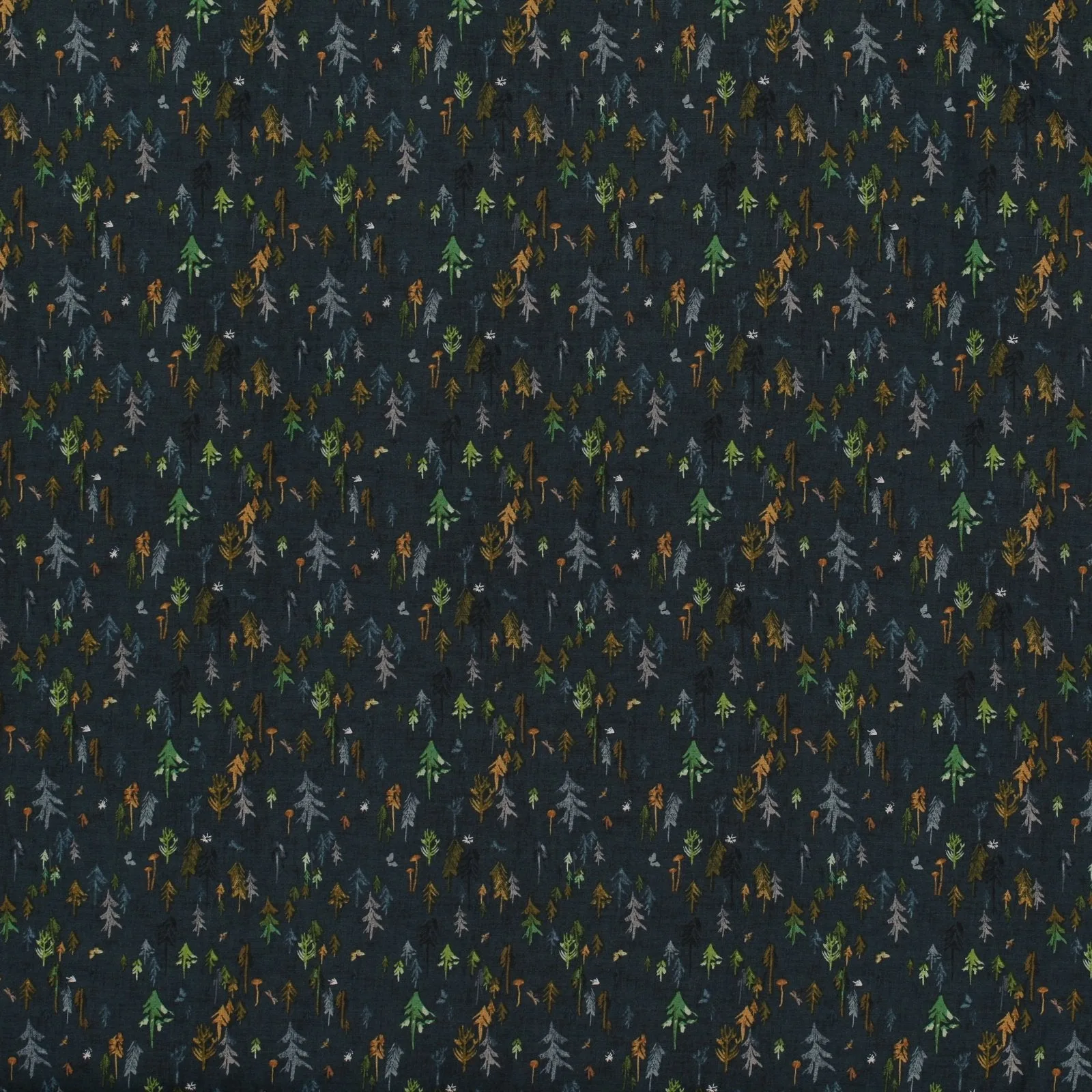
This fabric selection guide walks through that sequence with concrete decision rules and honest trade-offs. You'll also see how real fabrics from the shop—like Forest Glade Dark Teal from Clothworks Fabric and Grasscloth Orange by Heather Peterson for Riley Blake Designs—fit different projects, so you can translate the rules into a purchase you won't regret.
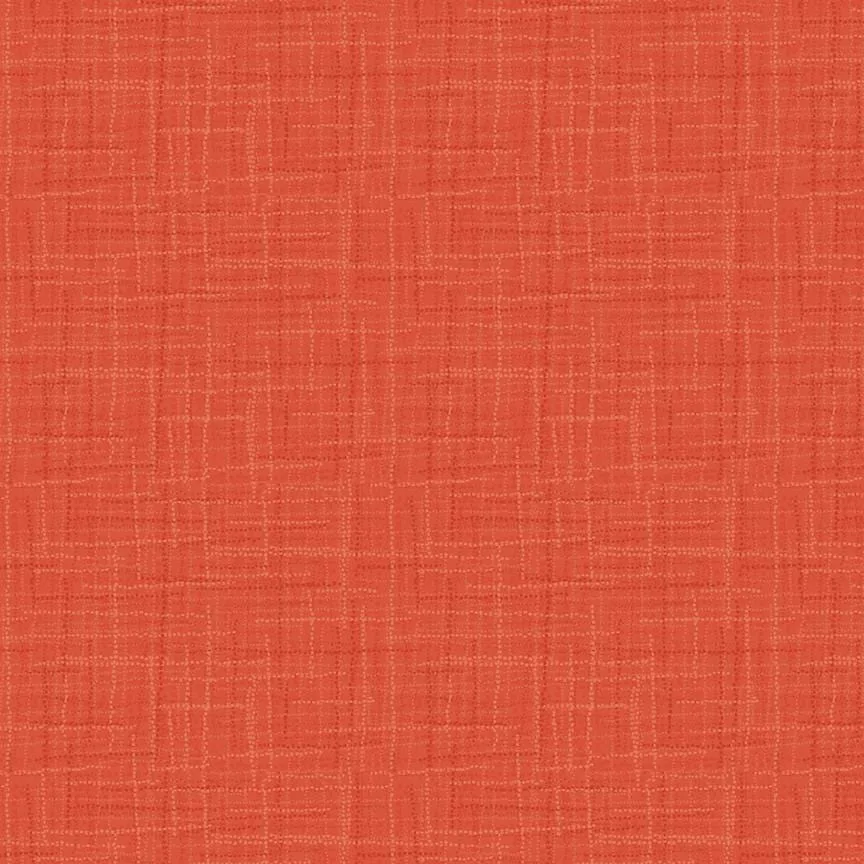
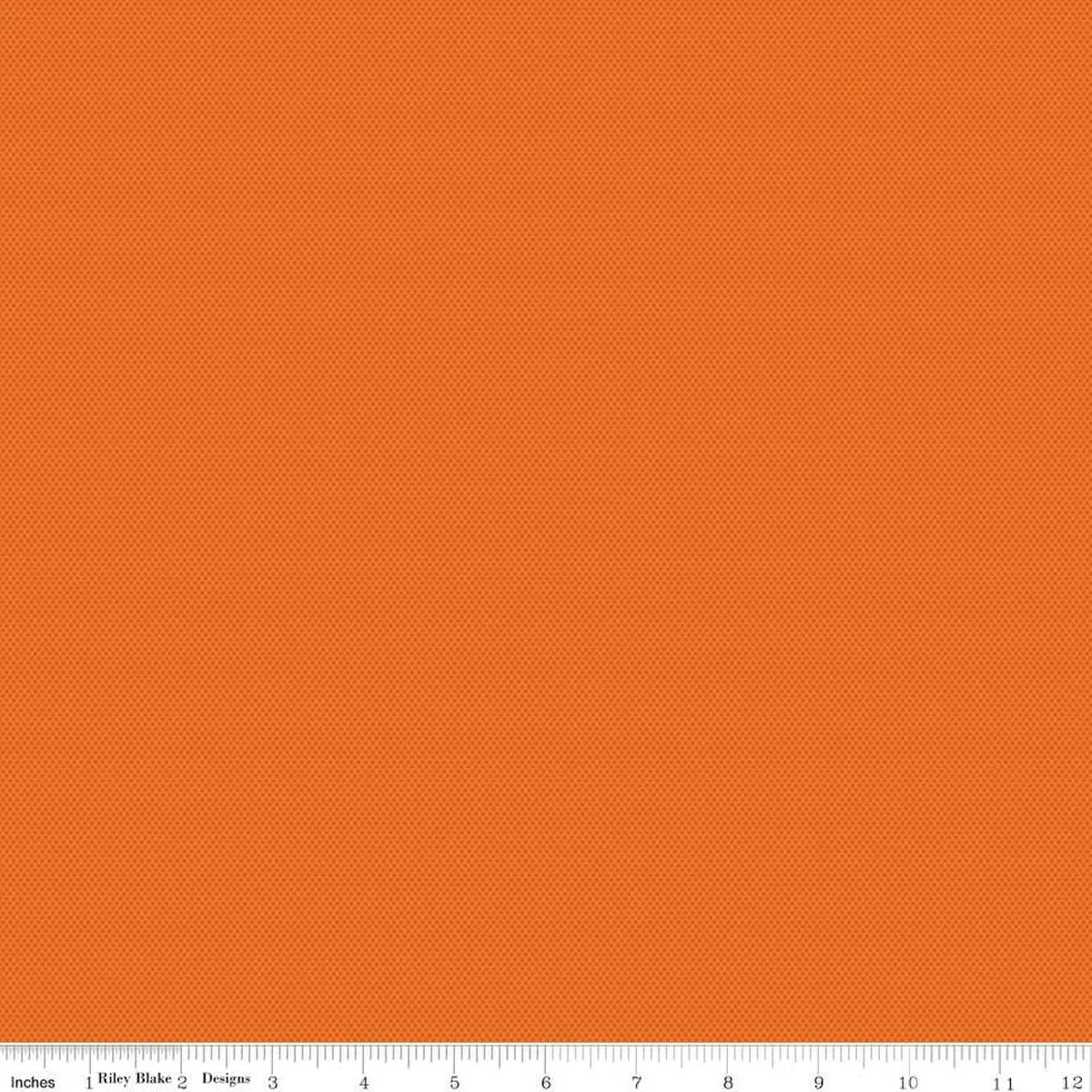
Grasscloth Orange by Heather Peterson for Riley Blake Designs
Start with fiber, not print
Fiber content determines how a fabric behaves after washing, how it presses, and how long it lasts. Cotton is the default for quilting and most everyday sewing because it presses crisply, frays predictably, and holds shape. The catalog listings here are explicit about content: Grasscloth Orange by Heather Peterson for Riley Blake Designs is 100% cotton, and Autumn from POParazzi by Riley Blake Designs is 100% cotton as well. That consistency is why both work for quilts, apparel, and home decor.
When a listing doesn't state fiber content, treat that as a real limitation rather than guessing. You can't reliably predict shrinkage, drape, or pressing behavior without it. If the project is a gift or a garment that must fit, choose a fabric whose content is stated, or order a small cut first and test it.
- If the fiber isn't listed, don't assume it's cotton—ask or test a swatch first.
- For quilts and bags, 100% cotton is the safe default.
- For garments that need drape, look for shirting or lawn rather than standard quilting cotton.
Match weight to the job
Weight is the second decision, and it's where most projects succeed or fail. Medium-weight quilting cotton is the workhorse: it holds a seam, takes a press, and doesn't fight you at the machine. Forest Glade Dark Teal from Clothworks Fabric is described as 100% cotton shirting/lawn that is slightly lighter than traditional quilting cotton, which makes it a better choice for tops and dresses than for a structured bag.
If you're making kitchen decor or accessories, a medium-weight print with a tight weave is more forgiving. Drinks Light Turquoise from Food Trucks by Jeannie Phan for Paintbrush Studio Fabric is a quilting cotton aimed at kitchen projects like oven mitts and tea towels. The trade-off is that lighter fabrics drape better but wear faster in high-abrasion uses, so let the end use decide.
- Quilts, bags, and home decor: medium-weight quilting cotton.
- Tops, dresses, and linings: lighter shirting or lawn.
- High-abrasion items: tighter weave and slightly heavier hand.
Read the weave and print for behavior
Weave and print affect how a fabric reads in a finished project. Tone-on-tone basics like Autumn from POParazzi by Riley Blake Designs, which features tiny tone-on-tone squares, blend into a quilt top without competing with feature prints. That makes them useful as backgrounds or as the quiet half of a two-fabric project. Grasscloth Orange by Heather Peterson for Riley Blake Designs uses dimensional color to create a woven look, so it can serve as a background or stand alone in quilting, apparel, and home decor.
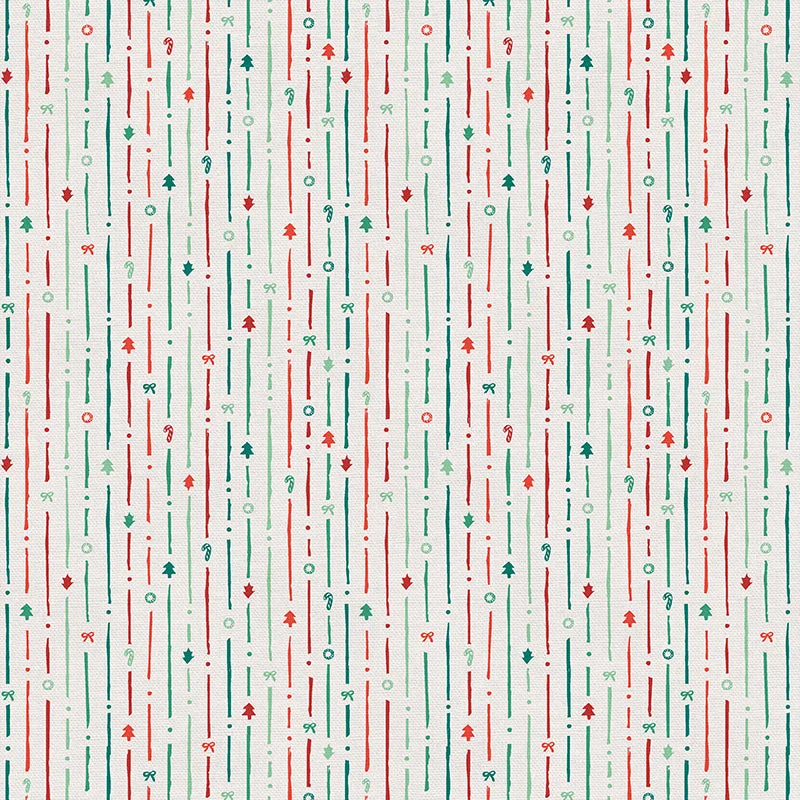
Directional prints and stripes need extra yardage because you'll cut them in one direction. Candy Stripes Green/Red by Jean Choe from Oh So Jolly for Paintbrush Studio Fabric is a holiday stripe, so plan for pattern matching and buy more than the pattern calls for. If you're building a stash rather than a single project, a bundle spreads the risk across several coordinated prints.
- Tone-on-tone prints: safe backgrounds and blenders.
- Directional stripes and plaids: add 15–25% yardage for matching.
- Bundles: useful for stash-building and coordinated projects.
Buying rules that prevent waste
Buy for the project plus a margin. For quilting cotton, add at least a quarter yard to the pattern requirement for cutting errors and pattern matching; for directional or large-scale prints, add more. Pre-wash when shrinkage matters, especially for garments and quilts that will be washed often. The catalog washing notes are a starting point: Grasscloth Orange by Heather Peterson for Riley Blake Designs recommends machine wash cold and tumble dry low, and Autumn from POParazzi by Riley Blake Designs gives the same guidance.
When a fabric is on sale, the discount is only a good deal if the fiber and weight fit a project you actually have. The Hot Pink (5) Piece Fat Quarter Bundle includes five pieces from Riley Blake Designs, each approximately 18" x 22", in different shades of one colorway. That's a practical way to test a palette before committing to yardage, and it's also a sensible gift or stash addition.
- Add a quarter yard for cutting errors; more for directional prints.
- Pre-wash if the finished item will be washed regularly.
- Buy sale fabric only when it matches a planned project.
Decision rules for choosing fabric
- If the project is a quilt: Choose 100% cotton in a medium weight, and use tone-on-tone prints for backgrounds and blenders. Quilting cotton is the default; lighter lawn belongs in garments, not quilt tops.
- If the project is a garment: Choose a lighter shirting or lawn when you need drape, and check the fiber content before buying. Forest Glade Dark Teal from Clothworks Fabric is a stated cotton shirting/lawn that suits tops and dresses.
- If the project is kitchen or home decor: Choose a medium-weight quilting cotton with a tight weave that can take abrasion and washing. Prints designed for kitchen projects, like Drinks Light Turquoise from Food Trucks, are aimed at exactly this use.
- If you're building a stash: Buy a coordinated bundle instead of single cuts so you can test a palette across several prints. The Hot Pink (5) Piece Fat Quarter Bundle gives five shades in one colorway for small projects and gifting.
- If the listing doesn't state fiber content: Treat the missing specification as a limitation: order a swatch or small cut and test shrinkage and pressing before committing. Never guess fiber content for a fitted garment or a gift that must wash well.
Real fabrics and where they fit
- Forest Glade Dark Teal from Clothworks Fabric: 100% cotton shirting/lawn, slightly lighter than traditional quilting cotton, 44/45" wide. The lighter weight gives better drape for garments like tops and dresses, but it's less suited to structured bags or heavy-use home decor.
- Grasscloth Orange by Heather Peterson for Riley Blake Designs: 100% cotton, 43"/44" wide, with dimensional color that creates a woven look; machine wash cold and tumble dry low. The woven look works as a background or a standalone print in quilting, apparel, and home decor, and the stated care instructions make it predictable to pre-wash.
- Autumn from POParazzi by Riley Blake Designs: 100% cotton, 43"/44" wide, with tiny tone-on-tone squares; machine wash cold and tumble dry low. Tone-on-tone prints blend quietly, so this is a strong choice for backgrounds and blenders where a feature print should stay the focus.
- Hot Pink (5) Piece Fat Quarter Bundle: Five pieces from Riley Blake Designs, each approximately 18" x 22", in different shades and tones of one colorway. A bundle lets you test a coordinated palette across several prints before buying yardage, and the fat quarter size suits small projects, binding, and stash-building.
Who this fabric selection guide is for
Best for
- Sewists planning a specific project and unsure which fiber or weight to buy
- Quilters choosing between quilting cotton and lighter shirting or lawn
- Shoppers building a stash who want coordinated prints rather than single cuts
Not for
- Sewists looking for advanced couture fabric sourcing or specialty textiles
- Buyers who need exact yardage calculations for a specific pattern without measuring first
Choosing fabric gets easier when you decide in order: fiber, then weight, then weave or print. Use the decision rules above, buy a little extra, and pre-wash when the finished item will be washed often. If you're still unsure, start with a bundle or a small cut and test it before committing to yardage.