Quick Answer
The best fish oil for you depends on your health goals. For general heart and circulation support, look for a formula with at least 500 mg of combined EPA and DHA per serving, and check for purity certifications. If you need higher omega-3 intake, consider a concentrated product like CoQ10 300MG, which also supports energy production.
CoQ10 300MG
Fish oil supplements are popular for their omega-3 fatty acids, EPA and DHA, which support heart, brain, and joint health. But with so many options on the shelf, how do you know which one to pick? This guide breaks down the key factors: EPA and DHA content, purity, and how they match your specific needs.
You don’t need to be a scientist to choose well. By learning a few simple rules, you can compare labels with confidence and avoid wasting money on ineffective formulas. We’ll also look at how some products, like those with added CoQ10, can offer extra benefits beyond basic fish oil.
Understanding EPA and DHA: Why They Matter
EPA (eicosapentaenoic acid) and DHA (docosahexaenoic acid) are the two main omega-3s in fish oil. EPA is known for reducing inflammation and supporting heart health, while DHA is crucial for brain and eye function. Most research uses combined EPA and DHA doses of 500–1000 mg per day for general wellness.
When reading a label, check the amounts of EPA and DHA, not just the total fish oil. A 1000 mg capsule might contain only 300 mg of active omega-3s. Look for high concentration to get more benefit per pill. For heart health, a ratio of about 2:1 EPA to DHA is common, but your doctor may recommend a different balance.
- Look for 'fish oil concentrate' – it usually has higher EPA/DHA per capsule.
- If you’re vegetarian, consider algae-based omega-3 instead of fish oil.
Purity and Quality: What to Look For
Purity matters because fish can contain environmental toxins like mercury and PCBs. Reputable brands use molecular distillation to remove impurities and often have third-party certifications from organizations like IFOS or USP. Look for these on the label or the brand’s website.
Also check for freshness. Omega-3s can oxidize, making them less effective and potentially harmful. A good product should have a mild smell, not a strong fishy odor. Some brands add antioxidants like vitamin E to prevent oxidation. If a product doesn’t list purity testing, consider choosing one that does.
- Choose a brand that provides a certificate of analysis (COA) for each batch.
- Store your fish oil in the fridge after opening to slow oxidation.
How to Match Fish Oil to Your Health Goals
Your reason for taking fish oil should guide your choice. For heart health, you might want a product with higher EPA. For joint support, look for formulas that combine omega-3s with curcumin, which also reduces inflammation. For overall wellness, a balanced EPA/DHA supplement is fine.
Consider your diet too. If you eat fatty fish twice a week, you might not need a high dose. But if you rarely eat fish, a more concentrated supplement can help you meet your needs. Always talk to your healthcare provider before starting a new supplement, especially if you take blood thinners.
- If you have high triglycerides, your doctor may recommend a prescription omega-3.
- Pregnant women should choose a purified fish oil with lower DHA? Actually, DHA is important for fetal brain development.
Your Quick Decision Rules for Buying Fish Oil
- Check the EPA/DHA numbers: Look for the actual milligrams of EPA and DHA, not just the total fish oil weight. Aim for at least 500 mg combined per serving for general health. If a label says '1000 mg fish oil' but doesn't list EPA/DHA, it's a red flag.
- Verify purity and freshness: Choose a brand that uses molecular distillation and provides third-party test results. The product should have a mild smell and be within its expiration date. If you can't find purity info, contact the manufacturer or pick another brand.
- Match the form to your goal: For heart health, consider a concentrated omega-3 or a formula with CoQ10. For joint pain, look for omega-3 combined with curcumin. For general wellness, a balanced EPA/DHA is enough. Don't buy a high-dose supplement if you only need maintenance.
Related Products to Consider
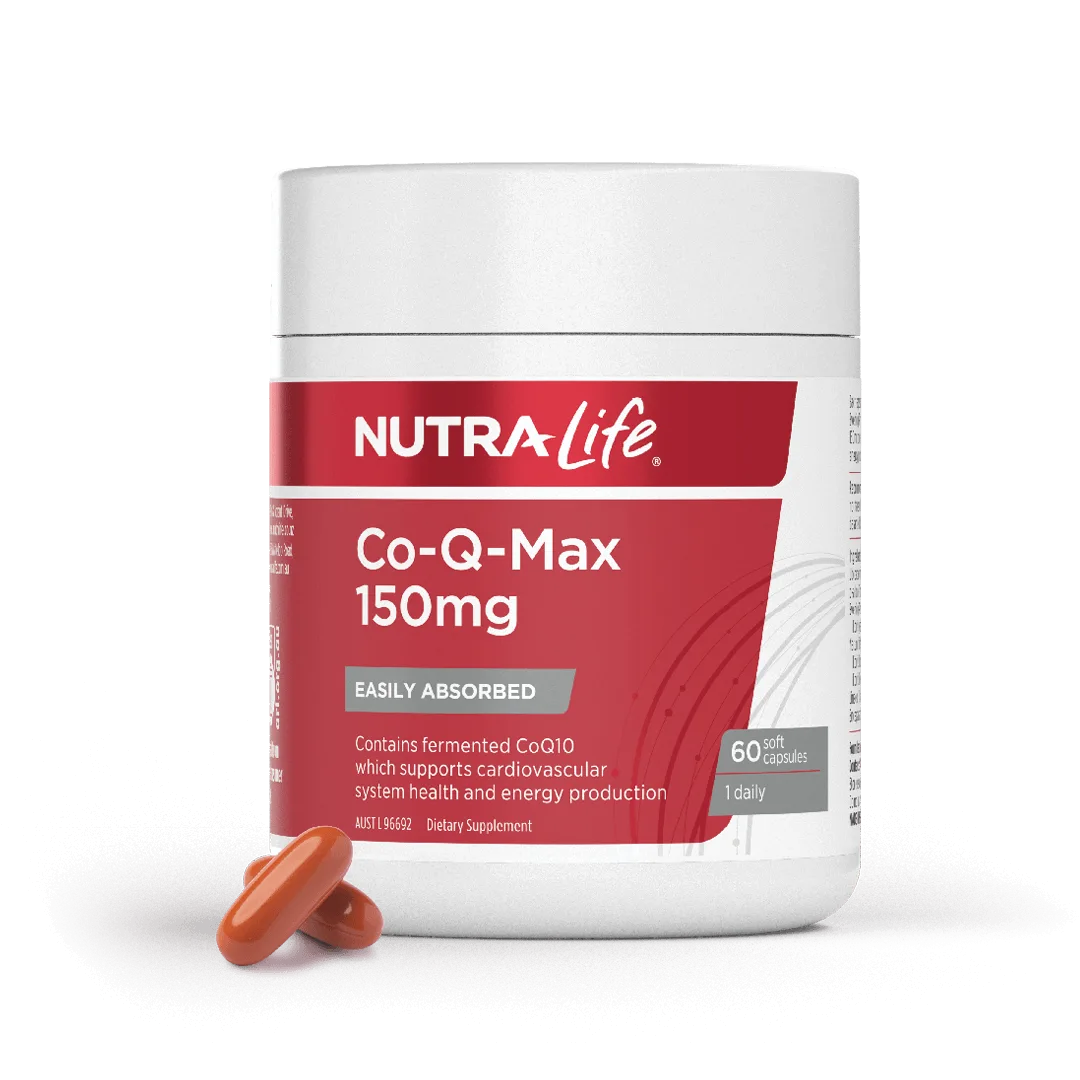
- CO-Q-MAX 150mg: Easily absorbed, one-a-day heart health formula that supports the health of the heart, circulation and energy production. Each capsule offers 150mg of naturally fermented Co-Enzyme Q10. This product can also help maintain normal blood pressure and cholesterol levels in healthy people. If you're looking for heart support, this adds CoQ10 to your routine, which works differently than omega-3s but complements them for energy and circulation.
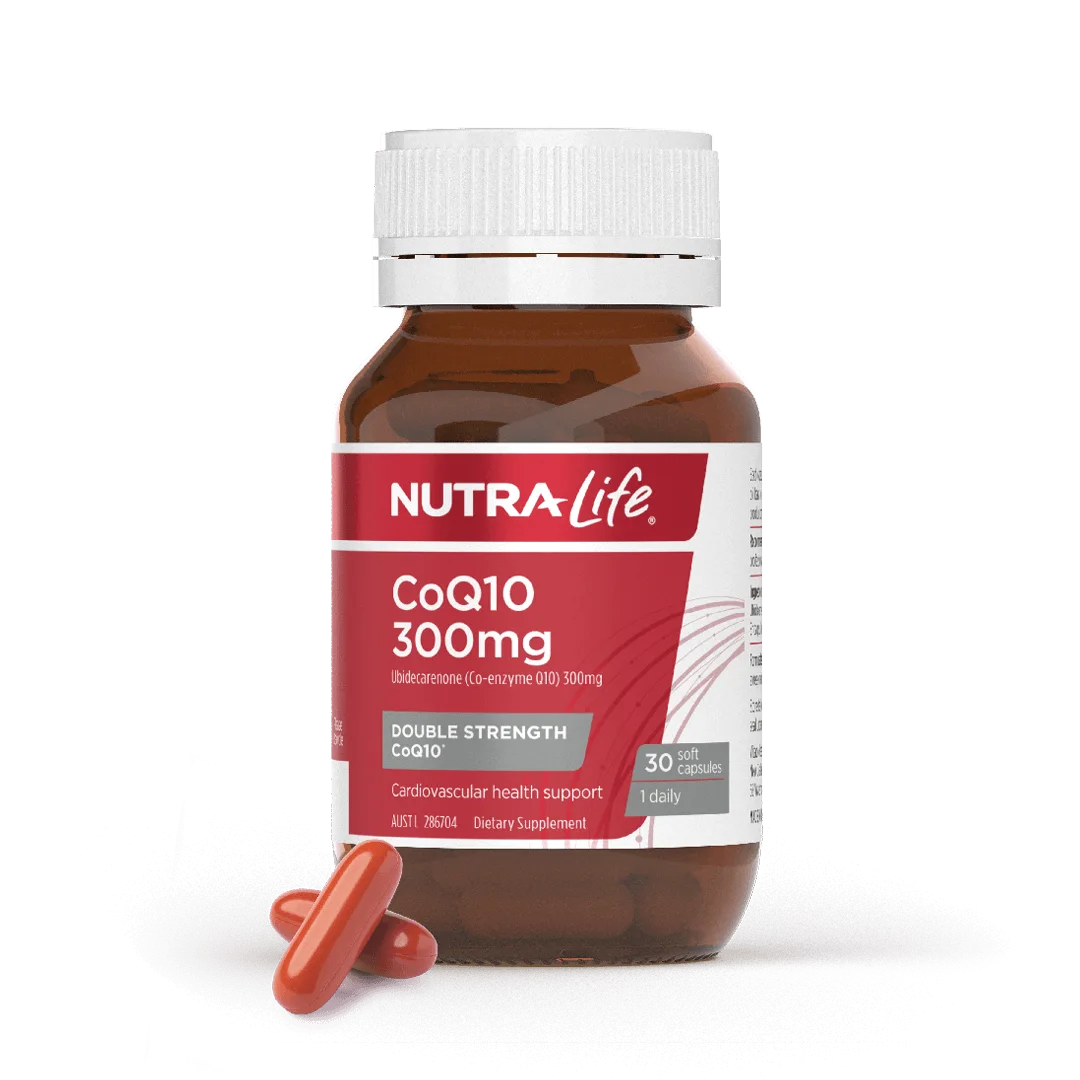
- COQ10 300MG: Easily absorbed, one-a-day heart health formula that supports the health of the heart, circulation and energy production. Each capsule offers 300mg of naturally fermented Co-Enzyme Q10. For those who need a higher CoQ10 dose, this option provides double the amount per capsule, which may be beneficial for people taking statins or with specific energy needs.
Who Should Choose What
Best for
- People with specific heart health goals who want a one-a-day formula with added CoQ10, like CO-Q-MAX 150mg.
- Those who need a higher CoQ10 dose for energy and circulation, who might prefer COQ10 300MG.
Not for
- People who are looking for a pure fish oil supplement without additional ingredients – consider a standard omega-3 product instead.
- Those with a fish allergy or following a vegan diet – look for algae-based omega-3 alternatives.
Choosing the right fish oil doesn't have to be complicated. Focus on the EPA and DHA content, verify purity, and pick a product that aligns with your health goals. Whether you opt for a standard fish oil or a combination formula, always consult your healthcare provider to ensure it's right for you.