Choosing the right food pan size is a critical decision for any commercial kitchen. Whether you're running a busy restaurant, a catering business, or an institutional kitchen, the correct pans ensure efficient food storage, consistent cooking, and optimal use of your refrigerator and hot-holding equipment. With so many options available—from standard sizes to specialized high-heat models—it can be overwhelming to know where to start.
In this guide, we'll break down the essential factors to consider when selecting food pans, including standard sizes, depth, material, and compatibility with your existing equipment. By the end, you'll have the knowledge to make informed choices that enhance your kitchen's workflow and food quality.
Understanding Standard Food Pan Sizes
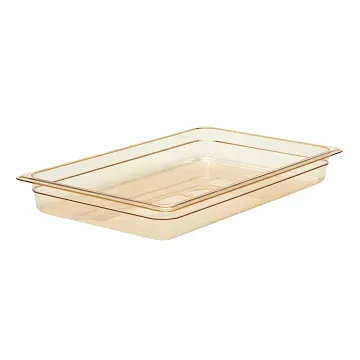
Food pans are standardized to fit into a variety of holding equipment, such as steam tables, refrigerators, and transport carts. The most common standard is the 'full-size' pan, which measures approximately 20.75 inches long and 12.75 inches wide. From this base, you can find fractional sizes like half-size, third-size, sixth-size, and ninth-size, each designed for different capacities and applications.
When choosing a size, consider the volume of food you need to store or serve. For high-volume items like soups or stews, full-size or half-size pans are ideal. For smaller portions or side dishes, third-size or sixth-size pans offer greater flexibility. It's also essential to think about how the pans will fit into your existing shelving or holding units. For example, if you use a Pro Cart Ultra® - Electric, Tall Universal, you'll need pans that fit its dimensions to maximize efficiency.
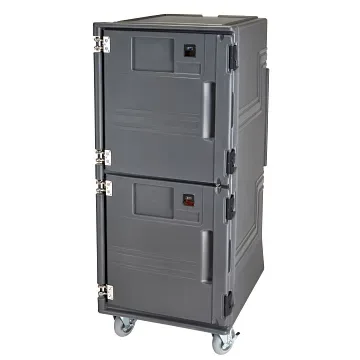
Pro Cart Ultra® - Electric, Tall Universal
- Full-size: 20.75" x 12.75" – best for large batches and entrees.
- Half-size: 10.375" x 12.75" – versatile for storage and service.
- Third-size: 6.9375" x 12.75" – good for vegetables and sides.
- Sixth-size: 6.9375" x 6.125" – ideal for condiments and garnishes.
Depth and Capacity: Matching Your Needs
Food pans come in various depths, typically ranging from 2 inches to 8 inches or more. The depth you choose depends on the type of food and how much you need to hold. Shallow pans (2-4 inches) are perfect for prepped ingredients, while deeper pans (6-8 inches) are better for storing large quantities of soups, sauces, or marinating meats.
It's also crucial to consider the capacity in relation to your serving needs. For instance, a full-size pan with a 6-inch depth can hold approximately 16 quarts, making it suitable for large gatherings. On the other hand, a half-size pan with a 2-inch depth might be sufficient for a small batch of side dishes. Always check the capacity specifications to avoid overfilling, which can lead to spillage or uneven heating.
- Measure your equipment's well depth to ensure a proper fit.
- Choose shallow pans for prep and deep pans for storage.
- Consider the weight of the filled pan – deeper pans are heavier.
Material Matters: Polycarbonate, Metal, and High-Heat Options
Food pans are typically made from either polycarbonate plastic or stainless steel. Polycarbonate pans are lightweight, durable, and resistant to chipping and cracking. They are ideal for cold storage, prep work, and transport. For example, Clear Polycarbonate Food Pan GripLids® offer visibility and secure sealing, making them a popular choice for storing prepped ingredients.
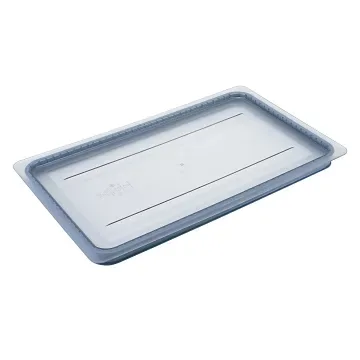
Clear Polycarbonate Food Pan GripLids®
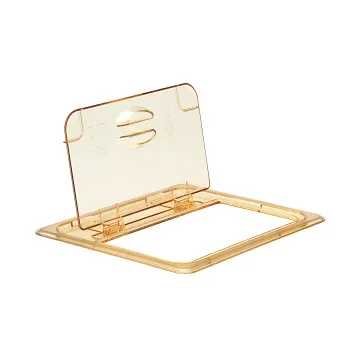
Stainless steel pans are better suited for high-heat applications, such as baking, roasting, or holding hot food. However, not all steel pans are created equal. For extreme temperatures, consider Amber High Heat Food Pans - H-Pan™, which are specifically designed to withstand high heat without warping or degrading. These pans are perfect for use in ovens, steam tables, and other hot-holding equipment.
- Polycarbonate: lightweight, clear, and ideal for cold use.
- Stainless steel: durable and suitable for high-heat environments.
- High-heat pans: designed for temperatures up to 375°F (190°C).
Compatibility with Lids and Accessories
To maximize the functionality of your food pans, consider the accessories that go with them. Lids are essential for keeping food fresh, preventing contamination, and maintaining temperature. For high-heat applications, Amber High Heat Flip Lids - H-Pan™ provide easy access and safe sealing. For cold storage, clear lids allow you to see contents at a glance.
Additionally, accessories like Universal Shelf Brackets can help organize your storage space, ensuring that pans are securely held and easily accessible. When selecting pans, always check that they are compatible with the lids and racks you already own or plan to purchase.
- Ensure lids fit snugly to prevent spills and preserve freshness.
- Use color-coded lids or pans to avoid cross-contamination.
- Invest in sturdy shelving to support heavy pans.
Choosing the right food pan size is about balancing capacity, material, and compatibility with your kitchen's equipment. By understanding standard sizes, depths, and material options, you can select pans that improve efficiency and food quality. Explore our range of commercial food pans, including high-heat and polycarbonate options, to find the perfect fit for your kitchen.