Quick answer
The right women's hiking boot balances fit, support, weight, and waterproofing for your specific terrain. Start with a precise fit in the heel and toe box, then match the boot's stiffness and ankle height to your load and trail difficulty.
Fit comes first: heel lock and toe room
A boot that fits poorly will cause blisters and fatigue no matter how many features it has. Women's boots often have a narrower heel and a wider toe box to match female foot anatomy. When trying on boots, wear the socks you plan to hike in and lace them fully. You should feel your heel locked in place with no lift when walking uphill, and have about a thumb's width of space in front of your longest toe.
Match the boot to your terrain and load
Lightweight hiking boots are ideal for day hikes with a light pack on well-maintained trails. They offer more flexibility and breathability but less ankle support and durability. For rugged terrain, heavier loads, or multi-day trips, a mid-duty or stiff boot provides better support and protection. The trade-off is weight and a longer break-in period. If you scramble over rocks, look for a boot with a climbing zone on the outsole and minimal seams to reduce hotspots.
Waterproofing is a key decision point. Waterproof boots keep your feet dry in wet conditions, but they also trap heat and moisture, making them less breathable. For dry climates or warm-weather hikes, a non-waterproof boot may be more comfortable. If you hike in rain or cross streams regularly, a fully waterproof boot with a Gore-Tex liner is worth the trade-off in breathability.
Decision rules for choosing women's hiking boots
- Rule 1: Prioritize heel lock and toe space: Your heel should not lift when you walk uphill. Leave a thumb's width of space in front of your longest toe to prevent black toenails on descents.
- Rule 2: Match stiffness to load and terrain: Flexible boots work for day hikes with a light pack. Choose a stiffer boot with more ankle support for heavy loads, rocky trails, or multi-day trips.
- Rule 3: Decide on waterproofing based on climate: Use waterproof boots for wet or cold conditions. In dry or hot climates, non-waterproof boots breathe better and dry faster if they get wet. If you hike in varied conditions year-round, consider owning both a waterproof pair and a breathable pair.
Two women's hiking boots to consider
-
Nucleo High II GTX Women's: The Nucleo High II GTX Women's offers best-in-class breathability in a mid-duty waterproof hiker/backpacking boot with award-winning Gore-Tex Surround technology and a traditional Nubuck leather look. This boot balances waterproof protection with superior breathability, making it a strong choice for wet conditions where you don't want your feet to get swampy.
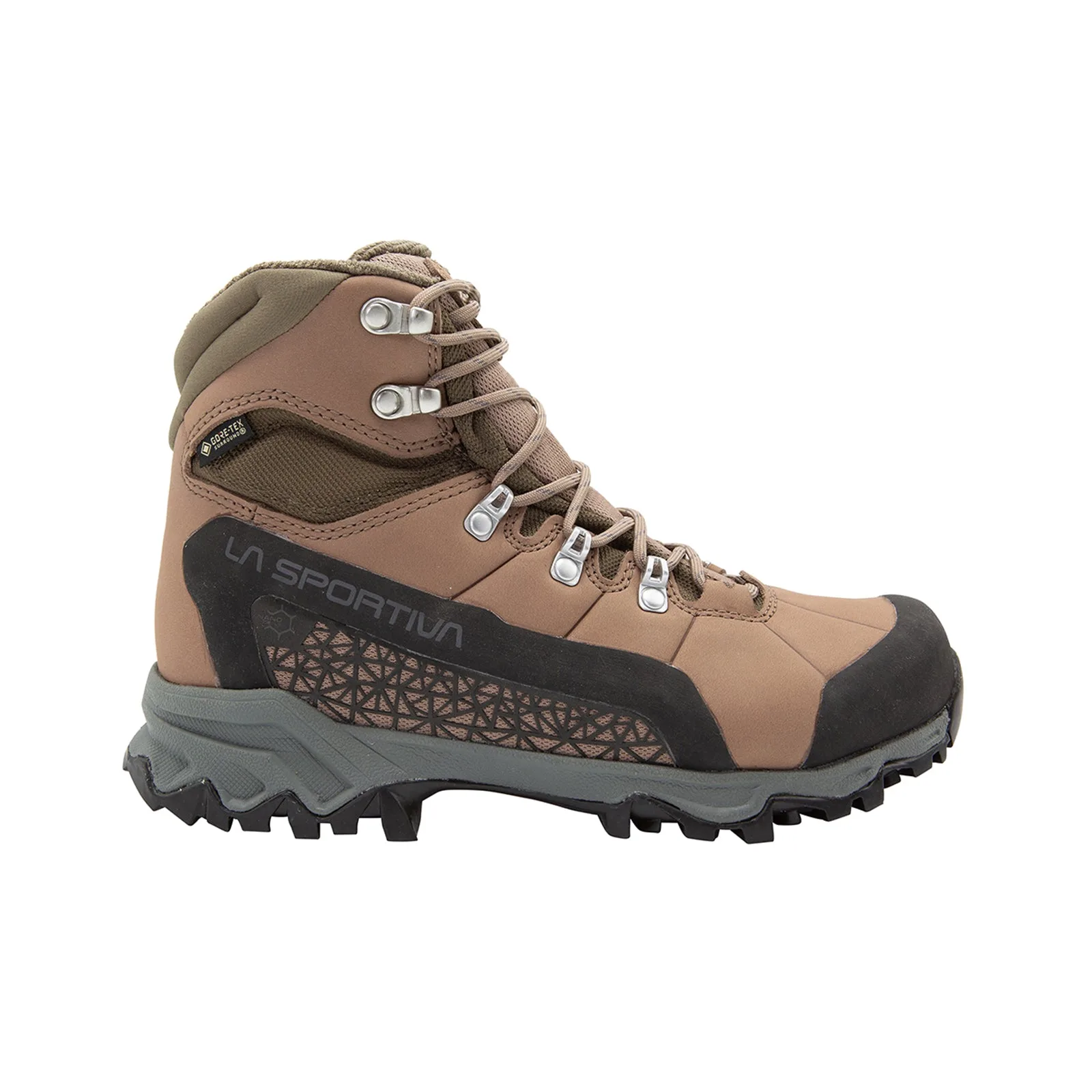
Nucleo High II GTX Women's
-
Trango Trk GTX Women's: The Trango TRK GTX Women's combines mountaineering boot technologies in a lightweight scrambler with a Vibram Mulaz outsole and minimal seams to reduce hotspots. If your hikes involve scrambling or off-trail travel, this boot gives you climbing precision and durability without the weight of a full mountaineering boot.
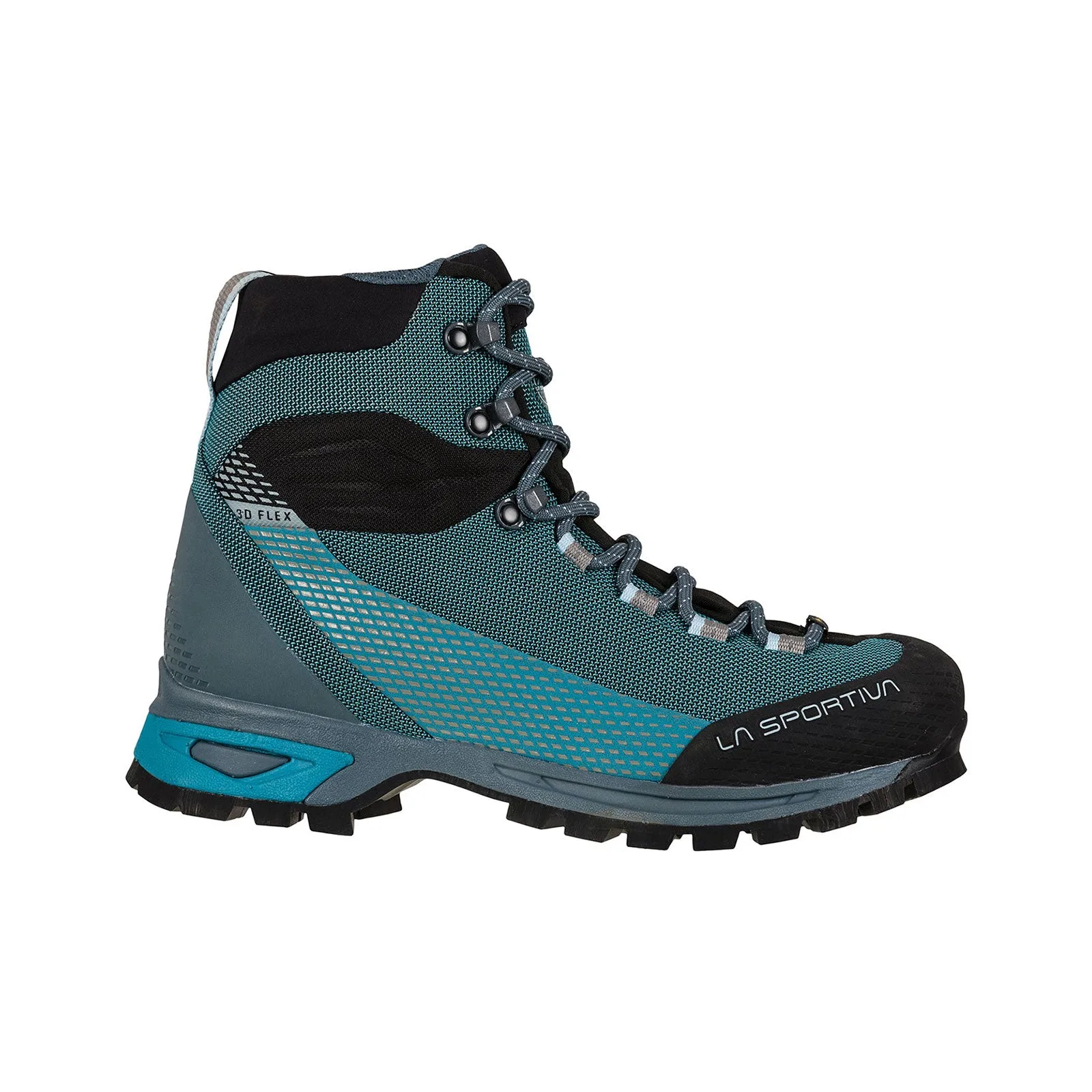
Trango Trk GTX Women's
Who should choose which boot
Best for
- Day hikers on well-maintained trails who want a lightweight, breathable boot
- Backpackers carrying moderate loads who need waterproofing and support
- Scramblers and off-trail hikers who want climbing precision in a lightweight package
Not for
- Technical mountaineering or heavy winter loads requiring a rigid, insulated boot
- Ultralight enthusiasts who prefer trail runners for fast-and-light trips