Training your horse is a rewarding experience, and using treats as a positive reinforcement can strengthen your bond and encourage desired behaviors. However, with countless options on the market, choosing the right horse treats for training can be overwhelming. This guide will walk you through the key factors to consider, ensuring you select treats that are both healthy and effective.
From nutritional content to texture and size, every detail matters. We'll also highlight some excellent product options, including Munch products, that are designed with your horse's well-being in mind. By the end, you'll be equipped to make an informed choice that benefits both you and your equine partner.
Why Treats Are Effective in Training
Positive reinforcement is a cornerstone of modern horse training. When you reward your horse with a tasty treat, you're signaling that they've done something right. This encourages them to repeat the behavior, making training sessions more productive and enjoyable. Treats can also help build trust, especially with young or nervous horses that may be hesitant to engage.
However, not all treats are created equal. The right treat should be enticing enough to motivate your horse but healthy enough to avoid digestive issues or weight gain. It's essential to consider the nutritional value, ingredients, and how the treat fits into your horse's overall diet.
- Positive reinforcement strengthens the horse-human bond.
- Treats can be used to reward small steps in training.
- Healthy treats support overall well-being and performance.
Nutritional Considerations
When choosing horse treats for training, the first thing to examine is the ingredient list. Look for treats that are low in sugar and starch, as excessive amounts can lead to metabolic issues such as laminitis or insulin resistance. Natural ingredients like oats, apples, carrots, and molasses (in moderation) are generally safe and appealing.
Additionally, consider the treat's calorie content. Training sessions often involve multiple rewards, so you want to avoid overfeeding. Some treats are designed to be low-calorie, allowing you to reward your horse without compromising their diet. For horses with specific dietary restrictions, such as those with sugar sensitivity, there are specialized options available.
- Check the sugar and starch content to avoid metabolic risks.
- Opt for treats with natural, recognizable ingredients.
- Choose low-calorie options for frequent rewards.
Size and Texture: Practical Factors
The size of the treat matters more than you might think. Large treats can be difficult for horses to chew quickly, interrupting the flow of your training session. Small, bite-sized treats are ideal because they can be consumed quickly, allowing you to maintain momentum. They also prevent overfeeding, as you can give multiple small rewards without exceeding calorie limits.
Texture is another consideration. Hard treats might be too tough for older horses with dental issues, while very soft treats can crumble and create mess. A balanced texture that is easy to chew but not overly crumbly is often best. Some treats are specifically formulated to be soft and chewy, making them suitable for horses of all ages.
- Small, bite-sized treats keep training sessions flowing.
- Consider your horse's dental health when choosing texture.
- Soft chewy treats are often well-received and easy to digest.
Flavor Preferences and Allergies
Horses, like humans, have individual taste preferences. While some horses go crazy for apple-flavored treats, others prefer mint or carrot. It's a good idea to experiment with a few different flavors to see what your horse responds to best. Pay attention to their enthusiasm during training; a treat they love will elicit a more eager response.
Allergies can also play a role. Some horses may have sensitivities to ingredients like soy, wheat, or certain preservatives. If you notice any adverse reactions, such as hives or digestive upset, discontinue use and consult your veterinarian. Choosing treats with minimal ingredients can reduce the risk of allergic reactions.
- Test different flavors to find your horse's favorite.
- Watch for signs of allergies or sensitivities.
- Choose treats with simple, natural ingredients.
Integrating Treats into a Balanced Diet
Treats should complement, not replace, your horse's regular feed. They are meant to be a supplement to a balanced diet, providing extra motivation without disrupting nutritional balance. Always account for the calories from treats when planning your horse's meals, especially if they are prone to weight gain.
It's also important to establish a treat-giving routine. Consistency helps your horse understand when they've earned a reward, reinforcing the training process. You might also consider using treat-dispensing toys or puzzles to make the reward more engaging, though these should be used with supervision.
- Treats are a supplement, not a meal replacement.
- Adjust your horse's daily feed to account for treat calories.
- Use treats consistently to reinforce training cues.
Recommended Training Treats
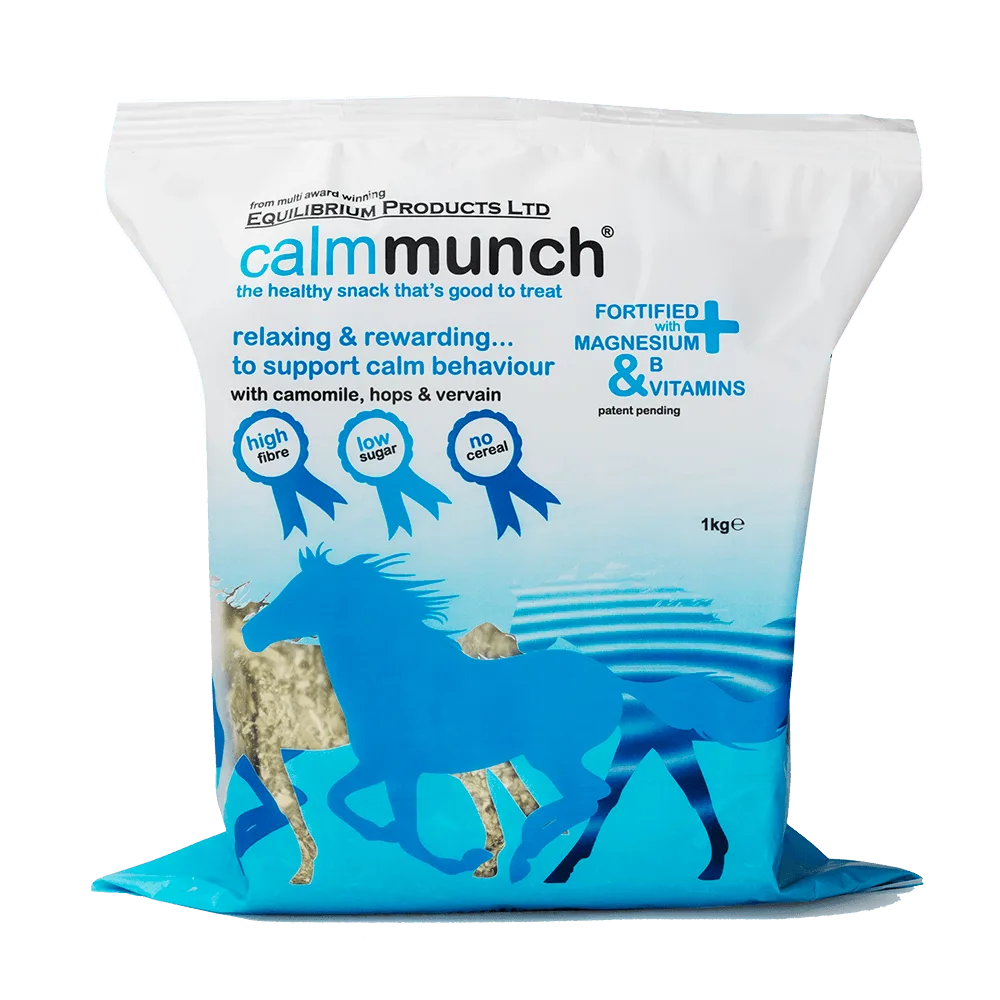
At Equilibrium Products, we offer a range of high-quality treats that are perfect for training. Our Munch product line is specifically designed with your horse's health in mind. These treats are made from natural ingredients, are low in sugar, and come in small, easy-to-chew sizes. They are ideal for rewarding your horse during training sessions without compromising their diet.
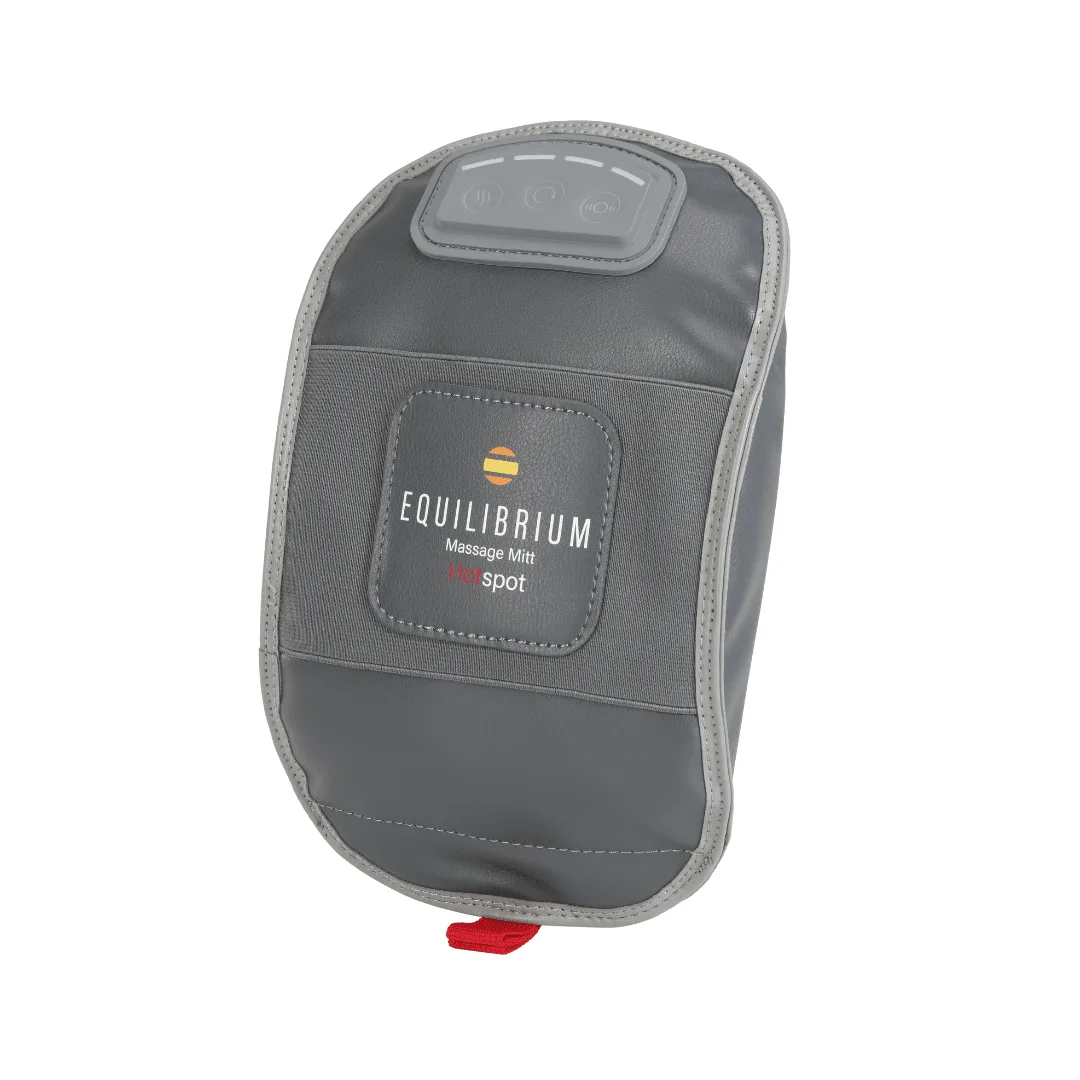
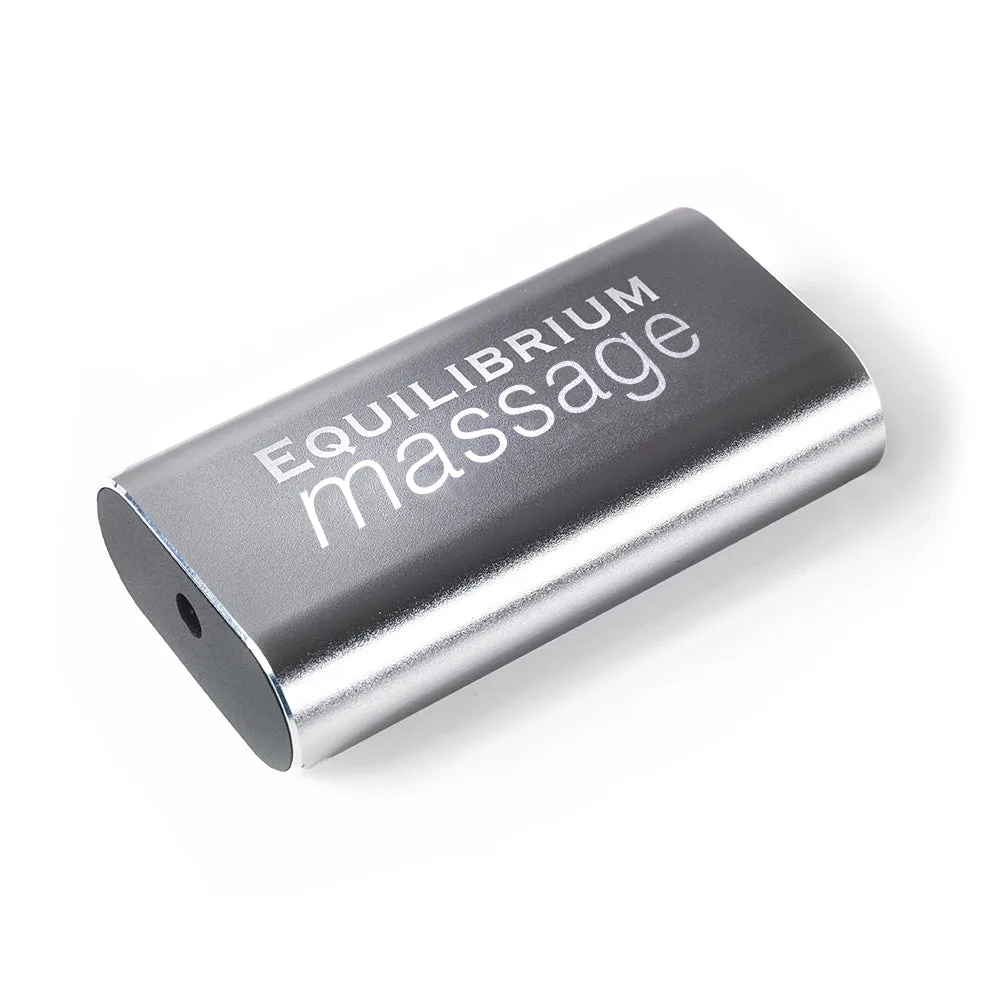
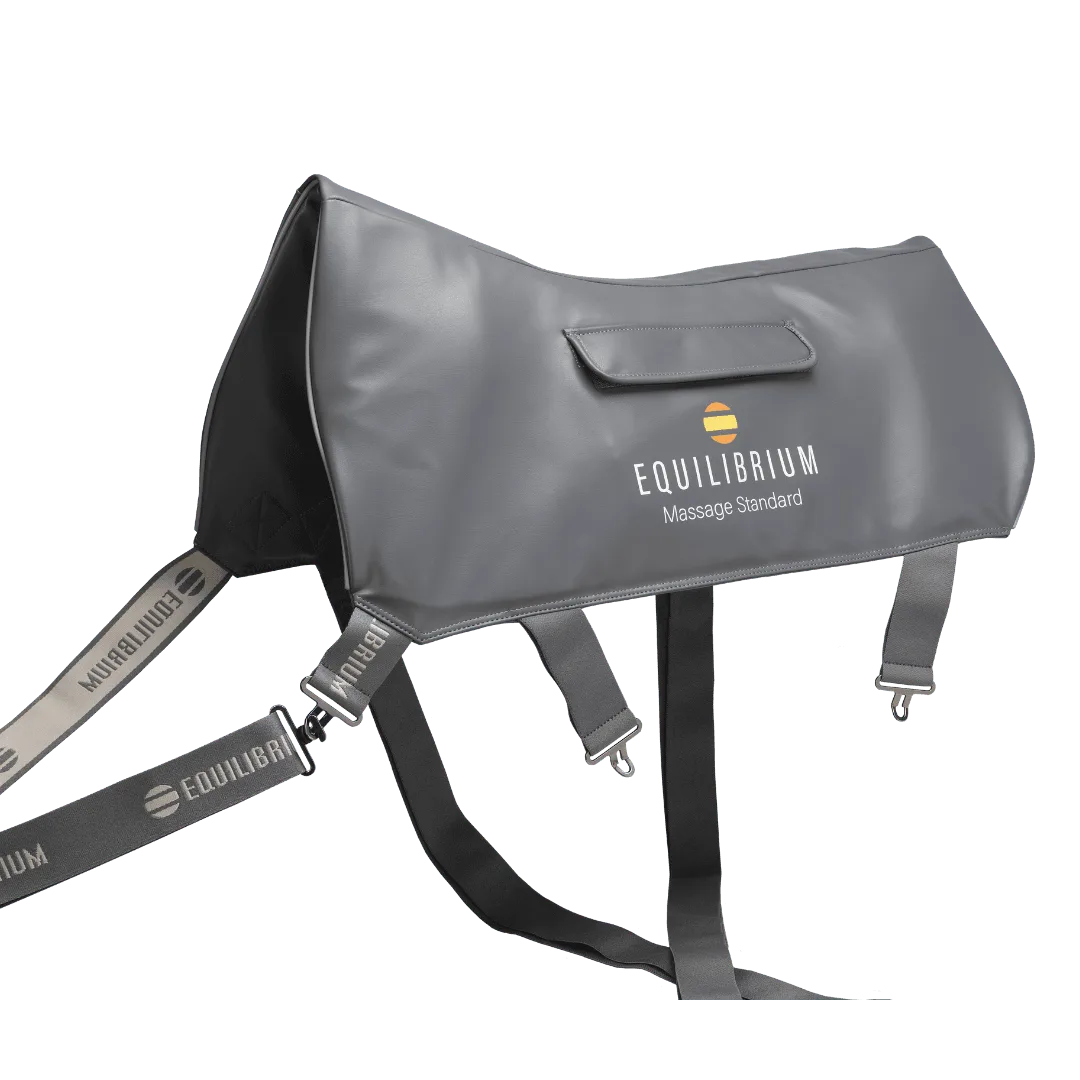
In addition to treats, consider incorporating other training aids that enhance the experience. For example, using a comfortable and well-fitted headcollar can make training sessions more pleasant for your horse. Our Massage International Charger and https://equilibriumproductstzo.com/products/equilibrium-massage-pad-heatsense-d9af1182f0edd2d41e406398-555689Massage Pad Heatsense can help your horse relax and recover after training, making them a great addition to your routine.
- Munch treats are low in sugar and made from natural ingredients.
- Consider combining treats with proper equipment for optimal training.
- Post-training recovery products can complement your training program.
Choosing the right horse treats for training is about balancing motivation, nutrition, and practicality. By considering factors like ingredients, size, and your horse's preferences, you can select treats that enhance your training sessions while keeping your horse healthy. Explore our Munch product line to find the perfect reward for your equine partner.