Quick Answer
For long trail runs, prioritize a vest that fits snugly without chafing, offers enough capacity for your needs, and has easy access to water. Choose between bottle or bladder systems based on convenience and personal preference, and ensure the vest has secure storage for essentials.
When you're heading out for a long run, staying hydrated is non-negotiable. A hydration vest lets you carry water, snacks, and gear comfortably, leaving your hands free. But with so many options, how do you choose the right one? This guide breaks down the key factors: fit, capacity, features, and trade-offs.
Whether you're a beginner or a seasoned trail runner, understanding what to look for will help you find a vest that works for you. We'll also highlight a few La Sportiva products that can complement your running kit.
Fit: The Most Important Factor
A hydration vest should feel like a second skin—snug but not restrictive. It should not bounce or shift when you run. Look for adjustable straps at the chest and sides to fine-tune the fit. Many vests come in sizes (e.g., S/M, L/XL) based on chest measurement, so check the size chart. Remember that you'll wear the vest over a base layer or thin top, so consider that when sizing.
If possible, try the vest on with a full bladder or bottles to see how it feels loaded. Pay attention to the shoulder area and underarms for potential chafing. A vest that fits well will distribute weight evenly, reducing strain on your back and shoulders.
- Adjustable chest straps help secure the fit and prevent bounce.
- Check the size chart and measure your chest before buying.
Capacity: How Much Water and Gear Do You Need?
Hydration vests come in various capacities, typically measured in liters. A 5-7 liter vest is suitable for shorter runs or minimal gear. For long runs, you might need 10-15 liters to carry extra water, food, layers, and safety items. Think about the duration and conditions of your runs. If you're running in hot weather or remote areas, you'll need more water capacity.
Consider the type of hydration system: bottles, a bladder, or both. Bottles are easier to refill and clean, and you can see how much you've drunk. Bladders (reservoirs) hold more water and are evenly distributed on your back, but they are harder to refill and can be a hassle to clean. Some vests accommodate both, giving you flexibility.
- For runs over 2 hours, aim for at least 1.5-2 liters of water capacity.
- Bottle pockets on the front allow easy access without stopping.
Features That Matter
Look for features that enhance convenience and comfort. Multiple pockets, including zippered ones for valuables, are essential. Soft flask bottles are popular because they collapse as you drink, reducing bounce. Some vests have trekking pole attachments, which are handy for mountain runs. Reflective details improve visibility in low light.
Breathability is crucial to avoid overheating. Mesh panels and lightweight materials help with ventilation. Also, consider the vest's weight—lighter is better for running, but you don't want to sacrifice durability or storage. Think about what you'll carry: phone, keys, nutrition, and maybe an extra layer.
- Zippered pockets keep small items secure.
- Look for reflective elements for safety.
Hydration Systems: Bottles vs. Bladders
Choosing between bottles and bladders often comes down to personal preference. Bottles are convenient because you can see how much you're drinking, and they're easier to refill at aid stations. They also allow you to add electrolyte tablets directly. Bladders, on the other hand, offer a higher capacity and are less bulky in front, but they require more maintenance to prevent mold.
Some runners prefer a combination: a bladder for main water and a small bottle for a quick sip. Consider your running style and what you're used to. If you're new to hydration vests, starting with bottles might be simpler.
Decision Rules for Choosing a Hydration Vest
- Fit First: Prioritize a snug, comfortable fit. Adjustable straps and correct sizing prevent chafing and bounce. If it doesn't fit, it won't work.
- Capacity Matches Duration: Choose capacity based on run length and water needs. 5-7L for short runs, 10-15L for long or remote runs. More water means more weight—balance capacity with necessity.
- Hydration System Preference: Decide between bottles and bladders. Bottles are easier to refill and clean; bladders hold more and are less bulky. Try both to see what you prefer.
- Essential Features: Look for pockets, reflective details, and breathable materials. Consider pole attachments if needed. Features add convenience but also weight.
Related La Sportiva Products
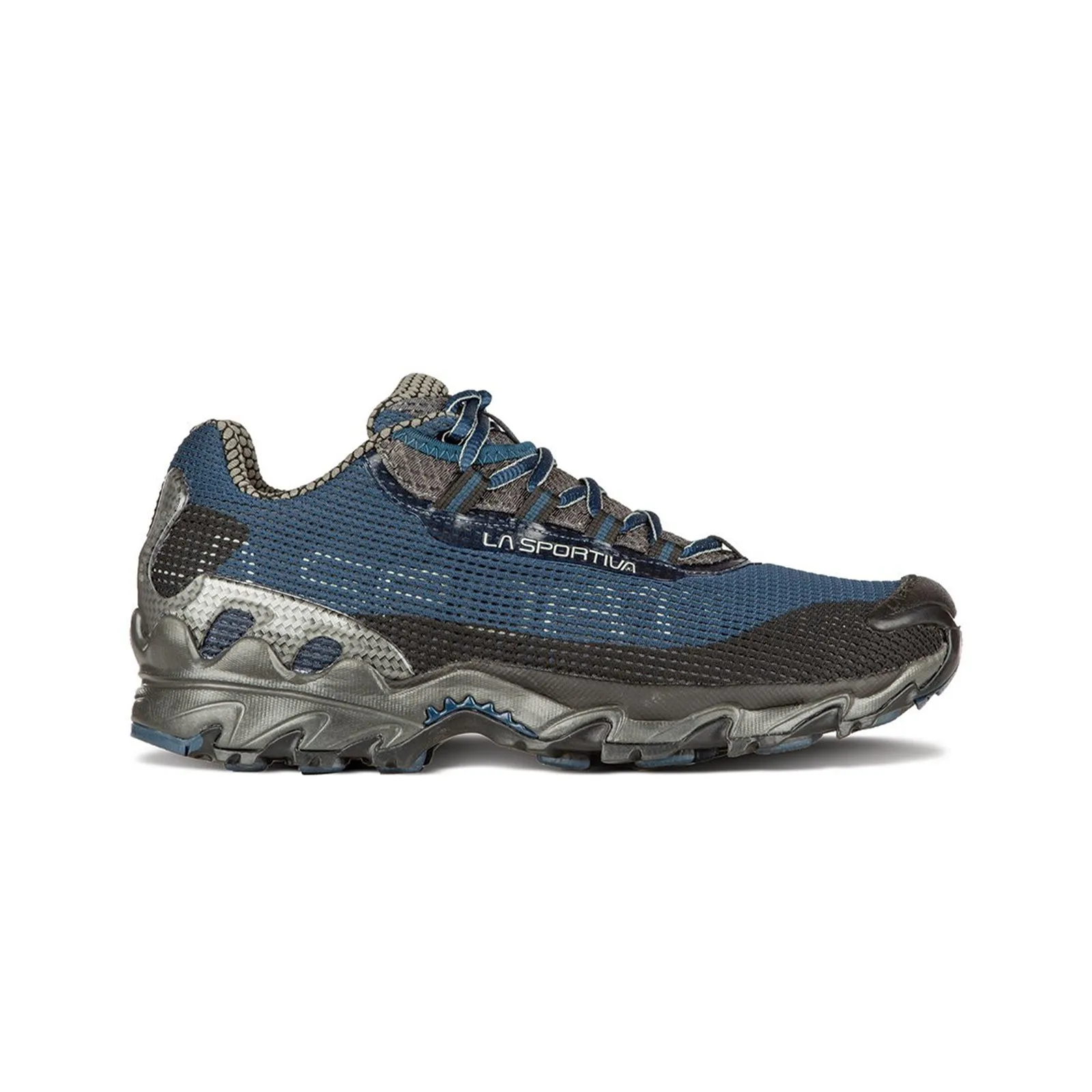
- Wildcat Women's: A stable, neutral, and extremely well cushioned women's Mountain Running® shoe: Our most cushioned running shoe that excels at long trail outings where extra protection is needed. Pair your hydration vest with a comfortable, cushioned shoe like the Wildcat Women's for long trail runs that require extra protection and stability.
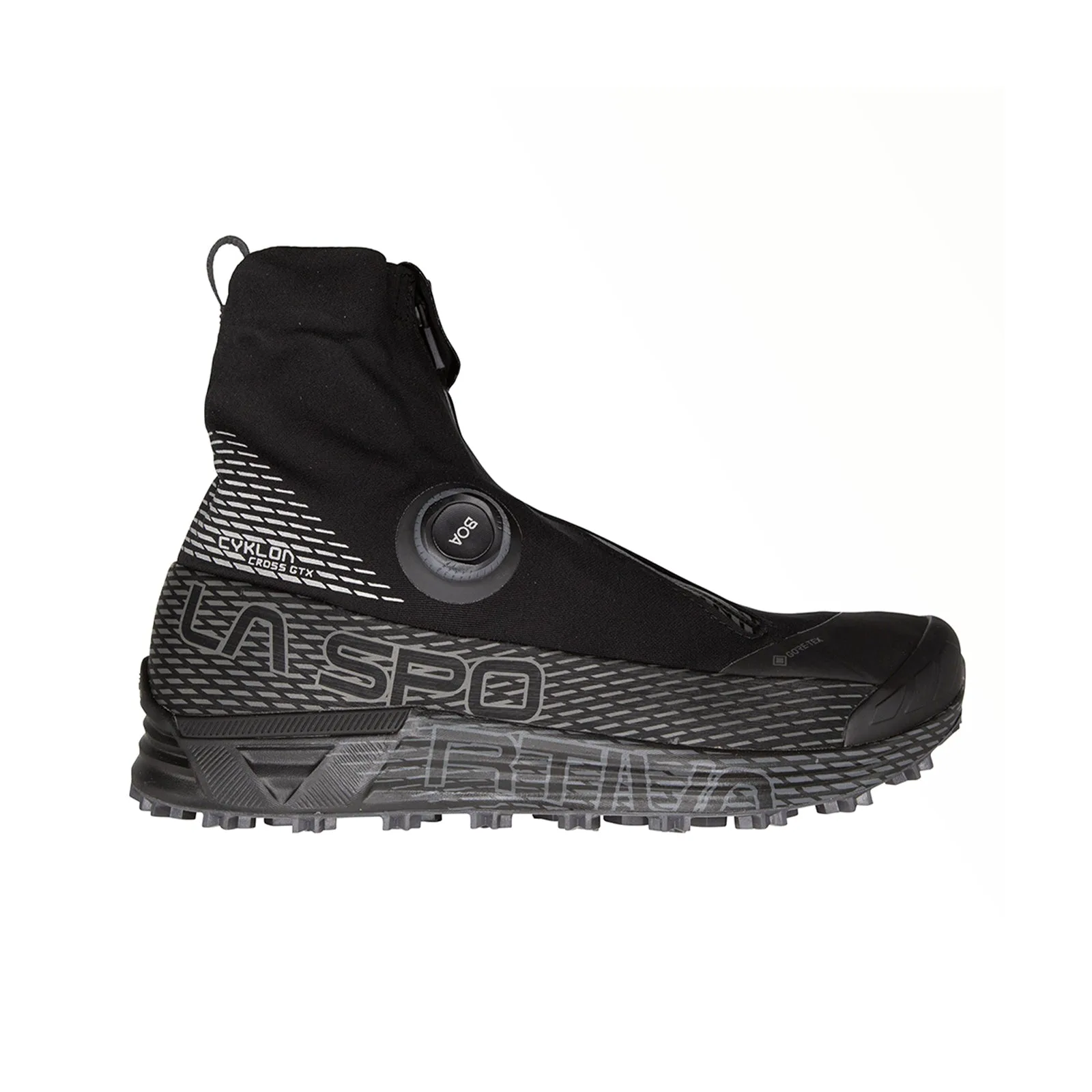
- Cyklon Cross GTX: Balancing warmth, protection, and traction is an ever evolving journey to create the best winter running shoe possible. The Cyklon Cross GTX combines Vegan materials, an ultra-lightweight BOA® Fit System, and the tried and true Cyklon midsole/outsole package and a Gore-Tex® waterproof membrane for all your winter running desires. For winter runs, the Cyklon Cross GTX provides warmth and waterproof protection, complementing a hydration vest designed for cold-weather layering.
- Trail Guard Pants Men's: The Trail Guard Pants, designed for quick-paced hiking adventures, feature ultra-light, breathable, and quick-drying fabric for lasting comfort on mountain trails. With stretchy fabric, adjustable drawstring waistband, practical pockets, and reflective details for safety, they offer both functionality and style for trail enthusiasts. Pair your vest with Trail Guard Pants for breathable comfort and storage options on long trail runs.
- Swift Long Sleeve Women's (2025): Technical and lightweight long-sleeved shirt designed for winter Mountain Running®. The mix of fabrics and unique cuff construction allow you to use this garment for your aerobic activities when the temperatures drop but you can't help but get moving and venture outside. A lightweight, technical top like the Swift Long Sleeve Women's (2025) works well under a hydration vest in cooler conditions, providing warmth without bulk.
Fit Guidance
Best For
- Trail runners who need to carry water and gear for long distances
- Runners who prefer hands-free hydration and easy access to essentials
Not For
- Runners who prefer handheld bottles or waist packs for minimal carrying
- Those who don't need to carry extra layers or gear beyond a phone and keys
Choosing the right hydration vest comes down to fit, capacity, and features that match your running needs. Try on different models, consider your run duration and environment, and don't forget to pair your vest with appropriate running gear like shoes and clothing from La Sportiva to maximize comfort and performance.