Quick Answer
The right photography journal depends on how you shoot: pick a pocket-sized notebook for field notes, a structured log for gear tracking, or a sketchbook-style journal for creative ideas. Match the paper, binding, and layout to your workflow.
Why Your Journal Choice Matters
A photography journal is more than a notebook—it's a working tool. It records settings, locations, lighting conditions, and creative thoughts that help you improve over time. Choosing the wrong format can make you abandon it after a few weeks.
The best journal fits how you actually shoot. A landscape photographer needs durable, weather-resistant pages. A studio shooter might prefer a structured log for lighting diagrams. Know your primary use before you buy.
Key Trade-Offs to Consider
Paper quality is a big trade-off. Thick, archival paper resists ink bleed and lasts decades, but it adds bulk and weight. Thin paper keeps the journal light but may not handle fountain pens or heavy marker use.
Binding style also matters. Spiral-bound journals lay flat and allow easy page removal, but they can snag in a bag. Stitched bindings are durable and lie flat when open, but you can't tear out pages cleanly.
Size is another compromise. A pocket-sized notebook is easy to carry but limits space for sketches and long notes. A larger journal offers more room but may stay home because it's too big to pack.
Protecting Your Notes in the Field
If you take your journal outdoors, consider how you'll protect it. A sturdy cover resists bending and moisture. Some photographers use a dedicated pouch or case to keep the journal safe alongside their gear.
A simple accessory like a lens cap protects your camera glass, but your journal needs its own protection. Look for a journal with a hard cover or a protective sleeve that fits your bag.
Decision Rules for Picking a Photography Journal
- Field Notes Priority: If you shoot on location and need quick notes, choose a pocket-sized, water-resistant journal with a hard cover. It should fit in your pocket or a small bag compartment. Test that it fits in your usual camera bag before buying.
- Gear Tracking Focus: For logging settings, lens data, and equipment performance, pick a journal with structured pages or grid layouts. This makes it easy to compare entries over time. Check if the journal has pre-printed fields for ISO, aperture, and shutter speed.
- Creative Sketching Use: If you use your journal for lighting diagrams, composition sketches, or mood boards, choose a large-format journal with thick, blank paper that handles pencil and ink without bleed. Look for paper weight of at least 100 gsm for marker use.
Related Gear for Your Photography Journal
-
Promaster Professional Lens Cap 105mm: The ProMaster Professional Lens Cap 105mm is precision molded for optimum fit and uses a center activated locking system for secure fit. Keeping your lens protected with a reliable cap ensures you're always ready to capture the moments you want to jot down in your journal.
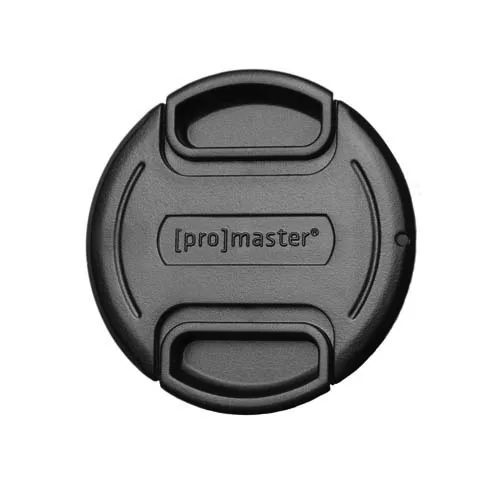
Promaster Professional Lens Cap 105mm
Which Journal Should You Choose?
Best for
- Photographers who need a durable, portable notebook for field notes
- Shooters who want a structured log to track gear and settings
Not for
- Artists who primarily need a large sketchbook for detailed illustrations