Quick answer
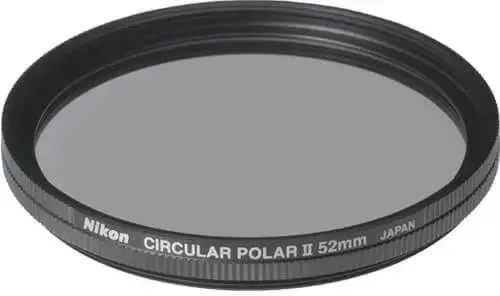
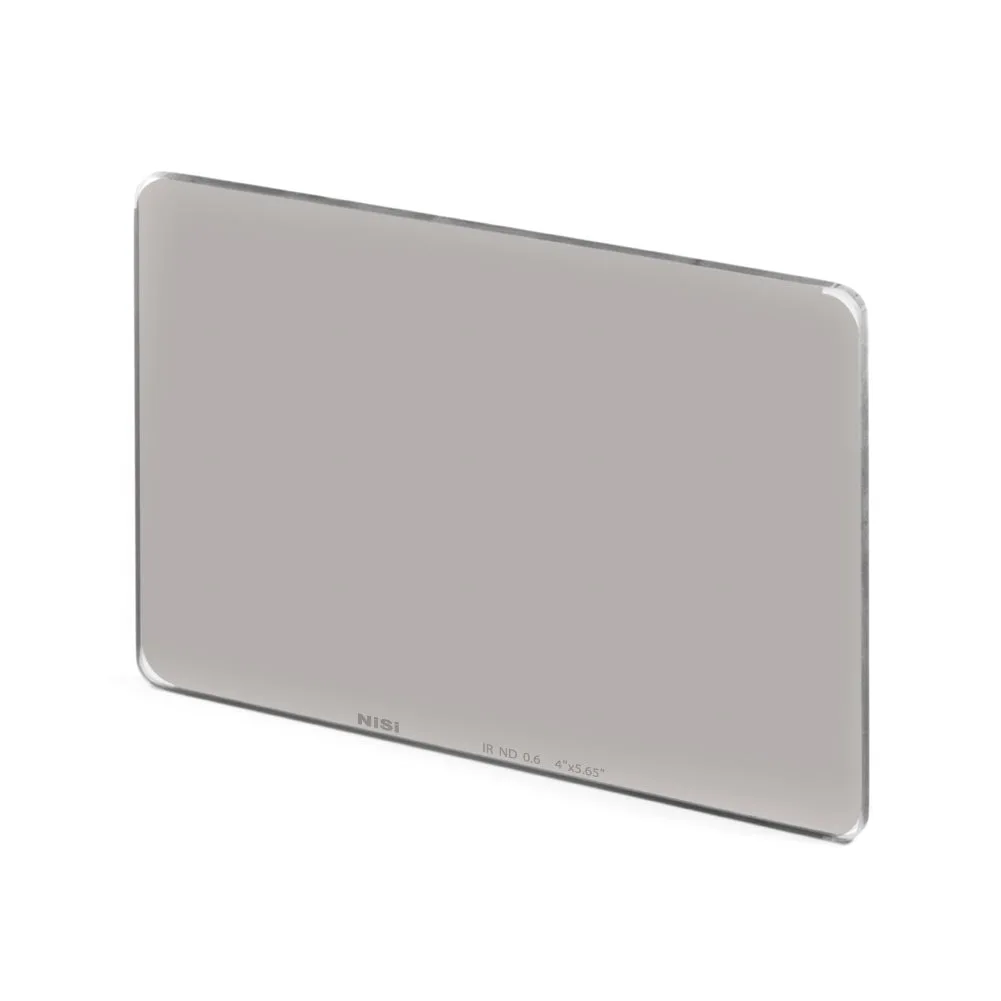
Choose a UV or clear filter for basic lens protection. Pick a circular polarizer (like the Nikon Series II) to cut glare and deepen skies. Select an ND filter (such as the NiSi Cinema 6.6x6.6" Nano IRND 0.6) when you need slower shutter speeds or wider apertures in bright light. Your decision depends on what you shoot most.
Understanding the main filter types
Lens filters generally fall into three categories: protective/UV filters, polarizers, and neutral density (ND) filters. Each serves a different purpose and comes with its own trade-offs. UV filters are mostly used to shield the front element from dust and scratches, though they can sometimes introduce flare. Polarizers reduce reflections from water, glass, and foliage while boosting color saturation, but they cost about 1.5–2 stops of light. ND filters evenly reduce exposure across the frame, allowing longer shutter speeds or wider apertures in bright conditions, but they can shift color if not well coated.
Your choice should align with your typical shooting environment. Landscape photographers often carry both a polarizer and a set of ND filters. Portrait or event shooters may prefer a simple protective filter. Wildlife and sports photographers who need fast shutter speeds rarely use polarizers because of the light loss.
Key factors to consider when buying
Thread size is the first practical check. Your lens barrel lists the filter thread diameter (e.g., 52mm, 62mm, 67mm, 77mm, 82mm). Buying the wrong size means the filter won't screw on. Step-up rings can adapt larger filters to smaller lenses, but they may block the lens hood or cause vignetting on wide-angle lenses.
Glass quality and coatings matter more than brand alone. Multi-coated or nano-coated filters reduce flare and ghosting, which is critical for backlit scenes. Cheaper uncoated filters can degrade sharpness and introduce unwanted color casts. For video work, IR-neutral coatings (like those on the NiSi Cinema ND) help prevent infrared pollution that can muddy blacks.
Filter thickness also affects wide-angle use. Slim-profile filters reduce the risk of vignetting on ultra-wide lenses, but they can be harder to grip and clean. Standard thickness filters are easier to handle and usually more durable.
When to skip a filter
A filter is not always necessary. Shooting at night, in low light, or with a lens hood already providing physical protection are cases where adding a filter may introduce flare or reduce image quality without benefit. Some photographers prefer to use a lens cap and hood instead of a permanent UV filter, especially on high-end lenses where any extra glass can slightly reduce contrast.
Your filter decision rules
- Protection first: If your main concern is shielding the front lens element from dust, sand, or accidental fingerprints, choose a UV or clear protective filter. Accept the small risk of added flare in backlit scenes. Use a UV filter when you shoot in dusty or coastal environments, or when you frequently swap lenses outdoors.
- Glare and color control: If you want to cut reflections from water or glass and deepen blue skies without post-processing, pick a circular polarizer. Remember it reduces light by 1.5–2 stops, so it's less useful in dim conditions or for fast action. A polarizer is your best choice for landscape and outdoor travel photography.
- Exposure management in bright light: If you need to use a wide aperture or slow shutter speed in daylight, select an ND filter. The stop rating (e.g., 2-stop, 6-stop) determines how much light is blocked. For video, look for IR-neutral coatings to avoid color shift. ND filters are essential for cinematic motion blur, waterfall silking, and daytime portraits with shallow depth of field.
Two filters that illustrate the trade-offs
- NiSi Cinema 6.6��6.6��� Nano IR Neutral Density 0.6 Filter (2 Stop): The NiSi Cinema 6.6x6.6" Nano IRND 0.6 Filter (2 Stop) delivers precise light control and superior color accuracy for high-resolution cameras. Made from premium optical glass with dual nano and IR coatings, it reduces exposure by 2 stops while eliminating color cast and preserving rich blacks—ideal for professional cinematography in bright lighting conditions. If you shoot video or long-exposure landscapes in bright sun, this filter gives you the 2-stop reduction you need without introducing a color shift. The IR coating is especially important for mirrorless cameras that can be sensitive to infrared light.
- Nikon Series II Circular Polariser Filter: The Nikon Series II Circular Polariser Filter is a precision optical accessory designed for photographers who want to reduce reflections and enhance color saturation in their images. Constructed by Nikon, this filter helps to deepen blue skies, cut through haze, and manage glare from water or glass surfaces, delivering clearer and more vibrant results. If you photograph landscapes, waterfalls, or architecture with reflective surfaces, this polarizer gives you instant creative control over glare and contrast. Available in multiple thread sizes (52mm, 62mm, 67mm, etc.), it fits many Nikon and third-party lenses.
Which filter fits your photography?
Best for
- Landscape and travel photographers who need a polarizer for glare control and an ND for long exposures
- Video shooters who require precise exposure control with neutral color reproduction
Not ideal for
- Low-light or indoor event photographers who cannot afford any light loss from a polarizer or ND filter
- Shooters who prefer to rely on lens hoods and careful handling instead of a permanent protective filter