Quick Answer
To choose a car seat base, first confirm your vehicle's seat belt and LATCH compatibility, then match the base to your child's age, weight, and your installation preferences. Consider extras like load legs or smart sensors only if they fit your budget and needs.
Why the Right Base Matters
A car seat base is the foundation of your child's safety in the car. It must be installed correctly every time, and the right base makes that easier. A base that doesn't fit your vehicle's seats or seat belts can lead to installation errors, which reduce protection in a crash.
The base also affects how often you can move the car seat between vehicles. Some bases are lightweight and simple, while others offer advanced safety features that add weight and complexity.
Key Features to Compare
When comparing bases, look at the installation system: LATCH vs. seat belt. LATCH is easier but has weight limits; seat belt installation is more universal. Also consider the base's recline adjustment, which helps you get a correct angle for your child, especially for newborns.
Advanced features like load legs, anti-rebound bars, and steel support bars are designed to reduce movement in a crash. These are valuable but may be overkill if you're on a budget or if your vehicle has limited space.
Compatibility with Your Car Seat
Not every base works with every car seat. Many bases are designed to pair with a specific brand or model. For example, the Romer Versa Infant Car Seat Base is made for the Romer Juni Infant Car Seat. Before buying, check that the base is compatible with your existing car seat, or be ready to buy both together.
Also verify that the base fits your vehicle's seats. Some bases are bulky and may not fit well in small cars or seats with deep contours. If possible, try a test installation before purchasing.
Decision Rules for Choosing a Car Seat Base
- Check vehicle compatibility: Confirm your vehicle has LATCH anchors and that the base's seat belt path works with your seat belts. If your car has no LATCH, choose a base that installs easily with the seat belt. If you plan to move the base between vehicles, check that it installs securely in both.
- Match to your child's age and weight: For newborns, ensure the base supports the lowest weight and provides proper recline. If you want to keep your child rear-facing longer, look for a base with a higher rear-facing weight limit, like the babyark G01 Smart Base (up to 55 lbs). Consider your child's growth – a base with a higher weight limit may save you from buying another one later.
- Decide on advanced safety features: If you want extra crash protection, choose a base with a load leg, anti-rebound bar, or shock-absorbing technology. These features add cost and weight, so weigh them against your budget and vehicle space. If you have a small car, check that the base's features don't make it too bulky to fit.
Featured Car Seat Bases
-
Romer Versa Infant Car Seat Base: The Romer Versa Infant Car Seat Base features SecureLoc technology and steel rigid LATCH connectors, plus a load leg, steel support bar, and anti-rebound bar. These stability elements help minimize movement in a crash, giving you peace of mind if you prioritize maximum safety.
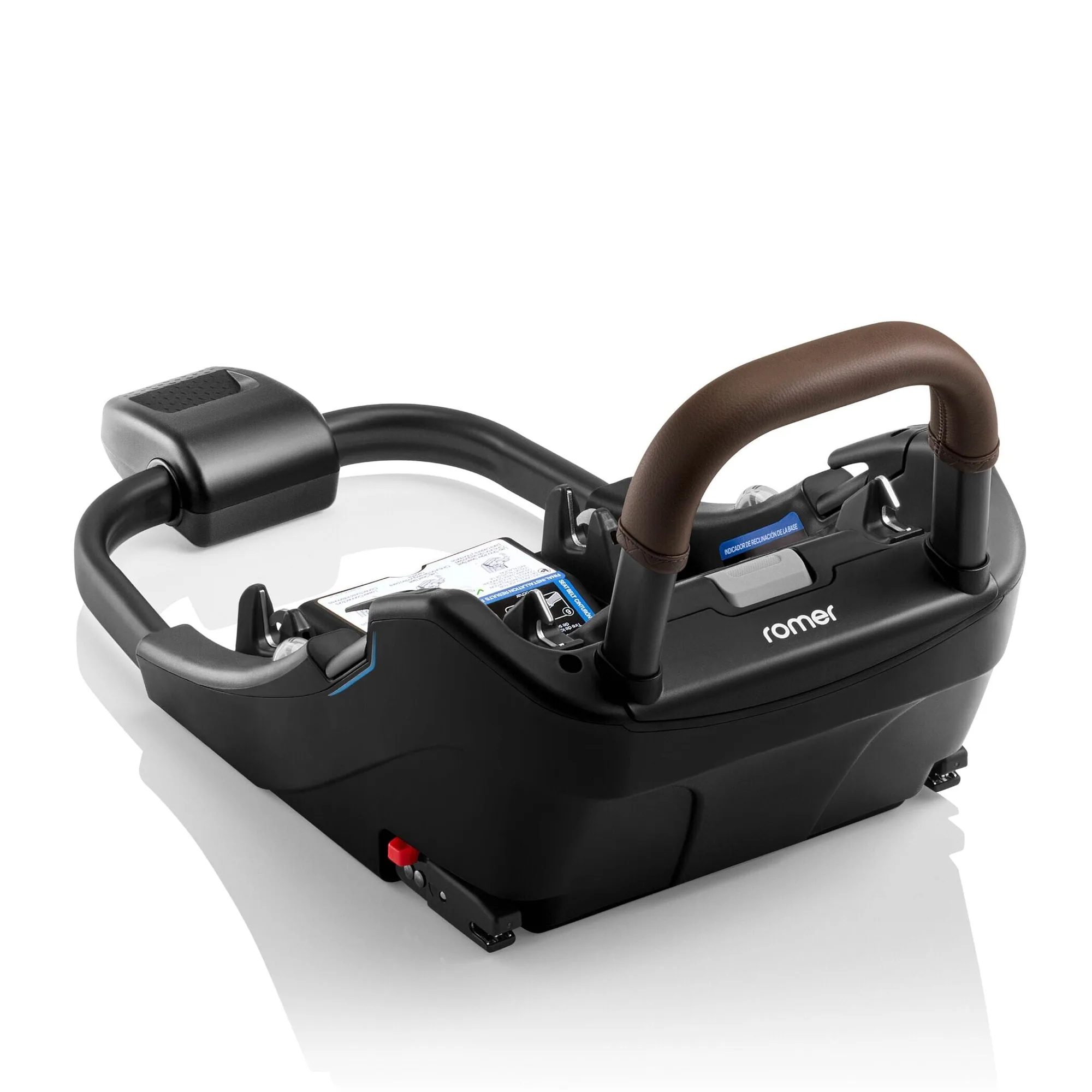
Romer Versa Infant Car Seat Base
-
babyark G01 Smart Base: The babyark G01 Smart Base uses SafeCoil shock-absorbing technology and a smart sensor system, and supports rear-facing from 4-55 lbs and forward-facing from 26.5-65 lbs. It offers extended rear-facing capability up to 55 lbs, so you can keep your child rear-facing longer, which is a key safety recommendation.
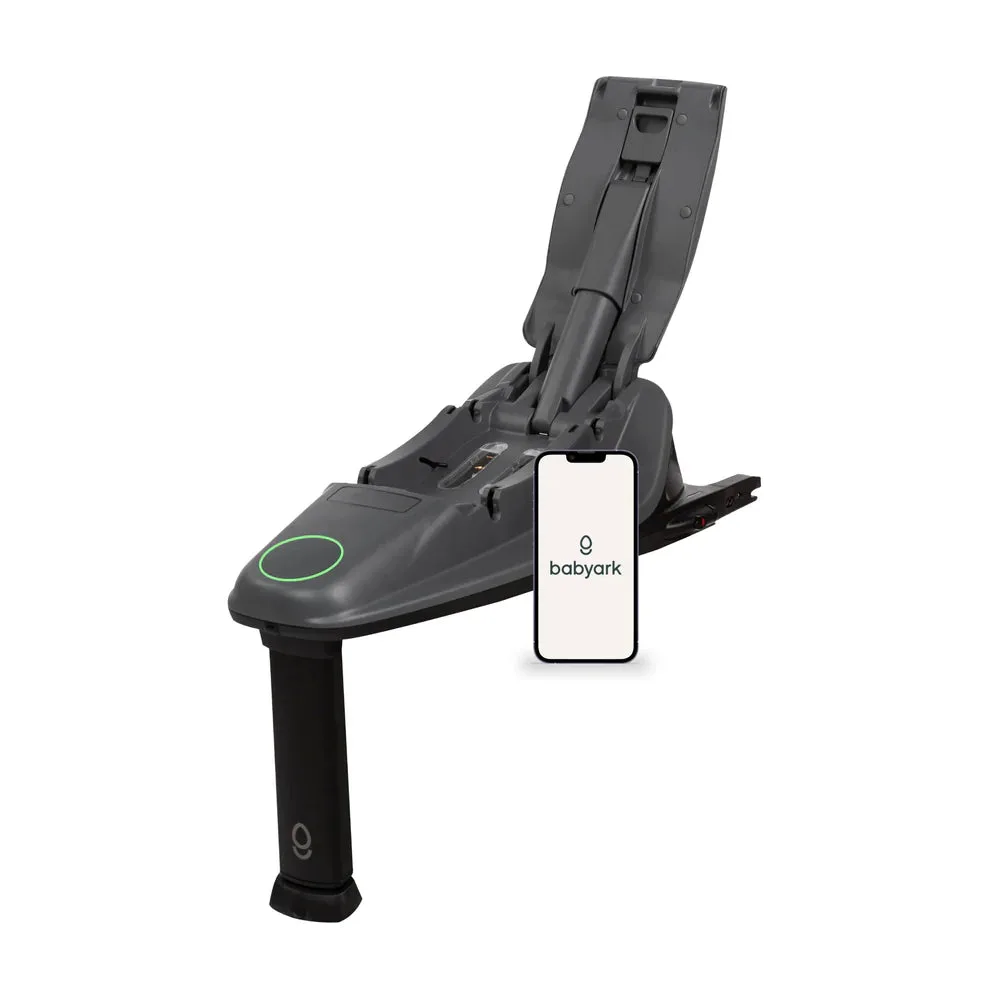
babyark G01 Smart Base
Who Should Choose Which
Best for
- Parents who want maximum safety features and have a compatible vehicle
- Families who plan to keep their child rear-facing beyond typical limits
Not for
- Budget-conscious buyers who only need a basic base for occasional use
- Drivers with very small vehicles where a bulky base won't fit securely