Quick Answer
Start by defining your primary goal: if you want structure and expert guidance, choose a guided journal like calm-workbook-c2217b439242ced13206ef28-880679">The Calm Workbook; if you prefer freeform expression, opt for a blank notebook. Consider your daily time commitment and whether you thrive on prompts or open space.
With countless journals on the market, from blank notebooks to guided workbooks, choosing the right one can feel overwhelming. The best journal for you depends on your habits, goals, and how you process thoughts. This guide breaks down the key decisions so you can pick a journal you'll actually use.
Whether you're journaling for self-reflection, stress management, or creative exploration, the right format can make or break your routine. We'll compare guided and blank options, discuss size and portability, and help you match a journal to your specific needs.
Guided vs. Blank: Which Format Suits You?
The most fundamental choice is between a guided journal and a blank notebook. Guided journals provide prompts, exercises, and structure, making them ideal for beginners or those who want a clear path. They often focus on a specific theme like calm or confidence, ensuring your practice stays on track. For example, The Calm Workbook offers exercises designed to help you understand and cultivate serenity, making it a structured choice for stress relief.
Blank journals offer complete freedom, allowing you to write, sketch, or paste without constraints. They suit experienced journalers who have their own system or those who prefer to explore thoughts organically. However, they require more self-discipline and can be intimidating if you're unsure where to start.
- If you're new to journaling, start with a guided journal to build the habit.
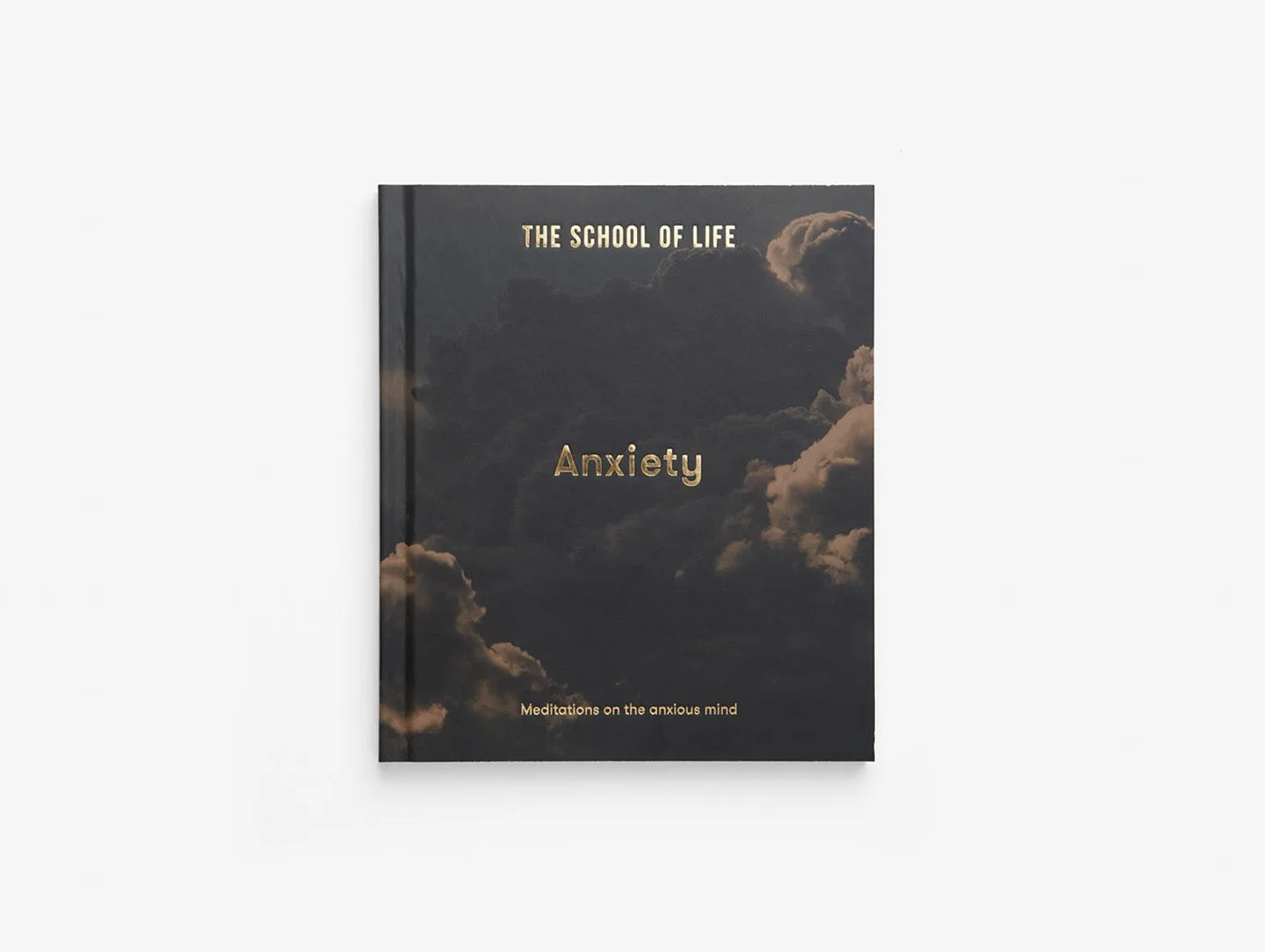
- If you have a specific goal like reducing anxiety, choose a themed guided journal.
anxiety
- If you love doodling or free writing, a blank journal may be more satisfying.
Consider Your Journaling Goal
Your primary reason for journaling should guide your choice. For self-reflection, consider a journal that prompts you to examine your thoughts and behaviors. For stress relief, look for one with calming exercises and soothing language. For legacy or future planning, a card set like Legacy Cards can complement your journaling practice, but if you prefer a book format, seek one that aligns with your long-term vision.
If you're journaling to improve relationships, a book like How To Get Married might provide deeper insights, but for daily practice, a workbook with structured prompts can be more actionable. Always match the journal's theme to your most pressing need.
- Define your goal: stress relief, self-discovery, or creative expression.
- Choose a journal that explicitly addresses that goal.
- Consider combining a journal with card prompts for variety.
Size, Portability, and Build Quality
Think about where you'll journal. If you'll write at home, a larger journal with more space may be fine. If you plan to carry it in your bag, a compact or pocket-sized option is practical. The Calm Workbook is a standard size, which is portable yet offers enough space for exercises.
Also consider binding and paper quality. A sturdy cover and quality paper that handles ink well can make the experience more enjoyable. While you can't assess these online, reading reviews or checking the product description for details helps.
- Measure your bag or desk space before buying.
- Prefer journals that lie flat for easy writing.
- Check if the paper is fountain-pen friendly if you use one.
Decision Rules for Choosing Your Journal
- Rule 1: Start with your goal: Identify whether you want stress relief, self-reflection, or creative expression. This determines whether you need a themed guided journal or a blank one. Write down your top three journaling goals before browsing.
- Rule 2: Match format to personality: If you like structure and step-by-step guidance, choose a guided journal. If you're independent and dislike being told what to write, opt for a blank notebook. Be honest about how you prefer to work.
- Rule 3: Consider time commitment: Guided journals often have short exercises that fit busy schedules. Blank journals require more time to decide what to write. Pick what you can realistically sustain. Aim for a journal that requires no more than 10 minutes a day.
- Rule 4: Think about portability: If you'll journal on the go, choose a compact size. For home use, larger formats offer more space. Measure your usual writing spot.
Journaling Tools from The School of Life
- The Calm Workbook: A guide to greater serenity. Most of us long to be a little calmer: too many of our days are lost to agitation and worry, stress and discord. We know that we are at our best when we can manage not to panic and take challenges in our stride. Fortunately, a calm state of mind is not a divine gift. Even those of us starting from a more agitated position can systematically understand and lay claim to it. This guided workbook is perfect if your journaling goal is to reduce stress and build a calmer mindset. Its structured approach helps you systematically develop serenity rather than just venting.
- Complete The Sentence: An ingenious tool – based on decades of psychological research – for working out what you really think – and want. Here are 52 cards, each featuring a different unfinished sentence (for example, 'Men are …', 'I want …', or 'What I really need is …'). The idea is to complete them as fast as possible, without censoring whatever comes into your mind, so that you can discover what's really on your mind. If you often stare at a blank page, this card deck offers a low-pressure way to get thoughts flowing. It's an excellent complement to a journal for self-discovery.
Finding Your Perfect Match
Best for you if
- You're new to journaling and want a structured starting point.
- You have a specific goal like reducing anxiety or improving self-awareness.
Not for you if
- You prefer complete freedom and dislike prompts.
- You want a journal purely for creative writing with no thematic focus.
Choosing the right journal doesn't have to be complicated. Focus on your goal, preferred format, and practicalities like size. Whether you opt for a guided workbook like The Calm Workbook or a blank notebook, the best journal is one you'll use consistently. Start there, and your journaling practice will flourish.