Quick answer
Choose a keyboard protector case that matches your keyboard's layout and size. For a full-size board like the SKIFF 100 PLUS, look for a rigid or silicone cover that fits the exact dimensions. If you travel often, a padded zippered case offers better protection than a simple dust cover.
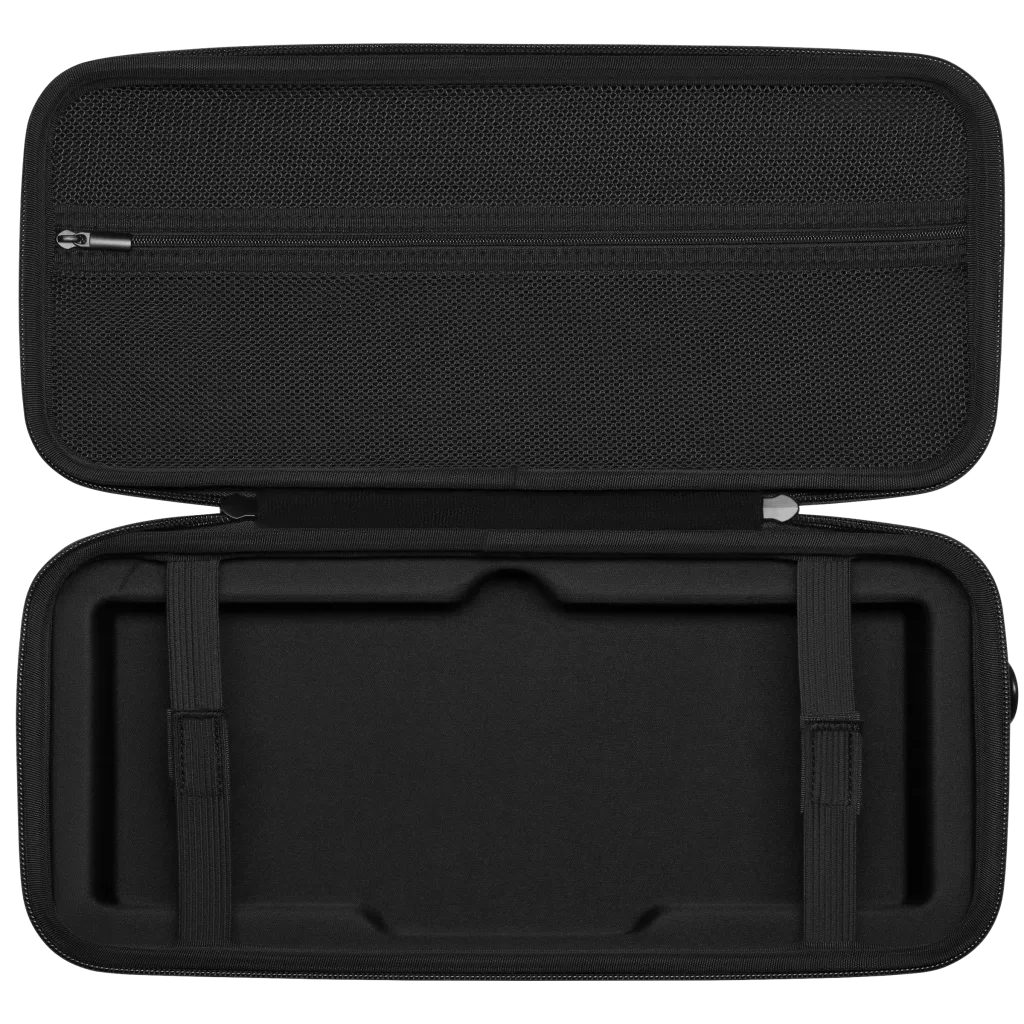
keyboard protector case
Fit First: Measure Your Keyboard
The most common mistake is buying a case that is too small or too loose. Measure your keyboard's length, width, and height (including any protruding parts like a detachable wrist rest). The SKIFF 100 PLUS, for example, has a detachable wrist rest, so you may want a case that fits the keyboard alone or one that accommodates the wrist rest as well.
Full-size keyboards (with a number pad) need larger cases than tenkeyless or 60% boards. Always check the product dimensions before ordering.
Material Matters: Rigid vs. Soft Cases
Rigid cases (hard plastic or EVA) provide the best impact protection for travel. They resist crushing and keep the keyboard secure. Soft cases (neoprene or silicone) are lighter and more flexible, making them ideal for daily dust protection at home. Silicone covers can also protect against minor spills, which is useful if you eat or drink near your desk.
For a keyboard with an IP53 rating like the SKIFF 100 PLUS, a silicone cover adds an extra layer of spill resistance, but the keyboard itself already handles some dust and splashes.
Extra Features: Pockets, Zippers, and Handles
If you carry your keyboard to LAN parties or tournaments, look for a case with a padded interior, a sturdy zipper, and an external pocket for cables or a mouse. A handle or shoulder strap makes transport easier. For home use, a simple zippered dust cover is enough to keep dust and pet hair off the keys.
Decision rules
- Measure your keyboard's exact dimensions: Include any protruding parts like a detachable wrist rest or volume dial. The SKIFF 100 PLUS has both, so a case that fits the keyboard alone may not fit the wrist rest. Check the case's internal dimensions before buying.
- Choose rigid for travel, soft for home: Rigid EVA or hard plastic cases protect against drops and crushing. Soft silicone or neoprene covers are lighter and better for daily dust and minor spill protection. If you never move your keyboard, a soft cover is enough.
- Consider extra storage for accessories: A case with a pocket or mesh compartment can hold a cable, mouse, or keycap puller. This is useful if you take your keyboard to events. A simple dust cover won't have storage; a travel case often will.
Product facts
- SKIFF 100 PLUS Gaming Keyboard: CORSAIR SKIFF 100 PLUS Gaming Keyboard – Dynamic, dazzling, and durable. With 10-zone RGB, 6 G-keys, rotary dial, detachable wrist rest, and responsive keypresses in an IP53-rated keyboard. The SKIFF 100 PLUS is a full-size keyboard with a detachable wrist rest, so you need a case that fits its full layout. Its IP53 rating means it already resists some dust and splashes, but a protector case adds extra safety during travel or storage.
- SKIFF 100 PLUS Gaming Keyboard (JP): CORSAIR SKIFF 100 PLUS Gaming Keyboard – Dynamic, dazzling, and durable. With 10-zone RGB, 6 G-keys, rotary dial, detachable wrist rest, and responsive keypresses in an IP53-rated keyboard. The JP layout version shares the same dimensions and features. Whether you choose a rigid travel case or a silicone dust cover, make sure it accommodates the full-size layout and the detachable wrist rest.
Which case is right for you?
Best for
- Gamers who travel to LAN parties or tournaments
- Users who want maximum protection during storage or transport
Not for
- Users who only need basic dust protection at a fixed desk
- Those on a tight budget who prefer a simple DIY cover