Quick Answer
For slicing brisket, a carving knife is usually the better choice because its long, narrow blade allows long, clean strokes that follow the grain. A chef knife can work if you don't have a carving knife, especially for smaller briskets, but it requires more passes and can tear the meat. If you slice brisket regularly, invest in a dedicated carving knife; for occasional cooks, a sharp chef knife will get the job done.
Slicing brisket well is as important as cooking it well. A dull or wrong-shaped blade can shred the bark, crush the fibers, and turn a perfect cook into a disappointing plate. The two most common options are the chef knife and the carving knife, and each has its strengths.
Understanding the difference comes down to blade length, shape, and how you use it. This guide compares the two styles, explains the tradeoffs, and helps you choose the best knife for slicing brisket based on how often you cook and how much control you want.
Chef Knife: The Versatile Workhorse
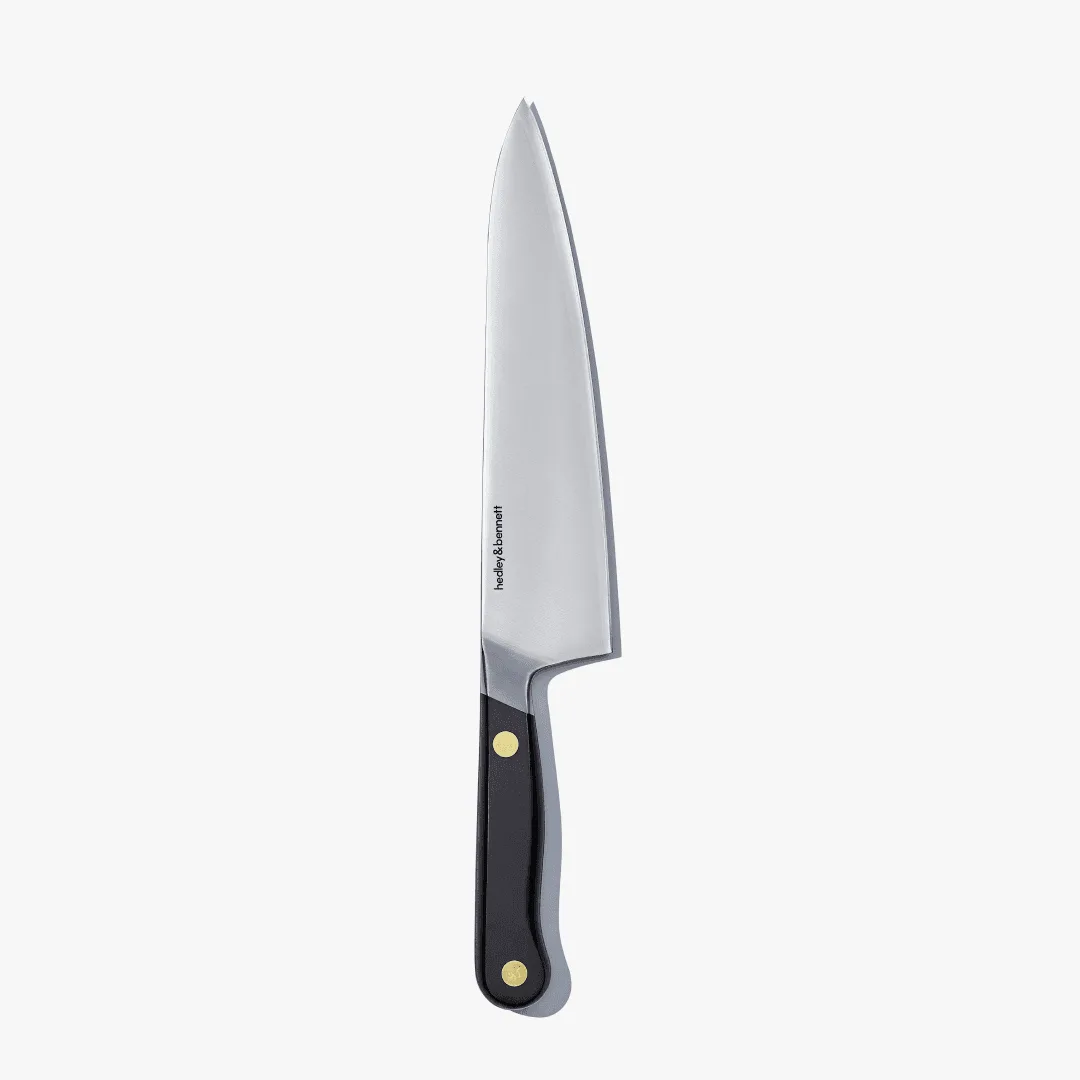
A chef knife is the most-used blade in most kitchens. Its curved edge and wide blade make it great for chopping, dicing, and mincing, but it can also slice brisket if needed. The curved profile allows a rocking motion, which is handy for herbs and vegetables but less ideal for long, even slices of meat.
When slicing brisket, a chef knife's shorter blade means you'll make several passes to cut across the flat. Each pass increases the chance of uneven thickness or ragged edges. Still, if you already own a sharp chef knife, it can handle a small brisket or a flat cut without much trouble. The key is to keep it sharp and use a smooth, gliding motion rather than pressing down hard.
- Best for cooks who want one knife for many tasks.
- Use a slicing motion, not a rocking chop, for brisket.
- Sharpen before each big cook for clean cuts.
Carving Knife: Built for Long, Clean Slices
A carving knife has a long, narrow blade that is slightly flexible. That length lets you cut across a large brisket in one or two strokes, which helps you maintain a consistent thickness. The narrow profile reduces drag, so the blade glides through the meat without tearing the crust.
The tradeoff is that a carving knife is less versatile. It's not ideal for chopping vegetables or mincing garlic, so it adds another tool to your drawer. If you only slice brisket a few times a year, a carving knife might not earn its place. But if you smoke or roast meat regularly, the cleaner slices and extra control are worth it.
- Long blade reduces the number of passes needed.
- Narrow profile minimizes tearing and preserves the bark.
- Less versatile than a chef knife for everyday prep.
The Tradeoff at a Glance
- Blade length: Carving knives have longer blades that slice a whole brisket in fewer strokes. Chef knives are shorter, so you need more passes. For large briskets, longer is better.
- Blade shape: Chef knives have a curved edge for rocking; carving knives are straighter for smooth pulls. The curve can tear meat if you press down. Straighter edges slice cleaner.
- Versatility: Chef knives handle almost any kitchen task. Carving knives are specialized for slicing meat and take up drawer space. Choose a chef knife if you want one do-it-all blade.
- Sharpness: Both need to be sharp, but a carving knife's thin edge holds a keen angle that glides through brisket with less force. Keep any knife honed before slicing.
Knife Options from Hedley & Bennett
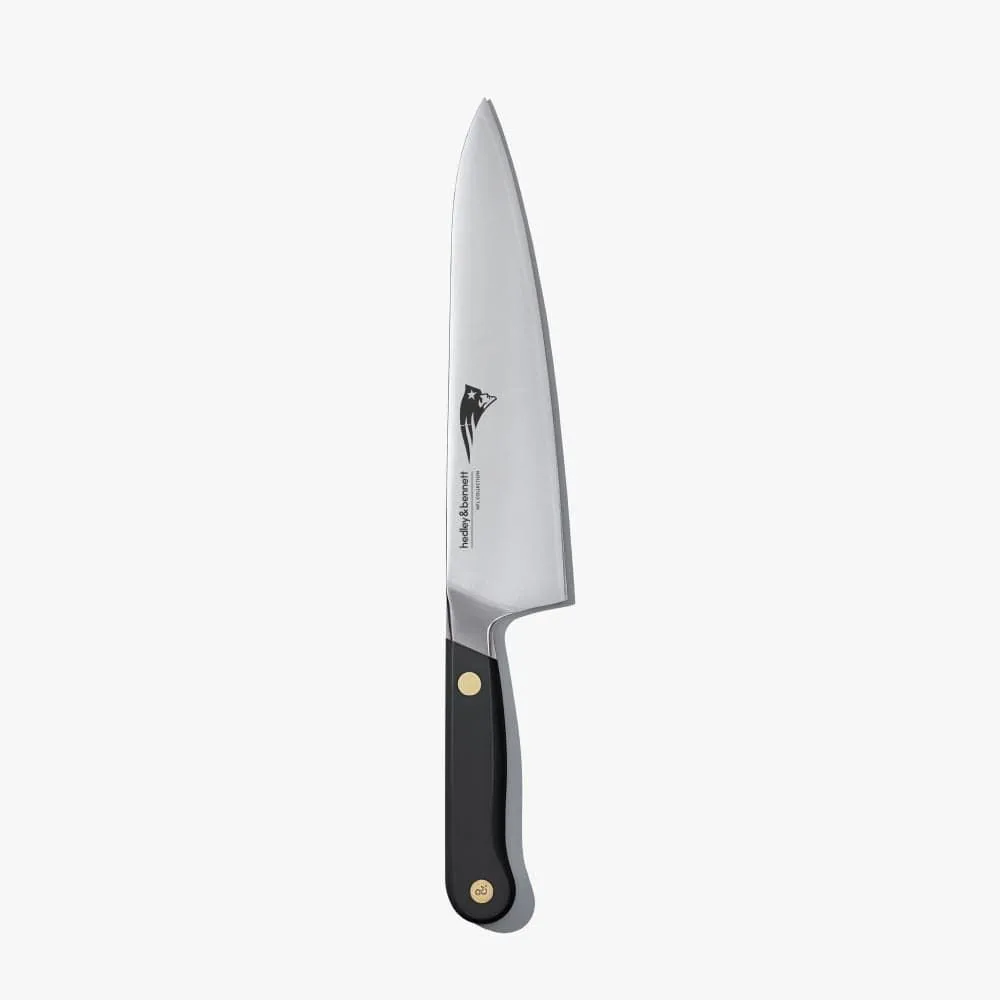
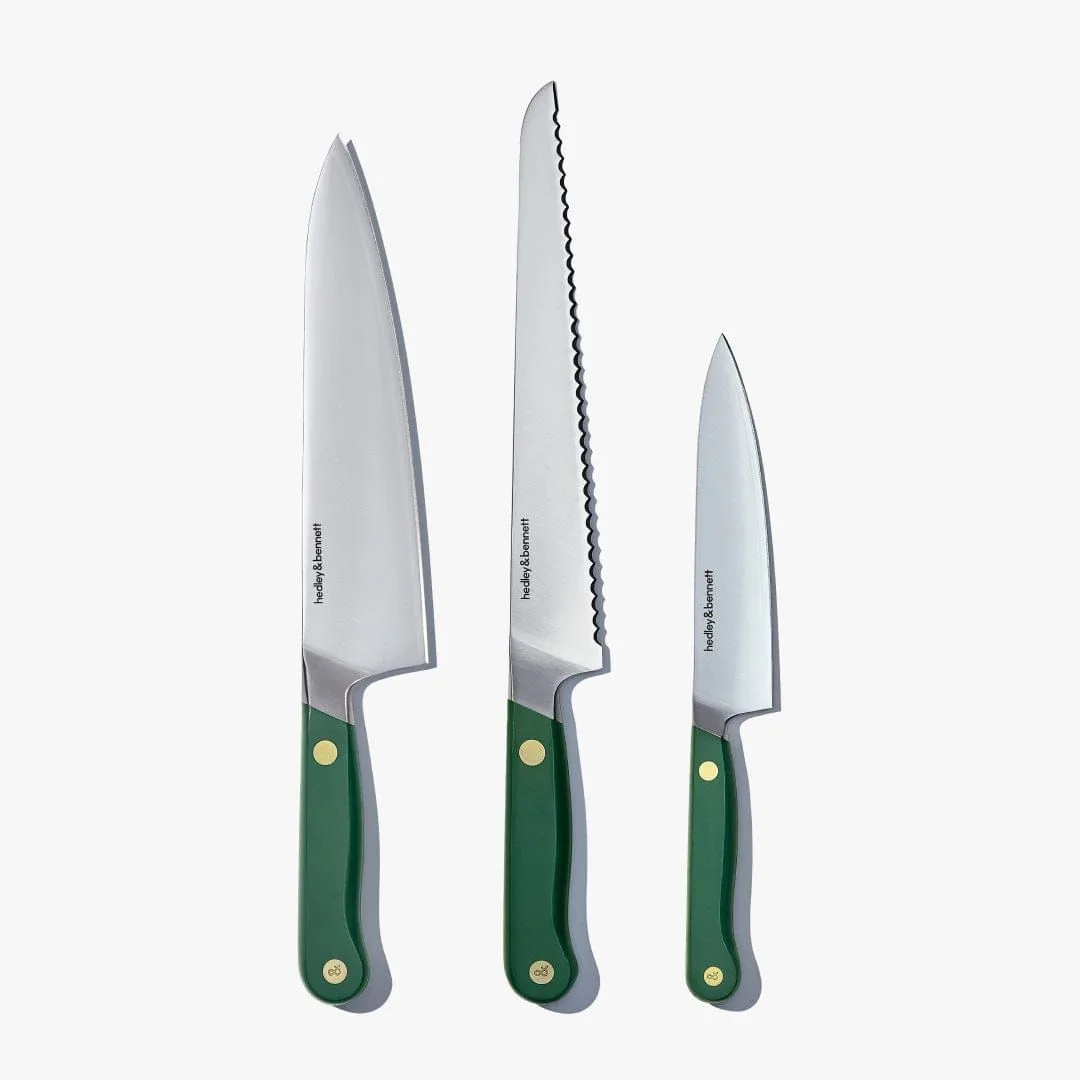
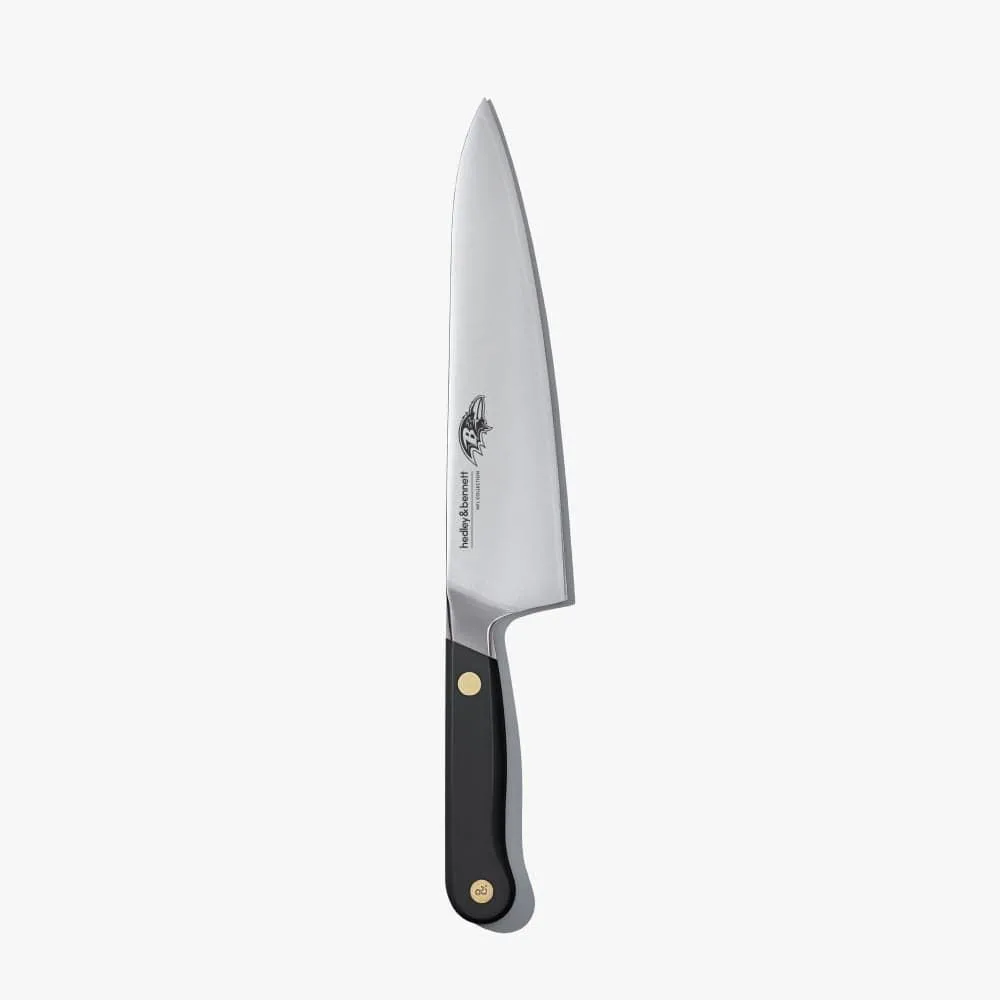
- Green Bay Packers Chef Knife: Designed as a chef's knife, suitable for a variety of cutting and chopping tasks. Features a Green Bay Packers colorway, reflecting team colors in its design. If you're a Packers fan and want a knife that handles both prep and occasional brisket slicing, this chef knife gives you that versatility with a team-spirited look.
- Washington Commanders Chef Knife: Designed as a chef's knife, ideal for everyday slicing, dicing, and chopping tasks. Features a Washington Commanders colorway, reflecting the team's iconic look. This chef knife is a solid everyday workhorse. For brisket, it works best on smaller cuts or when you don't mind making multiple passes.
Which Should You Choose?
Best for
- Home cooks who smoke or roast brisket regularly and want clean, even slices.
- Those who already own a chef knife and want a dedicated slicing tool for large cuts.
Not for
- Cooks who rarely slice large meats and prefer one knife for all tasks.
- Anyone who doesn't want to maintain an extra blade.
Choosing between a chef knife and a carving knife for brisket comes down to how often you slice large cuts and how much you value clean, even slices. A carving knife gives you the length and control for a professional finish, while a chef knife offers versatility for everyday cooking. Whichever you pick, keep it sharp and slice against the grain for the best texture. If you're a fan of the Green Bay Packers or Washington Commanders, a chef knife with your team's colors can add a little fun to your cook.