When it comes to food storage, the right lid can make all the difference. A lid that doesn't seal properly can lead to spoilage, contamination, and wasted money. In a commercial kitchen, where efficiency and food safety are paramount, choosing the correct lids for your containers is a critical decision.
This guide will walk you through the essential factors to consider when selecting food storage lids, from material and seal type to compatibility with your existing containers. Whether you're outfitting a new kitchen or upgrading your current setup, you'll find practical advice to ensure your food stays fresh and your operations run smoothly.
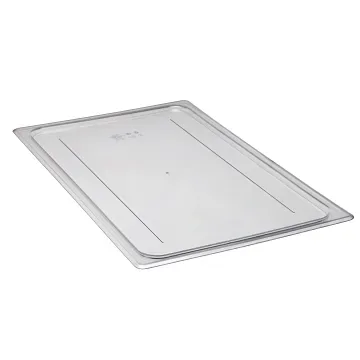
food storage lids
Why the Right Lid Matters
The primary function of a lid is to create a barrier against air, moisture, and contaminants. A proper seal helps maintain food quality, extends shelf life, and prevents cross-contamination. In busy commercial environments, lids also enable efficient stacking and storage, maximizing your valuable space.
Moreover, the right lid can improve workflow. Containers with easy-to-open and close lids save time during service, while clear lids allow quick identification of contents without opening. Investing in quality lids is a simple yet impactful way to enhance your kitchen's performance.
- Prevents spoilage and reduces waste
- Ensures food safety and compliance
- Improves storage organization and space utilization
Key Factors in Lid Selection
When choosing lids, consider the material. Common options include plastic, which is lightweight and affordable, and materials like polycarbonate that offer durability and clarity. For high-heat applications, such as holding hot food, you may need lids that can withstand elevated temperatures without warping.
Another crucial factor is the type of seal. Some lids snap on securely, while others are designed to be airtight. The level of airtightness needed depends on your storage requirements. For dry goods, a basic seal may suffice, but for liquids or perishables, a tighter seal is essential to prevent leaks and maintain freshness.
Compatibility with your existing containers is also key. Lids are not one-size-fits-all; they must match the specific dimensions and rim design of your containers. Using mismatched lids can lead to poor sealing and potential food safety issues.
- Material: plastic, polycarbonate, or high-heat resistant
- Seal type: snap-on, airtight, or leak-proof
- Compatibility: ensure lids fit your container sizes and shapes
Popular Lid Types and Their Uses
There are several lid types commonly used in commercial kitchens. Standard lids are versatile and suitable for most storage needs. Airtight lids are ideal for extending the freshness of perishable items. Flip lids offer convenient access without removing the lid entirely, which is perfect for frequently used ingredients.
For specific applications, such as holding hot food in steam tables, you might need specialized lids that can withstand high temperatures. The Amber High Heat Food Pans - H-PanTM are an excellent example of containers designed for such use, and their compatible lids are engineered to perform under heat.
Clear lids are another popular choice, as they allow staff to see contents at a glance, reducing the time spent searching for ingredients. The Clear Flip Lids for Camwear® Food Pans combine clarity with the convenience of a flip-top design, making them a great addition to any kitchen.
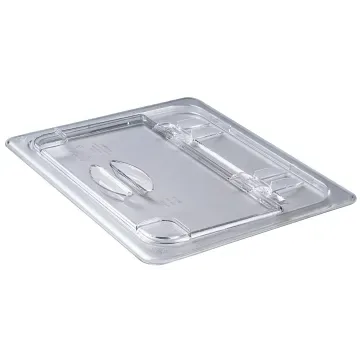
Clear Flip Lids for Camwear® Food Pans
- Standard lids for everyday storage
- Airtight lids for extended freshness
- Flip lids for quick access
- High-heat lids for hot food applications
Matching Lids to Your Containers
To ensure a proper fit, always refer to the manufacturer's specifications. Cambro offers a wide range of containers and corresponding lids designed to work together seamlessly. For example, the Camwear® Food Pans are compatible with the Clear Flip Lids, ensuring a secure seal and easy access.
It's also important to consider the shape of your containers. Round containers require round lids, while square or rectangular containers need matching shapes. Some systems, like Camsquares®, offer drain shelves that can be used with lids to create a versatile storage solution.
When in doubt, consult the product documentation or contact a supplier to verify compatibility. Investing in a cohesive system, such as Cambro's, simplifies the process and ensures reliability.
- Check container dimensions and rim type
- Match lid shape to container shape
- Use manufacturer-recommended combinations
Maintenance and Longevity
Proper care of your lids extends their lifespan and maintains their sealing effectiveness. Most lids are dishwasher safe, but it's essential to follow the manufacturer's guidelines to avoid warping or degradation. Avoid using lids with sharp utensils that could cause scratches, as scratches can harbor bacteria.
Regularly inspect lids for signs of wear, such as cracks or loss of seal integrity. Replace damaged lids promptly to maintain food safety standards. Storing lids separately from containers, when possible, can prevent deformation and ensure they remain in good condition.
- Clean lids according to manufacturer instructions
- Inspect regularly for damage
- Store lids properly to maintain shape
Choosing the right lids for your food storage containers is a crucial decision that impacts food quality, safety, and kitchen efficiency. By considering material, seal type, and compatibility, you can select lids that meet your specific needs. For a reliable and comprehensive solution, explore Cambro's range of containers and lids, such as the Clear Flip Lids for Camwear® Food Pans, designed to work together seamlessly. Make the smart choice today and elevate your food storage practices.