Quick Answer
To choose the right linen pillowcase size, measure your pillow's length and width, then match it to the pillowcase dimensions. Standard pillows (20" x 26") fit Standard/Queen cases, while King pillows (20" x 36") need King cases. Consider your pillow's thickness and your sleep style for the best fit.
Choosing the right linen pillowcase size is more than just picking a color. A well-fitted pillowcase not only looks better but also feels more comfortable and lasts longer. Whether you're upgrading to linen for its breathability or replacing worn cases, getting the size right ensures your pillow stays put and your sleep surface stays smooth.
This guide helps you understand standard vs king dimensions, measure your pillow correctly, and choose the right style—whether you prefer an envelope slip or a sham. We'll also look at how pillow thickness and your sleep position affect the fit, so you can make a confident choice.
Standard vs King Linen Pillowcase Dimensions
The most common pillowcase sizes are Standard/Queen and King. Standard/Queen cases typically fit pillows measuring 20 by 26 inches, while King cases fit 20 by 36 inches. These dimensions are designed for standard bed pillows, but if you have a queen-size pillow (20 by 30 inches), you may need a larger case or a special size.
When shopping for linen pillowcases, you'll often see options like Standard/Queen, King, and sometimes Euro or Body sizes. For example, Linoto offers Standard/Queen (28"x20"), King, Square Euro-Shams (26x26 inches), and Body Pillow sizes. Always check the product dimensions to ensure a snug fit—too loose and the pillow slides around; too tight and the fabric strains.
- Measure your pillow before buying—don't rely on the pillow's label alone.
- If you're between sizes, choose the larger case for a relaxed look and easier insertion.
- Consider the depth of your pillow: thicker pillows may need a deeper case or a quilted style for a secure fit.
How to Measure Your Pillow for the Right Size
To measure your pillow, use a flexible tape measure. Lay the pillow flat and measure the length from seam to seam, then the width. For a standard rectangular pillow, you'll get dimensions like 20 by 26 inches. For a king pillow, it's typically 20 by 36 inches. This measurement is the pillow's actual size, not the case size.
Once you have your pillow's dimensions, compare them to the pillowcase's internal dimensions. A pillowcase should be slightly larger—about 1 to 2 inches—to allow for the pillow's thickness and to make it easy to insert. For example, a Standard/Queen case might measure 20 by 30 inches, which fits a 20 by 26-inch pillow with room to spare. If your pillow is especially thick (like a plush or down alternative), consider a quilted or envelope style that accommodates more volume.
- Use a fabric tape measure for accuracy—metal tapes can bend and give wrong numbers.
- Measure the pillow after fluffing it to get its true resting size.
- If you're buying for a guest bed, measure the pillows you'll use, not the bed size.
Choosing the Right Pillowcase Style for Your Needs
Beyond size, the style of the pillowcase affects how it fits and how it looks. Envelope pillow slips have an overlapping flap that keeps the pillow secure and hides the opening. Shams often feature a flange or border and are designed for decorative use, sometimes with a smaller opening. Quilted styles add texture and can be more structured, which some sleepers prefer.
For example, Linoto offers pillowcases in Regular or Quilted constructions, with quilted options featuring square stitching in 2" or 8" patterns. You can also choose from Standard/Queen or King envelope slips, or shams with a 1/2-inch mini flange. Think about how you use your pillow: for sleeping, a simple envelope slip is practical; for styling, a sham with a flange may be more appropriate. Quilted cases can feel heavier and warmer, so they're better for cooler climates or if you like a more substantial feel.
- Envelope slips are ideal for everyday sleeping—they're easy to remove and wash.
- Shams with flanges add a decorative touch but may have smaller openings, making them less convenient for daily use.
- Quilted linen cases offer extra texture and can be a good choice for a statement look, but they may not be as breathable as regular linen.
Decision Rules for Choosing Your Linen Pillowcase Size
- Measure first: Always measure your pillow's length and width before shopping. Use these numbers to match the pillowcase dimensions. Checklist: Pillow dimensions written down before browsing.
- Match size to case: Standard pillows (20x26) need Standard/Queen cases; King pillows (20x36) need King cases. For queen-size pillows (20x30), look for a case labeled Queen or a larger Standard/Queen. Verdict: Choose the case size that matches your pillow's measurements.
- Consider thickness and style: Thick pillows may need a quilted or envelope style for a secure fit. For decorative use, shams with flanges are an option, but they may have smaller openings. Next step: Decide between envelope slip, sham, or quilted based on your use case.
Linoto Linen Pillowcase Options
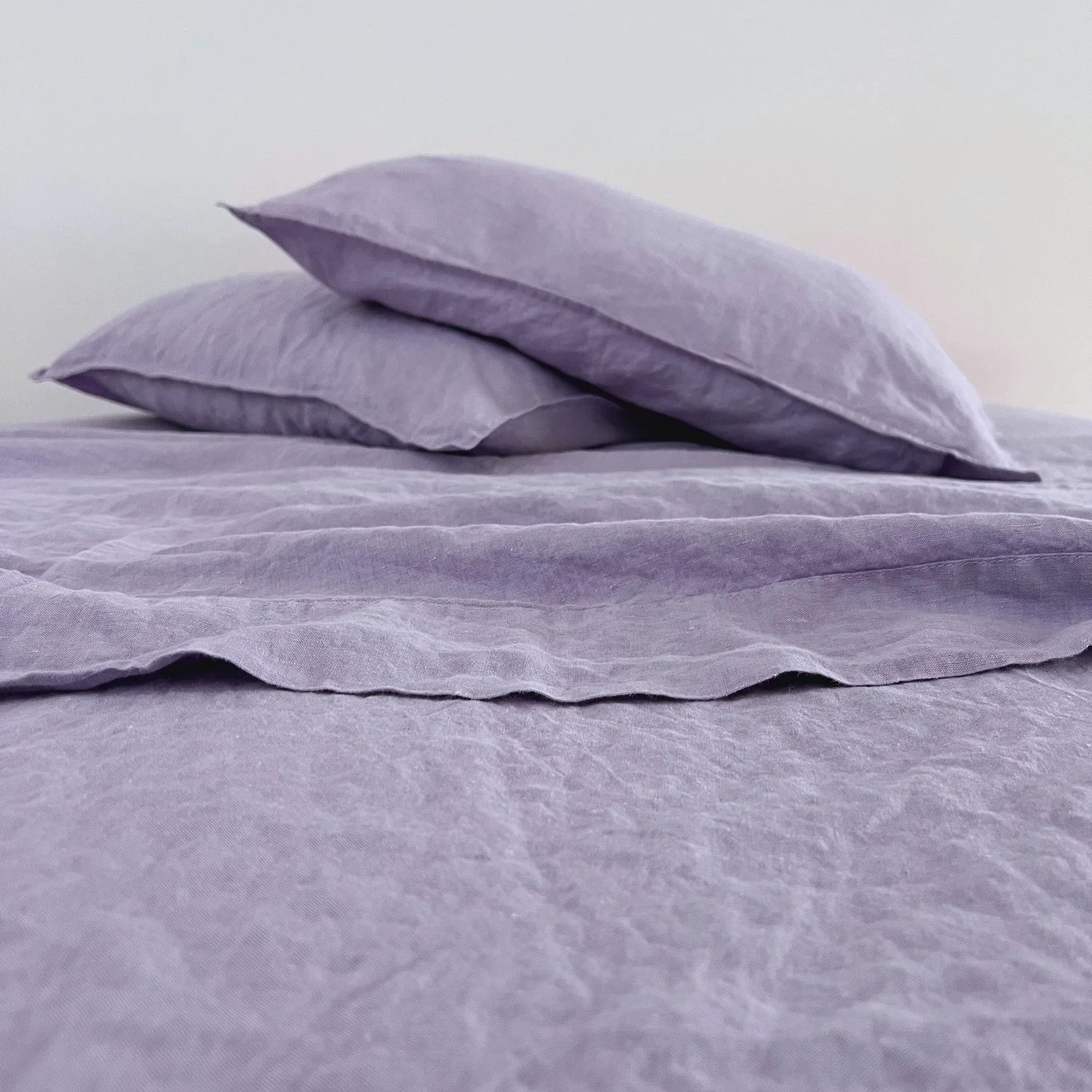
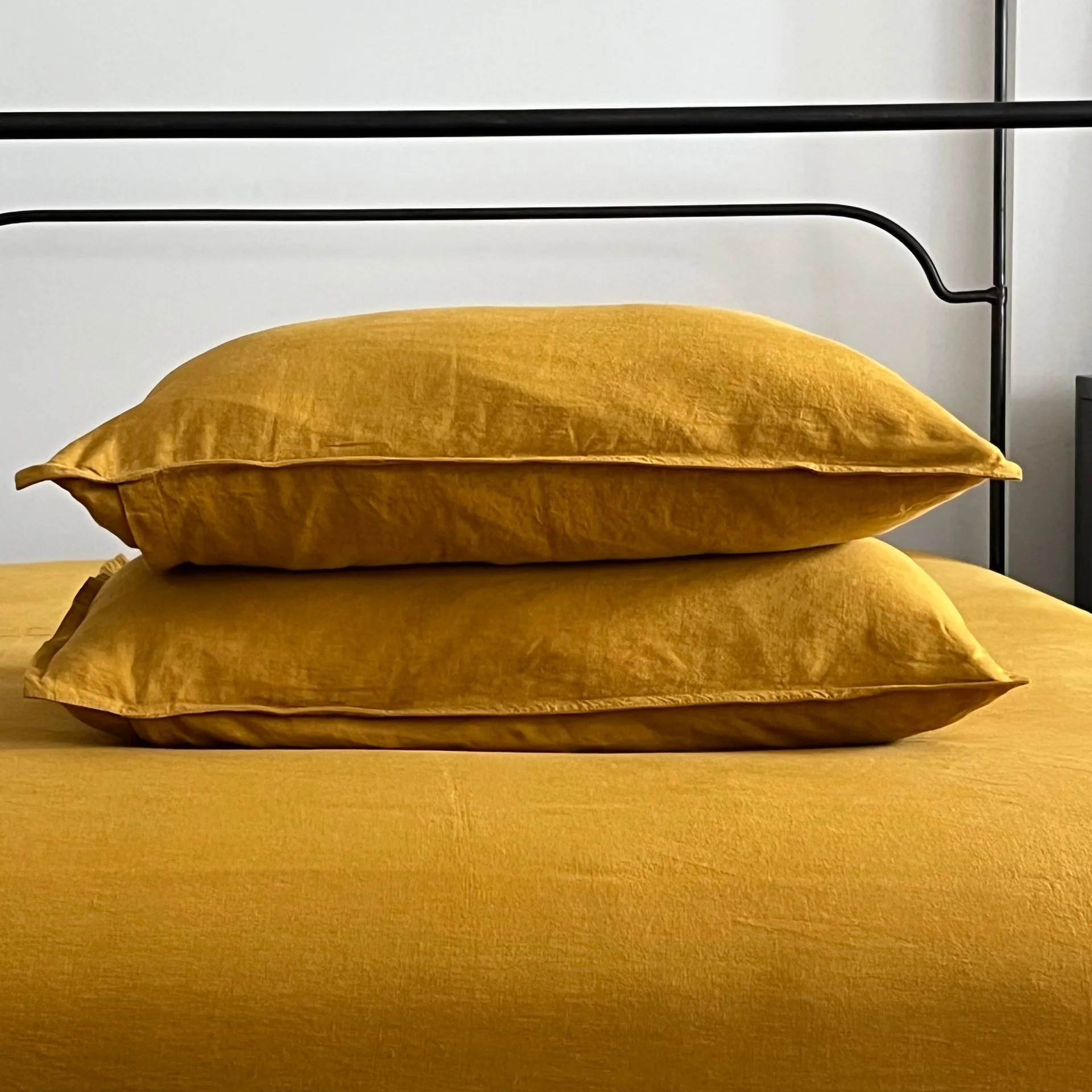
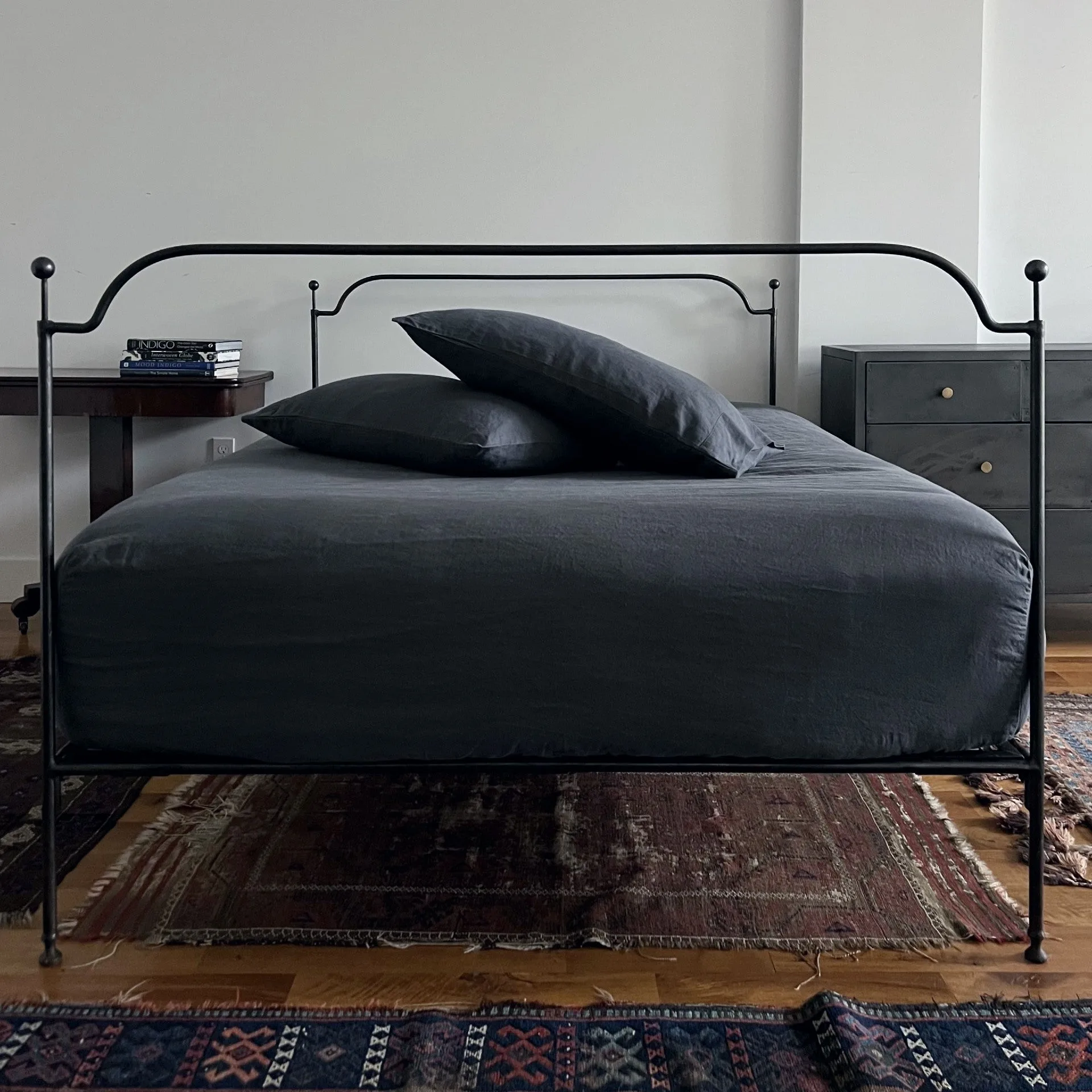
- Graphite Linen Pillowcase: Available in Regular or Quilted construction, with Quilted options featuring square stitching in 2" or 8" patterns. Choose from a variety of styles: Standard/Queen or King Envelope Pillow Slips. This gives you flexibility to match your pillow size and style preference, whether you want a classic slip or a decorative quilted case.
- Powder Pink Linen Pillowcase: Available in Regular or Quilted styles, with various pillowcase options including envelope slips and shams with a 1/2-inch mini flange. Choose from Standard/Queen, King, Square Euro-Shams (26x26 inches), or Body Pillow sizes. If you have non-standard pillows like Euro or body pillows, this range ensures you can find a proper fit without compromising on style.
Which Pillowcase Size Is Right for You?
Best for
- Sleepers with standard pillows (20x26) who want a snug, traditional fit.
- Those with king pillows (20x36) who prefer extra fabric and a luxurious look.
Not for
- People with non-standard pillow sizes like Euro or body pillows—these need specific cases.
- Those who prefer a very tight, wrinkle-free fit—linen naturally relaxes and may look looser.
Choosing the right linen pillowcase size comes down to measuring your pillow and understanding your preferences. Whether you opt for a classic envelope slip or a decorative sham, a proper fit enhances both comfort and style. With the right dimensions, your linen pillowcase will look great and feel even better.