Quick answer
Measure your pillow insert, not your old pillowcase, and add 1 inch to the width and 1 to 2 inches to the length for seam allowances and a comfortable fit. For a standard insert, you'll need about 1 yard of 44-inch-wide fabric; queen takes about 1 1/8 yards, and king takes about 1 1/4 yards. Always pre-wash and dry your fabric first, because cotton can shrink up to 3–5%.
A pillowcase that's too baggy lets the insert bunch up; one that's too tight strains the seams and never lies flat. The fix is simple: measure the insert itself, not a store-bought case, and do the math before you cut. This guide gives you the exact numbers for standard, queen, and king inserts, plus yardage for common fabric widths.
You'll also see how fabric choice affects fit. Quilting cotton, lawn, and blends all behave differently after washing, and the insert's loft matters as much as its labeled size. Use the decision rules below to pick the right dimensions and fabric for your next pillowcase project.
Start with the insert, not the label
Pillow insert sizes vary by manufacturer, and a 'standard' from one brand can be an inch or two different from another. Measure the insert flat, from seam to seam, across the width and length. Then measure the loft, the thickness from the table to the top of the pillow, because a high-loft insert needs a slightly longer case to avoid strain. Write those three numbers down before you shop for fabric.
If you're buying an insert online, look for the finished dimensions in the product description. When in doubt, size up: a case that's 1 inch too long looks intentional, while one that's 1 inch too short looks like a mistake. The same logic applies to width, but keep the width closer to the insert measurement so the pillow doesn't slide around inside.
- Measure width, length, and loft of the insert, not a finished pillowcase.
- For a down or down-alternative insert, add 1 inch to the length for loft.
- For a firm foam insert, add only 1/2 inch to the length.
Standard, queen, and king: the numbers that matter
Standard pillowcase dimensions typically start with an insert that's about 20 by 26 inches. Add 1 inch to both width and length for seam allowances and ease, so cut two pieces at 21 by 27 inches. Queen pillowcase measurements usually begin with a 20-by-30-inch insert; cut pieces at 21 by 31 inches. King pillowcase size starts with a 20-by-36-inch insert; cut pieces at 21 by 37 inches.
These cut sizes assume a 1/2-inch seam allowance and a simple hemmed opening. If you prefer a French seam or a wider hem, add the difference to the length. For a pillowcase with an enclosed flap, add 4 to 6 inches to the length of the back piece. Always test with a scrap first if you're using an unusual insert.
- Standard: insert 20x26 in, cut 21x27 in (two pieces).
- Queen: insert 20x30 in, cut 21x31 in (two pieces).
- King: insert 20x36 in, cut 21x37 in (two pieces).
How much fabric for a pillowcase
Pillowcase fabric yardage depends on fabric width and whether you're making a single case or a pair. For 44-inch-wide quilting cotton, you can cut one standard case from 1 yard, one queen from 1 1/8 yards, and one king from 1 1/4 yards. If you're making a pair, double those amounts and buy in 1/8-yard increments. For 108-inch-wide backing fabric, you can often fit two cases side by side, but check the pattern layout first.
Don't forget pre-washing. Cotton can shrink 3–5%, so buy an extra 1/8 yard for a single case or 1/4 yard for a pair. If you're using a fabric with a directional print, you may need more yardage to match the pattern across the front and back. The same applies to stripes and plaids: add 1/4 yard per case to align the design.
- 44-inch fabric: 1 yd standard, 1 1/8 yd queen, 1 1/4 yd king (single case).
- Buy an extra 1/8–1/4 yd for pre-washing shrinkage.
- Directional prints may need 1/4 yd more per case to match.
Fabric choices that hold their shape
Quilting cotton is the standard for pillowcases because it's easy to sew, washes well, and comes in endless prints. Look for a tight weave and a smooth hand. Blenders and tone-on-tone prints work well for the main body, while a contrasting cuff or flange adds a professional touch. If you want a softer feel, consider lawn or voile, but be aware that these fabrics may need a slightly wider seam allowance to prevent fraying.
For a durable everyday case, pre-wash and dry your fabric before cutting. This also removes sizing and reduces the chance of puckering. If you're making a case for a child or a pet, choose a busy print that hides stains. And if you're sewing for someone with allergies, look for OEKO-TEX certified fabrics, which are tested for harmful substances.
- Pre-wash and dry all fabric before cutting to avoid shrinkage surprises.
- Use a 1/2-inch seam allowance for most quilting cottons.
- For a luxury feel, try a cotton-sateen or a high-thread-count sheet set repurposed.
Decision rules for pillowcase sizing and yardage
- Measure the insert, not the label: Use a tape measure across the width and length of the insert, and note the loft. Add 1 inch to width and 1 to 2 inches to length for seam allowances and ease. Write down the insert's actual dimensions before you buy fabric.
- Choose cut sizes by insert size: Standard: cut 21x27 inches. Queen: cut 21x31 inches. King: cut 21x37 inches. These assume a 1/2-inch seam allowance and a simple hem. Adjust length for a flap or wider hem: add 4–6 inches for a flap.
- Calculate yardage for 44-inch fabric: One standard case needs 1 yard, queen needs 1 1/8 yards, king needs 1 1/4 yards. Double for a pair. Add 1/8–1/4 yard for pre-washing shrinkage. For directional prints, add 1/4 yard per case to match the pattern.
- Match fabric to use: Quilting cotton is durable and easy to sew. For a softer feel, try lawn or voile, but use a wider seam allowance. For sensitive skin, choose OEKO-TEX certified fabrics. Pre-wash and dry all fabric before cutting to prevent shrinkage.
Fabrics that work well for pillowcases
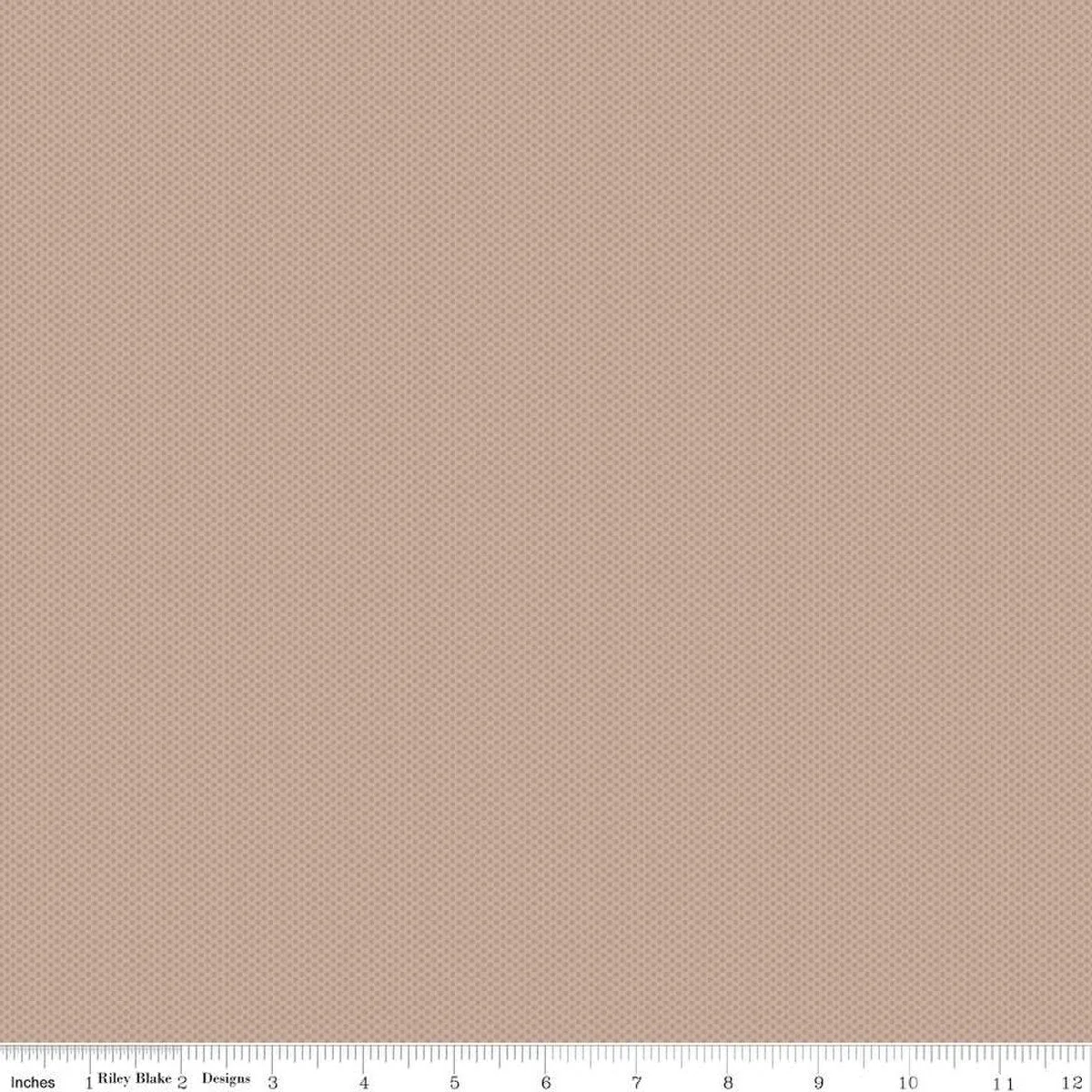
- Tea Dye from POParazzi by Riley Blake Designs: 100% cotton, 43"/44" wide, machine wash cold and tumble dry low. The tone-on-tone square print hides wrinkles and small stains, making it a practical choice for everyday pillowcases that get frequent washing.
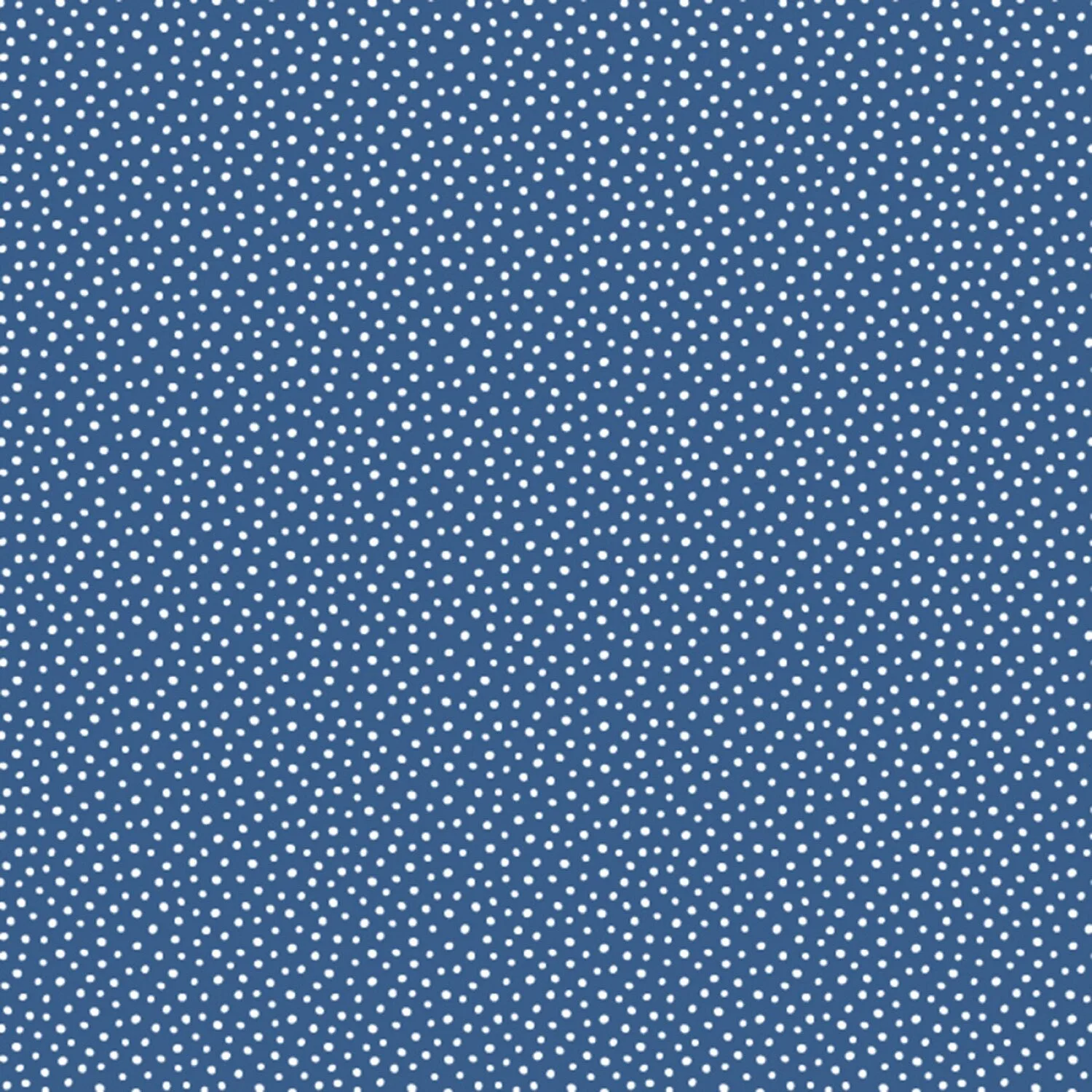
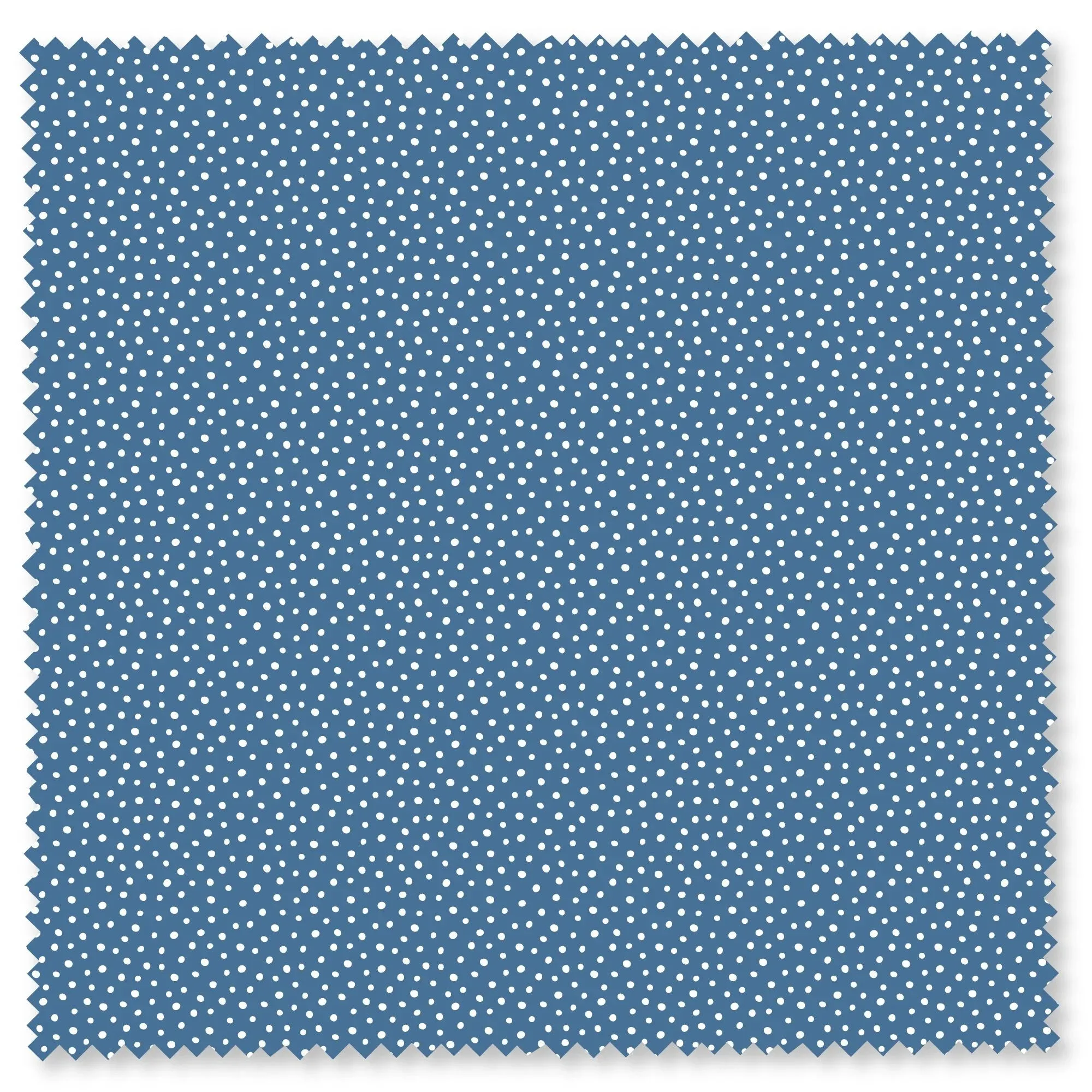
- Dark Blue from Speckles by Felicity Fabrics: 100% cotton, 43"/44" wide, OEKO-TEX certified and printed with low-impact dyes. The certification gives peace of mind for pillowcases used by children or anyone with sensitive skin, and the speckled blender coordinates with many other prints.
- Grasscloth Brown by Heather Peterson for Riley Blake Designs: 100% cotton, 43"/44" wide, with a dimensional woven look. The textured appearance adds visual interest without a busy pattern, so it works well as a main fabric or a contrasting cuff on a solid pillowcase.
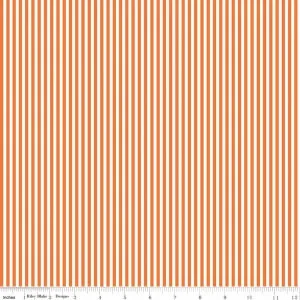
- Stripe 1/8 Inch ORANGE by Riley Blake Designs: 100% cotton, 43"/44" wide, with a 1/8-inch stripe pattern. The narrow stripe can be cut on the straight grain or bias for a classic pillowcase cuff, but directional stripes require extra yardage to match across the seam.
Is this guide right for you?
Best for
- Sewists making pillowcases for standard, queen, or king inserts
- Anyone who wants a precise fit and accurate fabric yardage
- Gift sewists who need consistent sizing across multiple pillowcases
Not for
- Those making decorative throw pillows with different dimensions
- Sewists working with stretch fabrics or non-standard insert shapes
- Anyone looking for a pattern with a hidden zipper or envelope closure without adjustments
Measure your insert, add the right ease, and buy a little extra fabric for shrinkage. With these numbers, you can sew pillowcases that fit smoothly and last through years of washing. Start with one case to test the fit, then adjust for the rest of your set.