Market trays are the workhorses of any catering operation. From transporting prepped ingredients to displaying finished dishes at a buffet, the right tray can streamline your workflow and keep food safe. But with so many options available, choosing the right market tray for your catering business can feel overwhelming. This guide breaks down the key factors to consider, from material and size to durability and ease of cleaning.
Whether you're a seasoned caterer or just starting out, understanding the differences between tray types will help you make an informed investment. We'll explore the benefits of fiberglass market trays, compare them to plastic alternatives, and highlight features that matter most in a busy commercial kitchen.
Why Material Matters: Fiberglass vs. Plastic Market Trays
The material of your market tray affects its weight, durability, and temperature resistance. Fiberglass market trays are a popular choice for caterers because they are incredibly strong yet lightweight. They can handle heavy loads without bending or cracking, making them ideal for transporting large quantities of food. Additionally, fiberglass is non-porous, which means it won't absorb odors or stains, and it can withstand temperatures from -40°F to 300°F, making it suitable for both hot and cold applications.
Plastic trays, on the other hand, are often more affordable and come in a variety of colors. However, they may not be as durable as fiberglass and can warp under high heat. For catering businesses that require trays to double as serving pieces, fiberglass offers a more premium look and feel. When choosing between the two, consider the types of events you cater and the frequency of use. If you need trays that will last for years and withstand heavy daily use, fiberglass is a worthwhile investment.
- Fiberglass trays are lightweight yet extremely durable, ideal for heavy loads.
- Plastic trays are budget-friendly but may not handle extreme temperatures as well.
- Consider the aesthetic: fiberglass trays often look more upscale for buffet presentations.
Sizing and Capacity: Matching Trays to Your Menu
Market trays come in a range of sizes, typically from 10 inches to 26 inches in length. The right size depends on what you're serving and how much food you need to transport. For appetizers and small plates, smaller trays around 14 inches work well. For main dishes and large roasts, you'll want a larger tray, such as 18x26 inches, which can hold a full sheet pan of food. Consider the dimensions of your oven and transport carts to ensure the trays fit comfortably.
Another important factor is the depth of the tray. Some market trays are shallow, ideal for displaying pastries or canapés, while others have deeper sides to contain sauces or prevent spillage during transport. Think about the types of food you typically serve and choose trays that offer the right balance of surface area and depth. If you cater a variety of events, it's wise to invest in a mix of sizes to cover all your needs.
- Measure your oven, refrigerator, and transport carts to ensure tray compatibility.
- Shallow trays are great for presentation; deeper trays prevent spills during transit.
- Invest in a range of sizes to handle everything from appetizers to full entrees.
Key Features to Look For: Handles, Stackability, and More
When selecting market trays, consider features that enhance usability. Ergonomic handles are a must for comfortable carrying, especially when trays are loaded with heavy food. Look for trays with molded-in handles that provide a secure grip. Stackability is another important feature, as it allows for efficient storage and transport. Many fiberglass trays are designed to stack neatly without scratching, saving valuable space in your kitchen or van.
Non-slip surfaces are also beneficial, as they prevent items from sliding during transport. Some trays come with textured surfaces that keep food in place. Additionally, consider trays that are dishwasher-safe for easy cleaning. In a busy catering business, you need trays that can be quickly sanitized between events. Finally, check if the trays are compatible with accessories like lids or racks, which can expand their functionality.
- Molded handles provide a secure, comfortable grip even when loaded.
- Stackable trays save storage space and are easier to transport.
- Non-slip surfaces keep food from sliding, reducing mess and waste.
Top Cambro Market Trays for Caterers
Cambro offers a range of market trays designed specifically for the rigors of commercial catering. One standout is the Camsquares® FreshPro Food Storage Containers – Camwear®, which, while primarily for storage, can double as sturdy trays for transporting prepped ingredients. These containers are made from durable Camwear® polycarbonate, are crystal clear for easy content identification, and come with tight-sealing lids to prevent leaks. They're perfect for prepping and storing ingredients before an event.
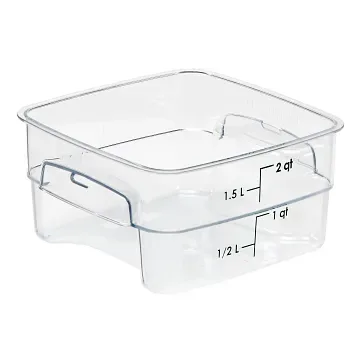
Camsquares® FreshPro Food Storage Containers – Camwear®
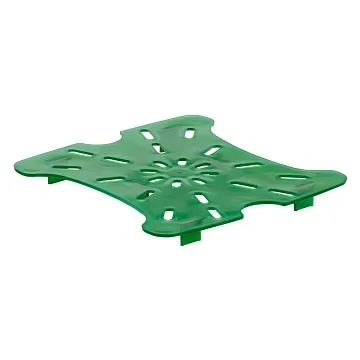
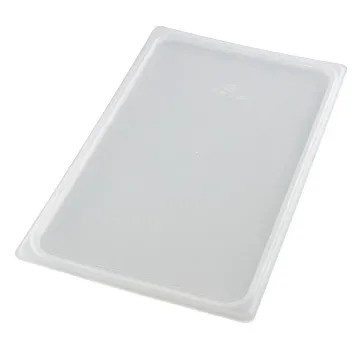
For serving and display, consider the Camsquares® FreshPro Drain Shelves – Translucent. These shelves are designed to fit inside Camsquares® containers, allowing you to drain liquids while keeping food elevated. They're ideal for serving chilled items like seafood or salads at a buffet. Another excellent option is the Translucent Seal Cover, which fits over market trays to keep food fresh and protected during transport. These covers are stackable and help maintain food temperature.
- Camsquares® FreshPro containers double as prep trays and storage solutions.
- Drain shelves are perfect for serving items that need to stay dry.
- Seal covers protect food during transport and keep it fresh longer.
Caring for Your Market Trays to Extend Their Lifespan
Proper care and maintenance will ensure your market trays last for years. Always follow the manufacturer's cleaning instructions. Most fiberglass trays are dishwasher-safe, but hand washing with mild detergent is gentler and can prevent scratching. Avoid using abrasive pads or cleaners that can damage the surface. After washing, dry trays thoroughly before stacking to prevent water spots or mold growth.
Store trays in a clean, dry area, preferably on a rack to allow air circulation. Avoid stacking heavy items on top of trays, as this can cause warping. Regularly inspect trays for cracks or chips, and replace any that are damaged to prevent food contamination. By taking these simple steps, you can protect your investment and maintain the professional appearance of your catering equipment.
- Hand washing is gentler and helps maintain the tray's finish.
- Store trays on racks to allow air circulation and prevent moisture buildup.
- Inspect trays regularly for damage and replace worn items immediately.
Choosing the right market tray for your catering business comes down to understanding your specific needs in terms of material, size, and features. By investing in high-quality trays like those from Cambro, you can ensure durability, food safety, and professional presentation. Explore the range of Cambro market trays and accessories to find the perfect fit for your operation.