Quick answer
To choose the right MCT collagen, start by identifying your primary goal: skin and joint support, gut health, or glucose metabolism. Look for a formula that combines collagen peptides with complementary ingredients like inositol or prebiotic fiber. For a versatile option that mixes easily into coffee or smoothies, consider Zhou MCT Collagen.
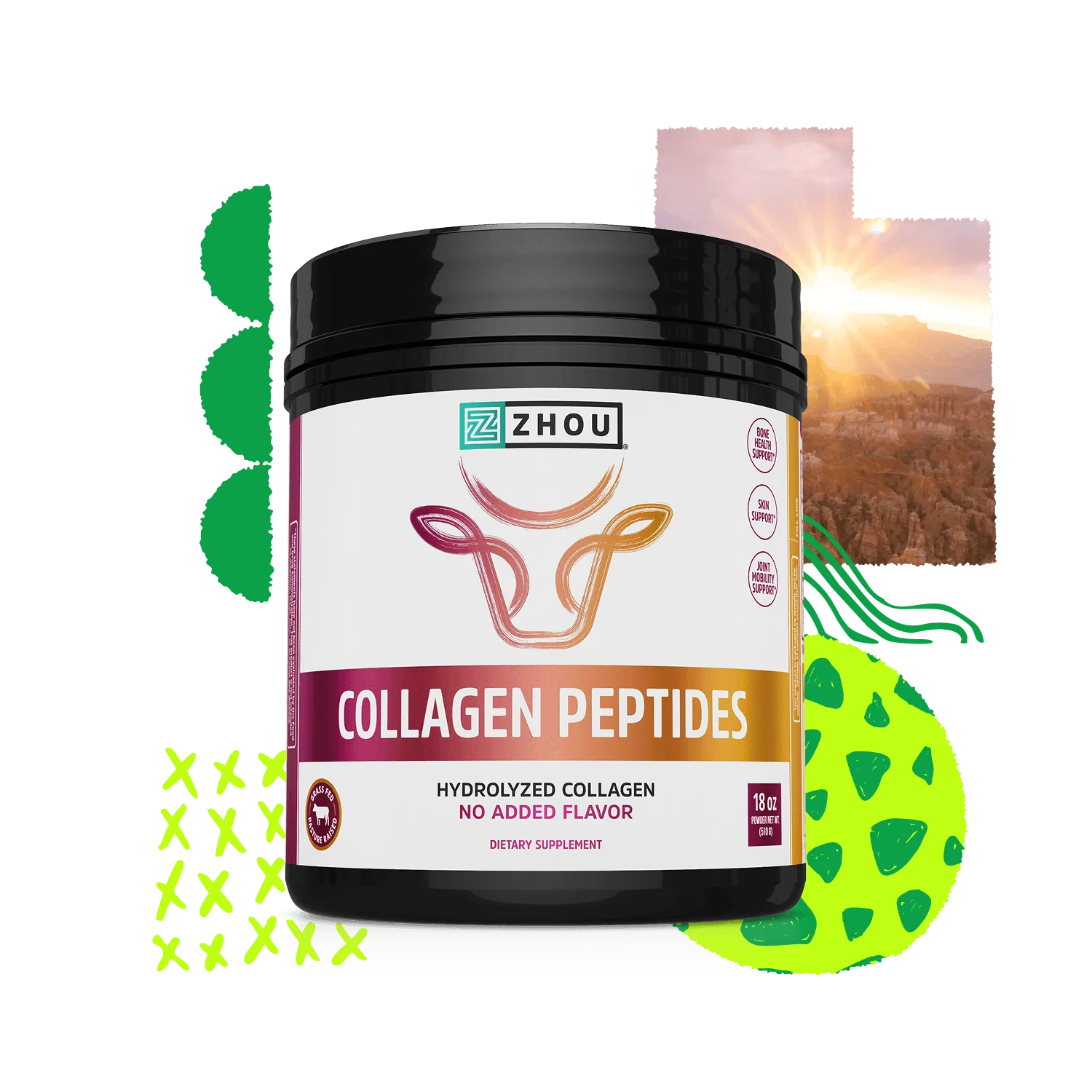
collagen peptides
Key Factors to Consider When Choosing MCT Collagen
First, check the collagen source and dosage. Most effective MCT collagen products provide 8–10 grams of collagen per serving for noticeable skin and joint support. If your routine includes coffee or smoothies, choose a powder that dissolves easily without clumping or altering flavor.
Next, look at additional functional ingredients. Some MCT collagen blends include inositol to support healthy blood glucose and cholesterol levels, or prebiotic fiber like Solnul® to feed beneficial gut bacteria. These extras can make a single serving more versatile if you want to address multiple wellness areas.
Finally, consider the fat profile. MCTs (medium-chain triglycerides) are often sourced from coconut or palm oil. If you follow a strict dietary preference, verify the source. Also, note that MCTs can cause digestive discomfort in some people when first introduced, so start with a smaller serving.
MCT Collagen vs. Other Collagen Supplements
Standard collagen powders focus solely on protein for skin, hair, and joints. MCT collagen adds medium-chain triglycerides, which are rapidly absorbed and can provide quick energy or support ketone production. This makes MCT collagen a better fit if you want both beauty benefits and metabolic or cognitive support.
However, if your main concern is joint recovery after exercise, a higher-dose collagen peptide supplement without MCTs may be more straightforward. MCT collagen typically has fewer grams of collagen per serving because some of the formula weight comes from the oil.
Decision Rules for Choosing MCT Collagen
- Start with your primary goal: If skin and joint support is your main focus, prioritize a product with at least 8 g of collagen per serving. If you also want gut or glucose support, look for added prebiotics or inositol. Match the ingredient list to your top health priority.
- Check the serving format and taste: MCT collagen is typically a powder. If you dislike flavored options, choose an unflavored or lightly flavored variety. If you drink coffee daily, a creamy cinnamon flavor can double as a creamer. A pleasant taste and easy mix increase consistency.
- Watch for digestive adjustment: MCTs can cause loose stools or stomach upset when first introduced. Start with half a serving and gradually increase over a week. Give your gut time to adapt.
Product Facts at a Glance
- MCT Collagen: Zhou MCT Collagen delivers 8 g optimal collagen for skin & joint support, plus inositol for blood glucose & cholesterol support, and Solnul® to support a healthy microbiome. Mixes easily into coffee, smoothies, or any beverage. Natural, creamy https://oliveandjunetu.com/products/ceylon-cinnamon-383808Ceylon cinnamon flavor. This all-in-one powder targets skin, joints, gut, and glucose in one serving, saving you from buying separate supplements. The easy mixability makes it convenient for daily use in hot or cold drinks.
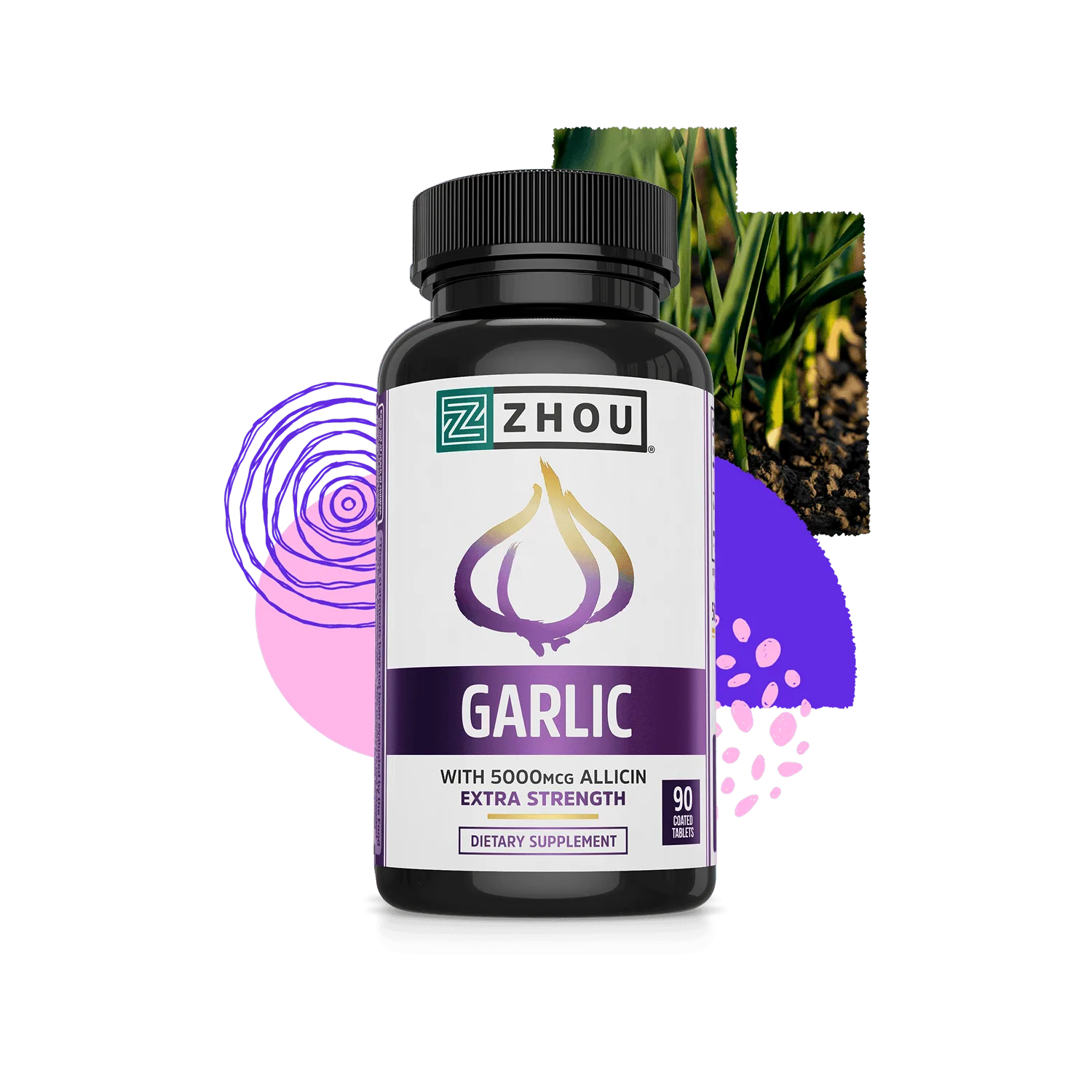
- Garlic with Allicin: Zhou Garlic with Allicin provides 5000 mcg of allicin per enteric coated tablet, designed to survive stomach acid and release in the small intestine for maximum effectiveness. If your routine already covers collagen but you want additional immune or cardiovascular support, garlic with allicin is a complementary capsule. It addresses a different wellness need without overlapping with MCT collagen.
Who Should Choose MCT Collagen?
Best for
- People who want combined skin, joint, gut, and glucose support in one daily serving
- Those who prefer a powder that mixes easily into coffee, smoothies, or any beverage without a strong taste
Not ideal for
- Anyone who needs a very high dose of collagen (over 10 g per serving) without added fats
- Individuals with a known sensitivity to MCTs or coconut-derived ingredients