Quick Answer
Match the multivitamin to your diet, life stage, and confirmed gaps rather than buying the one with the longest ingredient list. If you eat a varied diet and get regular sun exposure, a targeted formula such as Vitamin D3 or Algae Calcium may cover your needs better than a broad multivitamin. If your diet is restricted or inconsistent, choose a multivitamin with nutrients in forms your body absorbs and doses near the Daily Value, then take it consistently with food.
Algae Calcium
Most multivitamin labels look impressive and say almost nothing useful. The real decision comes down to three things: what your diet is already delivering, what your body actually needs at this stage of life, and whether the nutrients are in forms you can absorb. Get those right and the brand matters far less than the match.
This guide walks through the label details that change outcomes, the situations where a multivitamin is the wrong purchase, and how to avoid stacking supplements that duplicate the same nutrient. The goal is a daily multivitamin you will actually take, not a shelf ornament.
Start With Your Diet, Not the Bottle
Before comparing formulas, write down what you eat in a typical week. If you eat fish twice a week, you likely do not need an omega-3 supplement on top of a multivitamin. If you avoid dairy and leafy greens, calcium and vitamin D deserve closer attention. If you eat red meat regularly, iron is usually already covered and adding more can be counterproductive.
This step prevents the most common mistake in the multivitamin aisle: buying a broad formula to fix a narrow gap. A multivitamin is a baseline, not a treatment. When you know your actual gaps, you can choose either a broad formula or a targeted one such as Algae Calcium or Vitamin D3 and stop paying for nutrients you already get.
- List the foods you eat at least three times a week before you shop.
- Flag any food group you avoid entirely, such as dairy, fish, or leafy greens.
- Note any medication you take, since some nutrients interact with prescriptions.
Read the Label Like a Formulator
Ignore the front of the bottle and go straight to the Supplement Facts panel. Check whether each nutrient is listed with a specific form and amount, or hidden inside a proprietary blend where individual doses are not disclosed. A blend can legally list 500 mg total while giving you almost nothing of the ingredient you wanted.
Next, compare doses to the Daily Value. A multivitamin benefits you most when it fills moderate gaps, not when it megadoses everything. Nutrients above 100 percent DV are not automatically better and can push you over safe upper limits when combined with food and other supplements. Look for a formula where the majority of nutrients sit in the 50 to 100 percent DV range.
- Prefer labels that name the exact form, such as chelated minerals or methylated B vitamins.
- Treat proprietary blends as a reason to keep looking unless the blend is a single ingredient.
- Check the serving size. If it is three tablets, ask whether you will actually take three daily.
Match the Formula to Your Life Stage
Nutrient needs shift with age and biology. Women who menstruate generally need more iron, while men and postmenopausal women usually do not. Adults over 50 often absorb vitamin B12 less efficiently from food and benefit from a formula that includes it. Pregnancy changes folate and iron requirements enough that a general multivitamin is rarely the right choice.
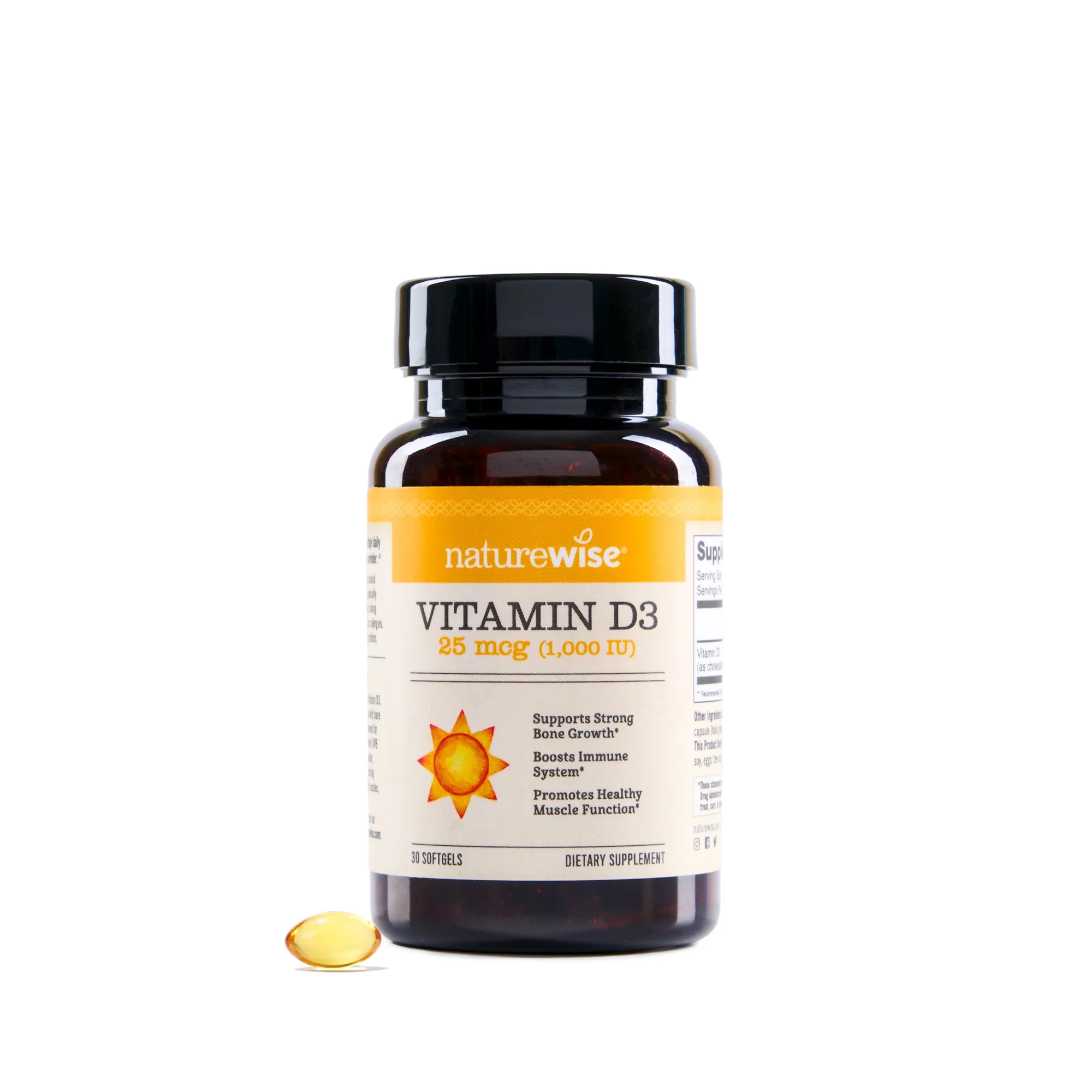
This is why men's and women's formulas exist, and why they are not interchangeable. If your needs are narrow, a single-nutrient product can be cleaner than a broad multivitamin. Vitamin D3, for example, covers immune health, bone health, and muscle function in one softgel, which is often enough for someone whose only real gap is sun exposure.
- Choose an iron-free formula if you are male or postmenopausal unless a clinician advises otherwise.
- Look for B12 in a multivitamin if you are over 50 or eat a plant-based diet.
- Do not take a prenatal formula unless you are pregnant, trying, or breastfeeding.
Check Absorption and Manufacturing Quality
Two multivitamins can list identical nutrients and perform differently because of the form and the manufacturing. Fat-soluble vitamins like D, E, and K absorb better when taken with a meal containing fat, which is why some formulas are built around an oil base. Minerals in chelated forms tend to be gentler on the stomach than oxide forms.
Third-party testing and cGMP-certified manufacturing tell you the label matches the contents and that the facility meets quality standards. These are not marketing extras. They are the difference between a supplement you can trust and one where the actual dose is unknown. When a brand does not disclose testing, treat that as a real limitation rather than a neutral detail.
- Take fat-soluble vitamins with a meal that contains some fat.
- Split a large serving across two meals if it causes stomach upset.
- Store bottles away from heat and moisture, not on a sunny windowsill.
Avoid Doubling Up Across Supplements
Once you take more than one supplement, overlap becomes the main risk. A multivitamin plus a separate vitamin D product plus a calcium product can easily push you past safe intake for those nutrients. The same applies to B vitamins, zinc, and iron, where more is not better and can cause side effects.
Before adding anything, total what you already take. If your multivitamin already contains 100 percent DV of vitamin D, a separate Vitamin D3 is redundant unless a clinician has recommended a higher dose for a documented deficiency. Keep a simple list of every supplement and the amount per serving so you can spot duplicates quickly.
- Write down each nutrient and total it across all products you take.
- Check whether your multivitamin already includes calcium before adding a calcium supplement.
- Bring your list to any appointment so interactions can be reviewed.
Decision Rules for Buying a Multivitamin
- If you eat a varied diet and get regular sun: Skip the broad multivitamin and cover only your confirmed gap, such as Vitamin D3 in the strength that matches your needs. Targeted beats broad when there is only one gap.
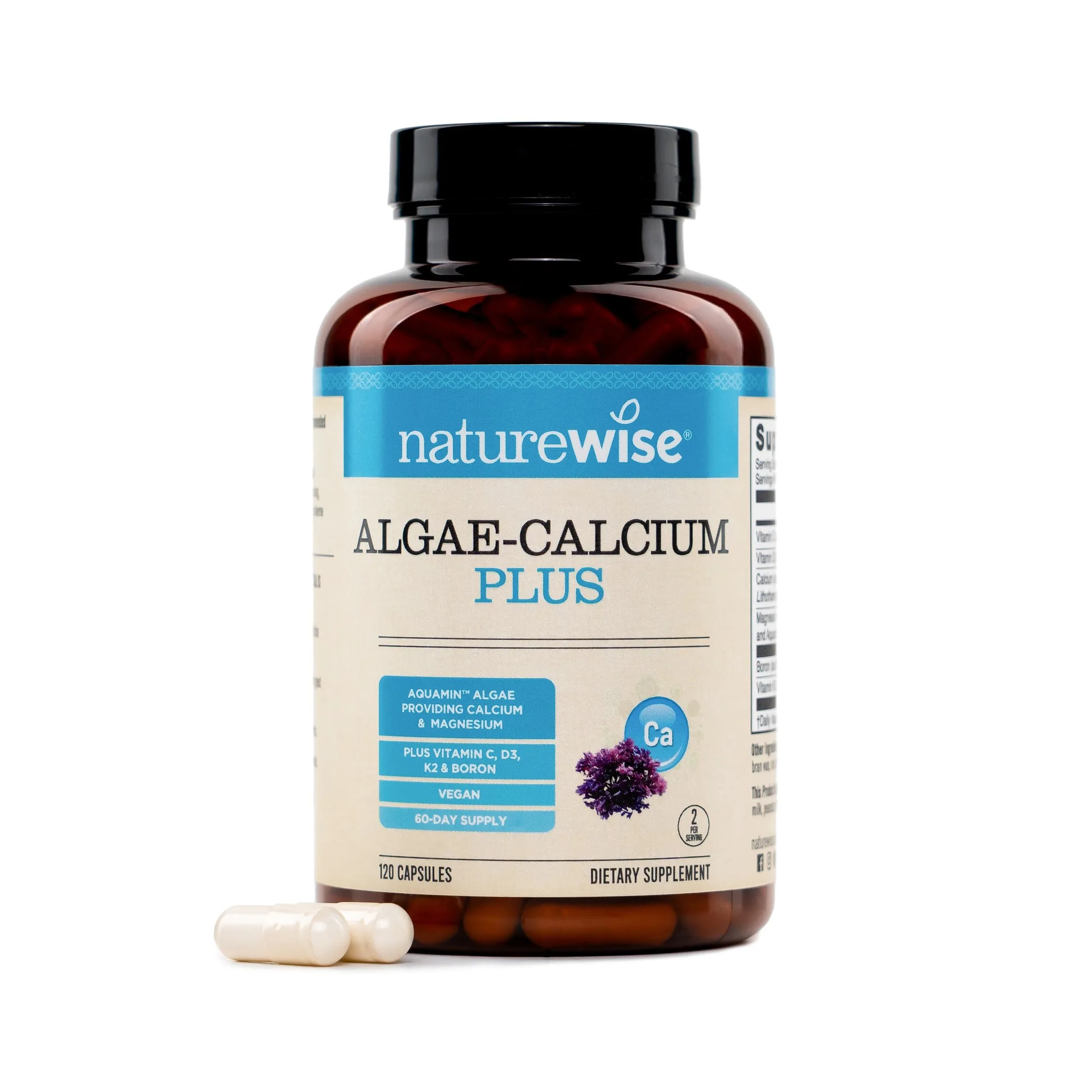
- If you avoid dairy, fish, or leafy greens: Choose a formula or combination that covers the missing minerals and fatty acids, such as Algae Calcium for plant-based calcium and Omega-3 for EPA and DHA. Cover the food group you actually avoid.
- If you are over 50 or eat plant-based: Prioritize a formula with B12 and vitamin D, and check that minerals are in absorbable forms rather than oxides. Absorption matters more with age.
- If you already take several supplements: Total each nutrient across all products before buying anything new, and drop duplicates rather than adding another bottle. Overlap is the most common and most avoidable risk.
- If the label hides doses in a proprietary blend: Keep looking. Undisclosed amounts mean you cannot judge whether the formula does anything for you. No dose, no decision.
Product Facts That Matter for This Decision
- Vitamin D3: Offered in 1000, 2000, 4000, and 5000 IU strengths certified by NSF, made with extra virgin olive oil, dairy free, one softgel per serving, and supports immune health, bone health, and muscle function. The multiple strengths let you match the dose to your actual gap instead of accepting whatever a broad multivitamin includes, and the olive oil base supports absorption of this fat-soluble vitamin.
- Algae Calcium: A plant-based mineral source with a 100 percent vegan formula, manufactured in a cGMP-certified facility, free from major allergens, 60-day supply, and supports strong bones, overall mineral support, cardiovascular health, and bone strength. If your diet skips dairy and your multivitamin contains little or no calcium, this covers that specific gap without adding a broad formula you do not need.
- Omega-3: Each softgel provides 300 mg EPA plus 200 mg DHA, 500 mg omega-3 per softgel, from soy-free wild-caught fish including anchovy, mackerel, and sardine. Multivitamins rarely contain meaningful omega-3 amounts, so if you do not eat fatty fish regularly this is the gap worth covering separately rather than expecting a multivitamin to handle it.
Is a Multivitamin Right for You?
Best for
- People with restricted diets, food allergies, or irregular eating patterns that leave consistent nutrient gaps.
- Adults over 50 or anyone whose clinician has flagged a specific shortfall such as vitamin D or B12.
- People who want a simple baseline and will take it daily with food.
Not for
- People who already eat a varied diet and take several targeted supplements, where a broad formula mainly adds overlap.
- Anyone looking to treat a diagnosed deficiency, which needs a clinician-directed dose rather than a general multivitamin.
- Pregnant or breastfeeding women, who should use a prenatal formula instead.
Choosing a multivitamin is a matching exercise, not a shopping contest. Identify your real gaps, check that the label discloses forms and doses, confirm the manufacturing is third-party tested, and total your nutrients so nothing stacks up. If your only gap is vitamin D or calcium, a targeted product will serve you better than a broad formula you take half-heartedly.