Quick answer
When choosing a natural dish brush, prioritize a wooden handle (ideally bamboo) and plant-based bristles like agave or coconut fiber. Look for a comfortable grip and a brush head that can reach into corners. For most kitchens, a bamboo dish brush with stiff, natural bristles offers the best balance of durability and eco-friendliness.
Switching to a natural dish brush is one of the simplest ways to reduce plastic in your kitchen. With so many options on the market, it can be tricky to know what to look for. This guide breaks down the key factors—materials, bristle types, handle design, and maintenance—so you can choose a brush that cleans well and lasts long.
A good natural dish brush not only gets your dishes sparkling clean but also stands up to daily use without falling apart. Whether you're washing delicate glassware or scrubbing baked-on food, the right brush makes the job easier and more enjoyable.
Material Matters: Wood vs. Plastic Handles
The handle is the foundation of any dish brush. Plastic handles are common but can crack, leach chemicals, and contribute to waste. Natural wood handles, especially bamboo, are renewable, biodegradable, and often more comfortable to hold. Bamboo is also naturally antimicrobial, which is a bonus in a kitchen tool.
When choosing a wooden handle, check that it's smooth and well-sealed to prevent water damage. Some brushes have a hole for hanging, which helps them dry faster and last longer. A hanging loop is a small but practical feature to look for.
- Look for a handle that feels comfortable in your hand, especially if you have arthritis or grip issues.
- Consider the length: a longer handle keeps your hands away from dirty water and makes it easier to scrub deep pots.
Bristle Types: Finding the Right Scrub for Your Needs
The bristles determine how well the brush cleans and how gentle it is on your cookware. Natural bristles can come from plants like agave, coconut, or tampico fiber. Agave bristles are stiff and great for heavy-duty scrubbing, while coconut fiber is softer and safer for non-stick pans. Tampico is a middle ground, offering a balance of stiffness and gentleness.
Some brushes combine bristle types for versatility. For example, a brush with stiffer outer bristles and softer inner ones can tackle both tough residue and delicate items. If you have a mix of cookware, consider a brush that's gentle enough for non-stick but tough enough for cast iron.
- If you frequently cook with cast iron, choose a brush with stiff, plant-based bristles that can handle heavy scrubbing.
- For non-stick pans, opt for softer bristles to avoid scratching the surface.
Handle Design: Comfort and Reach
A dish brush with a handle isn't just about keeping your hands dry—it also gives you better leverage and reach. A longer handle lets you scrub the bottom of tall pots without submerging your hand in soapy water. An angled brush head can help you clean corners and crevices more effectively.
Ergonomic handles with a comfortable grip reduce hand fatigue during long dishwashing sessions. Some brushes feature a slightly curved handle that fits the natural shape of your hand. If you have limited mobility or strength, look for a brush with a thick, easy-to-hold handle.
- Test the grip: if you can hold the brush comfortably for a few minutes, it's a good sign.
- Consider a brush with a hole at the end for hanging—it's a simple way to ensure proper drying.
Durability and Maintenance: Making Your Brush Last
Natural dish brushes can last for months if cared for properly. After each use, rinse the brush thoroughly and shake off excess water. Store it in a well-ventilated area or hang it to dry. Avoid leaving it in a puddle of water, as this can cause the wood to crack and the bristles to break down.
Over time, bristles will naturally wear out. When your brush starts to lose its scrubbing power, it's time to replace it. A well-maintained bamboo dish brush typically lasts several months, making it a cost-effective and eco-friendly choice.
- Sanitize your brush weekly by soaking it in a vinegar and water solution for a few minutes.
- If you notice splinters or loose bristles, replace the brush to avoid damaging your dishes.
Decision Rules for Choosing a Natural Dish Brush
- Rule 1: Material: Choose a brush with a wooden handle (preferably bamboo) and plant-based bristles. Avoid plastic handles and synthetic bristles. Bamboo is renewable, biodegradable, and naturally antimicrobial.
- Rule 2: Bristle Stiffness: Match bristle stiffness to your cookware. Stiff bristles for cast iron and heavy-duty scrubbing; softer bristles for non-stick and delicate items. If you have mixed cookware, look for a brush with a combination of bristle types.
- Rule 3: Handle Design: Consider the length and grip. A longer handle keeps hands dry and provides better reach. An ergonomic grip reduces fatigue. Test the brush in your hand to ensure it feels comfortable and secure.
- Rule 4: Maintenance: Proper care extends the life of your brush. Rinse, shake, and hang to dry after each use. Replace when bristles wear out. A well-maintained brush lasts longer and performs better.
Product Facts from Jungle Culture
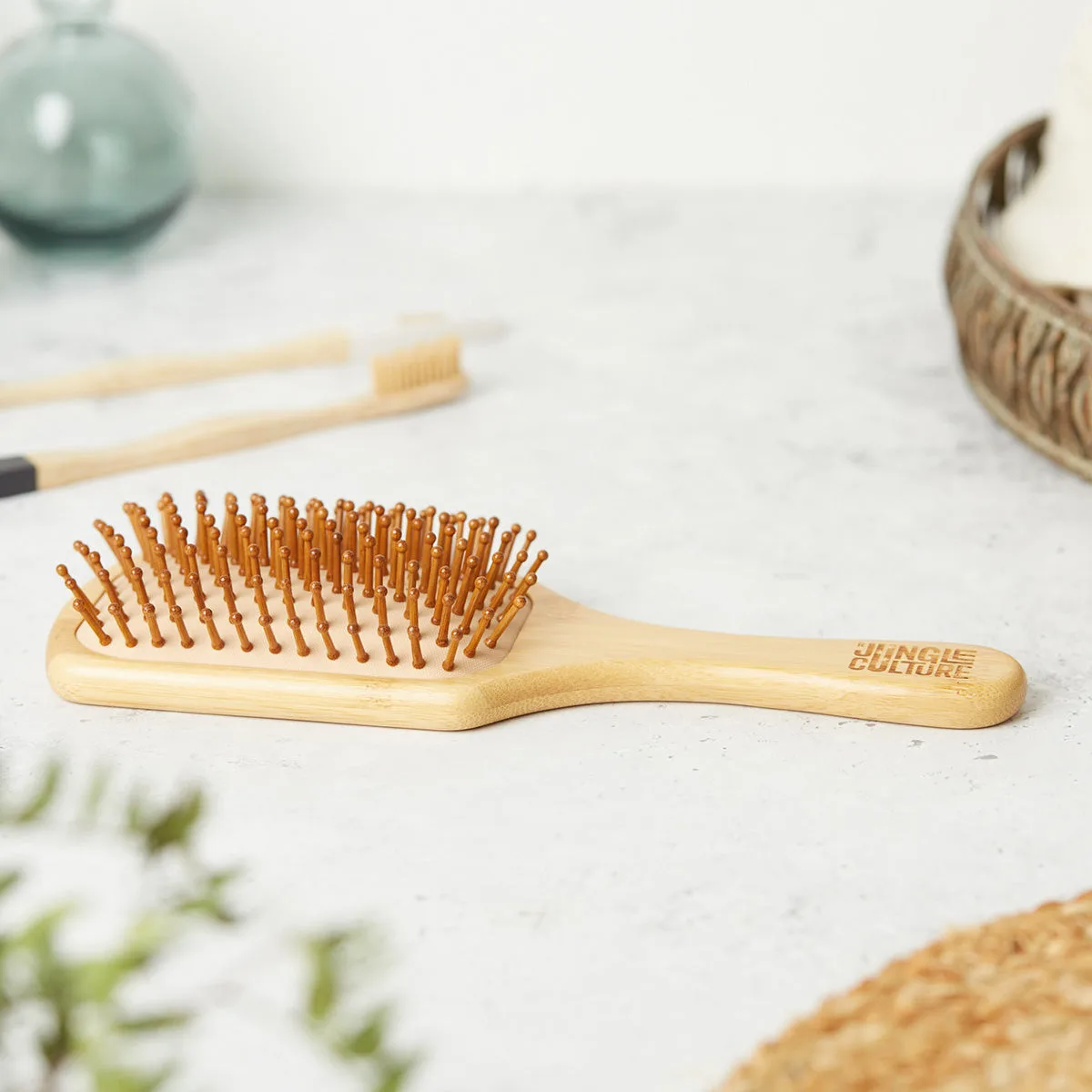
- Bamboo Hairbrush | Sustainable Wooden Hair Brushes: Jungle Culture’s bamboo hairbrush is designed using eco-friendly bamboo to suit all hair types. Whether your hair is curly, thick, straight or fine, this sustainable hairbrush will work for you. Our pressured paddle surface and soft bristles allow you to brush your hair wet or dry without causing irritation! While this is a hairbrush, it demonstrates Jungle Culture's commitment to using sustainably sourced bamboo in their products, which is the same material you should look for in a natural dish brush.
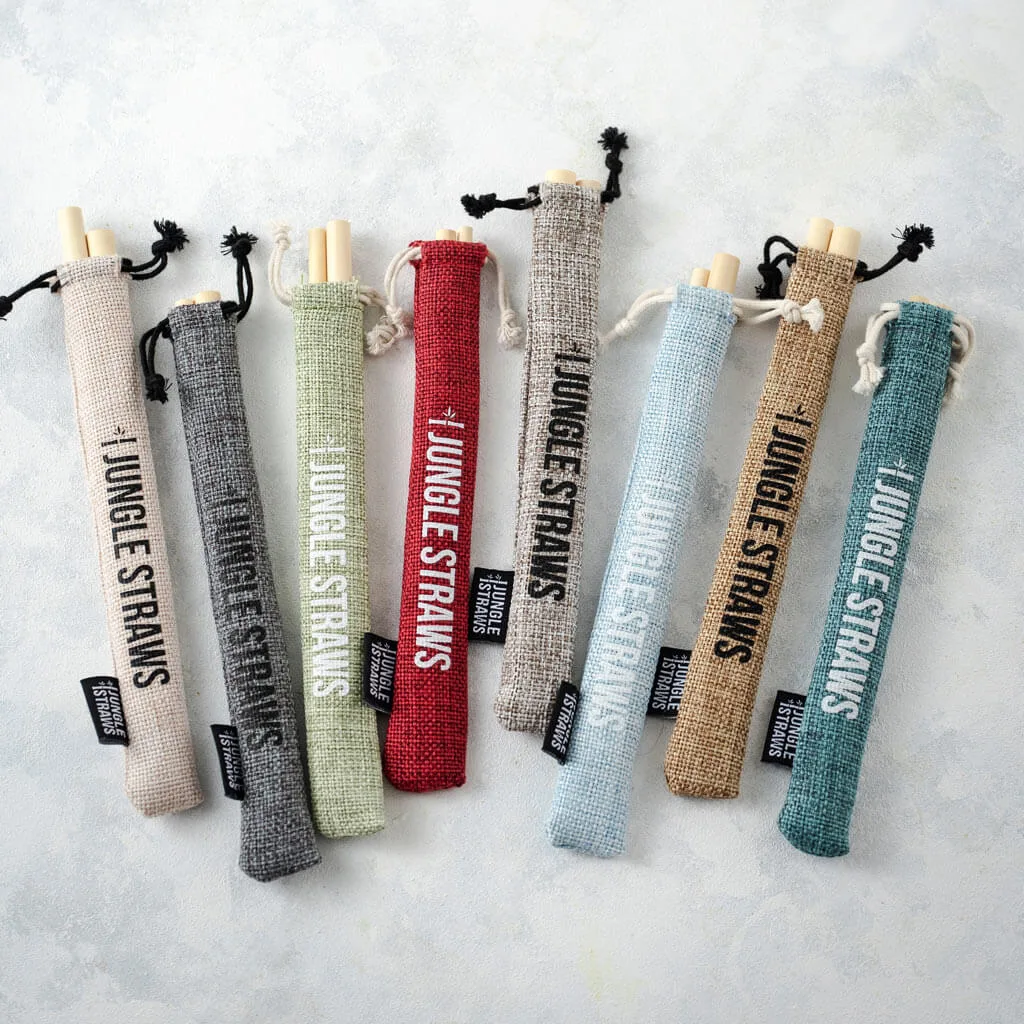
- Reusable Bamboo Drinking Straws w/ Natural Jute Bag (Pack of 6): Jungle Straws are individually hand crafted and harvested by local artisans at a small, family-run farm in rural Vietnam. Our reusable bamboo straws are an eco-friendly and sustainable solution to plastic, made without the need for any harmful pesticides or chemicals. This highlights the brand's dedication to handcrafted, organic materials, ensuring that any bamboo product from them is made with care and without harmful chemicals—a key consideration for kitchen tools that come into contact with food.
Fit Guidance
Best for
- Eco-conscious home cooks who want a durable, plastic-free alternative to standard dish brushes.
- People with a mix of cookware who need a versatile brush that can handle both heavy scrubbing and delicate items.
Not for
- Those who prefer dishwasher-safe tools, as wooden handles are not dishwasher safe.
- Individuals with severe allergies to wood or natural fibers, though rare.
Choosing the right natural dish brush comes down to understanding your cooking habits and preferences. By focusing on sustainable materials, appropriate bristle stiffness, and a comfortable handle, you can find a brush that makes dishwashing easier and greener. Explore Jungle Culture's range of eco-friendly kitchen tools to find your perfect match.