Quick answer
For most kitchens, choose a natural washing up brush with a replaceable head, a comfortable handle, and bristles that suit your cookware. A long handle dish brush is best for reaching deep pots and protecting your hands from hot water. Look for wooden handles and compostable bristles to keep your zero waste kitchen routine simple.
Switching to a natural washing up brush is one of the easiest swaps in a zero waste kitchen. Unlike plastic scrubbers that end up in landfills, a sustainable kitchen brush made from wood and natural bristles can be composted at the end of its life. But with so many options, how do you pick the right one?
This guide breaks down the key features to consider—bristle type, handle length, and head design—so you can choose an eco friendly dish brush that actually fits your washing routine. We’ll also cover what to look for in a wooden dish brush and why a replaceable head can save you money and waste.
Bristle Types: What Works for Your Dishes
The bristles are the working part of any dish brush, and they come in two main categories: natural and synthetic. Natural bristles, like coconut fibre or tampico, are plant-based and compostable, making them a true zero waste choice. Coconut fibre is firm and great for scrubbing stuck-on food, while tampico is softer and safer for non-stick pans. Synthetic bristles, usually nylon, are more durable but not compostable, so they’re a trade-off if you want a fully biodegradable brush.
Think about what you wash most. If you regularly scrub cast iron or heavy pots, a firmer natural bristle will handle the job. For delicate glassware or ceramic, a softer bristle prevents scratches. Some brushes mix bristle types to balance scrubbing power and gentleness. Check the product description to see exactly what the bristles are made of, because not all 'natural' brushes are fully compostable.
- Coconut fibre bristles are sturdy and good for tough messes.
- Tampico bristles are softer and safer for non-stick cookware.
- If you need a compostable brush, avoid nylon bristles.
Handle Length: Short vs Long
Handle length is a practical decision that affects comfort and reach. A standard short handle gives you more control and is easier to store in a caddy or drawer. It’s a good choice if you wash mostly plates, bowls, and cutlery. A long handle dish brush extends your reach, so you can clean deep pots, tall glasses, and jars without submerging your hand in hot, soapy water. It also keeps your hands drier and reduces strain on your wrists.
Consider your sink depth and how you wash. If you have a deep sink or often cook large batches, a long handle brush is a smart investment. On the other hand, a short brush is more portable and takes up less space. Many people keep both: a short brush for everyday dishes and a long one for heavy-duty cleaning. Look for a handle with a comfortable grip, especially if you wash a lot by hand.
- Short handles offer control and easy storage.
- Long handles protect hands from hot water and reach deep pots.
- A textured or ergonomic grip reduces hand fatigue.
Replaceable Heads: Save Money and Waste
A replaceable head dish brush is a game-changer for zero waste kitchens. Instead of throwing away the whole brush when bristles wear out, you only swap the head. This extends the life of the handle—often made of wood—and reduces waste. Over time, it’s also more economical because you buy just the replacement heads, not a whole new brush each time.
When choosing a brush with a replaceable head, check how easy it is to detach and reattach. Some heads screw on, while others click into place. Make sure replacement heads are available for the model you choose, so you don’t end up with a brush you can’t refill. This feature is especially useful if you want a long-lasting sustainable kitchen brush that doesn’t compromise on hygiene.
- Replaceable heads cut down on waste and cost less over time.
- Ensure replacement heads are easy to find and attach.
- A wooden handle with a replaceable head is a durable combo.
Wooden Handles: Care and Durability
Wooden handles are a hallmark of eco friendly dish brushes because they’re renewable and biodegradable. However, wood needs a little care to last. Avoid leaving your brush soaking in water, as this can cause the wood to crack or split. After washing, shake off excess water and let it dry upright in a well-ventilated spot. Some brushes come with a small hole for hanging, which helps air circulation and speeds up drying.
Bamboo is a popular choice for wooden handles because it grows quickly and is naturally antimicrobial. A bamboo handle is lightweight and strong, making it comfortable for daily use. Look for brushes with a smooth finish to prevent splinters. With proper care, a wooden dish brush can last for months, and when it’s finally worn out, you can compost the handle and natural bristles.
- Dry your brush upright to prevent wood damage.
- Bamboo handles are lightweight, strong, and eco-friendly.
- Compost the handle and natural bristles at the end of life.
Decision rules for picking your natural washing up brush
- Check the bristle material: Look for coconut fibre or tampico for compostability. If you need more scrubbing power, coconut fibre is firmer; for delicate items, tampico is gentler. Choose natural bristles if you want a fully compostable brush.
- Match handle length to your washing style: If you wash mostly plates and bowls, a short handle is fine. For deep pots or to protect your hands from hot water, choose a long handle dish brush. A long handle is worth it if you regularly clean tall or heavy cookware.
- Decide on replaceable heads: A replaceable head dish brush reduces waste and saves money over time. Confirm that replacement heads are available for the model you choose. Opt for a replaceable head to extend the brush’s life.
- Consider the handle material: Wooden handles, especially bamboo, are renewable and biodegradable. They require drying upright to prevent cracking. Bamboo is a durable, lightweight choice for daily use.
Product facts to consider
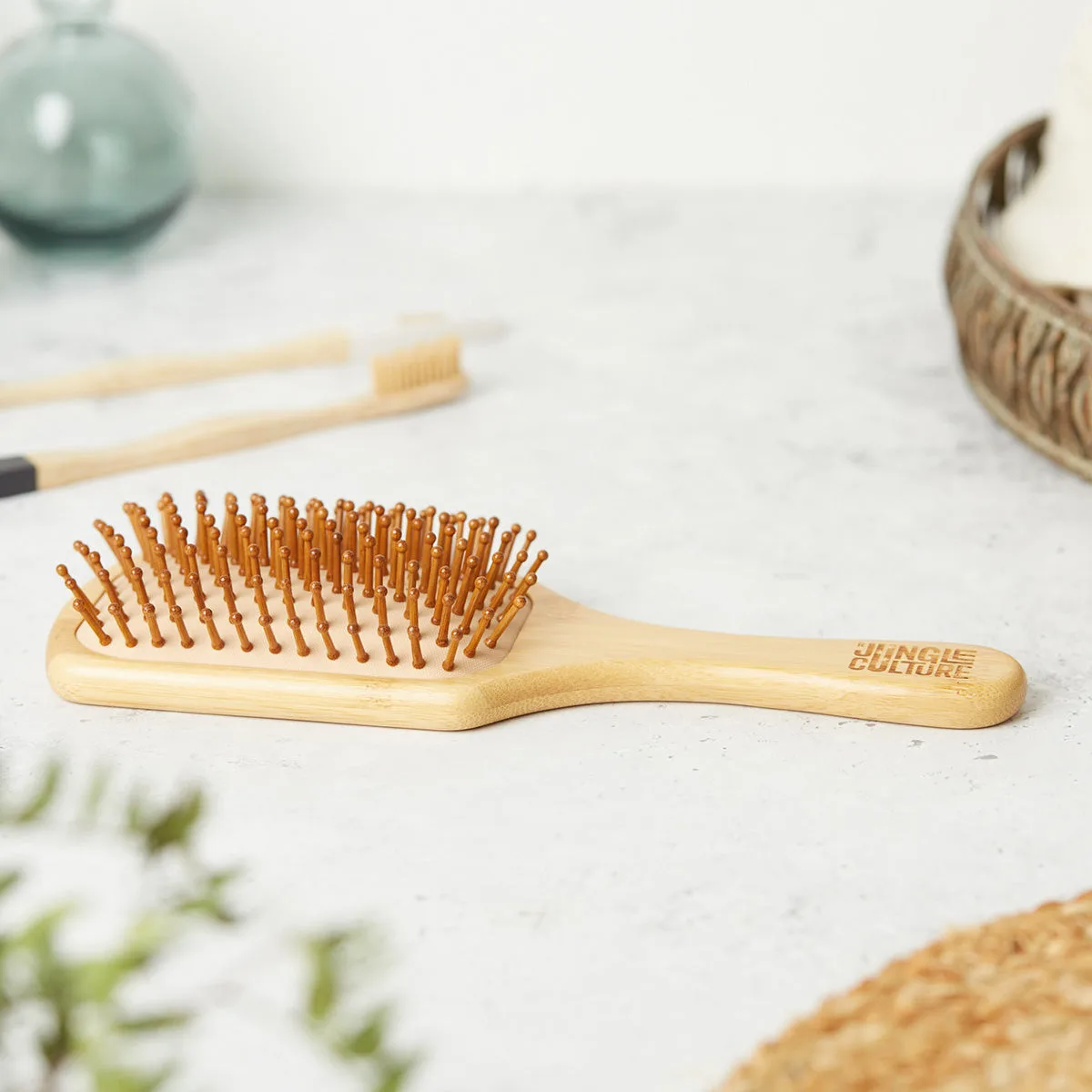
- Bamboo Hairbrush | Sustainable Wooden Hair Brushes: Jungle Culture’s bamboo hairbrush is designed using eco-friendly bamboo to suit all hair types, with a pressured paddle surface and soft bristles for wet or dry brushing without irritation. While it’s not a dish brush, this shows Jungle Culture’s commitment to bamboo and soft bristles—useful if you also want a sustainable brush for personal care.
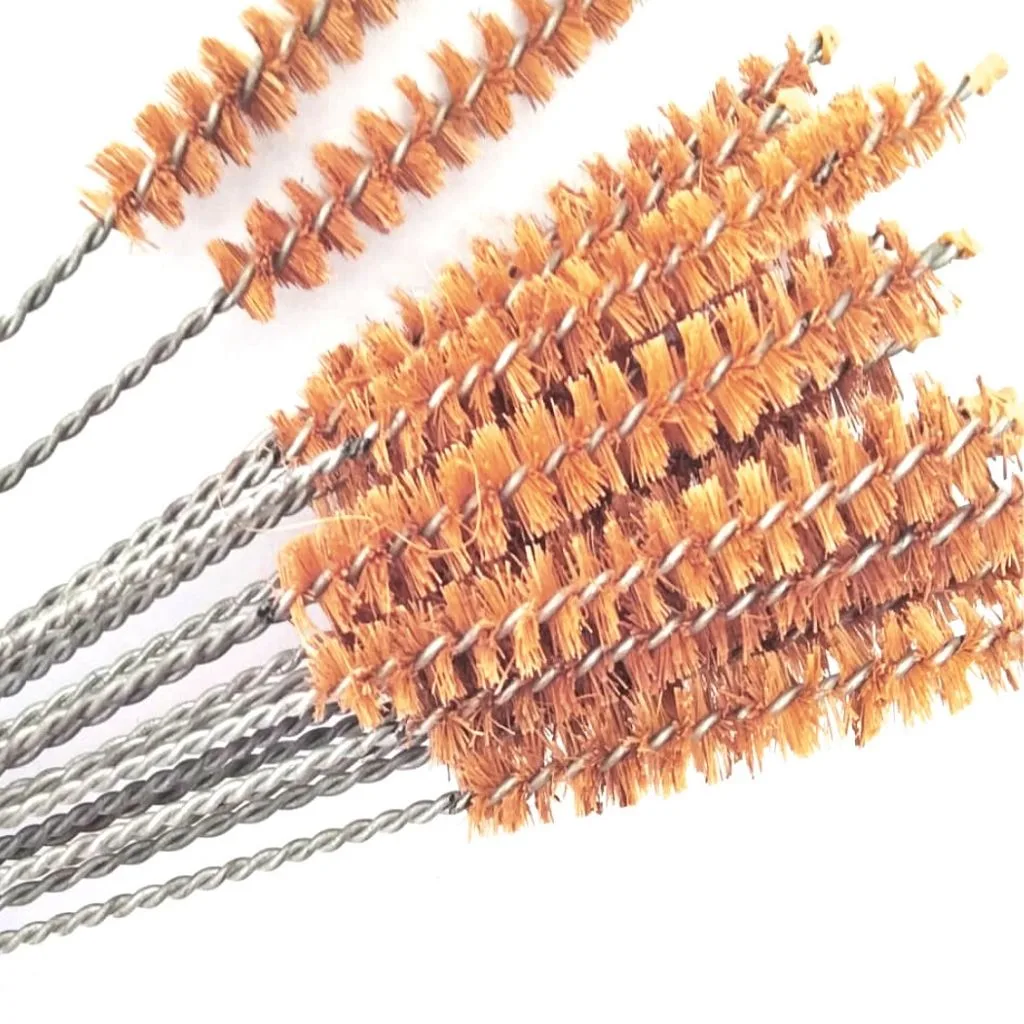
- Reusable Straws Cleaning Brushes for Bamboo or Stainless Steel Straws: These cleaning brushes come in three options: nylon bristles, coconut fibre bristles, and grass fibre bristles, with coconut fibre being an eco friendly choice. If you’re considering a natural washing up brush, the coconut fibre option here demonstrates the same material can be used for effective, compostable scrubbing.
Which brush is right for you?
Best for
- Home cooks who wash a lot of pots and pans and want to protect their hands from hot water—choose a long handle dish brush.
- Zero waste enthusiasts who want a fully compostable brush—choose natural bristles like coconut fibre and a wooden handle.
- Budget-conscious shoppers who want to minimize waste and cost—choose a brush with a replaceable head.
Not for
- If you use a dishwasher for most dishes, a simple short-handled brush may be all you need—skip the long handle to save space.
- If you have non-stick pans and worry about scratches, avoid firm bristles like coconut fibre and opt for a softer tampico brush.
Choosing the right natural washing up brush comes down to your washing habits and priorities. Focus on bristle material, handle length, and whether you want a replaceable head. A wooden dish brush with compostable bristles is a solid zero waste choice, and a long handle makes heavy cleaning easier. With these decision rules, you can pick a sustainable kitchen brush that fits your routine and lasts.